Spices teach you Kandy faster than any guidebook. This 3-hour class in Pilawala pairs a hands-on cooking session with a local market tour, taught by a village family in their home setting. You get English instruction and a warm village-kitchen atmosphere that feels more like learning with friends than a scripted show.
What I like most: you pick your own vegetables at the market, then you actually cook the food yourself. You also leave with a recipe booklet and a full lunch or dinner of the dishes you make. One thing to consider: there’s no hotel pickup, so you’ll want to plan how you’ll reach the meeting point in Pilawala.
In This Review
- Key Things You’ll Notice in This Kandy Cooking Class
- A Village Kitchen Lesson in 12 Sri Lankan Dishes
- Getting There in Kandy: The Pilawala Meeting Point
- Market Tour First: Picking Seasonal Vegetables
- Hands-On Cooking with a Kandy Village Family
- Sri Lankan Spice Logic: Coconut, Rice, and Heat
- The Meal Part: Lunch or Dinner You Actually Cook
- Price and Value: What $48 Really Buys You
- What to Wear and How to Prepare (So You Enjoy It)
- Who This Class Is Best For in Kandy
- Should You Book This Kandy Village Cooking Class?
- FAQ
- How long is the Kandy Village Cooking Class?
- What’s included in the experience?
- Is hotel pickup and drop-off included?
- Is the class taught in English?
- Are vegetarian options available?
- Where is the meeting point?
- Who should attend if traveling with children?
- What should I wear?
- Quick Booking Decision
Key Things You’ll Notice in This Kandy Cooking Class
- 12 dishes in a short 3 hours means lots of hands-on time, not just watching
- Market tour vegetable choice lets you tailor the cooking to what you prefer
- Village house family teaching style creates a relaxed, patient pace
- English-speaking instructor makes spice and technique explanations easier to follow
- Lunch or dinner included so you’re eating what you cooked, not just sampling
A Village Kitchen Lesson in 12 Sri Lankan Dishes
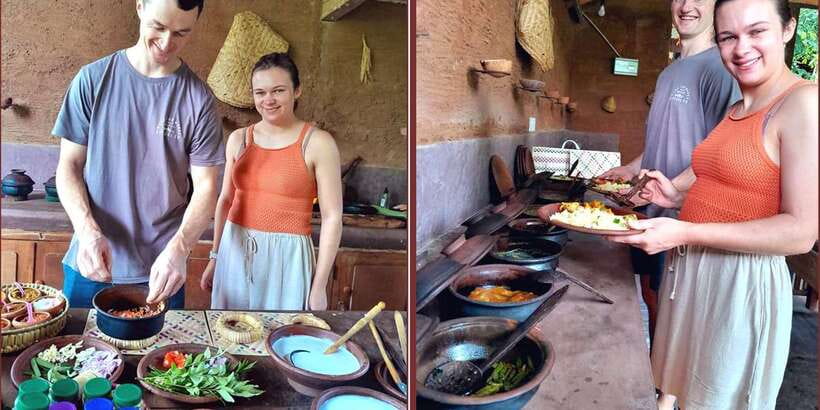
This is one of those Kandy food experiences that actually teaches you something you can use later. The format is simple: you start with a local market visit, then you cook multiple Sri Lankan dishes hands-on in a village home. It’s built around everyday ingredients like rice, coconut, and a serious lineup of spices—so you’ll understand the logic behind the flavors, not just copy a recipe.
The “12 dishes” part matters. In many cooking classes you might make one or two items and spend the rest watching. Here, the menu is the star, and you’re moving through it with the family. You’ll also learn how Sri Lankan food reflects a mix of influences, including India, Indonesia, and Dutch culinary traditions. That blend shows up in the way spices are layered and how coconut works with heat and aromatics.
If you want a class that feels personal—family-led, friendly, and practical—this is a strong pick. It’s also a great way to get beyond the usual Kandy restaurant circuit.
You can also read our reviews of more tours and experiences in Kandy.


Getting There in Kandy: The Pilawala Meeting Point
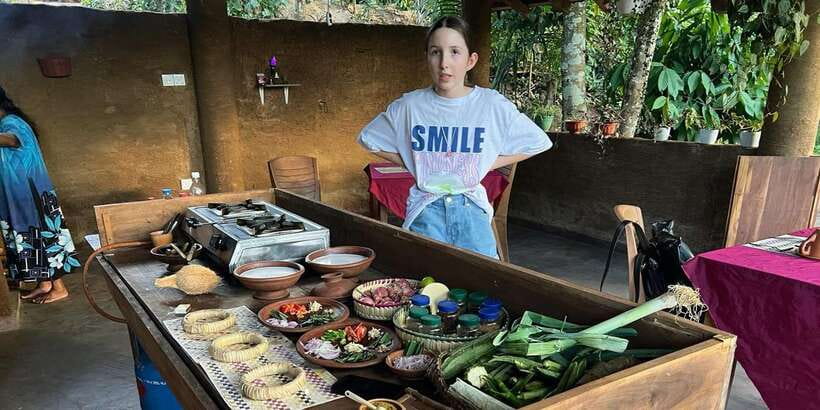
You’ll meet at Kandy Village Cooking Class, no.38 Pilawala, Kandy (Pilawala 20196), Sri Lanka. Because hotel pickup and drop-off aren’t included, I’d treat this like a self-arranged local activity: figure out transport to Pilawala in advance, and give yourself a little buffer time.
Once you’re there, the experience is designed to be relaxed. You’re in comfortable clothing most of the time, and you’ll also be walking as you move between parts of the day. If you’re used to tight, sightseeing-only schedules, this one works because it’s focused: market first, cooking next, then you eat.
One more detail to plan for: if you’re coming with kids, the activity requires an adult accompaniment. If you’re in a wheelchair, the class is listed as wheelchair accessible, which is helpful—still, you’ll want to confirm practical movement needs directly with the provider if you have specifics.
Market Tour First: Picking Seasonal Vegetables
The market portion is one of the best reasons to book this class. You don’t just get a quick look at produce—you choose vegetables yourself. That choice affects what you’ll cook, and it also makes the food feel tied to the season.
Practically, that means you can bring preferences into the process. The class also notes that vegetarian options are available—just tell them in advance if you need it. If you love the idea of cooking but get nervous about ending up with ingredients you don’t eat, this structure helps.
What you’re gaining isn’t just variety in the dishes. You’re learning how Sri Lankan cooking depends on staples plus whatever produce is fresh right now. That’s a big part of why the food tastes real, not generic. Even if you don’t remember every spice name, the lesson sticks: choose ingredients that are in good condition, then let the spice and coconut base do its work.
Hands-On Cooking with a Kandy Village Family
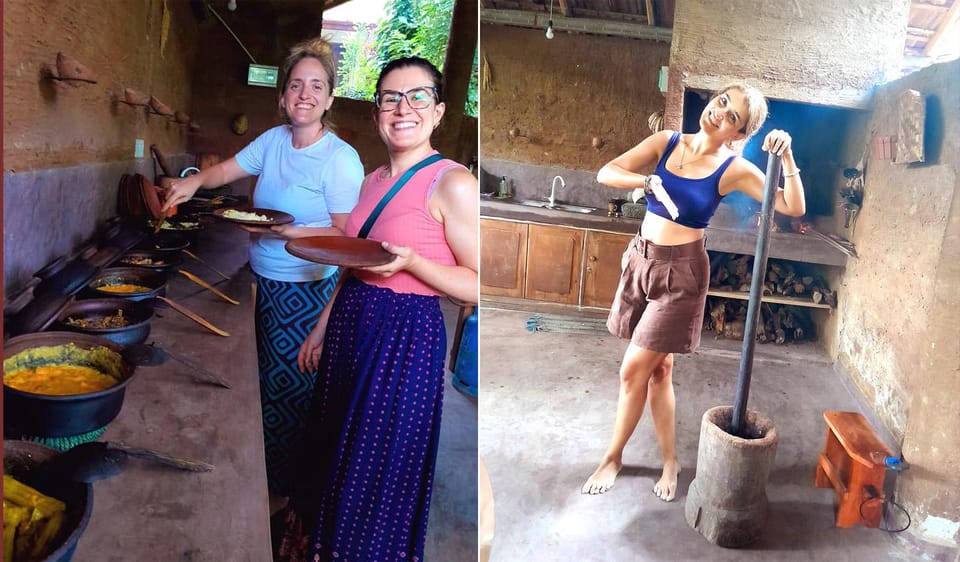
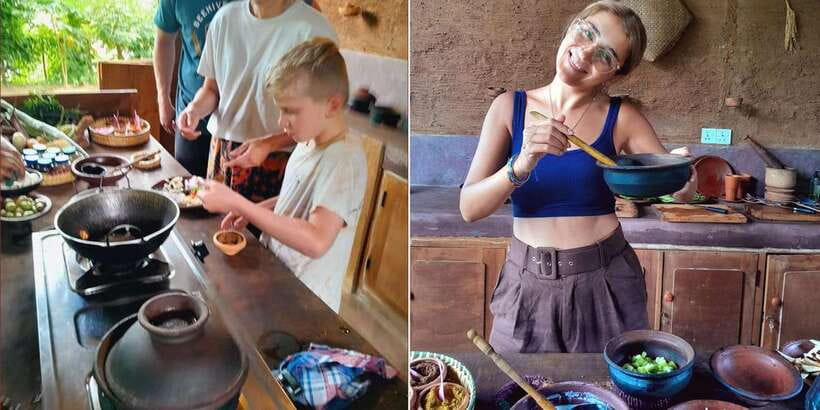
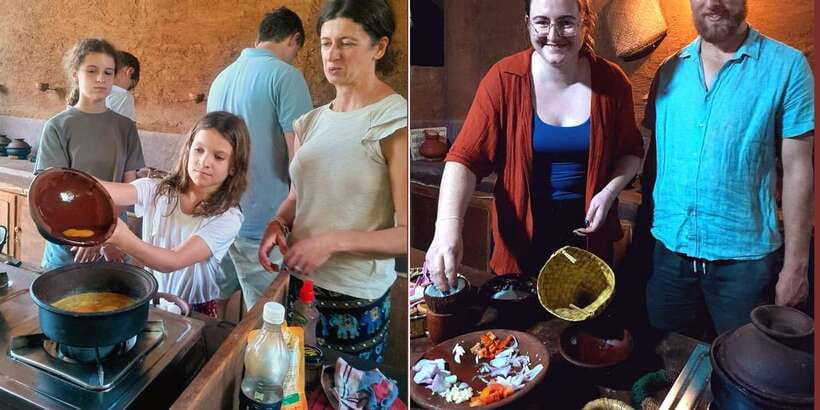
This is where the class becomes more than a meal. You’re taught by a welcoming village housewife and her family, in a home-style environment. The vibe is friendly and patient—exactly what you want if you’re not confident in the kitchen.
Because it’s hands-on, you’ll be actively participating, not hovering at the edge of the workspace. You’ll also be cooking with ingredients provided for the session, so you don’t need to worry about sourcing anything yourself. The menu is built for the format: 12 dishes, covering multiple techniques rather than repeating one basic curry over and over.
Timing is also part of the value. With only 3 hours, the pace is energetic, but it’s still organized around learning. You’ll likely move from ingredient prep to cooking stages, then finish with the meal. The upside of a shorter class is you get results quickly: you’re not waiting all afternoon for one dish to come together.
One note: the instructor speaks English. That’s a major comfort factor for international visitors, especially when the class is teaching spice handling and flavor building rather than just describing the final dish.
Sri Lankan Spice Logic: Coconut, Rice, and Heat
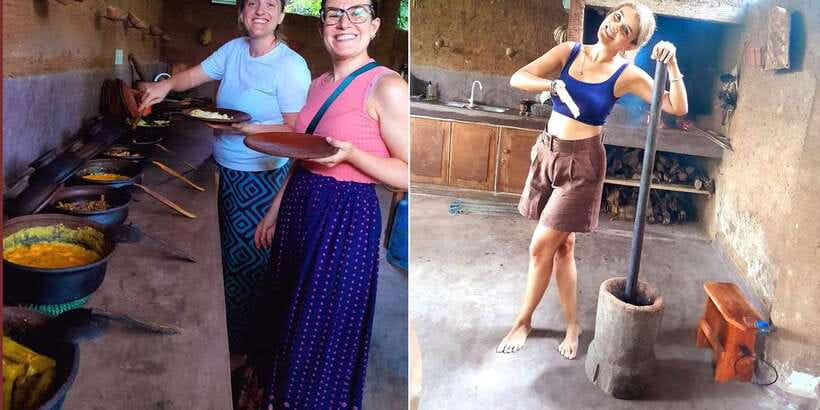
Sri Lankan cuisine is built on a practical flavor system: rice and coconut act like the foundation, and spices do the heavy lifting for aroma, heat, and depth. One reason I like classes like this is they turn “spices” from a vague concept into something you can manage.
You’ll learn that many recipes are shaped by cultural mix—India, Indonesia, and Dutch influences show up in how dishes are composed and what flavors pair well. You might notice patterns like:
- coconut helping round out heat
- spices being layered, not dumped in at once
- rice working as the neutral base that makes stronger flavors feel balanced
Even if you can’t label every spice, you’ll come away with technique awareness. That’s what makes the recipe booklet useful later. You won’t just have a list of ingredients; you’ll have context for how the flavors were built during the cooking steps.
If you enjoy cooking at home, this is the kind of class that upgrades your instincts. And if you don’t cook much, it still works because you get guided steps in a real kitchen environment.






The Meal Part: Lunch or Dinner You Actually Cook
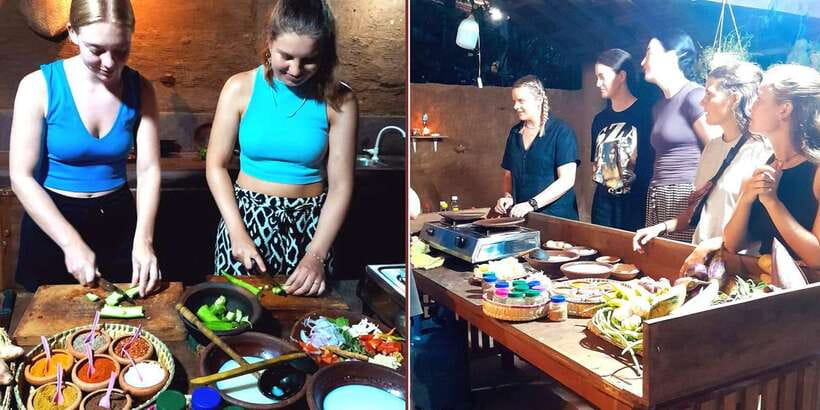
The included lunch or dinner is straightforward but satisfying: you eat the dishes you prepared. That matters because it removes the usual letdown of “great class, but the meal is separate.” Here, you can taste the results immediately and understand what you did right (and what you might tweak next time).
You’ll also get a recipe booklet. I like recipe booklets from cooking classes because they make repetition possible. After you’re home, you can use the same framework with local ingredients. That’s especially useful with Sri Lanka–style cooking, where spices are important but ingredient flexibility also matters.
One small but important practical point: because the class is only 3 hours, come hungry and be ready to taste. You’ll want to stay present during the cooking so the flavors make sense when they hit the table.
Price and Value: What $48 Really Buys You

At around $48 per person, you’re paying for more than a cooking “performance.” You get:
- hands-on cooking of 12 dishes
- a local market tour where you choose vegetables
- all cooking ingredients
- lunch or dinner
- a recipe booklet
In value terms, this is the difference between paying for a restaurant meal and paying for a skill-building experience. Ingredients and meal are baked into the price, and you’re also getting market insight that you wouldn’t get if you just showed up at a market as a tourist.
There’s also a hidden value: the class is private group. That often means you’re not fighting for attention while you learn. In a short 3-hour window, individualized or small-group attention can make the difference between “fun” and “I can do this again later.”
The one cost you should think about is that personal expenses and transport to the meeting point are on you. Since hotel pickup and drop-off aren’t included, your total real-world cost depends on how you’ll get there from your base.
What to Wear and How to Prepare (So You Enjoy It)
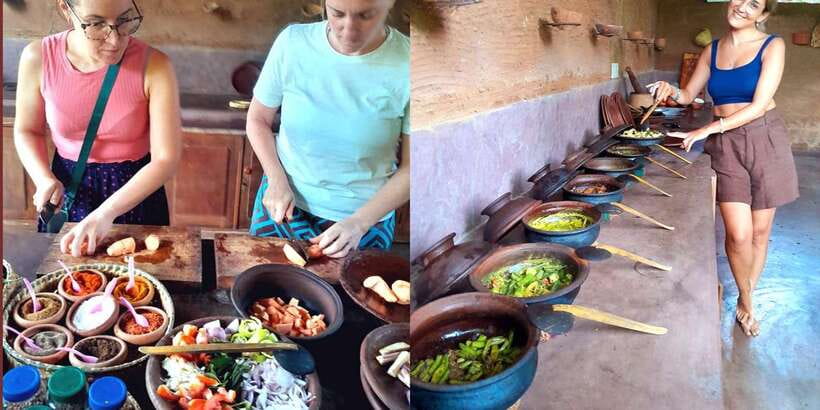
This class asks you to be comfortable in motion. Wear comfortable clothing and shoes suitable for cooking and walking. Even if the cooking part is your main focus, the market walk means you’ll be moving.
Here’s what I’d do before you go:
- wear closed-toe shoes
- keep your travel bag simple (you’ll be in a kitchen setting)
- if you’re vegetarian, inform the provider in advance so the menu matches your needs
Because the class is conducted in English, you can also treat it like a learning session. Ask questions when you hear about spices or technique. The family-led setting tends to keep things easy and practical.
If you’re on a tight schedule while in Kandy, remember this is a short, concentrated experience. It’s not a half-day tour of multiple sights. It’s focused on one thing: food, in a village setting.
Who This Class Is Best For in Kandy
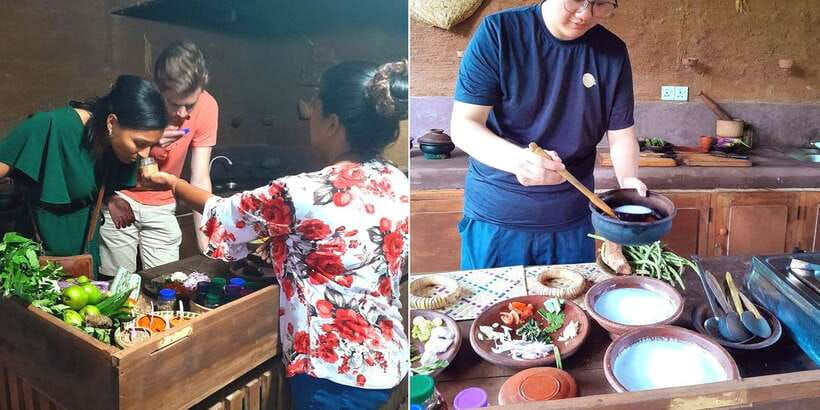
This cooking class is a strong match if you want:
- hands-on instruction and real participation
- a market-to-kitchen experience instead of only cooking
- a meal included that’s tied to what you made
- an English-speaking instructor
It’s also a good option for couples. One of the joys is the homely, family atmosphere—something that doesn’t feel like a crowded group activity.
If you’re traveling with a wheelchair or you’re bringing kids, the listing notes it’s wheelchair accessible and that children must be accompanied by an adult. For everyone else, just plan for walking and kitchen comfort.
If you’re the type of traveler who wants famous monuments and lots of photos every 10 minutes, this may feel too food-focused. But if you care about understanding local flavors, it’s exactly the right trade.
Should You Book This Kandy Village Cooking Class?
Yes, I think you should book this if you want a short, hands-on way to learn Sri Lankan cooking basics—especially if you like the idea of choosing vegetables at the market and then eating 12 dishes you helped make.
Skip it if you don’t want to travel to Pilawala on your own, or if you’re allergic or restricted and you haven’t arranged vegetarian needs in advance. With the right prep, though, this is one of the more practical and memorable ways to spend a few hours in the Kandy area.
FAQ
How long is the Kandy Village Cooking Class?
It lasts 3 hours.
What’s included in the experience?
You get a 12 dishes menu, hands-on cooking, a local market tour, all cooking ingredients, lunch or dinner with the dishes you prepare, and a recipe booklet.
Is hotel pickup and drop-off included?
No, hotel pickup and drop-off aren’t included.
Is the class taught in English?
Yes, the class is conducted in English.
Are vegetarian options available?
Yes. Vegetarian options are available, and you should inform the provider in advance.
Where is the meeting point?
The meeting point is Kandy Village Cooking Class, no.38 Pilawala, Kandy, Pilawala 20196, Sri Lanka.
Who should attend if traveling with children?
Children must be accompanied by an adult.
What should I wear?
Wear comfortable clothing and shoes suitable for both cooking and walking.
Quick Booking Decision
Book if you want a focused food lesson with a market tour and a meal included. If you’re relying on a driver or need pickup, plan ahead since transport to the meeting point isn’t included.