Wild elephants and a baby-feeding moment in one day.
This is a half-day style trip that mixes a Udawalawe National Park jeep safari with a close-up visit to the Elephant Transit Home. I really like the practical flow here: long enough to see real wildlife, short enough that you’re not stuck for ages away from the coast. You also get round-trip hotel pickup from Tangalle/Hiriketiya, which matters when you’re traveling without a car.
Two things I love: first, the chance to spot multiple animals from the jeep, including elephants plus crocodiles and other species you’d otherwise miss. Second, the feeding session is timed and limited (about 30 minutes), so it feels purposeful instead of rushed. One thing to think about: park entrance fees aren’t included, and one driver transfer example ran late by over an hour, so you’ll want a bit of flexibility.
In This Review
- Key Points I’d Plan Around
- Tangalle/Hiriketiya Pickup to Udawalawe: How the Day Actually Starts
- Elephant Transit Home Feeding: The Part That Feels Most Human
- Udawalawe National Park Safari by Jeep: The Animal-Spotting Payoff
- What the Guide Adds: More Than Just Driving Around
- Timing and Comfort: What 7 Hours Really Means
- Animals You Can Expect (and Why Elephant Focus Still Matters)
- Price and Value: Is $67 Fair for What You Get?
- Practical Tips That Make the Day Smoother
- The Main Drawback: Timing Can Slip, So Stay Flexible
- Who This Tour Fits Best
- Should You Book Udawalawe Safari Plus Elephant Transit Feeding?
- FAQ
- FAQ
- Where do you start, and do you get hotel pickup in Tangalle/Hiriketiya?
- How long is the experience?
- What’s included in the tour price?
- Are park entrance fees included?
- How long do you spend feeding the baby elephants?
- What animals and wildlife might you see during the safari?
Key Points I’d Plan Around
- 30 minutes of baby elephant feeding at the Elephant Transit Home, scheduled during your drive day
- Udawalawe National Park jeep safari with a guide focused on finding wildlife
- Round-trip air-conditioned transport from Tangalle/Hiriketiya, so you don’t have to organize logistics
- Many animal types beyond elephants, including crocodiles, wild boars, and deer
- A clear language setup with an English live tour guide
Tangalle/Hiriketiya Pickup to Udawalawe: How the Day Actually Starts
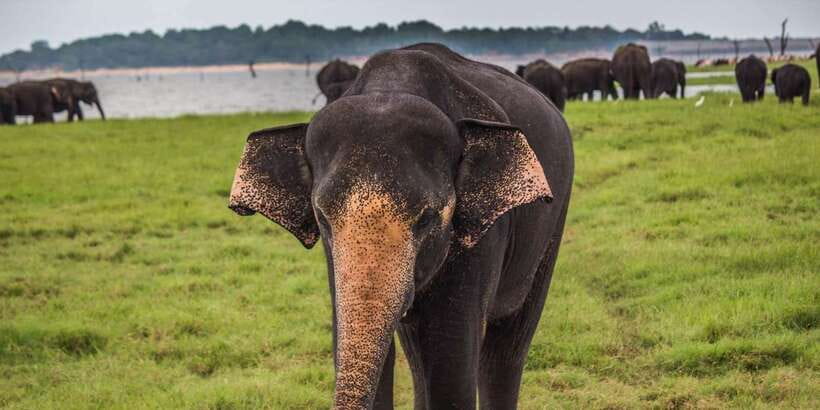
This tour is built for people staying in Tangalle or Hiriketiya who want an Udawalawe wildlife day without the hassle of arranging a driver and timing yourself. You start at your hotel area, then meet your driver and climb into an air-conditioned vehicle for the ride inland.
The drive time is about 2 hours each way. That doesn’t sound short, but it helps the experience: you’re not just doing a quick stop, you’re positioning yourself for the feeding window and then moving into the park when your day’s energy is still good. In one real-world example, the driver also planned a quick café-and-hoppers stop during the long ride, which can make the trip feel less like straight transit.
If you’re the type who hates delayed plans, keep this in mind: there’s at least one documented case where the transfer ran over an hour late. That doesn’t erase the value of the trip, but it does mean you should mentally budget for potential timing slippage, especially if your schedule is tight.
You can also read our reviews of more tours and experiences in Matara.
Elephant Transit Home Feeding: The Part That Feels Most Human
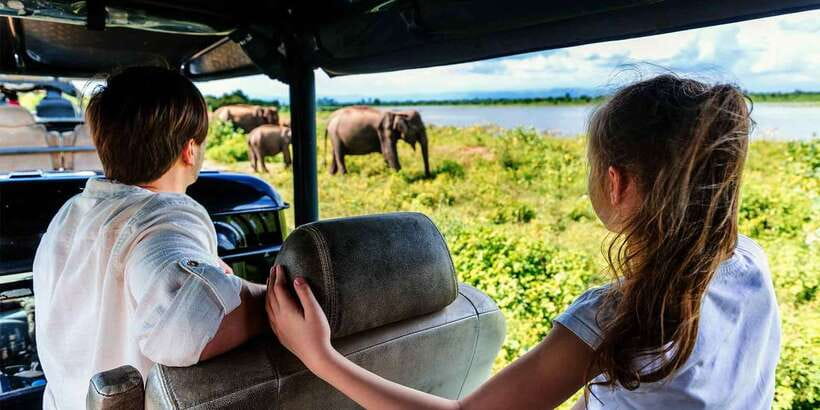
The Elephant Transit Home is where the tour earns its heart. You’ll drive about two hours from Tangalle/Hiriketiya to the transit home area, then you get around 30 minutes for the baby elephant feeding session.
This is the moment most people remember because it’s less about spotting and more about connection. Orphaned baby elephants are brought here as part of their care journey, and feeding time is one of the structured moments visitors can witness. It’s short by design, so you’ll want to treat it like a focused experience rather than a long hangout.
One detail that comes through clearly is timing. Feeding happens three times a day, and you’ll be there during one of those sessions. The trip works best when you accept that this is a window, not an all-day visit. Once the feeding ends, the day moves on—so wear clothes you’re happy to sit comfortably in for that half hour and bring something small to keep your attention on the moment instead of your phone.
Udawalawe National Park Safari by Jeep: The Animal-Spotting Payoff
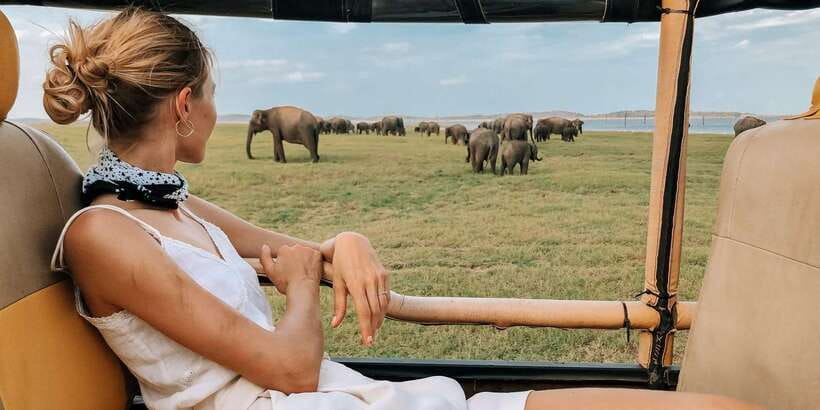
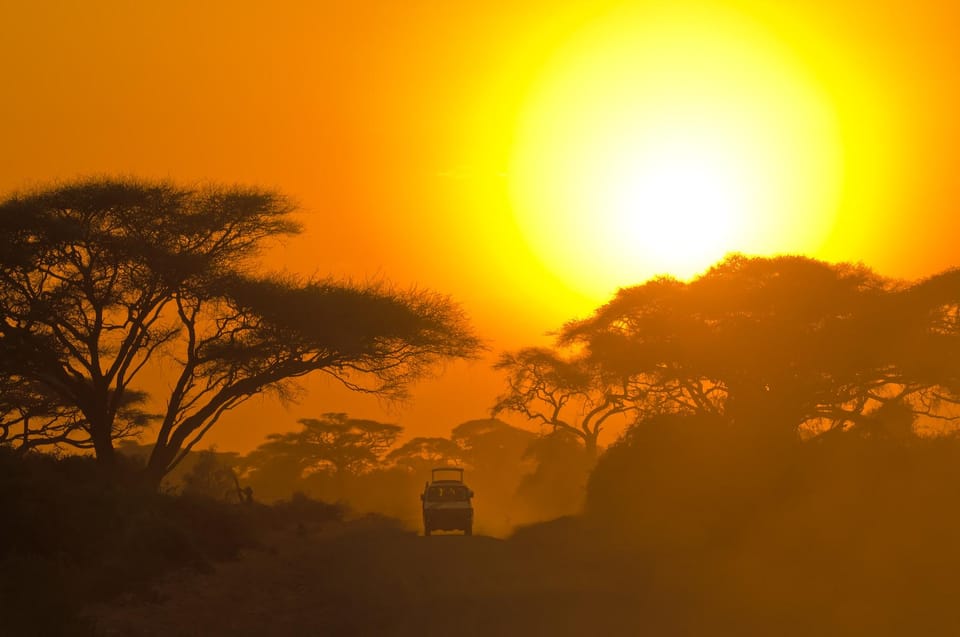
After the Transit Home visit, the tour heads into Udawalawa (Udawalawe) National Park for a jeep safari. This is the wildlife piece you’re paying for, and it’s where the guide makes a noticeable difference.
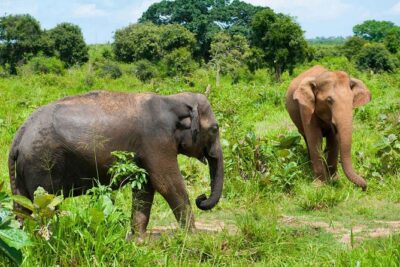
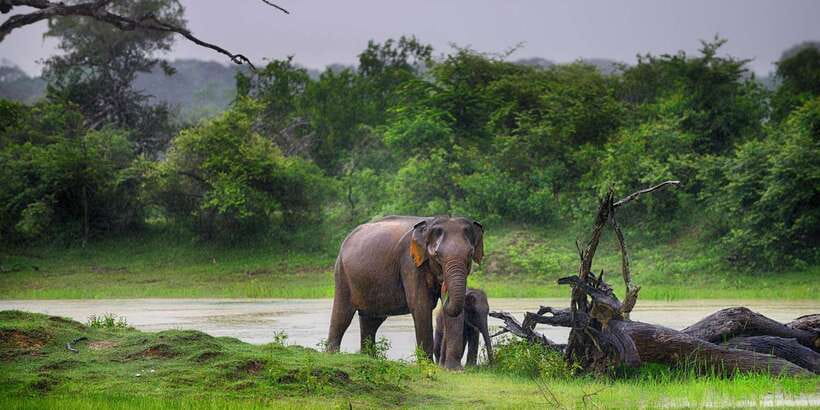
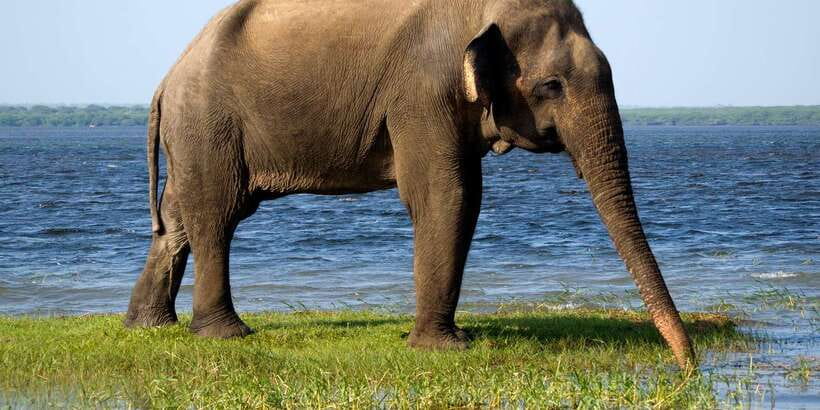
The park is known for sustaining large elephant numbers thanks to water sources. That matters because elephants are easier to see when the environment supports them consistently. From the jeep, you’re not just hoping for luck—you’re moving through habitats with a guide who’s actively helping you look.
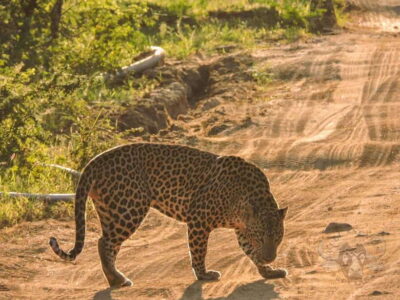
During the safari, you can have chances to spot a wide set of animals, including:
- Wild elephants
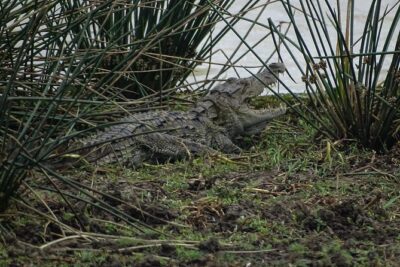
- Crocodiles
- Wild boars
- Sambars
- Barking deers
- Spotted deers
- Buffalos
- Hares and mongoose
- Plus other wildlife like a reported 30 species of snakes
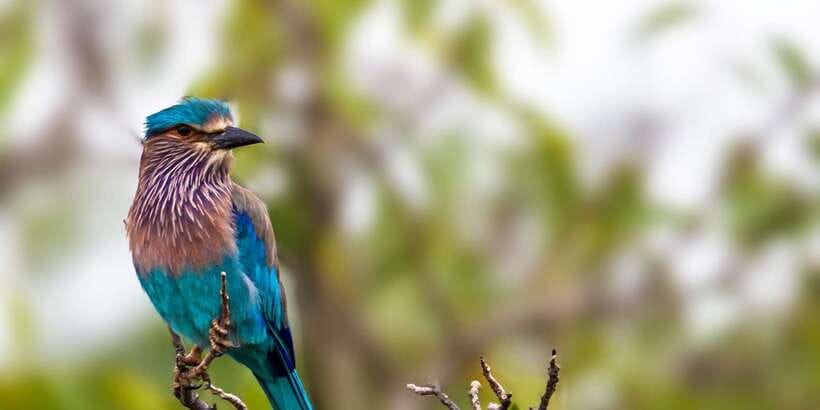
If that sounds like a lot, it’s because the park’s value isn’t only elephants. You can see smaller mammals, reptiles, and birds across different zones. The same safari also offers a chance to spot 50 species of butterflies and many bird species, which is a nice bonus if you enjoy the world beyond the biggest animals.
What the Guide Adds: More Than Just Driving Around
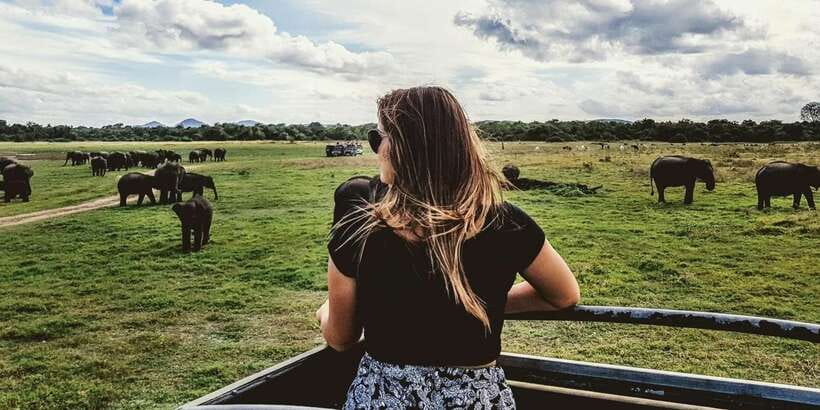
The tour includes a professional driver/guide and a live English guide. That matters in a park setting where animals can be far away or partially hidden. Good guidance helps you understand what you’re seeing and, more importantly, where to look next.
A pair of guide names show up in real experiences: Pathum and Shira. When someone is paying attention to the details—like pointing out species and explaining behaviors—you’re not just watching from the seat. You’re learning how to read the landscape and animal patterns quickly, which makes every sighting feel more meaningful.
Even if you’re not a wildlife expert, you’ll likely appreciate the way explanations turn a random sighting into a story: what the animal is doing right now, why it’s there, and what to watch for as you move on. The guide’s job is basically translating Sri Lanka’s wildlife behavior into something you can notice in real time.
Timing and Comfort: What 7 Hours Really Means
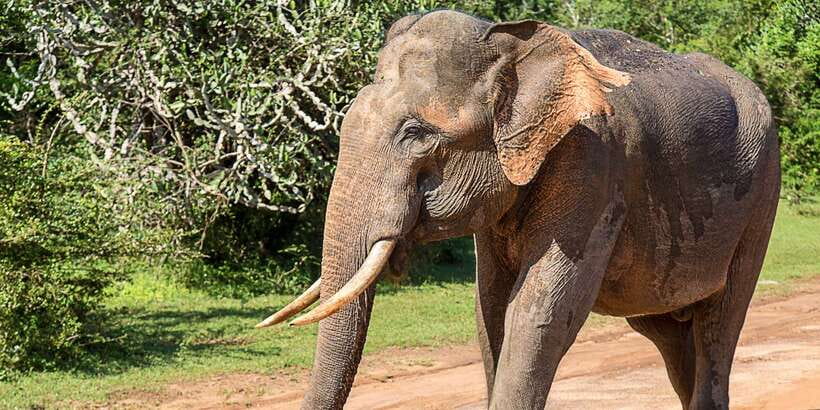
The advertised duration is 7 hours. With hotel pickup, the drive to the Transit Home, the feeding window, the safari, and the return transfer, that timeline makes sense.
Here’s how I think about it for your planning:
- The 2-hour ride sets the pace. You’ll want water and something simple to snack on.
- The 30-minute feeding is scheduled. Be mentally ready when you arrive.
- The jeep safari is the high-attention block. You’ll get the best experience if you keep your eyes up and avoid distractions.
- The return drive is your wrap-up. If you’re heading back to a beach evening, you’ll likely arrive with enough time to shower and eat, but don’t plan anything too ambitious immediately.
Also, the vehicle is air-conditioned, which helps comfort during the road segment. That’s not a luxury detail; in Sri Lanka’s heat, it changes how you feel when you step out for the feeding and safari viewing.
Animals You Can Expect (and Why Elephant Focus Still Matters)

Udawalawe is famous for elephants, and this tour leans into that well. But what I like is that it doesn’t reduce the experience to elephant-only sightseeing. You get opportunities for a mix of wildlife.
Here’s a helpful way to frame it: if you’re hoping for elephants, you’re in the right place. If you’re also curious about reptiles, birds, and smaller mammals, the safari’s scope gives you more chances to enjoy the day even when any single species is less cooperative.
A few species named for the park experience include:
- Crocodiles, which are a great reminder that this is a wet-adjacent ecosystem even when you’re in open savannah-like settings
- Deer species, like barking deer and spotted deer
- Wild boars and other medium mammals
- Snakes, listed as 30 species, which signals how much you might notice if your guide points them out
On top of that, the park offers butterfly viewing and many bird species. That’s a win if you like photography that’s not only about huge animals.
Price and Value: Is $67 Fair for What You Get?
At $67 per person, this tour sits in the “good value” category for the combination you’re getting. You’re paying for:
- Round-trip transport from Tangalle/Hiriketiya
- Jeep safari inside Udawalawe National Park
- Elephant Transit Home visit for a set-feeding window
- A professional driver/guide and English live tour guide
The one cost detail you must plan for: entrance fees to Udawalawe National Park are not included. That can shift the final total, but it’s still a straightforward setup since you’ll know what portion is extra.
Where the value really shows is the time saved. Organizing a Tangalle/Hiriketiya to Udawalawe safari trip on your own means sorting transport, timing, and finding a jeep safari at the right moments. Here, it’s bundled. You’re essentially buying convenience plus a guided wildlife day.
If you’re comparing options, I’d think less about price per hour and more about what’s included: transport + safari vehicle + guide + elephant feeding time. Most single-activity tours don’t deliver all of that.
Practical Tips That Make the Day Smoother
A wildlife day goes better when you plan for comfort and attention. Based on what’s included and how the day is structured, here’s what I’d do:
- Bring water for the car ride. You’re in transit for hours total.
- Wear light, breathable clothing and consider long sleeves if you’re sensitive to sun.
- Use comfortable shoes for standing during feeding and moving around observation areas.
- Charge your phone, then turn down the obsession. The best moments happen when you look with your eyes first.
- Bring small snacks only if allowed by your situation. One stop for coffee and hoppers shows that breaks can happen, but you don’t want to assume you’ll have time for a full meal.
And keep expectations realistic: wildlife sightings aren’t cinema. You’re increasing odds by using a jeep safari with a guide, not guaranteeing every animal at close range.
The Main Drawback: Timing Can Slip, So Stay Flexible
The tour is clearly organized for a smooth flow, but one recurring practical concern shows up: transfers can run late. In one documented case, the transfer was over an hour late.
That means if you’ve booked a tight dinner reservation or a bus you absolutely can’t miss, build in buffer time. If your schedule is flexible—say you’re staying in Tangalle/Hiriketiya and the rest of your day is open—this won’t feel as stressful. It’ll read as part of the adventure of Sri Lanka travel logistics.
Also remember the park entrance fees are separate, so have extra cash or payment plan readiness for that final add-on.
Who This Tour Fits Best
This is a great match if you:
- Want a wildlife-focused day without dealing with driving and safari coordination
- Like the idea of seeing elephants in two different contexts: baby feeding at the Transit Home and wild viewing in the national park
- Prefer an English-speaking guide and an organized pickup/drop-off routine
- Are staying near Tangalle or Hiriketiya and want a full nature day trip
It’s also a good pick if you’re not trying to do ten stops in one day. The structure is clear: drive, feeding window, jeep safari, then return.
Should You Book Udawalawe Safari Plus Elephant Transit Feeding?
I think you should book it if you want your time to count in Udawalawe and you value a plan that includes both elephant care exposure and a guided jeep safari. The $67 price feels reasonable once you factor in transport, safari, and the transit home visit—and the English live guide makes the experience easier to enjoy rather than just watch.
Don’t book it if you can’t handle extra costs for entrance fees or if your schedule is ultra-tight and you can’t tolerate possible lateness. If you’re flexible and ready for a long but worthwhile wildlife day, this tour is the kind that turns a country trip into a memory you can explain to friends.
FAQ
FAQ
Where do you start, and do you get hotel pickup in Tangalle/Hiriketiya?
You start from the Tangalle/Hiriketiya area and get hotel pickup and drop-off included as part of the tour.
How long is the experience?
The total duration is 7 hours.
What’s included in the tour price?
The tour includes air-conditioned transport, hotel pickup and drop-off, a jeep safari at Udawalawe National Park, a visit to the Elephant Transit Home, and a professional driver/guide with English live tour guidance.
Are park entrance fees included?
No. Entrance fees to Udawalawe National Park are not included.
How long do you spend feeding the baby elephants?
You have about 30 minutes for the baby elephant feeding session at the Elephant Transit Home.
What animals and wildlife might you see during the safari?
You’ll have a chance to see wild elephants plus other animals such as crocodiles, wild boars, buffalos, sambars, deer (including barking and spotted deers), hares, mongoose, and also 30 species of snakes. The park also has many bird species and 50 species of butterflies.