Six hours in Kumana can pay off fast. This private jeep safari is built for you and your small group (up to 6), with bottled water included to help you stay comfortable while you’re searching for wildlife. One thing to plan for: national park entrance fees aren’t included, so your total cost will be a bit higher than the headline price.
What I like most is how practical it feels from the start. You get flexible pickup at your door, and that matters in Sri Lanka because it removes a chunk of “where do we start?” stress before you even reach the park. It’s also a solid bird-focused destination, especially around the park’s mangrove swamp area called Kumana Villu.
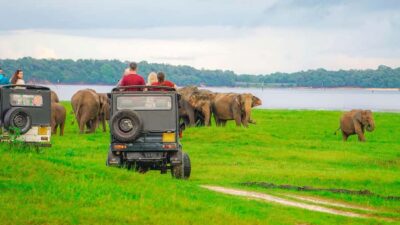
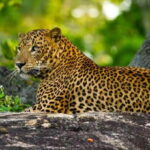
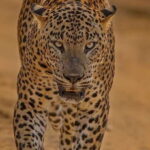
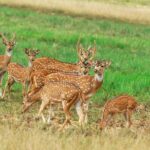
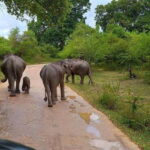
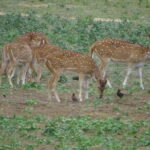
Finally, this safari is all about seeing animals by moving through the park in a jeep, not just standing around. You’ll be looking out for jackals, elephants, leopards, and even the endangered wetland fishing cat—plus lots of birds, including species tied to nesting periods in the swamp.
In This Review
- Key Highlights at a Glance
- Why a private jeep safari in Kumana works so well
- Getting to Kumana: door pickup and a 6-hour wildlife rhythm
- Kumana National Park: the bird-breeding Kumana Villu and more
- What you might see: birds, elephants, leopards, and the fishing cat
- How the guide matters—and how you can help your chances
- Cost and what you should budget for (including park entry)
- When to go for birds: May–June nesting at Kumana Villu
- Who this safari suits best (and who might want another plan)
- Should you book this Jeep Safari at Kumana National Park?
- FAQ
- How long is the jeep safari in Kumana National Park?
- How many people are in the group?
- Is pickup included?
- What is included in the price?
- Are national park entrance fees included?
- Do I need to print tickets?
- What wildlife might I see?
- Is good weather required?
- When should I book?
- What is the cancellation policy?
Key Highlights at a Glance
- Private jeep time for just your group (up to 6), so you won’t be squeezed into a big crowd
- Bottled water included, which is simple comfort you’ll really notice on a long wildlife hunt
- Door pickup keeps the day efficient, especially if you’re staying around Arugam Bay
- Kumana’s bird-and-mammal mix, with Kumana Villu and other habitats that bring activity
- High chance of standout sightings, including reports of leopards and more from recent trips
Why a private jeep safari in Kumana works so well
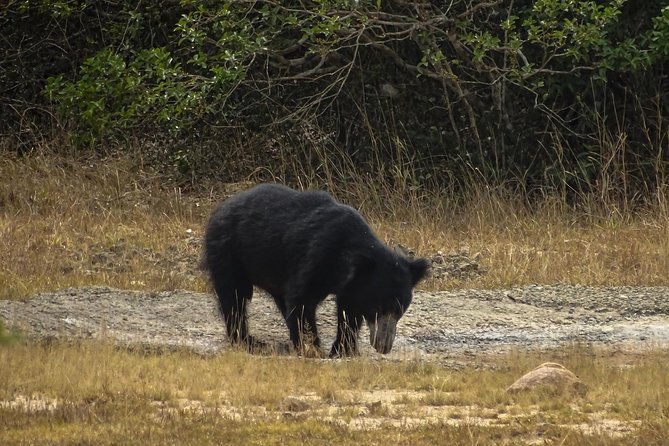
Kumana National Park is the kind of place where timing and position matter. A private jeep format helps because you’re not waiting for a large vehicle queue or trying to view wildlife over other people’s shoulders. You move as a unit, you can spend time at the best spots, and your guide can adjust as the day changes.
Another strong point here is the small-group size. Up to 6 people means the ride stays manageable and your guide can focus on spotting, tracking, and explaining what’s happening. In places like this, animals don’t read timetables. They show up—or they don’t. What you can control is how quickly you can reach the areas where activity tends to be higher.
The bottled water inclusion also isn’t a throwaway detail. Six hours in the open can wear you down, and staying hydrated helps you concentrate when something moves in the brush. Safari days are 70% waiting and watching, and when you’re alert, you catch the signals that lead to better sightings.
You can also read our reviews of more tours and experiences in Sri Lanka.
Getting to Kumana: door pickup and a 6-hour wildlife rhythm
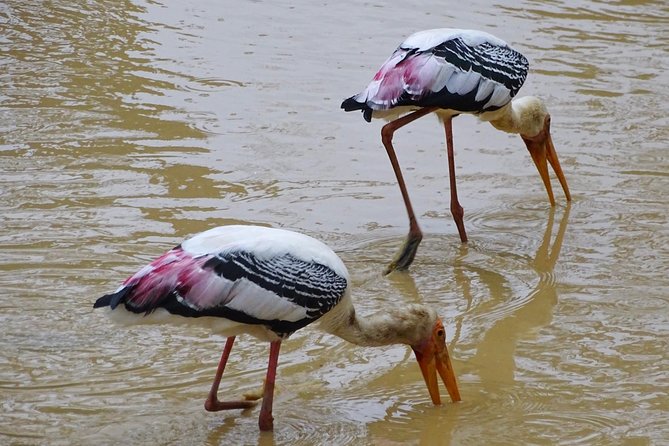
This is set up as a smooth, around-the-park day. You’ll have pickup offered from your door, which makes a big difference if you’re staying in or near Arugam Bay and don’t want to spend extra time coordinating transport.
The safari itself runs about 6 hours (approx.). In practice, that’s a nice length for a wildlife outing because you’re not rushed. You can do the slow scanning that animals require—especially for birds—while still having time to cover enough ground to make the day feel worthwhile.
Also, you’ll receive a mobile ticket, so you don’t need to juggle paper confirmations. That’s just convenient, particularly if your day starts early.
Kumana National Park: the bird-breeding Kumana Villu and more
Kumana is an important area in Sri Lanka for birds, and the park’s size (about 35,664 hectares) helps explain why it’s such a popular birdwatching target. The park includes different habitats, from open areas to wetlands and mangrove zones.
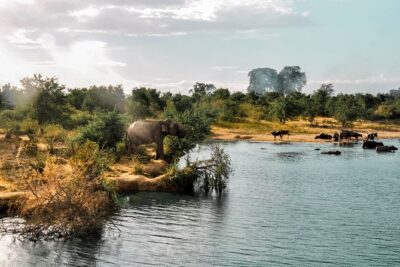
One of the most interesting features is Kumana Villu, a 200-hectare mangrove swamp inside the park. It can be occasionally inundated with sea water, and this swamp is where many water birds nest. The months of May and June are especially relevant for nesting activity.
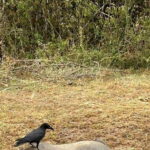
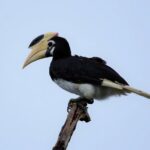
Sri Lanka is home to more than 430 bird species. In Kumana, you can often observe over 200 species more easily than in many other places—partly because Kumana has the wetland and nesting conditions birds depend on. So even if big mammals take their time, the birds can keep the day lively.
What I like about Kumana as a destination for a jeep safari is that it isn’t only about one thing. You’re not forcing yourself to choose between “birds” or “mammals.” The park gives you both, and a good guide can help you notice what’s worth your attention in each moment.
What you might see: birds, elephants, leopards, and the fishing cat
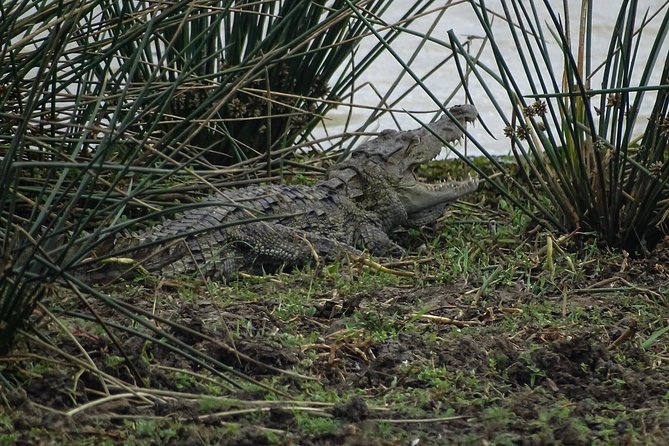
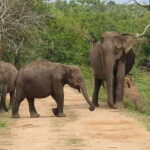
The safari description points you toward a mixed wildlife menu: jackals, elephants, leopards, and the endangered wetland fishing cat. That last one is the sort of animal that makes bird-and-wildlife days special, because it ties directly to wetland habitats and dense cover.
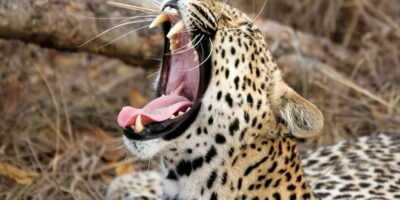
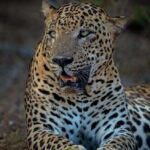
And the most glowing reports include big names and variety. Recent experiences include sightings of a sleuth bear, crocodiles, wild pigs, and leopards, along with an array of birds and other wildlife. One highlight that comes up clearly is the chance of seeing two leopards, which is the kind of moment that turns a normal safari day into a story you’ll retell later.
A quick reality check (the useful kind): wildlife sightings aren’t guaranteed. But a jeep safari helps because it increases how much of the park you can realistically cover in your time window, and it gives your guide a chance to track signs and react when something is spotted.
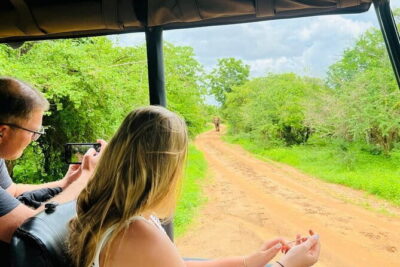
If you care about photography or just plain good viewing, the jeep format usually gives you better reach and faster relocation than walking—so you can see more, and you spend less time doing the “did we just miss it?” dance.
How the guide matters—and how you can help your chances
On a safari, a guide’s job isn’t only to point at animals. It’s to help you notice them when they’re easy to miss: movement in tall grass, a shape half-hidden in shade, or birds behaving as if something is nearby. The reports here consistently describe guides who spot a lot and know the good spots to try.
So how do you help, as the passenger? Keep your routine simple:
- Stay ready with your phone/camera settings and keep them accessible
- Ask quick questions when you pause (what are you watching for right now?)
- Follow your guide’s advice on where to sit or how to watch
Also, treat the day like a patience sport. Birds may be active in pulses, and mammals can appear when you least expect it. If you’re scanning with intent instead of checking out mentally, you’ll get more out of every stop.
Cost and what you should budget for (including park entry)
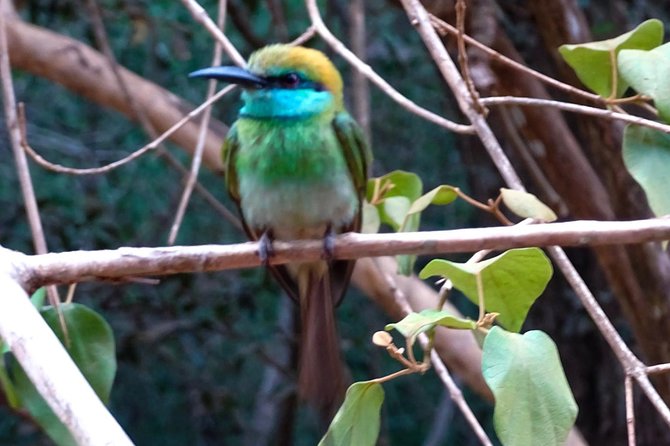
The price is $100 per group (up to 6). That’s a meaningful detail: you’re not paying per person in the way many safari-style tours do. For a small group, this format can be good value because the cost spreads out.
But remember: entrance fees to the national park aren’t included. That’s the one line item that can change your final budget. Before you go, estimate that entry fee in addition to the $100 group price, so you’re not surprised at check-in.
Where this tour tends to score well on value is in what’s included: private transportation plus bottled water. You’re paying for the experience of being driven through the park with a guide’s spotting help, not just for a ride.
If you’re traveling solo, the group-price logic may make you less satisfied than if you can share the cost with friends or family. If you can fill the group, it usually feels more like a tailored day than a budget tour.
When to go for birds: May–June nesting at Kumana Villu
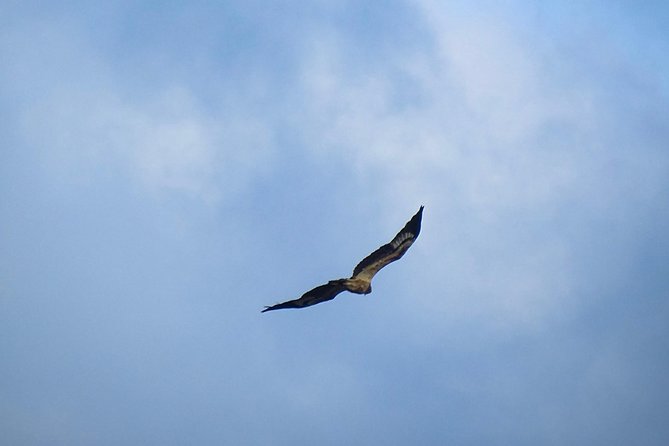
If your focus is birds, timing can matter. The park’s Kumana Villu mangrove swamp is tied to nesting water birds, especially around May and June. In those months, you’re more likely to see behavior linked to nesting—birds using the habitat in ways that make birdwatching more productive.
Even outside nesting season, Kumana is still about wetland ecology and bird activity, so you’ll likely see plenty. But if you can plan around the nesting window, the park’s habitat story becomes more vivid.
One practical tip: dress and plan for changing conditions. The tour requires good weather, and on wildlife days, comfort affects your ability to stay alert. Bring what you need for heat and time outdoors, and consider light layers because weather can shift.
Who this safari suits best (and who might want another plan)
This jeep safari is a strong fit if you:
- Want a small private group instead of a big group scramble
- Care about birds as well as bigger wildlife
- Prefer seeing more ground in fewer hours rather than walking-only routes
- Are staying near Arugam Bay, where this kind of day trip can slot neatly into a schedule
It’s also a good match if you want a guide actively improving your odds—leopard sightings, for example, are exactly the sort of thing you hope for when someone is steering you toward the right spots.
It may be less satisfying if you want a long, slow wildlife experience with lots of stops for walking. This is about jeep coverage and spotting during limited time. For people who dislike vehicle rides or want minimal time in open-country heat, you might consider other wildlife options that fit your style.
Should you book this Jeep Safari at Kumana National Park?
Book it if you want a straightforward, small-group safari that prioritizes action. The combination of private jeep transport, door pickup, and a bird-and-mammal park like Kumana is a strong recipe for a memorable day.
I’d especially recommend it if you’re chasing a mix of sightings—birds for steady interest, and the real “wow” animals when the park decides to show off. The high scores and standout reports (like leopards and other mixed wildlife) are a good sign that this guide-supported format can pay off.
Just go in with one budgeting heads-up: add the national park entrance fee to the $100 group price. Once you plan for that, you can focus on the only thing that matters on a safari day—staying sharp, hydrated, and ready when something moves.
FAQ
How long is the jeep safari in Kumana National Park?
It runs for about 6 hours (approx.).
How many people are in the group?
It’s a private tour for just your group, up to 6 people.
Is pickup included?
Yes. Pickup is offered and the tour can start from your door.
What is included in the price?
Private transportation and bottled water are included.
Are national park entrance fees included?
No. Entrance fees to the national park are not included.
Do I need to print tickets?
No. A mobile ticket is used.
What wildlife might I see?
You may see jackals, elephants, leopards, and the endangered wetland fishing cat, along with many birds.
Is good weather required?
Yes. If it’s canceled due to poor weather, you’ll be offered a different date or a full refund.
When should I book?
On average, it’s booked about 7 days in advance.
What is the cancellation policy?
You can cancel for free up to 24 hours in advance for a full refund.