A dawn drive into Yala is the quickest way to feel Sri Lanka’s wild side. This safari is built around leopard peak hours (dawn or dusk), with a small-group setup and licensed 4×4 driving in the park, so you’re not just driving around—you’re there at the time leopards are most likely to show themselves. I like that you also get time for birds and other animals, not only the big-cat chase. A 7.5-hour day can still feel like a full wildlife chapter.
Two things I really like: the schedule targets those short windows when sightings happen, and the safari vehicle setup gives you a wide, practical view from the start. One thing to consider: Yala can get crowded with many jeeps when animals are spotted, so even with a great guide, you may spend time waiting at the best sighting spots.
In This Review
- Key highlights that matter in real life
- Why Yala’s dawn-and-dusk timing changes your odds
- Getting there: the early pickup and the shared-ride reality
- Game drive 1 (around 6:00–about mid-morning): what you’re really doing
- The Patanangala break: a pause that keeps you watching
- Game drive 2 (shorter, later): second chances before you head out
- Wildlife you can realistically focus on (not just leopards)
- The guides and vehicles: why the 4×4 setup matters
- The crowd reality in Yala (and how to handle it)
- Price and value: what $61 really buys you
- Who should book this Yala safari, and who should skip it
- Should you book this Yala safari?
- FAQ
- What time does the morning safari pickup start?
- Is there an afternoon option instead of dawn?
- How many game drives are included?
- What’s included in the safari vehicle experience?
- Are meals included, or can I add breakfast and lunch?
- Is the Yala National Park entrance fee included in the price?
- How do I pay the entrance fee if I’m not carrying rupees?
- How big is the group?
- Is this safari suitable for everyone?
- Is free cancellation available?
Key highlights that matter in real life
- Dawn or dusk timing for the best shot at elusive Sri Lankan leopards
- Two game drives (one longer, one shorter) with a break at Patanangala inside the park area
- Toyota Hilux 4×4 vehicles with individual seating and a 270-degree view
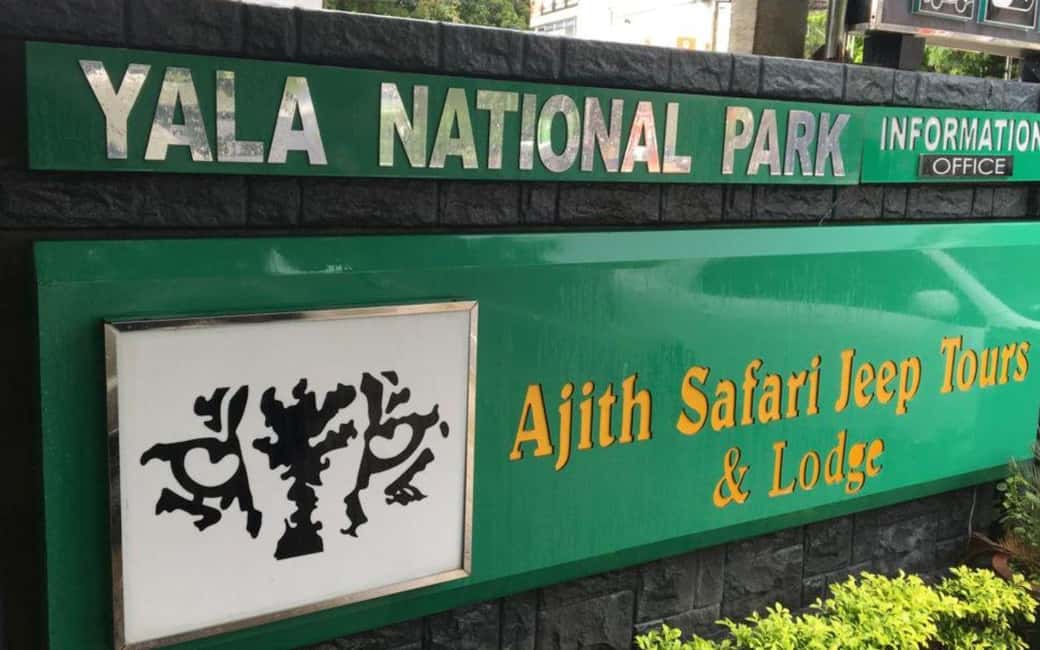
- Licensed safari operations run by Ajith Safari Jeep Tours (30+ years, authorized in Yala)
- Small group size, limited to 12 participants, on shared vehicles
Why Yala’s dawn-and-dusk timing changes your odds
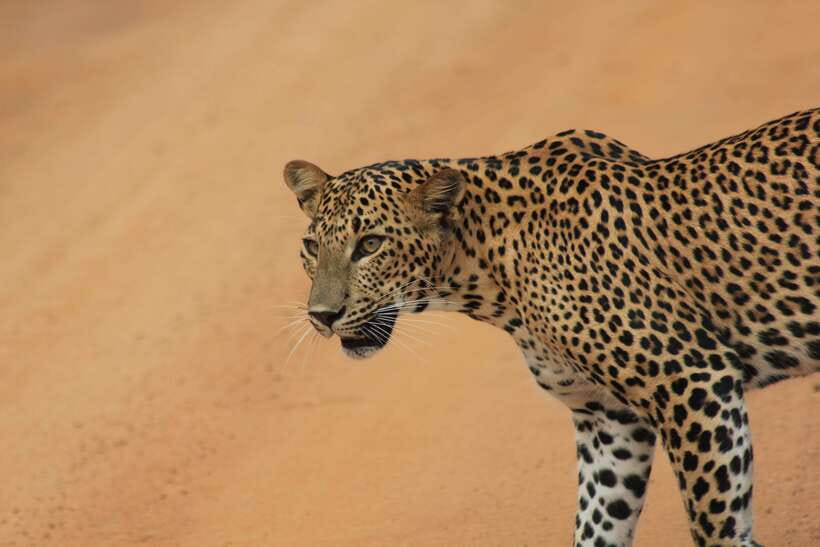
Yala National Park is famous for one animal in particular: the Sri Lankan leopard, a native subspecies that many people travel for. The key detail here is not just that Yala has leopards—it has a reputation for very high leopard density, with around a hundred individuals noted for the park. In other words, it’s one of the better places on earth to even attempt a leopard sighting.
But even in Yala, timing is everything. This safari aims to be in the park during the best two-hour periods of the day, either dawn or dusk. That matters because leopards (and the prey that attracts them) are more likely to be active when the light is softer and temperatures are manageable. Your guide’s job is then to read tracks, understand where animals usually move, and position you when the chances are higher.
This is also why I like that the safari includes two separate drives. One longer drive helps you cover more ground and learn the day’s “pattern.” The second drive gives you a fresh shot if the first drive didn’t deliver the big cat moment you wanted.
You can also read our reviews of more tours and experiences in Matara.
Getting there: the early pickup and the shared-ride reality
Your day starts with one of the most intense things about safari travel: the alarm. For the morning safari, pickup is around 3:30 a.m. from hotels around Hiriketiya, Tangalle, Dikwella, Rekawa, Nilwella, and Mawella (plus nearby areas listed). For an afternoon option, you can choose pickup around 12:00 p.m. (if you want lunch first) or 12:30 p.m. (if you don’t).
You ride in an air-conditioned car or minivan with luggage space, and it’s on a sharing basis. That sounds simple, but it affects timing: your exact departure and arrival will adjust a bit depending on where other guests are picked up and dropped off.
Here’s a practical benefit I appreciate: once you reach Tissamaharama, you switch to the shared safari vehicle. You can safely leave your luggage in the taxi while you’re out in the park. That keeps your morning from turning into a luggage juggling act on rocky ground.
Also note the route logistics inside the program: you’ll get out at the Tissamaharama point and the meals setup (if you add them) is handled at the operator’s office. Then you board the safari vehicle at about 5:30 a.m., with the first game drive beginning around 6:00 a.m..
Game drive 1 (around 6:00–about mid-morning): what you’re really doing
The first drive is where the day’s first chances concentrate. The safari program plans a guided tour + game drive + wildlife viewing for roughly two hours during the earlier part of the morning. This timing aligns with the “active light” window for leopards and many other animals.
A strong guide matters here. The operation emphasizes a driver cum guide who can explain animal behavior and habitats, which changes how you watch. Instead of just scanning, you start thinking like the guide: where animals are likely to move, how water and shade shape routes, and why birds often react before mammals appear.
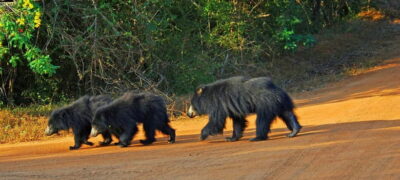
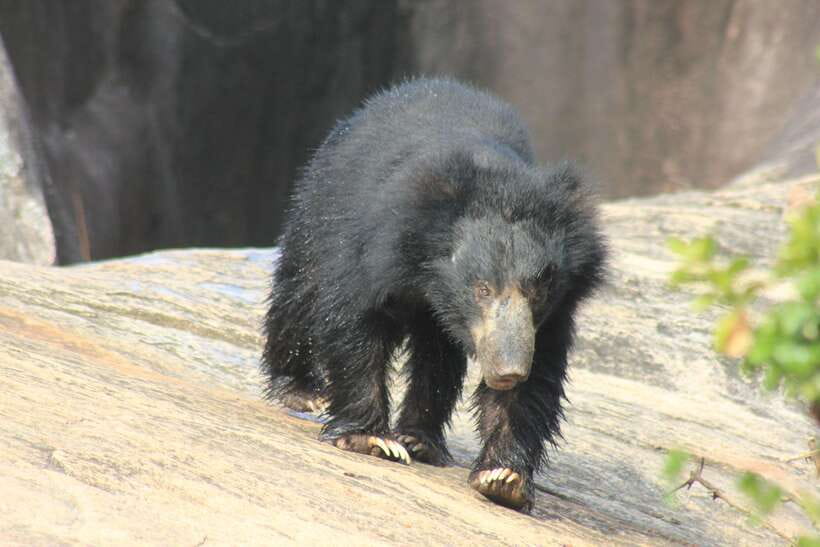
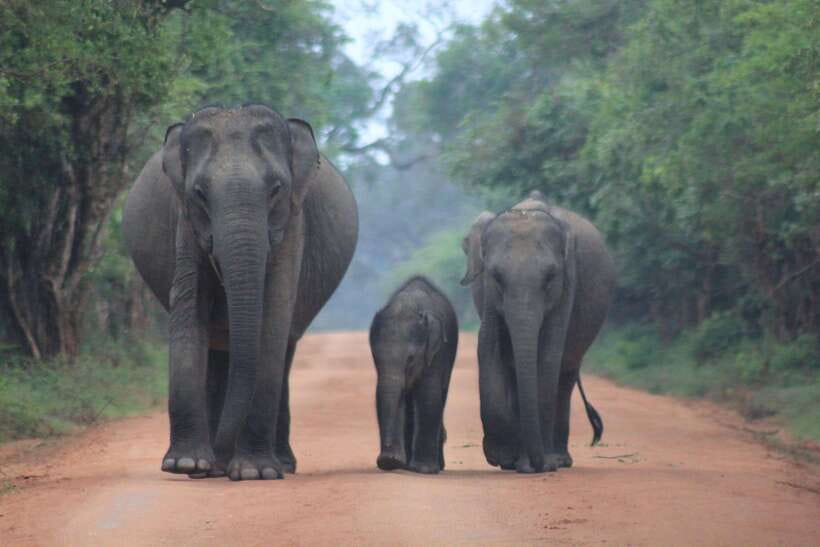
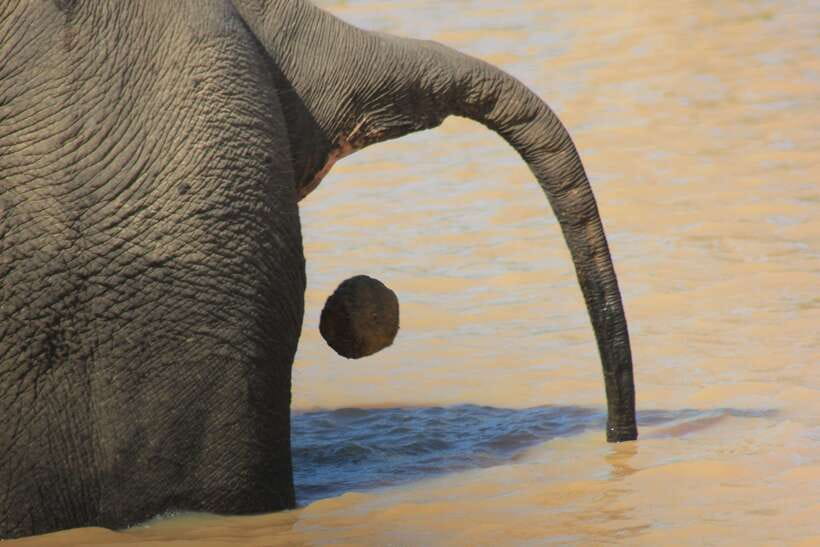
What you may spot isn’t limited to leopards. This area is also known for other wildlife such as elephants, crocodiles, sloth bears, and buffaloes, and the birdlife can be a major highlight on its own. Even when leopards don’t show, the first drive can still feel like a real wildlife survey—tracks, calls, sightings at different distances, and that constant “something just changed” feeling.
The Patanangala break: a pause that keeps you watching
After the first drive, there’s a break at Patanangala inside the Yala National Park area (about 20–30 minutes). This is your chance to regroup, and in the morning it’s also where you can grab breakfast if you add it.
Why I think this stop is more than a break: it’s a chance to reset your eyes and attention. Safari mornings can blur together if you never slow down. A short pause helps you notice birds and smaller behavior you might miss when you’re only focused on scanning for one big animal.
If you did not add breakfast, you still get the breathing space. If you did add it, breakfast is offered as a picnic-style option (for morning safaris) at an additional USD 8 per person. Payment for meals is handled as part of the setup at the Tissamaharama office when you arrive.
Game drive 2 (shorter, later): second chances before you head out
The second game drive is about one hour and runs after the Patanangala pause, ending around 9:30 a.m. From there, you get back out at Tissamaharama around 10:00 a.m., and the program aims to drop you off around 11:30 a.m.
That “shorter second drive” is worth understanding. It’s not because the park is finished—it’s because your day needs structure. The earlier drive gives you time to search and build context. The later drive is your shot at the animals that show up after a morning shift: movements that take a bit longer, animals that wait until the light and noise settle, and any lucky timing that clicks.
In the real world, this second drive can go two ways: you either find the moment you hoped for, or you leave Yala with a long list of other wildlife sightings. Either outcome can still be a good safari day—just don’t treat the leopard sighting as guaranteed. That’s not how wildlife works.
Wildlife you can realistically focus on (not just leopards)
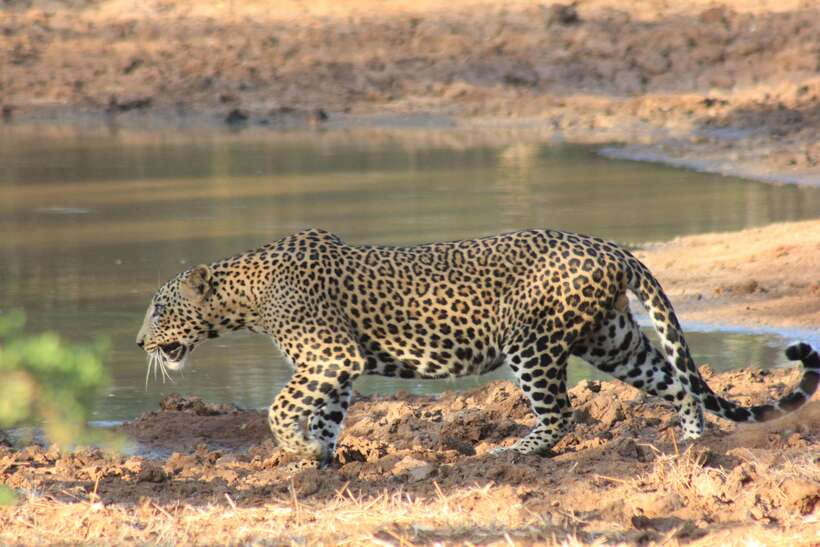
If your main goal is the leopard, you’ll be watching for signs: movement in cover, stillness followed by sudden motion, and the way predators can make birds go quiet or suddenly alert. The safari’s schedule is designed for this focus.
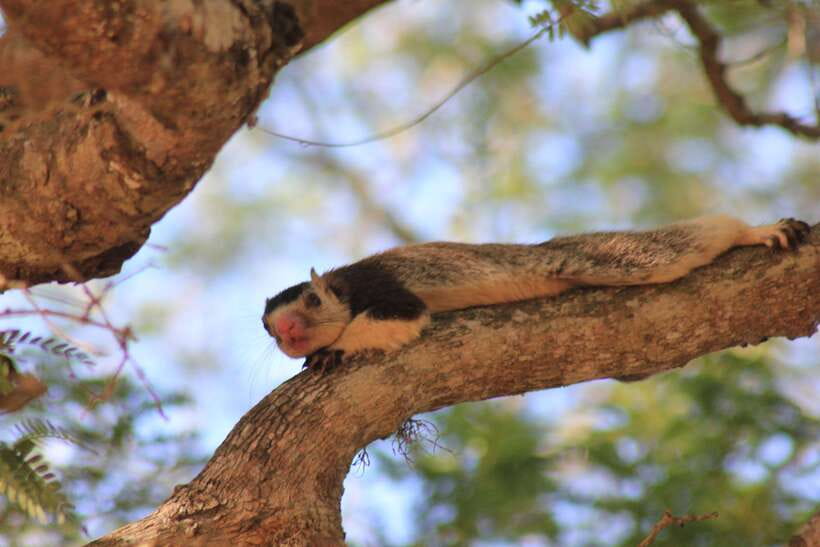
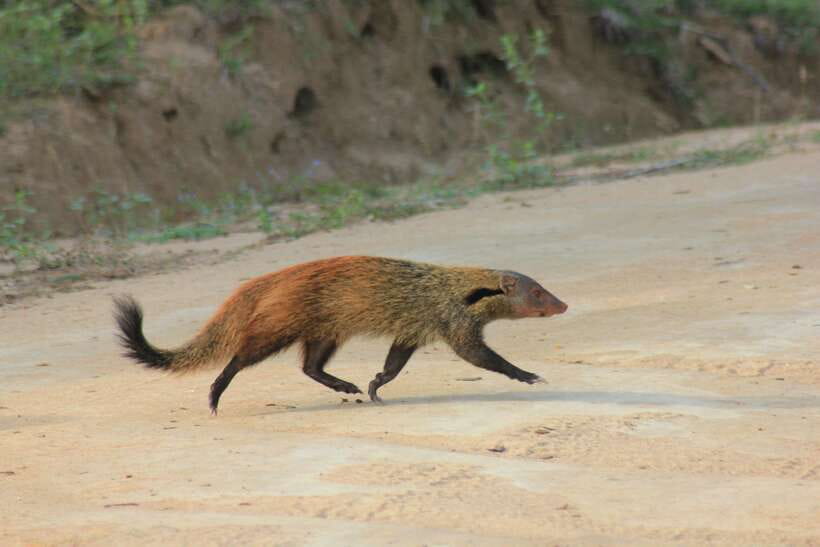
But I think the best safaris are the ones where you’re ready for more than one “win.” This route is set up for a wider wildlife mix, including:
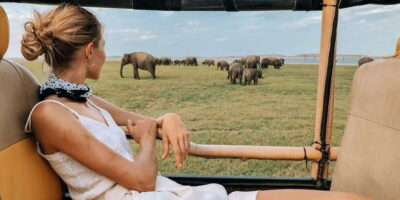
- Elephants: often seen in Yala’s open areas and near habitats that support grazing and watering patterns
- Crocodiles: you may see them when the guide spots the right water edges and conditions
- Sloth bears and buffaloes: can appear depending on where animals are active
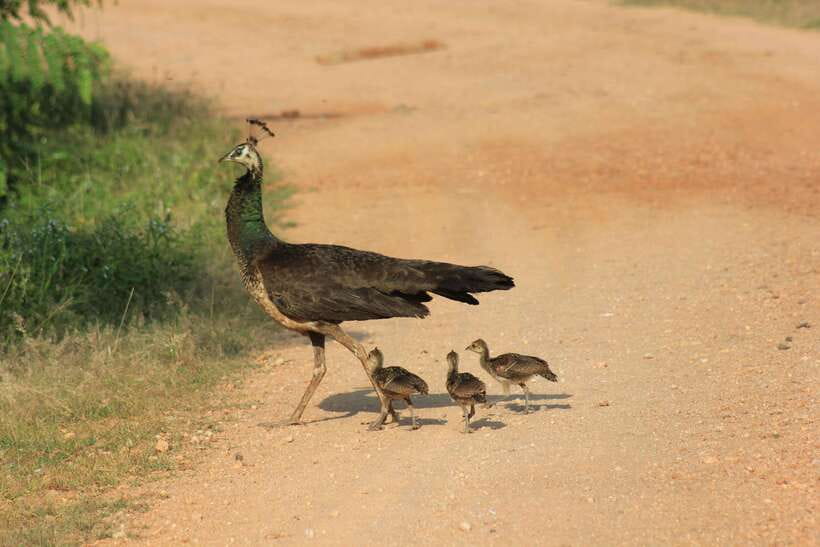
- Bird species: can be plentiful, and this is a place where birding can genuinely add joy even if the big cat doesn’t show
One review-based insight I carried into my expectations: some days are all about the leopard hunt, and some days you get something else excellent—like a leopard up a tree—while still seeing plenty of other animals. Even when leopards don’t show at all, the bird and mammal sightings can still make the day feel “complete.”
The guides and vehicles: why the 4×4 setup matters
This operator’s role is not just driving—it’s access and positioning. Ajith Safari Jeep Tours says it has been operating for 30+ years, is authorized to offer safari services in Yala National Park, and that its drivers have the special licenses issued by Sri Lanka’s Department of Wildlife Conservation.
That’s not marketing fluff. On rugged terrain, you want a vehicle that can handle off-road conditions safely, and you want a driver who understands how to navigate the park without losing time. This safari uses Toyota Hilux 4×4 vehicles with individual seats and a 270-degree view, which is practical for scanning from different angles rather than fighting for a single best spot.
You also get an English live guide. In my opinion, that’s the difference between watching “random wildlife” and learning how animals use the habitat you’re moving through. When you understand what you’re seeing, the whole safari becomes more memorable.
The crowd reality in Yala (and how to handle it)
Here’s the trade-off I’d rather you hear upfront: Yala can be crowded. When animals are spotted, many jeeps rush to the same area. That can turn leopard viewing into waiting—sometimes waiting a long time.
One experience noted Yala felt very overfilled, and to see a leopard they ended up standing in a line of jeeps for around an hour to get the view. That’s the safari version of a traffic jam at rush hour: it doesn’t mean the guide isn’t good—it means the park pulls attention fast when something happens.
How you make this better:
- Go in expecting possible waiting at sightings, not perfect free-flow driving
- Stay calm and keep your eyes moving—often movement attracts your own best chance
- Be flexible with expectations: the guide’s priority is positioning and safety, not “instant gratification”
If you’re the kind of person who needs empty roads and private nature time, this might feel less “solitary” than you imagine. If you’re okay sharing the experience for better odds, it’s manageable.
Price and value: what $61 really buys you
The listed price is USD 61 per person, and the tour duration is about 7.5 hours. From a value standpoint, this price is doing several jobs at once:
- Pickup and drop-off from your South Coast base area (Hiriketiya/Tangalle/Dikwella/Rekawa/Nilwella/Mawella)
- A professional driver cum guide
- Approximately 3 hours of wildlife safari time in the park, split into two game drives
- A Toyota Hilux 4×4 safari vehicle
- Highway toll charges
What’s not included is important: Yala National Park entrance fees. The listed fee is around Sri Lankan Rupees 11,000 (about 37 USD), but another figure mentioned is 13,000 (about 45 USD). Either way, expect it to be paid separately at the entrance.
Payment method also matters. You must pay the entrance fee in Sri Lankan Rupees in cash or via credit card. There are no facilities mentioned for paying cash in foreign currency at the entrances. In plain terms: bring the local money or a credit card and don’t rely on an exchange counter.
Meal add-ons can add to the total:
- Morning picnic breakfast: USD 8 per person
- Afternoon lunch: USD 10 per person
You’ll also need to consider the “minimum two guests” note. The operator states safari operations require at least two guests per booking to run financially smoothly. In practice, that means the schedule depends on enough people being booked.
Who should book this Yala safari, and who should skip it
This safari makes sense if you want a focused wildlife outing from the Tangalle/Dikwella coast with realistic leopard timing and experienced driving. It’s especially good for:
- People staying in Hiriketiya, Tangalle, Dikwella, Rekawa, Nilwella, or Mawella
- Travelers who want dawn or dusk timing for maximum chance
- Anyone who values a licensed operation and a properly set-up safari vehicle
- Photo-minded visitors who like a 270-degree viewing setup
Skip it if you’re not comfortable with rough conditions. The tour is noted as not suitable for:
- Pregnant women
- People with back problems
- Wheelchair users
And if your priority is a private, empty wildlife experience, remember Yala can be crowded at sightings.
Kids are also considered. Children 5 and below can ride free of charge. Children above 5 and below 12 pay 50% of the price, and children below 12 must be accompanied by an adult.
Should you book this Yala safari?
If your main goal is a real chance at Sri Lankan leopards, and you’re okay with the early start and possible jeep crowding, I think this is a strong booking. The schedule is designed for leopard peak hours, the vehicles are purpose-built for Yala terrain, and the operation is set up by an experienced team with licensed drivers.
The decision comes down to expectations. If you need a guaranteed leopard sighting, no safari can promise that. But if you want a well-run day that maximizes odds in the right habitat window, you’ll likely feel you got your money’s worth.
FAQ
What time does the morning safari pickup start?
The morning safari pickup is listed for around 3:30 a.m. from hotels in and around Hiriketiya/Tangalle/Dikwella/Rekawa/Nilwella/Mawella.
Is there an afternoon option instead of dawn?
Yes. For an afternoon safari, you can choose pickup around 12:00 p.m. (if you want lunch before the safari) or 12:30 p.m.
How many game drives are included?
The safari includes two game drives in Yala National Park: one for about 2 hours and a second for about 1 hour.
What’s included in the safari vehicle experience?
You’ll use a rugged Toyota Hilux 4×4 safari vehicle with individual seats and a 270-degree view. The safari is also described as guided, with wildlife viewing during the drives.
Are meals included, or can I add breakfast and lunch?
Meals are not included by default. You can add picnic breakfast for the morning safari for USD 8 per person, or lunch for the afternoon safari for USD 10 per person.
Is the Yala National Park entrance fee included in the price?
No. Entrance fees are not included, and you pay them at the entrance in Sri Lankan Rupees or through a credit card.
How do I pay the entrance fee if I’m not carrying rupees?
You can pay using cash in Sri Lankan Rupees or by credit card. The information notes there are no facilities for paying cash in foreign currency at the entrances.
How big is the group?
It’s limited to 12 participants and the transfers and safari vehicle ride are on a sharing basis.
Is this safari suitable for everyone?
It’s listed as not suitable for pregnant women, people with back problems, and wheelchair users. Children under 12 must be accompanied by an adult.
Is free cancellation available?
Yes. Free cancellation is listed up to 24 hours in advance for a full refund.