Sinharaja Rain Forest is not a quick walk in the park. This full-day trip is a long, wet, real jungle outing with endemic wildlife and guide-led spotting that feels like you’re moving through the forest’s field guide.
What I like most is the focus on Sri Lankan endemics—birds, reptiles, and plants—and the way the guide explains what you’re actually seeing as you go. I also love that you get practical help for one of the biggest jungle worries, with safety items provided for leeches.
The main drawback is simple: it’s a tough schedule. You’re in the forest for more than 7 hours, so you’ll want a moderate fitness level and the right mindset for a long trek.
In This Review
- Key highlights at a glance
- Why Sinharaja feels different than a typical jungle tour
- Deniyaya start and a full return to your base
- The long rainforest trek: what that means in real terms
- Leeches, safety gear, and how to stay comfortable
- Kakunalla Falls and Pathanoya Falls: the payoff stops
- Natural fish therapy: a unique stop to know about
- Endemic wildlife spotting with Achi’s style
- Lunch in the rainforest: a simple included win
- Price and value: what $30 buys you here
- Who this tour suits best—and who should think twice
- Should you book this Sinharaja Rain Forest full day?
- FAQ
- How long is the Sinharaja Rain Forest full day tour?
- Where does the tour start and end?
- Is this a private tour?
- What is the price for this experience?
- Is lunch included?
- Are leeches a concern, and is anything provided?
- Do I need to bring anything for photography?
- Can I swim or bathe in the forest stream?
- What wildlife or plants will I see?
- How soon will I receive confirmation after booking?
- What if the weather is bad or I need to cancel?
Key highlights at a glance
- Achi’s biology background: strong explanations, not just sightseeing
- Long rainforest time: you truly get into Sinharaja rather than skimming the edge
- Leech support provided: the tour supplies what you need for safety and comfort
- Two falls on the route: Kakunalla Falls and Pathanoya Falls
- Natural fish therapy included: an unusual stop that’s part of the day
- Lunch included: so you can focus on walking and spotting, not logistics
Why Sinharaja feels different than a typical jungle tour
Sinharaja Rain Forest is the kind of place that rewards patience. You don’t just show up, take a couple photos, and leave. You walk in, slow down when the guide points something out, and let the forest reveal itself in small, specific ways.
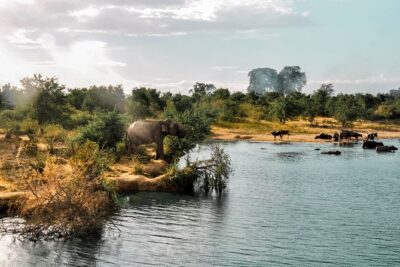
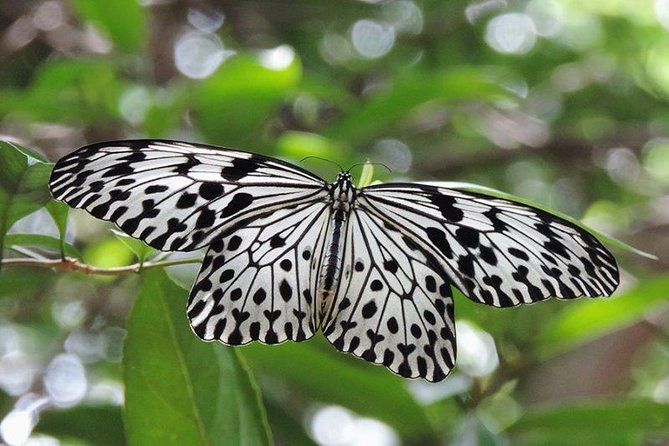
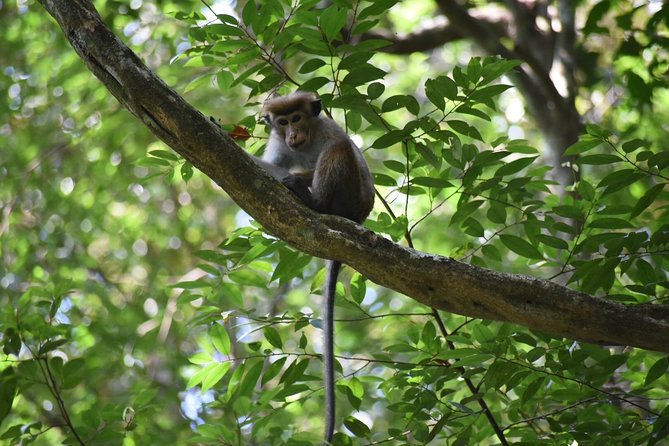
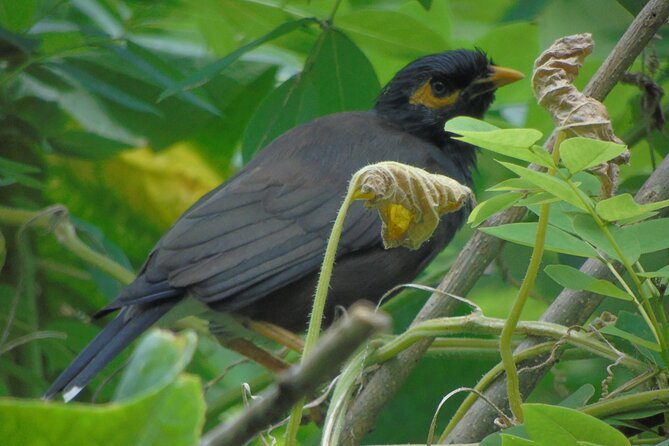
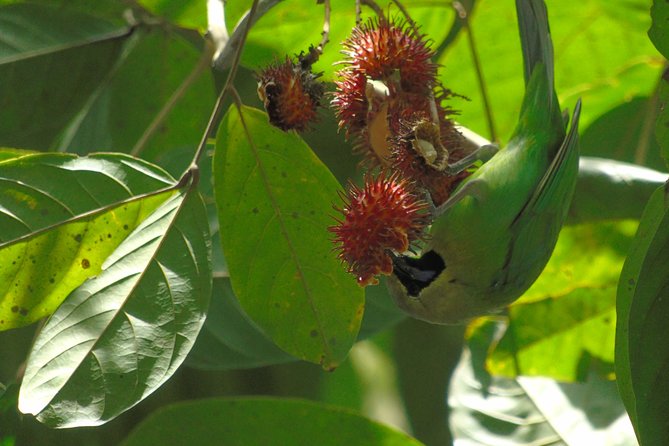
The tour’s biggest strength is its emphasis on endemic species—birds, animals, reptiles, and plants found in Sri Lanka. That matters because many “rainforest” days elsewhere turn into scenery with vague names. Here, you’re getting explanations during the walk, which makes your photos and observations far more satisfying.
Also, the guide you may meet—people speak highly of Achi—brings a biology education. One of the clear themes from the guidance style is that he’s not guessing. He’s noticing, tracking, and connecting what you’re looking at to the wider forest story.
You can also read our reviews of more tours and experiences in Galle.

Deniyaya start and a full return to your base
Your day begins in Deniyaya, Sri Lanka, and it ends back at the same meeting point. That’s useful because you don’t spend your whole trip re-negotiating transport. You can plan your morning around being at Deniyaya, and then assume the tour handles the push deep into the rainforest and gets you home again.
This is also a private experience. Only your group participates, which usually makes it easier to ask questions and move at a pace that suits your comfort level—especially in a place where the guide may pause often for sightings.
In terms of timing, the experience is listed at about 6 to 8 hours, with the forest trekking described as more than 7 hours. So mentally plan a full morning-to-afternoon type of day, not a short outing.
The long rainforest trek: what that means in real terms
This is where the tour earns its “full day” label. You’re traveling deep into Sinharaja, and the walking portion is the core of the experience. You’ll want moderate physical fitness. That doesn’t mean you need to be an athlete, but you should expect sustained walking in a tropical environment.
It’s also a “complicated” trek in the sense that jungle conditions affect everything. You’re moving through a living habitat with mud, humidity, and the kind of undergrowth that keeps you alert. When the day is structured around deep time in the forest, you get more chances to spot animals and birds—but you also trade comfort for authenticity.
If you’re the kind of traveler who gets impatient after 45 minutes in nature, this may feel like too much. If you like walking slowly, watching closely, and letting the guide steer you toward the good moments, this is exactly the right setup.
Leeches, safety gear, and how to stay comfortable
Sinharaja is wild. That includes the reality of leeches. The tour specifically notes that necessary items will be provided to get rid of leeches and stay safe. That’s a big value point because it means you’re not fully on your own for jungle basics.
What you should do is come ready to follow instructions. The guide will be managing safety as part of the route, not as a last-minute afterthought. Since the tour includes leech-removal support, the focus becomes staying calm, keeping your posture and steps steady, and letting the guide handle the tricky bits.
There’s also a practical side to the “bring required equipment for photographs” note. If you plan to shoot in low light or while moving through dense greenery, having your gear ready and protected matters more than usual. This tour rewards travelers who come prepared to photograph without stopping their flow every five minutes.
Kakunalla Falls and Pathanoya Falls: the payoff stops
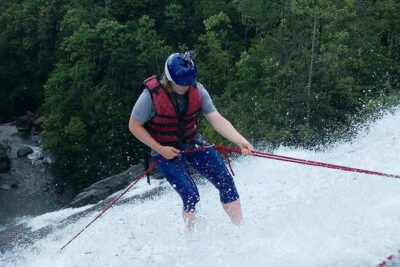
One of the best parts of the day is the chance to reach Kakunalla Falls and Pathanoya Falls. These aren’t just quick photo moments. They’re built into the trek, which means they feel like milestones rather than a separate side trip.
The tour also mentions an option that you should take seriously: if you want to bathe in the stream that flows through the forest, you must bring extra clothes. That’s not a throwaway line. It’s your reminder to think about wet-to-dry logistics in the jungle, because drying gear that you forgot can ruin the rest of the day’s comfort.
Even if you skip bathing, the falls area is usually when you feel the rainforest change pace—more sound, more mist, and more concentrated life around water.



Natural fish therapy: a unique stop to know about
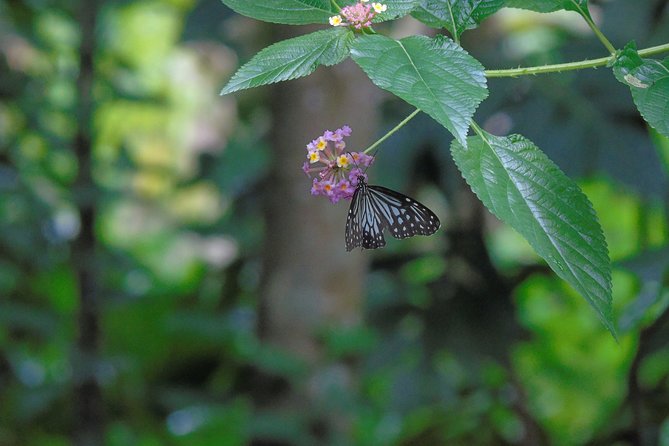
The tour includes natural fish therapy. That’s one of those features that can swing your opinion fast, depending on your comfort level. If you’re curious, it’s exactly the kind of odd, Sri Lanka-specific activity that makes a rainforest day feel special beyond birds and leaves.
If you’re not sure you’ll enjoy it, treat it as a “check your boundaries” moment. The important thing is that it’s part of the programmed experience, so you’ll want to mentally prep before you’re standing there with your feet in the water.
Either way, it’s included in the day’s flow, not tacked on like a random add-on. That helps the experience stay cohesive.
Endemic wildlife spotting with Achi’s style
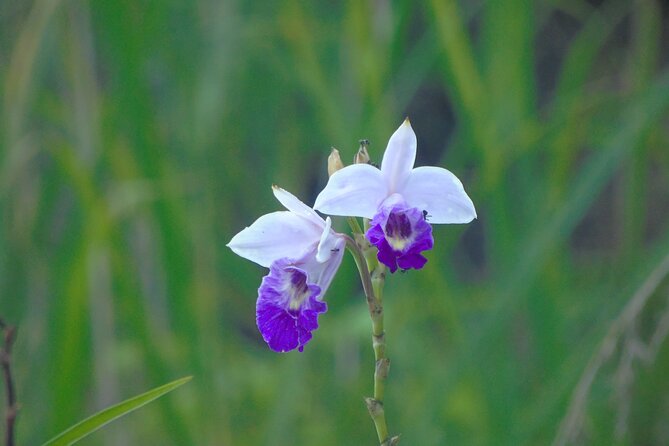
This is the part people remember. The rainforest is full of life, but seeing it isn’t automatic. It takes a guide who knows where to look and how to read the forest.
People strongly highlight Achi for spotting animals and for the educational angle. The recurring praise is that he knows the forest well and shares information about what you’re seeing—flora and fauna—throughout the tour. One theme is that his background goes beyond being local and friendly. He’s described as having actual education in biology, plus an ongoing commitment to understanding the area.
For you, that means the day is likely to feel structured around real sightings and clear explanations, especially for endemic birds. You’re not just hearing random nature noise. You’re being guided to notice patterns: what lives where, why plants matter, and what animals are likely nearby.
And because the tour is private, you’re more likely to get attention for your specific interests—whether you’re focused on birds, reptiles, or plant identification.
Lunch in the rainforest: a simple included win
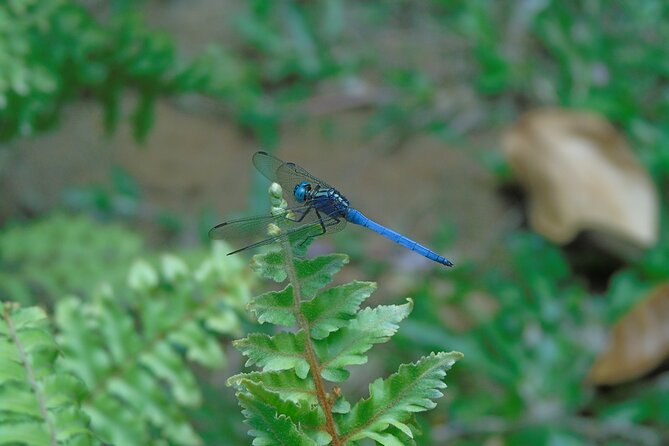
Lunch is provided. That sounds basic, but it’s a practical win on a long, walking-heavy day. When food is handled, you don’t spend your energy solving meals and snacks while your attention should be on the next sighting.
Because you’re out deep for 6 to 8 hours, the included lunch helps you keep momentum. It also makes the tour better value, especially when you add in the other inclusions: leech-safety support and guided explanations.
I’d treat lunch as part of pacing. Eat, rest briefly, then keep walking with the guide so the day stays in rhythm.
Price and value: what $30 buys you here
The price is listed at $30 for the full-day experience, and the tour duration is roughly 6 to 8 hours. For many tours, “full day” can mean a long drive and a short walk. Here, the day’s time is clearly invested in rainforest trekking.
You also get multiple built-in items that add value:
- safety items for leeches
- lunch provided
- visits to Kakunalla Falls and Pathanoya Falls
- natural fish therapy
- guide explanations of flora and fauna
- an admission note marked Admission Ticket Free
When you add those together, $30 starts to feel like a bargain for travelers who want an actual rainforest day instead of a quick stop. The main thing to watch is that the physical reality of “deep forest, many hours” is part of the trade. This is value built on effort, not comfort.
Who this tour suits best—and who should think twice
This tour is a great fit if you:
- want real rainforest time in Sinharaja
- care about seeing endemic birds and wildlife, not just landscapes
- like guided interpretation (flora and fauna explanations)
- prefer a private experience where you can ask questions
You might think twice if:
- long trekking for more than 7 hours sounds too demanding
- you strongly dislike the idea of interacting with reptiles-related wildlife categories in any way
- you’re uncomfortable with natural fish therapy and don’t want that included moment
The tour isn’t framed as a gentle stroll. It’s a day for people who enjoy being in the forest on its terms.
Should you book this Sinharaja Rain Forest full day?
If you want an authentic Sinharaja rainforest day, I’d lean yes. The biggest reasons are simple: you get deep time in the reserve, you’re supported for jungle comfort with leech safety items, and the guide experience—especially around Achi’s biology background—helps sightings feel meaningful.
Book if you’re ready for a real walk, want endemic wildlife explanations, and think you’ll enjoy falls plus the unusual fish-therapy stop. Skip this one if you need a short, easy nature hit or if the idea of long time in wet forest sounds miserable.
If you’re on the fence, treat it like a commitment to doing Sinharaja properly. This tour seems built for people who come to walk, watch, and learn.
FAQ
How long is the Sinharaja Rain Forest full day tour?
It runs about 6 to 8 hours (approximately), with the forest trekking described as more than 7 hours.
Where does the tour start and end?
The tour starts in Deniyaya, Sri Lanka, and it ends back at the same meeting point.
Is this a private tour?
Yes. It’s listed as private, so only your group participates.
What is the price for this experience?
The price is listed at $30.
Is lunch included?
Yes. Lunch is provided by the tour.
Are leeches a concern, and is anything provided?
Leech safety is part of the plan. Necessary things to get rid of leeches and to be safe from them are provided.
Do I need to bring anything for photography?
Yes. You’re asked to bring the required equipment to take photographs.
Can I swim or bathe in the forest stream?
You can if you wish, but you must bring extra clothes if you plan to bathe in the stream flowing through the forest.
What wildlife or plants will I see?
The tour focuses on Sri Lankan endemic birds, animals, reptiles, and plants, with explanations provided during the walk.
How soon will I receive confirmation after booking?
Confirmation is received within 48 hours of booking, subject to availability.
What if the weather is bad or I need to cancel?
The experience requires good weather. If it’s canceled due to poor weather, you’ll be offered a different date or a full refund. You can cancel up to 24 hours in advance for a full refund, and free cancellation depends on meeting that timing.