Galle Fort feels like a history walk in 3D.
This 1.5- to 2-hour guided stroll through the UNESCO World Heritage core makes colonial history easy to follow, because every wall, bastion, and church has a reason it’s there. I especially enjoyed hearing the stories tied to Galle’s changing rulers, and I liked how the walk stays practical and paced for real people. One thing to keep in mind: it is still a walking tour with moderate fitness needs, and rain can show up fast—umbrellas and hats aren’t included.
What I liked most was the guide, Dilip, who brings the forts to life with calm, confident answers and clear explanations. I also liked the tour’s mix of architecture and human stories, from the 2004 tsunami survival to the unusual siege details. If you hate walking on uneven ground in old streets, or if you’re traveling with no rain plan, you might want to double-check your day.
In This Review
- Key Highlights You Shouldn’t Miss
- Why This Galle Fort Walk Starts at Flag Rock Bastion
- Portuguese and Dutch Fortifications: How the Walls Tell the Story
- Clock Tower, Front Wall, and Bastions: Seeing the Defense Details Up Close
- The Dutch Reformed Church (1755) and Personal Legends That Make It Stick
- How the Fort Survived the 2004 Tsunami While Galle City Didn’t
- Dutch Hospital, Cuisine Stops, and Where Trade Meets Everyday Life
- Siege Tales and Trading Tricks: Cats, Dogs, Treaties, and Leather
- Price and Value: What $35 Gets You in Galle Fort Time
- Rain, Sun, and Walking Comfort: What to Bring
- How to Get the Most Out of the Walk
- Should You Book This Galle Fort Walk?
- FAQ
- What does the tour cost?
- How long is the Galle Fort walking tour?
- How many people are in the group?
- Where do I meet the guide?
- What is included in the price?
- What is not included?
- Is it a private tour?
- Do I need to be physically fit?
- When does the tour operate?
- Can I cancel for a full refund?
Key Highlights You Shouldn’t Miss
- Flag Rock Bastion sets the tone and the best starting views of the fort’s edge
- Portuguese vs Dutch power shifts explained through concrete examples, like forts, treaties, and trade
- Moon and Star bastions plus key fort walls that show how defense thinking evolved
- 2004 tsunami survival stories and why these walls fared better than much of Galle City
- Dutch Hospital and VOC trade hints, including tunnels and coral cooling walls
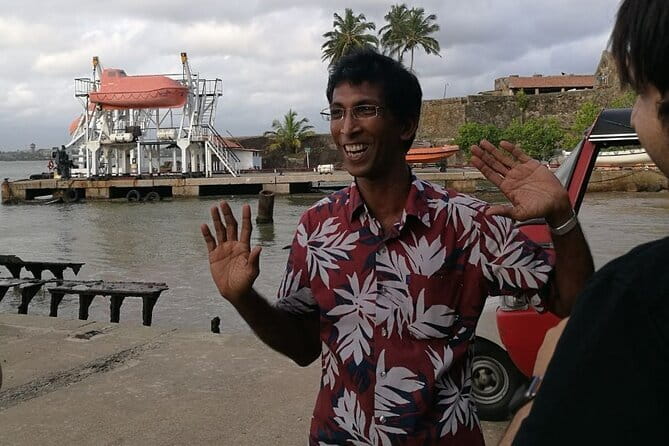
- English-language guidance from Dilip with plenty of time for questions and a steady pace
Why This Galle Fort Walk Starts at Flag Rock Bastion

Starting at Flag Rock Bastion is a smart move, because it helps you understand Galle Fort as a system, not a pile of landmarks. From the fort’s edge you can see how the defenses face outward—toward the harbor and the sea lanes that once brought traders, ships, and armies.
The tour loops back to the same meeting point, so you’re not guessing your way through narrow lanes after. The timing is also flexible within the day, with tours running daily from 8:30 AM to 6:00 PM, which matters in Sri Lanka when the light and weather can change quickly.
This is a small group experience, capped at 6 travelers. That size helps because you get explanations without feeling like you’re in a huge crowd. It also tends to make questions easier—something I noticed when people asked about how the fort worked, not just who built what.
You can also read our reviews of more tours and experiences in Galle.

Portuguese and Dutch Fortifications: How the Walls Tell the Story
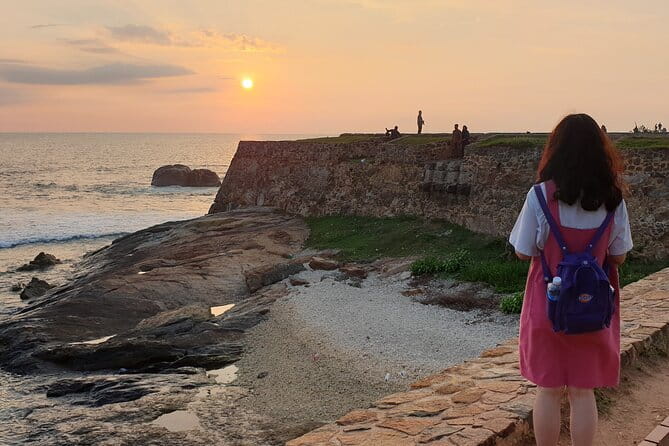
Galle Fort is famous for European architecture, but the best part of this walk is how it links that architecture to real power shifts. The story begins with early traders at the Old Harbour—Chinese, Arab, and European ships anchored there—and then moves into the European fort-building era.
You trace the move from Portuguese clay fortifications to Dutch stone walls, which is a big deal because it shows changing tactics and resources. Clay is faster to build, but stone is built for permanence and defense. As you move along the walls, you get a sense of why the Dutch invested heavily in sturdier structure, especially once the region’s trade routes and rivalries hardened.
You also get the names that make it easier to remember the place: bastions like Moon and Star, plus defense features along the front wall. Even if you don’t think of yourself as a history person, it helps to have the map in your head while you walk. You’ll start to recognize patterns—corners meant for line-of-fire, openings, and how the fort’s shape guides movement.
One practical note: the fort is old. Surfaces can be uneven and steps can be irregular. The tour is marked for moderate physical fitness, and in practice it’s a “comfortable walking pace” more than a stroller-friendly route.
Clock Tower, Front Wall, and Bastions: Seeing the Defense Details Up Close
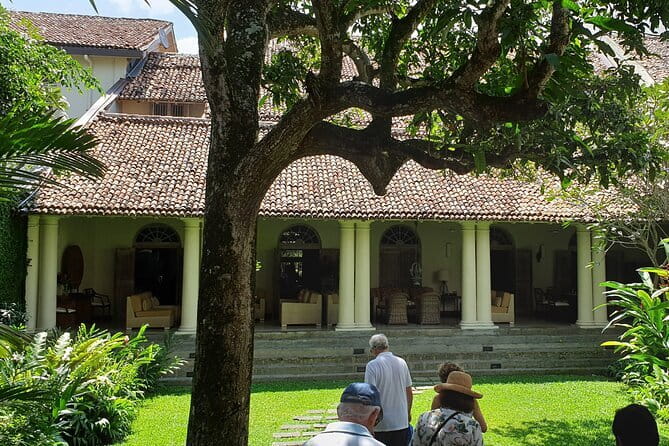
The Clock Tower and the front wall are more than photo stops. They frame how the fort functioned day to day. You don’t just walk past them—you connect them to defense and control.
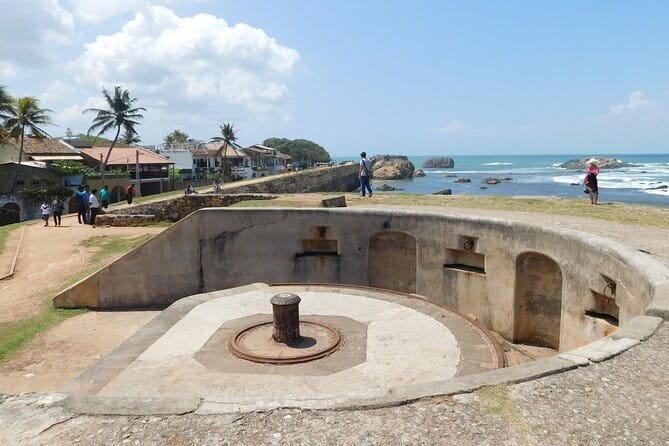
As you head along the fort front, you’ll encounter the front wall with three bastions. Bastions matter because they’re how a fort fights from multiple angles. Instead of one flat wall that can be overwhelmed, you get these projecting points where defenders could cover approaches more effectively. When Dilip explains the logic, the architecture stops being abstract.
You’ll also spend time at or near the Flag-Rock Bastion, a key segment of the fort’s outward face. This is where the walk feels the most “fortified.” It’s not only about seeing a structure; it’s about understanding the view and the threat direction.
If you like architecture, you’ll probably enjoy how the walk pauses at specific segments and explains what they are for. If you’re more into human stories than buildings, you still get enough color—because these places were lived in, not just built.
The Dutch Reformed Church (1755) and Personal Legends That Make It Stick

A standout stop is the Dutch Reformed Church (1755), and the reason this church gets mentioned in the walk is tied to a vow connected to a child’s birth. That kind of personal legend can make a building feel like it has a pulse rather than acting like a museum object.
These small, human details help you remember the bigger timeline. The Portuguese era focuses on early fort attempts and trade competition. The Dutch era brings sturdier defenses, tighter control, and institutions that shaped daily life inside the walls. Then, later influences add layers that still show up in the streets.
The church also works well as a pacing reset. You get a quieter moment for absorbing the site before heading back to the more defensive, street-level elements like bastions, tunnels, and wall stories.
How the Fort Survived the 2004 Tsunami While Galle City Didn’t

The 2004 tsunami segment is one of the most compelling parts of the walk, mainly because it shifts the tour from “past tense” to “what mattered in real life.” You’ll hear the story of how the fort’s walls withstood the tsunami waves while much of Galle City was devastated.
It’s a reminder that fortifications aren’t only for war. The fort’s position and sturdier construction played a role when nature struck. Listening to this explanation while standing along the wall makes it easier to understand why the fort remains a symbol of resilience rather than just a colonial artifact.
This is also where you may notice how Dilip balances facts and local lore. The goal isn’t to scare you with disaster. It’s to show how people interpreted the event and how the physical site became part of community memory.
If you’re visiting soon after heavy rain or coastal weather, this section tends to feel extra relevant. Just keep your footing in mind—old stone can be slippery if the day is wet.






Dutch Hospital, Cuisine Stops, and Where Trade Meets Everyday Life

One of my favorite parts of walking through Galle Fort is when the tour stops treating the site like a closed chapter. The Dutch Hospital is a great example. It’s now a lively food-focused hub, which means colonial-era buildings still support daily routines.
On this walk you’ll connect that building to the broader trade story, including the VOC (Dutch East India Company) and the way wealth and shipping influenced what was built where. The idea is simple: money flows through ports, ports shape cities, and cities grow around what traders need.
You’ll also hear about hidden tunnels and coral cooling walls. Even if you only catch fragments of the technical explanation, the point lands: the Dutch didn’t just build to look strong. They built with function in mind, including managing conditions inside the fort.
This is a good stop if you want a break from constant forward motion. Even though it’s a walking tour, having a place that’s both historic and active keeps the experience grounded.
Siege Tales and Trading Tricks: Cats, Dogs, Treaties, and Leather
The most memorable storytelling comes when the tour shifts into conflict details. You’ll hear Portuguese siege anecdotes, including the darkly strange claim that soldiers survived for a stretch of time by eating cats and dogs. It’s the kind of story that sounds unbelievable until it’s told as part of what prolonged sieges did to supply lines and morale.
You’ll also hear about cheating tactics used in negotiations, including a story about how the Colombo Fort was built by cheating the local king with a piece of leather. That thread then continues with Dutch actions described as cheating a local king using two copies of treaties.
These stories aren’t there to make history dramatic. They help explain why the fort kept changing hands and why architecture can reflect bargaining power, not just military force. When you hear it while walking between walls, it makes the conflict feel less like a distant textbook event.
If you’re sensitive to grim details, this section is definitely the darkest part of the walk. Still, the tone stays matter-of-fact, which I appreciate.
Price and Value: What $35 Gets You in Galle Fort Time

At $35 per person, this isn’t the cheapest thing in Galle Fort, but it’s also not trying to be. The value comes from three practical factors:
- You’re getting a live English guide (Dilip), not a self-guided audio track.
- The tour covers major defensive and cultural points in about 1.5 to 2 hours, which is a realistic chunk of your day.
- The group is capped at 6, so you’re not lost in a crowd.
If you only have a short window in Galle Fort, a guided walk like this can save time because you don’t have to figure out which corners matter. You get the “why” behind what you’re seeing, and that’s what turns a pretty area into a place you understand.
Also, mobile ticketing and group discounts make it easier to plan without lots of paperwork. You just need to make sure you’ve arranged transport back from the fort, since private transportation isn’t included.
Rain, Sun, and Walking Comfort: What to Bring
This tour doesn’t include bottled water, an umbrella for rainy days, or hats on sunny days. That means your comfort depends on what you pack.
My practical advice:
- Bring a small water bottle so you’re not trying to find a place mid-walk.
- If rain is possible, carry a light rain cover. Thunderstorms can happen, and I’ve seen this tour continue even when weather turns.
- On hot days, pack a cap or hat and use sunscreen. Sun exposure inside stone streets can surprise you.
The route involves walking on older surfaces, so wear shoes with grip. You’ll be happier if you don’t rely on flip-flops or smooth soles.
How to Get the Most Out of the Walk
If you want the best experience, come with one of these mindsets:
- You want to understand Portuguese-to-Dutch-to-English changes in a way that makes sense on foot.
- You enjoy stories about how people survived—trade pressures, sieges, and even the tsunami.
- You like asking questions and getting straightforward answers.
Dilip’s style, based on what you’ll experience in the tour pace, works well for both history fans and casual visitors. If your travel group includes kids or teens, the fort’s mix of facts and odd survival stories can keep attention without turning it into a lecture.
And because it’s a small group, you can have a more conversational experience. There’s also a chance that solo travelers get paired with just one other person when numbers are small, keeping the feel relaxed rather than rushed.
Should You Book This Galle Fort Walk?
Book it if you want a guided walk that connects fort walls to real events—trade shifts, siege survival, and the 2004 tsunami resilience story—without overwhelming you. The $35 price makes sense when you factor in the small group size and the fact that Dilip handles the details in a way you can actually follow.
Skip it or adjust expectations if you’re not comfortable with walking on uneven old-street surfaces, or if you need a fully seated or highly protected experience in heavy weather. And if your plan is extremely tight, remember the tour runs about 1.5 to 2 hours and ends back at Flag Rock Bastion, so coordinate your onward transport.
If your goal is to leave Galle Fort with a mental map and a set of stories that actually stick, this is a strong pick.
FAQ
What does the tour cost?
The price is $35.00 per person.
How long is the Galle Fort walking tour?
It runs about 1 hour 30 minutes to 2 hours.
How many people are in the group?
The tour has a maximum of 6 travelers.
Where do I meet the guide?
The meeting point is Flag Rock Bastion, Galle 80000, Sri Lanka, and the tour ends at the same place.
What is included in the price?
The tour includes an in-person guide in English.
What is not included?
Not included: private transportation, bicycle use, bottled water, umbrellas on rainy days, and hats on sunny days.
Is it a private tour?
If many tourists are booked for the same time block, it won’t be private.
Do I need to be physically fit?
The tour calls for moderate physical fitness since it’s a walking experience.
When does the tour operate?
Tours run Monday through Sunday from 8:30 AM to 6:00 PM.
Can I cancel for a full refund?
Yes. You can cancel up to 24 hours in advance for a full refund.