Fish, forts, and temples in one loop. This private Negombo tour mixes everyday coastal life with colonial-era landmarks, plus a quick hit of nature at the Negombo Lagoon. In a few hours you’ll go from shouted fish-market chaos to Dutch Portuguese architecture, then finish at major religious sites before a cold king coconut.
I especially liked two parts: the way the route strings together very different scenes without feeling rushed, and the human touch of having a real local guide. With Dinal as my guide, I found him quietly helpful, never making you feel lost in busy places, and good at spotting the little moments when you pause for photos.
One consideration: the fish market area is loud, crowded, and hot, so if you prefer quiet sightseeing, you’ll want to mentally prep for that. Also, not every stop’s cost is covered, so you may need a little extra cash for the fish market admission.
In This Review
- Key highlights you’ll feel right away
- A Private Negombo Circuit That Actually Makes Sense
- Negombo Lagoon: Calm Water, Canal Connections, Real Ecology
- Negombo Fish Market: See Daily Catch Up Close (And Breathe Through the Noise)
- Dutch Fort and the Canal Story: Portuguese Pentagons to Dutch Waterways
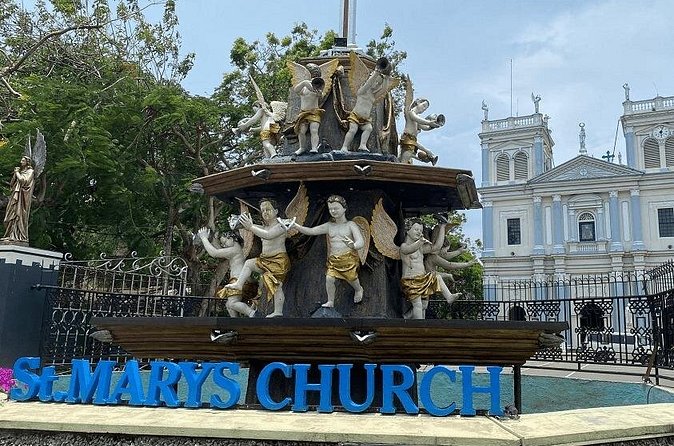
- St. Mary’s Church: Neoclassical Lines and European-Style Detail
- Angurukaramulla Ancient Buddhist Temple: Dragon-Head Guardians and a 6-Metre Buddha
- King Coconut Ending: A Simple Finish That Feels Like Negombo
- Price and Value: When $16 Buys More Than Transport
- Who This Tour Fits Best (And Who Should Think Twice)
- Quick Tips to Make Your Stops Feel Easier
- Should You Book This Negombo Private City Tour?
- FAQ
- What is the duration of the Private City Tour in Negombo?
- How much does the tour cost?
- Do I get hotel pickup and drop-off?
- Is this tour private?
- What’s included in the price?
- Are admission tickets included for each stop?
- What about food and drinks?
- What are the opening hours for the experience?
- Do I need to bring anything for the tour?
- What is the cancellation policy?
Key highlights you’ll feel right away
- Negombo Lagoon first for quick context, canal connections, and calm before the crowd
- Negombo fish market in the second-largest market in the country, full-on local energy
- Portuguese-built Dutch Fort with its pentagonal style and colonial layers
- Hamilton (Dutch) Canal link between inland water routes and the coast
- St. Mary’s Church with a neoclassical look and standout European-style details
- Angurukaramulla Temple featuring a dragon-head entrance and a 6-metre Buddha statue
A Private Negombo Circuit That Actually Makes Sense
This is a straightforward private city tour built for limited time. Expect about 2 to 4 hours, with hotel pickup and drop-off. That time window matters in Negombo, because traffic can change the feel of a day fast, and you don’t want to burn hours just to get from one landmark to the next.
The route is also intentionally varied. You’re not just ticking off “a church” and “a temple.” You’re moving through different Negombo worlds: coastal lagoon ecology, the daily rhythm of seafood trading, and the colonial imprint left by Portuguese and Dutch presence. That mix is what makes the tour more than a drive-by.
And because it’s private, you can ask questions as you go. In particular, if you’re unsure about what you’re looking at at the market or how to behave around religious sites, having a guide nearby makes the whole experience smoother.
You can also read our reviews of more tours and experiences in Negombo.


Negombo Lagoon: Calm Water, Canal Connections, Real Ecology
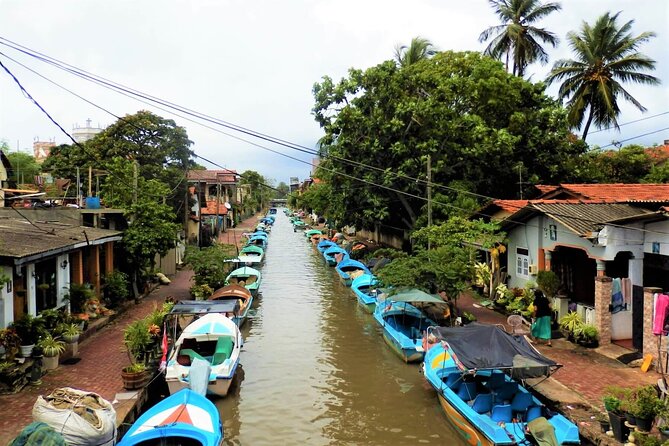
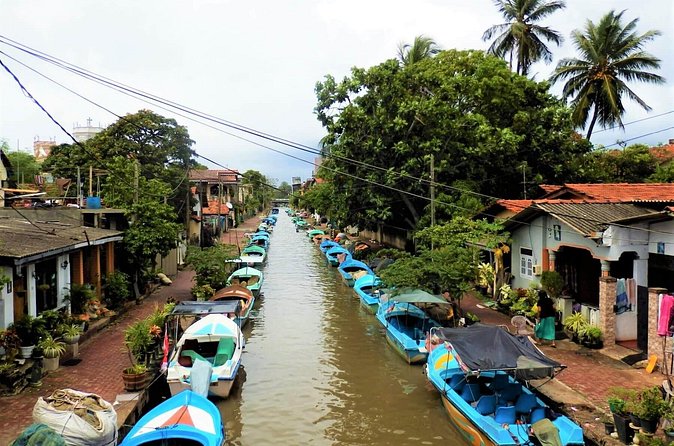
Your tour starts with (or quickly includes) a stop at Negombo Lagoon, and that’s smart. The lagoon gives you a mental map for the rest of the city. It’s fed by small rivers and linked to the sea through a narrow channel near Negombo city. That connection helps explain why Negombo feels like it lives on water.
The lagoon is also described as a place with strong biodiversity—plants, animals, and aquatic ecosystem. You don’t need to be an expert to appreciate what that means: the water isn’t just scenery, it’s part of how people and wildlife share the same space.
Practical note: the lagoon stop is about 15 minutes, and admission is included. That makes it a good “breather” between the heavier stops. If the day is hot, this short pause can reset you before heading into the busier market area.
If you’re taking photos, go ready. Even if you only have a quarter hour, lagoon lighting can change fast depending on cloud cover and the angle of the water.
Negombo Fish Market: See Daily Catch Up Close (And Breathe Through the Noise)
The Negombo Fish Market is the kind of place you can’t fake. It’s described as chaos in the best way: fish, shellfish, vendors, and people shouting. It’s also noted as the second largest market in the country, so it’s not a tiny local side street.
You’ll spend around 30 minutes here. Admission is not included, so plan for a small extra cost depending on what’s required at the time. The good news is that the time is long enough to see the range of seafood and how sellers work, but not so long that you’ll feel exhausted.
Here’s the best way to enjoy it:
- Go with your expectations set to loud and crowded. This isn’t a quiet photography stroll.
- Watch first, then ask. A guide helps you understand what you’re seeing—types of fish and how the market operates.
- Dress for heat and movement. You’ll likely be standing and shifting position to see.
This is also where a guide like Dinal really helps. In the reviews and the guide style described, he stays close in busy places and notices when you stop for photos. That matters at a market, because people move quickly and you don’t want to feel like you’re constantly searching for a safe spot.
If you’re sensitive to noise or you hate crowds, you may find the market the hardest part. Still, it’s the most authentic “Negombo” moment in the whole experience.
Dutch Fort and the Canal Story: Portuguese Pentagons to Dutch Waterways
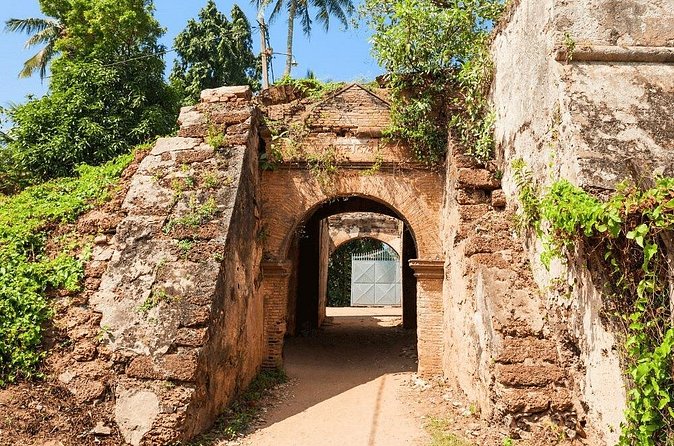
After the market, the tour moves into colonial-era shape: Negombo Dutch Fort and water routes like the Dutch Canal, also known as the Hamilton Canal.
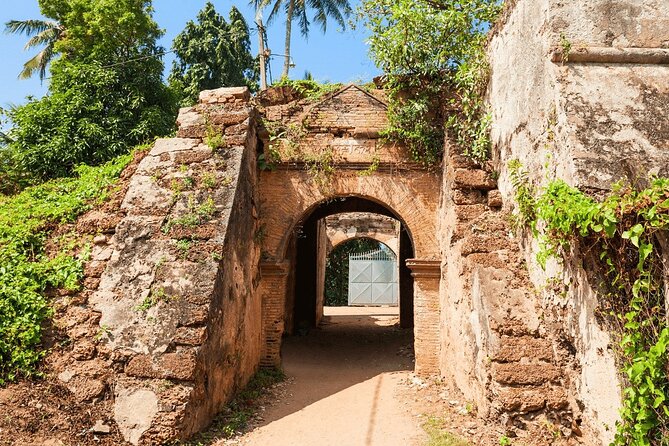
The fort is described as originally built by the Portuguese in a pentagonal style. That detail is useful because it gives your eyes a reason to look harder. Instead of seeing random old walls, you can try to picture how a pentagonal layout would work as a defensive shape and why later powers might value that location.
Then comes the canal story. The canal isn’t just a scenic waterway; it’s part of how the lagoon system connects and functions. The Hamilton Canal name is a helpful clue that multiple cultures left their labels on the same geography.
What I like about including these colonial points is that they connect back to the everyday parts of Negombo. Fish markets need routes—people and goods move through channels, not just streets. When you understand the water system, the city feels less like separate attractions and more like one working place.
If you’re short on time, this colonial-and-water sequence is a smart use of your hours because it gives context fast.
St. Mary’s Church: Neoclassical Lines and European-Style Detail
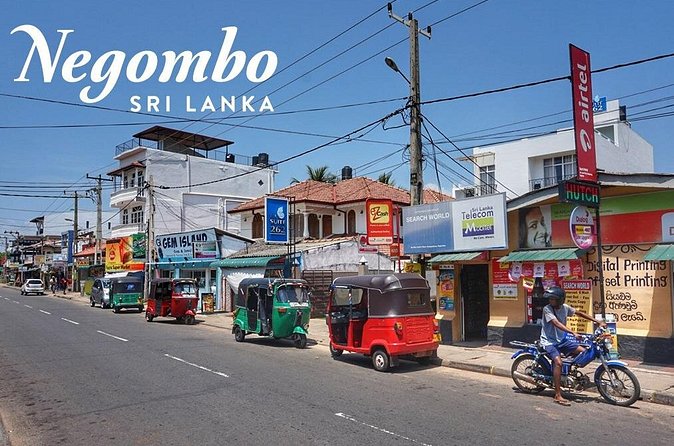
Next up is St. Mary’s Church, one of the largest churches in Sri Lanka. You’ll have about 30 minutes, and admission is listed as free.
The church is described in neoclassical style, with columns and plain walls. Even without getting technical, you can see how this kind of architecture signals influence from European design traditions. In Negombo, it’s a reminder that colonial history wasn’t only about forts and canals—it also shaped the town’s religious landmarks.
A good way to approach this stop is to slow down for the shapes. Neoclassical churches tend to reward you for noticing symmetry, columns, and clean lines. If you rush, you’ll miss why people call these buildings extraordinary in both design and art.
If you want respectful photos, follow local rules and be mindful of worshipers. A guide will help you know where it’s okay to stand and what areas you should avoid.





Angurukaramulla Ancient Buddhist Temple: Dragon-Head Guardians and a 6-Metre Buddha
The tour ends at Angurukaramulla ancient Buddhist temple, about 30 minutes, with admission listed as not included.
This temple is known for two standout features:
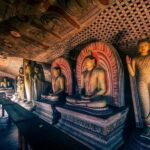
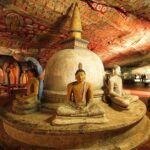
- A dragon-head that guards the entrance
- A six-metre-tall statue of Lord Buddha
There’s also mention of a historic, moss-covered library ruin, plus paintings and sculptures dating back centuries. Even if you’re not a hardcore temple-history person, those elements make the visit feel layered. You’re not only looking at present-day worship spaces—you’re seeing evidence of an older cultural focus on learning and art.
One practical thing to remember: temples are active cultural spaces. Keep your voice low, dress appropriately, and treat the place like a living site rather than a museum.
If you’re the type who likes to understand symbolism, the dragon-head and towering Buddha statue are perfect anchor points. They give you something to locate quickly in your mind, which makes the rest of the temple details easier to take in during a short stop.
King Coconut Ending: A Simple Finish That Feels Like Negombo
After the temple, the tour wraps with a refreshing king coconut drink. No fancy checklist here—just a practical, local-feeling way to cool down after walking through heat and crowds.
Because food and drinks aren’t listed as included, this coconut is a nice touch. It’s a clear signal that the tour is designed as a complete small experience, not just “transport plus photos.”
If you’re sensitive to sugary drinks, take a smaller sip and save the rest for later in your day.
Price and Value: When $16 Buys More Than Transport
The price is listed at $16.00 per person, and it’s a private tour. For many travelers, the real question isn’t the dollar amount—it’s what you get for it.
Here’s the value angle that stands out:
- You get hotel pickup and drop-off, plus transportation between stops.
- Parking fees and a fuel surcharge are included.
- You’re not sharing your day with strangers, so your pace and questions are your own.
That’s what makes the “private” part matter. If you’ve ever tried to self-guide Negombo’s mix of markets, canals, and religious sites, you know the friction: finding the right entrances, figuring out what’s worth your time, and dealing with crowds without getting stressed.
The one trade-off is that not everything is fully covered. Admission is not included at the fish market, and it’s also not listed as included at the temple. St. Mary’s Church and the lagoon admission ticket are included/free respectively. So for best budgeting, think: most essentials of the tour are handled, but you may still pay a small amount for some site admissions.
If you want the easiest, least stressful version of a Negombo highlights day, this is priced in a way that can work well for short stays.
Who This Tour Fits Best (And Who Should Think Twice)
This tour is a strong match if you:
- Want a 2 to 4 hour overview of Negombo without planning every leg
- Like seeing daily local life, not only monuments
- Appreciate colonial-era context—Portuguese and Dutch influences in one route
- Prefer a guide who keeps things smooth in busy areas (especially at the fish market)
It may be less ideal if you:
- Don’t enjoy crowds or loud environments (the fish market is intense)
- Want a slow, long museum-style visit (the stops are timed and compact)
If you’re traveling as a couple, friends, or solo, a private format tends to feel better here than group tours, because Negombo’s busiest spots benefit from having someone manage the movement and timing.
Quick Tips to Make Your Stops Feel Easier
A few small things can make a big difference on this kind of city loop:
- Wear breathable clothes and comfortable shoes for market-side walking.
- Bring a light layer for churches/temple areas if you tend to feel chilly indoors.
- If you’re taking photos, ask your guide when people are moving slower—this can help you get shots without blocking anyone.
- Carry cash for the fish market admission since it’s not included.
And if you’re lucky enough to have Dinal, take advantage of his approach. The way he’s described—friendly, helpful, and attentive to your needs in crowded spaces—means you’ll spend less time figuring things out and more time seeing what matters.
Should You Book This Negombo Private City Tour?
I’d book it if you want a tight Negombo highlights day that includes both everyday life and major landmarks. The lagoon stop gives context, the fish market brings authenticity, the Dutch Fort and canal add colonial perspective, and St. Mary’s Church plus Angurukaramulla Temple make the religious side feel complete rather than random.
If your top priority is absolute calm and quiet sightseeing, you might skip it or treat the fish market as the one challenging segment. Otherwise, this tour is good value: private time, pickup/drop-off, and a guide who keeps busy places manageable.
FAQ
What is the duration of the Private City Tour in Negombo?
The tour is listed as approximately 2 to 4 hours. Transfer times can vary based on the time of day and traffic.
How much does the tour cost?
The price is listed at $16.00 per person.
Do I get hotel pickup and drop-off?
Yes. Hotel pickup and drop-off are included, and the tour ends back at the meeting point.
Is this tour private?
Yes. It’s a private tour/activity, and only your group participates.
What’s included in the price?
Included items are hotel pickup and drop-off, fuel surcharge, transportation to/from attractions, and parking fees. Admission for some stops is included/free, but not everything is.
Are admission tickets included for each stop?
Admission ticket details vary. Negombo Lagoon admission is included. Negombo Fish Market admission is not included. St. Mary’s Church admission is free. Angurukaramulla Temple admission is listed as not included.
What about food and drinks?
Food and drinks are not included. The tour includes a king coconut drink at the end.
What are the opening hours for the experience?
The tour is listed as operating Monday–Saturday from 8:00 AM to 5:00 PM.
Do I need to bring anything for the tour?
A current valid passport is preferred on the day of travel. For places with admission not included, it’s smart to have a little cash ready in case you need to pay on-site.
What is the cancellation policy?
You can cancel for a full refund if you cancel at least 24 hours before the experience start time.
If you want, tell me your travel dates and whether you’re staying near the beach or closer to the lagoon—then I can suggest the smoothest start time so you spend less of your limited hours in traffic.