Dusk in Bundala is a show. This private evening safari in Sri Lanka turns the park’s brackish lagoons into a bird-and-wildlife spectacle, with flamingos often arriving in dramatic numbers. You’re paying for a full afternoon-to-evening outing in Yala’s wider region, built around the feel of late-day nature viewing and not a rushed checklist.
I like how this is a private setup, so you’re not stuck weaving around other vehicles. You also get a practical plan: pickup from Tissamaharama, a single main safari stretch, and admission included, which makes budgeting easier. The only real caution is that big wildlife moments depend on conditions, and elephant viewing in the Bundala area deserves extra respect—especially near the Kokara tank where elephants can be more aggressive due to human-elephant conflict.
If you’re the type of person who enjoys birds, lagoon life, and quiet observation in shifting light, this trip is built for you. Just know that this is wildlife viewing in the real world: sometimes you’ll get elephants in close view, sometimes it’s more birds and crocodiles, and sometimes the timing changes with the weather.
In This Review
- Key things to know before you go
- Bundala at Dusk: Flamingos and brackish lagoons
- Private jeep with pickup from Tissamaharama
- The 1:30 pm start and a real 7–8 hour day
- Kamal Safari Bundala Park: what to look for first
- Kokara tank for elephant viewing (safety note that matters)
- Wildlife you can realistically expect: birds, crocodiles, big surprises
- Price and value: is $67 per person fair?
- What to bring for a comfortable evening in Bundala
- Should you book this Bundala evening safari with Yala La Safari Tours?
- FAQ
- What is the duration of the Evening Private Safari at Bundala Park?
- What time does the safari start?
- Where does the tour start and end?
- Is pickup included?
- Is this tour private?
- What’s included in the ticket price?
- How much does it cost?
- What if the weather is poor?
- Is there free cancellation?
- Is the tour suitable for most people?
Key things to know before you go
- Private jeep, just your group: no back-and-forth with other vehicles during the drive.
- Bundala is a UNESCO biosphere reserve and a RAMSAR wetland: great habitat for migratory water birds.
- Flamingos can arrive in huge flocks: up to a thousand at a time has been seen, turning lagoons pink.
- Five brackish lagoons make scenery more interesting than one big pond: different sections can mean different sightings.
- Kokara tank is famous for dusk elephant activity: but keep extra awareness around elephants.
- Tour runs long on the clock (7–8 hours), with safari time often shorter: expect the game-drive portion to be a few hours plus travel.
Bundala at Dusk: Flamingos and brackish lagoons
Bundala National Park is about 15 kilometers from Tissamaharama, the nearest resort town, and it’s known for its wetlands. Back in 2005 it was designated a UNESCO biosphere reserve, and it’s also recognized as a RAMSAR wetland, which matters because it protects habitat for migratory water birds.
The main draw for many people is the flamingo action. In large flocks—sometimes up to a thousand birds—greater flamingos feed noisily and can cover the lagoon edges with a pinkish carpet effect. It’s not just pretty; it’s noisy, busy, and surprisingly theatrical for a wildlife moment.
Bundala also has five brackish-water lagoons. Even if you don’t get flamingos everywhere, you’re still in an environment that supports reptiles, mammals, and lots of birdlife. That mix is why an evening safari here can feel more varied than you’d expect from a single-ecosystem park.
You can also read our reviews of more tours and experiences in Yala National Park.
Private jeep with pickup from Tissamaharama
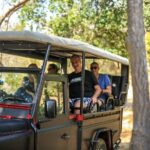
This is a private tour, meaning only your group is involved. That matters in Bundala because animal sightings can happen fast and in different areas, and you don’t want the added friction of sharing the same vehicle timing with strangers.
Pickup is offered from Tissamaharama, which is the most convenient base for most travelers staying in the region. It also reduces the stress of coordinating your own ride out to the park and back after dark settles in.
One practical detail I appreciate: admission is included. You’re not doing extra math at the end or trying to sort out entry steps while you’re already excited about the first sightings. Also, the tour uses a mobile ticket, which is handy if you don’t want to carry paper.
The 1:30 pm start and a real 7–8 hour day
The activity start time is 1:30 pm and the total duration is listed as 7 to 8 hours. That’s longer than the pure time in the park, which usually makes sense for transport, timing, and giving you enough flexibility to chase the best dusk light.
In at least one reported experience, the safari time in the field was around 4 hours, with the rest of the day spent on pickup and the overall schedule flow. So I’d mentally plan for a full outing, but not panic if the driving portion feels like it’s the main “in-park” block rather than the whole day.
Evening safaris are all about the shift from late afternoon into dusk. Expect animal behavior to change as it gets dimmer: birds may become more active near water edges, some reptiles can be easier to spot when the sun angle drops, and mammals often move more noticeably around that transition.
Kamal Safari Bundala Park: what to look for first
Your main stop is listed as Kamal Safari Bundala Park, which is where the core wildlife searching happens. This is a smart structure: instead of splitting your limited evening time across too many stops, you focus your attention on one safari area and let the animals dictate the pacing.
Here’s how to make your first sightings count. Start by scanning the lagoon edges and shallow water lines, because that’s where wetland birds tend to cluster. Then widen your scan to the surrounding ground for movement—birds are obvious, but mammals and reptiles often announce themselves with motion patterns rather than dramatic gestures.
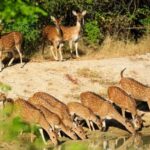
If you get lucky, you may see a mix of species in the same broad area: birds as the headline, then possible crocodiles and elephants when conditions line up. In one reported experience, guests mentioned seeing elephants, crocodiles, and birds, with the outing paced as a satisfying evening safari rather than a long drive followed by a short look.
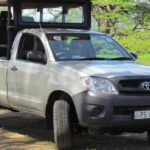
A final detail that affects your comfort: the vehicle used for the ride can make a difference. In one account, the SUV was described as new and modern. You can’t assume every tour will use the exact same model, but it’s a reminder that comfort matters on a longer day, especially with dusty roads and extended sitting.
Kokara tank for elephant viewing (safety note that matters)
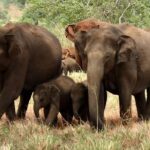
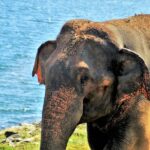
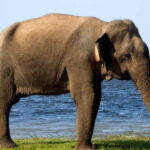
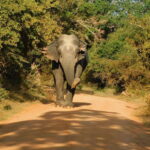
If you came for elephants, you’ll want to know about Kokara tank. This nearby tank is described as one of the best places to watch elephants in action at dusk. The wording matters: elephants are often seen frolicking around that time.
But here’s the serious part: the elephants found at Bundala are reported to be a little more aggressive due to human-elephant conflict in the area. That means you should treat the safety rules as more than paperwork. Keep your posture calm, don’t push for closer angles, and follow whatever guidance you’re given by the driver.
From a practical standpoint, this is exactly why private viewing can help. If your driver is experienced, you’re less likely to get stuck in chaotic positioning. You’ll still need patience—elephants don’t always appear on schedule—but you can increase your chances of seeing something special without turning the situation into a risky one.
Wildlife you can realistically expect: birds, crocodiles, big surprises
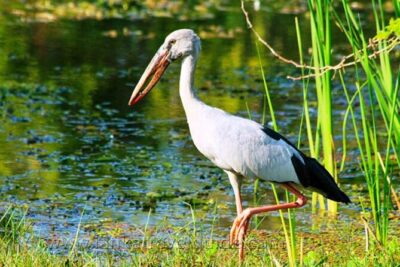
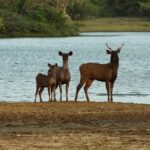
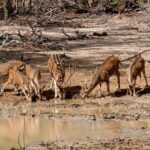
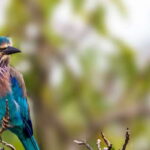
Bundala is famous for its water birds, and flamingos are the headline. But the habitat supports more than just one species story. The park contains many plant types and supports mammals, reptiles, and butterflies—so even if your flamingo moment is brief, you can still come away feeling like you saw the park “as a system,” not just as a single photo spot.
Based on reported outcomes from this kind of evening safari, a typical strong haul includes:
- Birds, especially around lagoon and wetland edges
- Possible crocodiles, often connected to waterlines
- Occasional elephants, particularly around dusk areas like Kokara
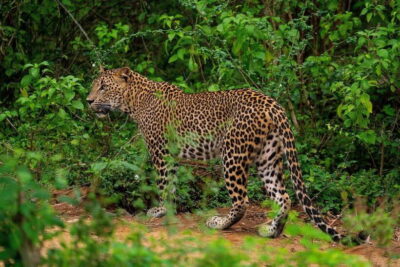
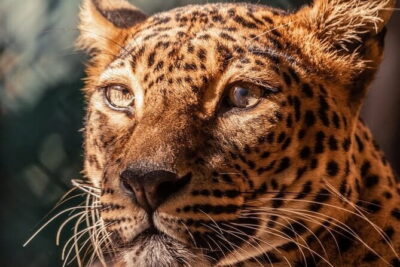
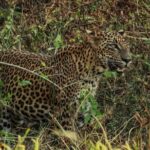
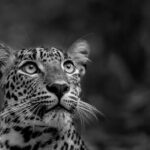
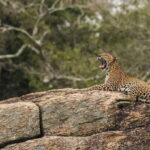
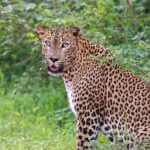
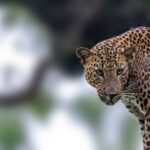
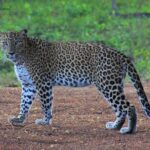
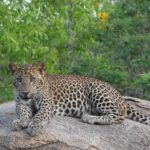
One account also mentions a guide showing leopards. That’s not something you should bank on, but it’s a useful sign that the tour can sometimes hit more dramatic big-cat territory than you’d assume from a dusk-focused bird-and-wetland plan.
How to think about your expectations: you’re not buying a guaranteed sighting of one iconic animal. You’re buying time in the right habitat at the right hour, with a private setup that helps you slow down and look carefully.
Price and value: is $67 per person fair?
The price is $67 per person for an evening private safari, with pickup offered and admission included. That’s a key value combo: admission and transport are often where costs quietly rise on wildlife tours.
It’s also booked fairly in advance on average—around 17 days. That doesn’t mean you must book exactly then, but it does suggest this safari fits into real travel planning calendars. If your trip is during peak periods, booking earlier can help you lock in the timing you want.
The best value angle here is the “private” part. You’re not paying just for a ticket; you’re paying for your own vehicle access and a schedule that supports longer observing time. If you’re traveling with at least one other person, the experience can feel even better because the private setup is shared across your group while the sightings don’t depend on squeezing into someone else’s route.
One more value point: weather can affect wildlife viewing. The tour requires good weather, and if it’s canceled for poor weather, you’ll be offered a different date or a full refund. That’s the kind of policy that protects you from paying for a safari day that can’t happen properly.
What to bring for a comfortable evening in Bundala
Evening safaris mean you’ll live with changing light and often cooler air compared with midday. Bring what helps you stay comfortable without turning the experience into a logistics project.
I’d pack the basics:
- A light layer for later hours
- Sun protection earlier in the drive (when you start at 1:30 pm)
- Water for the full outing window (since the full day can reach 7–8 hours)
- A small camera setup you can handle one-handed while you scan
If you have binoculars, this is the kind of environment where they can pay off, because birds can be present but not always close enough for detail. Also, wear shoes you don’t mind getting dusty.
Finally, keep your mindset simple. Wildlife viewing is about patient scanning. If you’re focused on the lagoon edges first, then widening your scan for movement, you’ll get more out of the same time in the field.
Should you book this Bundala evening safari with Yala La Safari Tours?
I’d book it if your goal is a private evening in one of Sri Lanka’s most bird-friendly wetland ecosystems. Bundala is built for lagoon life—especially flamingos—and dusk is when animal behavior can shift into more noticeable patterns. The private vehicle setup also makes it easier to enjoy the ride without traffic pressure.
You might skip—or at least lower your expectations—if you need a guaranteed sighting of a specific animal. Wildlife doesn’t run on a schedule, and elephant activity comes with extra safety considerations around areas like Kokara tank.
For most nature lovers who enjoy birds, reptiles, and the chance of bigger mammals near dusk, this is strong value: admission and pickup are included, the tour is private, and the timing fits the way wetland wildlife becomes active.
FAQ
What is the duration of the Evening Private Safari at Bundala Park?
The tour duration is listed as approximately 7 to 8 hours.
What time does the safari start?
The start time is 1:30 pm.
Where does the tour start and end?
The tour starts in Tissamaharama and ends back at the meeting point.
Is pickup included?
Yes, pickup is offered.
Is this tour private?
Yes. Only your group will participate.
What’s included in the ticket price?
Admission ticket is included. A mobile ticket is also used.
How much does it cost?
The price is $67.00 per person.
What if the weather is poor?
The experience requires good weather. If it’s canceled due to poor weather, you’ll be offered a different date or a full refund.
Is there free cancellation?
Yes, free cancellation is offered. You can cancel up to 24 hours in advance for a full refund.
Is the tour suitable for most people?
The tour indicates that most travelers can participate, and it’s near public transportation.