Early mornings in Yala can feel unreal. This guided safari in Yala National Park runs from 6:00 am for about 12 hours, led by a team of photographers and naturalists who focus on wildlife and nature knowledge. I love the mix of camera brain and animal brain, and I like that it’s set up as a private experience for just your group. The main drawback is simple: it’s a long, early day, so you’ll want to be ready for a full half-day to day-night schedule.
A lot of safari tours talk about wildlife. This one leans into understanding what you’re seeing, with a guide team experienced in Sri Lanka and internationally. You also get practical touches like a mobile ticket and the option of group discounts, which can make the price feel more sensible if you’re not going solo.
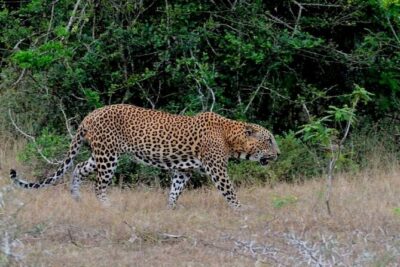
From the accounts I read, the highlight for many people is the feeling of getting real wildlife time, including a reported leopard sighting. If you’re coming from far away and want an authentic-feeling day in the park (not just a quick drive), this is built for that. Just remember: “chance” is always part of wildlife watching, even with excellent guidance.
In This Review
- Key highlights I’d plan around
- Why Yala’s 6:00 am start matters
- Meeting at the Main Entrance on B499 (and what that means for you)
- What the photographer-naturalist team actually adds
- The 12-hour park day: how to think about the schedule
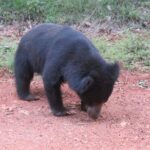
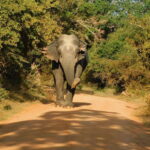
- Wildlife viewing: what you can hope for in Yala
- Price and value: what $235 gets you (and when it feels worth it)
- Who this safari suits best
- Should you book this Yala National Park safari?
- FAQ
- What time does the Yala National Park safari start?
- How long is the safari?
- Where do I meet for the safari?
- When does the safari end?
- Is this a private tour?
- What is the price per person?
- Is there a mobile ticket?
- Are group discounts available?
- How easy is it to get to the meeting point?
- What is the cancellation policy?
- Can most people participate?
Key highlights I’d plan around
- Photographer-naturalist guides: you get help both with seeing wildlife behavior and with making better photos
- Private group format: only your group participates, so the pace can feel more personal
- 6:00 am start in Yala: early timing helps you make the most of the day inside the park
- Main Entrance meeting point on B499: straightforward start and you return to the same place
- Group discounts + mobile ticket: better value potential, plus low-friction check-in
Why Yala’s 6:00 am start matters
Starting at 6:00 am is not just a fun fact. It changes the whole vibe of your safari day. Early hours usually mean cooler conditions and better visibility, and that’s exactly what you want when your focus is spotting animals and tracking movement. For a park like Yala, where wildlife viewing is the point, the schedule choice is a big part of the value.
It also means you should treat this like a “prepare the day” plan, not a “sleep in and wing it” plan. Your tour is listed at about 12 hours, so you’re committing to a long stretch. If you’re the type who needs coffee before anything else, plan your morning accordingly and don’t assume you’ll have time for a slow start.
The bright side: an early start often results in fewer “waiting around” moments than tours that start later. You’re already in position while other people are still waking up. That gives your guide room to work with the day instead of fighting the clock.
You can also read our reviews of more tours and experiences in Yala National Park.
Meeting at the Main Entrance on B499 (and what that means for you)
Your safari starts and ends at Yala National Park – Main Entrance (B499, Sri Lanka). That’s a comfort for two reasons. First, you don’t have to solve end-of-day navigation. Second, you know you’ll return to the same base location at the finish, which makes the rest of your day easier to manage.
This activity is also listed as near public transportation, which matters if you’re bouncing between parts of Sri Lanka and don’t want everything to depend on pre-booked private transfers. I can’t say what the exact bus timing is, but being close to public options generally reduces stress.
You’ll likely appreciate the mobile ticket detail too. If you’re arriving with your phone already packed with maps, messages, and confirmations, it’s one less thing to manage on the morning. It’s a small detail, but in practice it helps on days that start early.
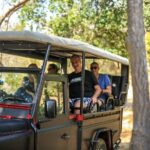
One more point: the experience is described as private, with only your group participating. That tends to mean less friction—no awkward mixing with strangers mid-day, and fewer chances for the day’s pace to get stalled by a mismatched group.
What the photographer-naturalist team actually adds
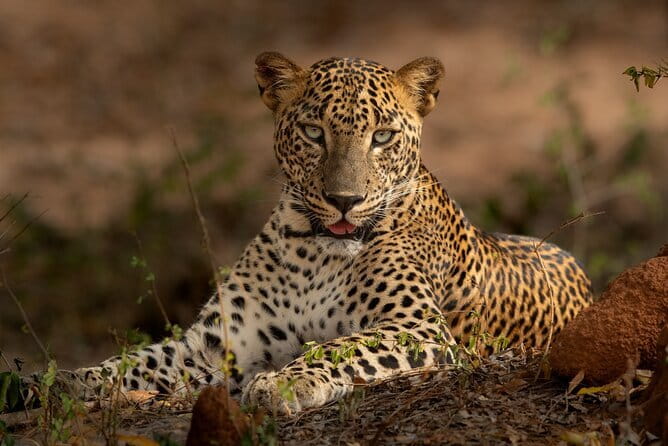
This safari is led by a team made up of photographers and naturalists. That combo is where the experience becomes more than just a vehicle ride. A photographer-naturalist approach usually means two things: you’ll get help noticing signs of animals (not only the animal itself), and you’ll get direction for capturing what you see.
In the accounts provided, the guides were praised for being very knowledgeable in how they handled the safari. I’ll reframe that in a practical way: it sounds like your guide can explain what you’re looking at and keep the experience moving without making you feel lost or rushed.
It also helps that the guide team has experience both in Sri Lanka and internationally. For you, that typically shows up as better communication and a smoother flow—especially if you’re visiting from overseas and want your day to feel well-run, not chaotic.
And yes, there’s a hint of “photographer energy” here. People who care about photos often get more from guides who understand how light, angles, and timing affect results. Even if you’re using a phone camera, it’s still valuable when someone helps you decide where to point it and when to wait.
The 12-hour park day: how to think about the schedule
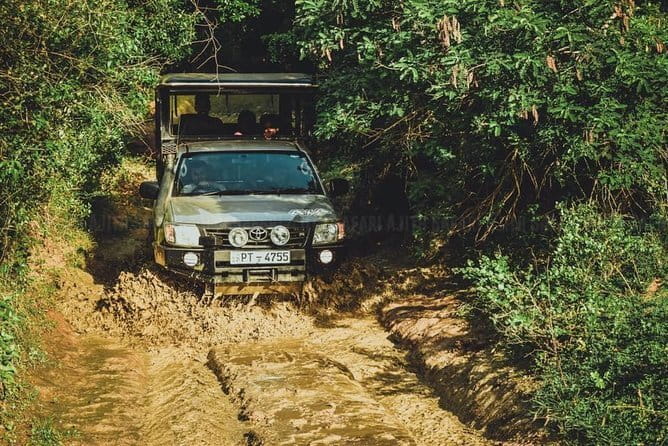
The tour is listed at about 12 hours total. That’s long enough that it becomes less about a single highlight and more about managing a full day’s worth of wildlife attention. Here’s how I’d think about it so the day stays enjoyable.
First, treat the safari as a marathon, not a sprint. Wildlife can move slowly; sighting windows can open and close fast. A good guided approach helps you stay patient and read the environment.
Second, expect that the day’s success comes from time spent in the right places. That’s where the guide team’s local experience matters. The longer the day, the more chances you have to keep searching when conditions change.
Third, plan your energy. Starting at 6:00 am and going for roughly 12 hours means you’ll probably be hungry and tired at some point. The provided info doesn’t spell out meal stops or breaks, so I can’t promise how often you’ll get them. My best advice: plan to bring snacks/water if your operator allows it, and be ready for a full-day rhythm.
If your main goal is a “one-and-done” wildlife day in Sri Lanka, this format fits. If you’re trying to pack three big tours into one week and you hate long travel days, you might feel the fatigue. It’s not a quick activity. It’s the kind of day that you’ll remember because it takes effort.
Wildlife viewing: what you can hope for in Yala
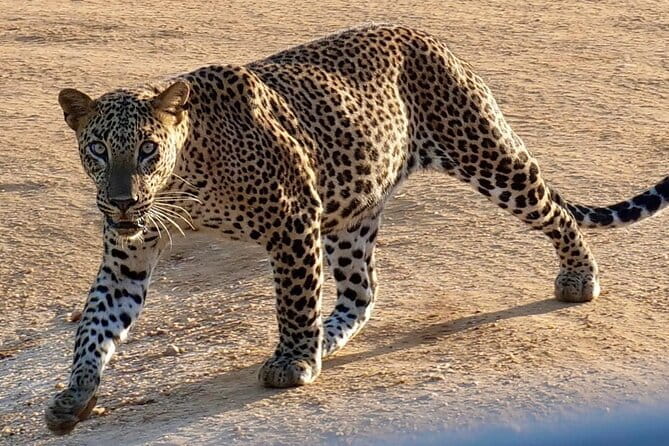
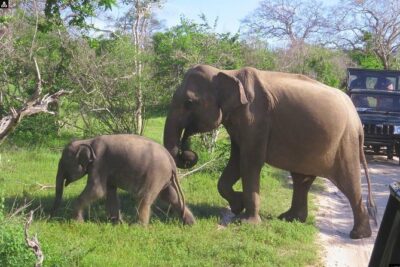
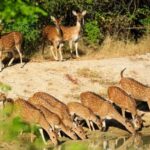
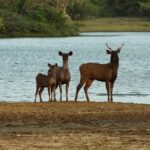
Yala National Park is famous for wildlife, but you should treat it like nature, not like a zoo. You can plan, you can listen to your guide, and you can drive smart—but you can’t force specific animals to appear.
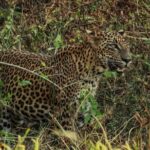
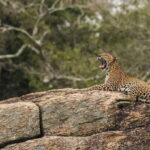
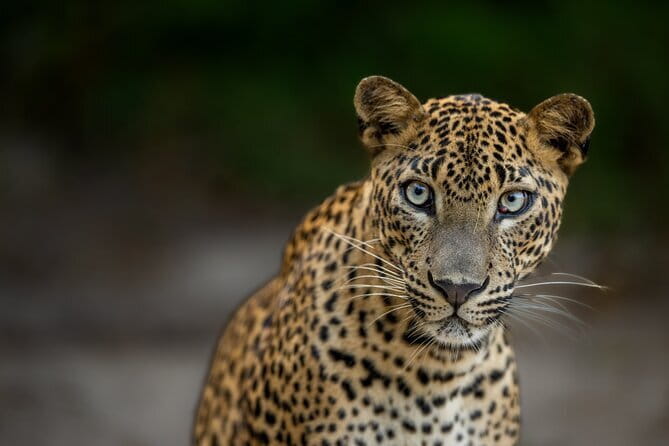
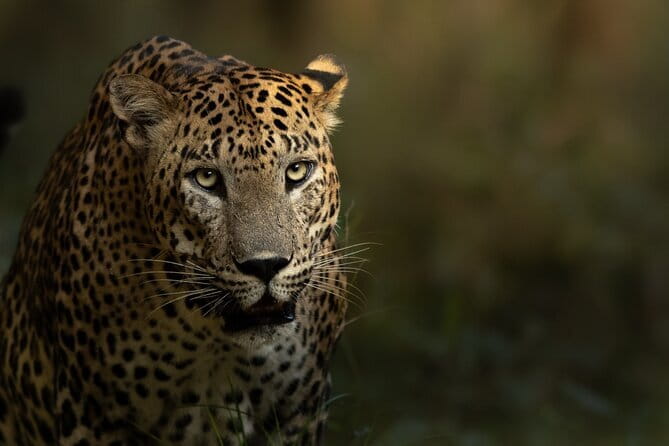
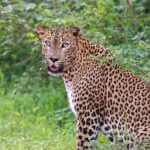
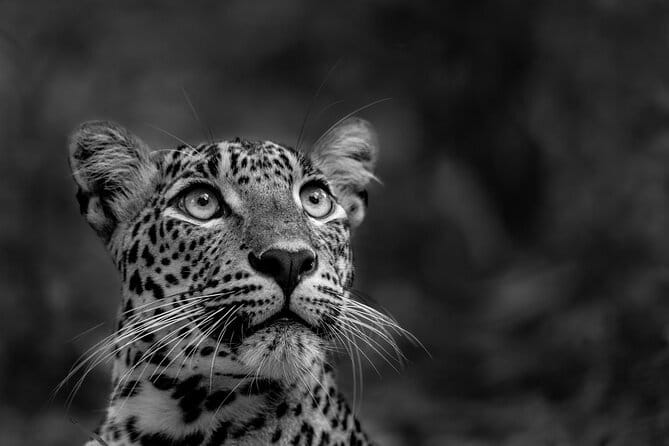
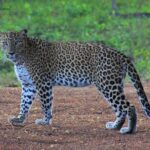
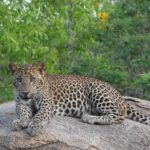
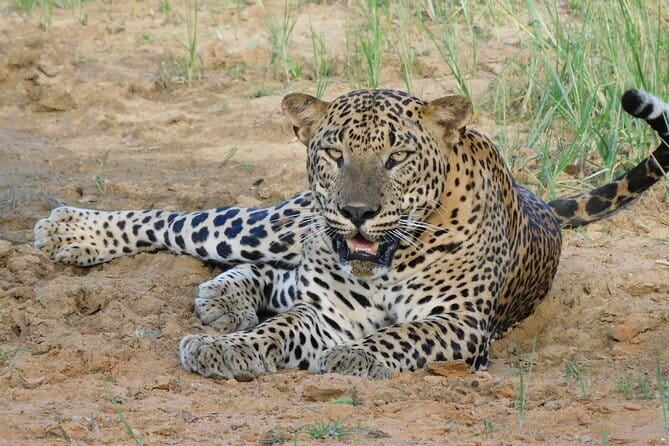
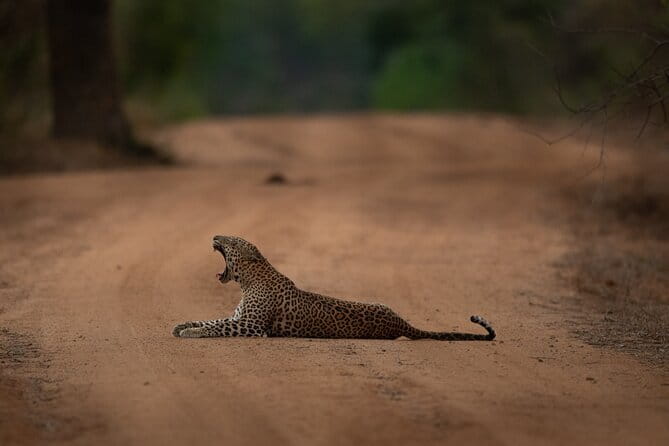
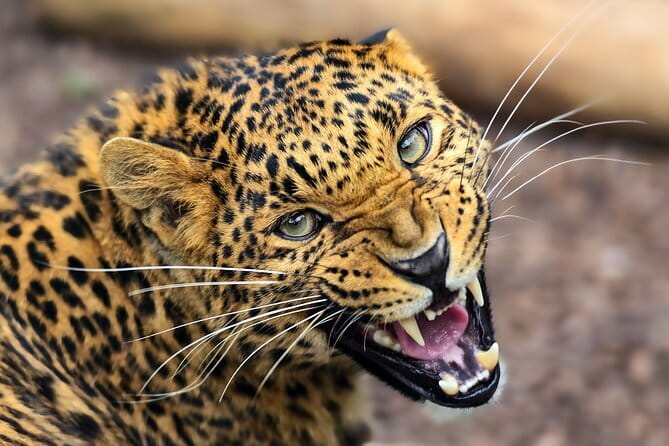
That said, the experiences shared include a reported leopard sighting. One family described seeing leopards and said the whole group enjoyed it. Another account highlighted that they got an authentic experience, with the guide helping keep the safari fun and productive.
So what does that mean for you? It suggests that the tour is set up for active wildlife searching, not passive sightseeing. The best safari days usually happen when you:
- pay attention to the guide’s callouts,
- stay calm when there’s no action for a bit,
- and use the time to scan for motion, not only for the biggest animals.
If you’re coming to Sri Lanka specifically for wildlife, this type of day—long enough to give you multiple “shots”—can feel like a strong match. If your expectations are ultra-specific (I only want leopards, nothing else), you’ll likely feel frustrated somewhere in the process. A more flexible mindset tends to deliver the better memory.
Price and value: what $235 gets you (and when it feels worth it)
The price is listed at $235.00 per person. On paper, that’s not cheap. But value isn’t only about cost—it’s about what you’re buying for that money.
Here’s what your price is likely paying for, based on the tour details:
- A full guided safari day (about 12 hours) rather than a short session
- A guide team that includes photographers and naturalists, which usually improves both spotting and learning
- A private group format, meaning your day is tailored to your group rather than shoehorned into a larger mixed crowd
- Group discounts (important if you’re traveling with friends or family)
- Mobile ticket convenience and a clear meeting point
When does it feel especially worth it? When at least two or more people are traveling together and you can take advantage of group discounts. If you’re traveling solo, it can still be worth it, but you’ll feel the premium more.
One thing I can’t confirm from the details provided is what’s included beyond the guide service (for example, whether park fees, meals, or transport are fully covered). So I’d treat the price as “guided safari day with a professional team,” then check what else is included before you lock it in. That’s how you avoid surprise add-ons.
Who this safari suits best
This tour fits people who want more than a drive-and-hope day. If you like wildlife, enjoy photography or want better photos, or you simply want a guide to explain what you’re seeing, this works well.
It also sounds family-friendly in spirit. One account mentioned doing the safari with family and that everyone enjoyed it, especially with the excitement of seeing leopards.
If you’re visiting Sri Lanka for a first time and you’ve had enough of tourist checklists, you’ll probably like the “hands-on” feel here—more learning, more watching, less rushing. And if you’re a photo-minded person, the photographer-naturalist approach is exactly the kind of support that helps you come home with more than blurry souvenirs.
Should you book this Yala National Park safari?
Book it if you want a guided wildlife day that’s built around expert spotting and a day-long time commitment. The 6:00 am start, the private group setup, and the photographer-naturalist team all point toward an experience designed to make your hours in Yala count.
I would not book it if you hate long days, dislike early starts, or you’re trying to squeeze in too many activities back-to-back. At about 12 hours, this is a proper safari commitment. Also, if you need specific animals guaranteed, no guide can promise that. The best mindset is: go for wildlife, learn along the way, and let nature do what it does.
If you’re deciding between a cheap, short safari and a more guided day, this sits closer to the “do it right” side. Especially if you can get group discounts, it becomes much easier to justify.
FAQ
What time does the Yala National Park safari start?
It starts at 6:00 am.
How long is the safari?
The duration is listed as approximately 12 hours.
Where do I meet for the safari?
You meet at Yala National Park – Main Entrance (B499, Sri Lanka).
When does the safari end?
The activity ends back at the meeting point.
Is this a private tour?
Yes. It’s listed as private, with only your group participating.
What is the price per person?
The price is $235.00 per person.
Is there a mobile ticket?
Yes, the tour includes a mobile ticket.
Are group discounts available?
Yes, group discounts are mentioned.
How easy is it to get to the meeting point?
The meeting point is listed as near public transportation.
What is the cancellation policy?
You can cancel for a full refund up to 24 hours before the experience starts. If you cancel less than 24 hours before, the amount paid is not refunded.
Can most people participate?
The information says most travelers can participate.