Spot wildlife before most people wake up. The big appeal of this 12-hour trip from Yala to Udawalawe is simple: you get two different safari landscapes in one long day, with both sunrise and sunset chances for animals at their most active.
I also like how the plan builds in real time to move around inside the parks. The Yala part starts at 5 AM so you can catch the light and animal activity during the best hours, and then you shift to Udawalawe in the afternoon for a second wildlife window.
One possible drawback is money clarity around the park entrance fees. The tour price covers pickup, transport, and a picnic lunch, but the national park entrance and service fees aren’t included, and that can lead to surprises if you don’t confirm the amount before you go.
In This Review
- Key things to know before you go
- How This 12-Hour Double Safari Actually Works
- 5 AM Pickup to Yala: Sunrise in the Golden Hours
- Why the sunrise timing is valuable
- Yala’s Safari Drive: Where the Best Sightings Come From
- The leopard reality check
- Picnic Lunch and the Drive to Udawalawe
- Udawalawe From 2:30 PM to Sunset: Elephant Country
- What makes Udawalawe fun in the late day
- 4×4 + Private Guide: The Difference Between Seeing and Not Seeing
- Price and Park Fees: The Money Math You Should Do First
- What I recommend you do
- What to Bring (and What to Skip)
- Who This Safari Day Fits Best
- Should You Book This Yala + Udawalawe Day Trip?
- FAQ
- FAQ
- How long is the Yala and Udawalawe day tour?
- What time does pickup happen?
- Where are pickup points available?
- What’s included in the price?
- Are national park entrance fees included?
- How much time do I get inside Udawalawe?
- Is there a guide, and what language do they speak?
- What animals am I likely to see?
- What should I bring?
- Is this tour suitable for everyone?
Key things to know before you go
- Two parks, one day: you’ll hunt for wildlife in Yala early, then switch to Udawalawe from mid-afternoon to close.
- Private guide in a 4×4: guides like Tiki and Tikiri make a noticeable difference in spotting and reading animal behavior.
- Golden-hours timing: sunrise in Yala and sunset in Udawalawe are built into the schedule for a reason.
- Picnic lunch + water included: you’ll be fed, but you should plan to cover your own extra food and drinks.
- Entrance fees are separate: budget extra for Yala and Udawalawe entry and service fees.
How This 12-Hour Double Safari Actually Works
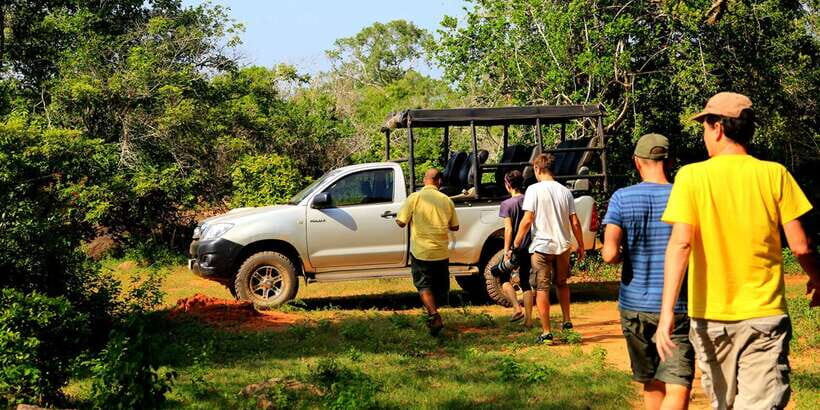
This is a fast-moving day designed for people who want maximum wildlife time without spending extra nights. You’re picked up early from your hotel (pickup covers places like Yala-area hotels plus Tissamaharama, Kataragama, and Hambantota) and then you drive into Yala first.
The rhythm matters. Yala is where you start under low morning light, and that usually makes spotting easier because animals stand out more in the scrub and grass. Then, after a picnic lunch, you head to Udawalawe for an afternoon drive that runs until the park closes at 6 PM. That gives you a second sweep of the day, and it also means you’re not stuck only in one park’s “mood.”
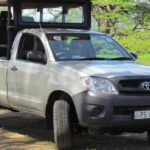
Since this is a private guide setup in a rugged 4×4 vehicle, you’re not sharing the safari experience with a crowd of unrelated priorities. In plain terms: your guide can focus on what you want to see and adjust the route as sightings pop up.
You can also read our reviews of more tours and experiences in Yala National Park.
5 AM Pickup to Yala: Sunrise in the Golden Hours
Your day starts with an early hotel pickup at 5:00 AM. That’s not just for dramatic sunrise photos. It’s practical: many animals move more in the cooler hours, and the landscape in Yala looks very different in morning light than it does later.
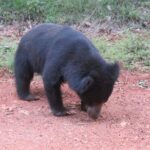
Once you arrive, you meet your private guide and climb into the 4×4. Yala is known for having 44 mammal varieties and 215 bird species, which is a lot of variety for a relatively compact safari day. Your guide will steer you through the park’s mix of habitats—light forests, scrubs, grasslands, and lagoons—so you’re not stuck watching from the same road all morning.
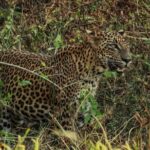
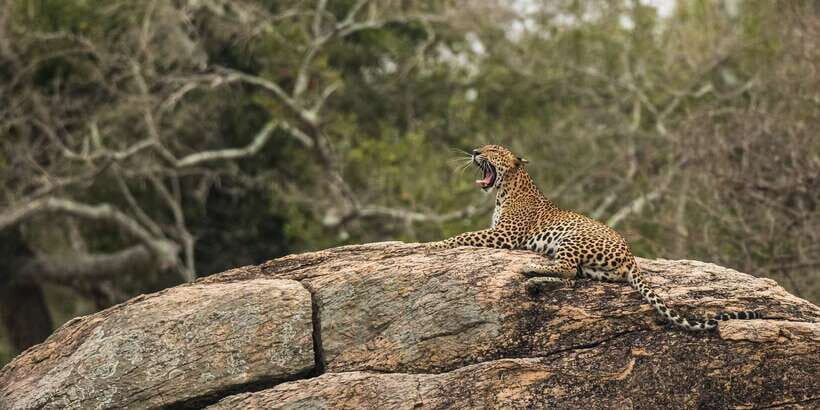
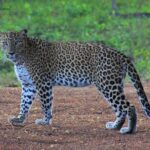
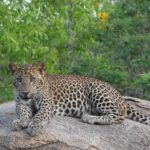
What you’re likely hunting for includes leopards and elephants, plus water buffalo, jackals, and a range of other animals. Leopard sightings can never be guaranteed, but starting early gives you a better shot at seeing something moving and feeding before it gets too hot and quiet.
Why the sunrise timing is valuable
If you’ve ever done a safari where you start late, you’ll know how quickly wildlife can feel “gone.” Here, sunrise is treated like a working session, not a casual perk. You’re in the right place at the right hour, and your guide has time to reposition if the first area doesn’t deliver.
Yala’s Safari Drive: Where the Best Sightings Come From
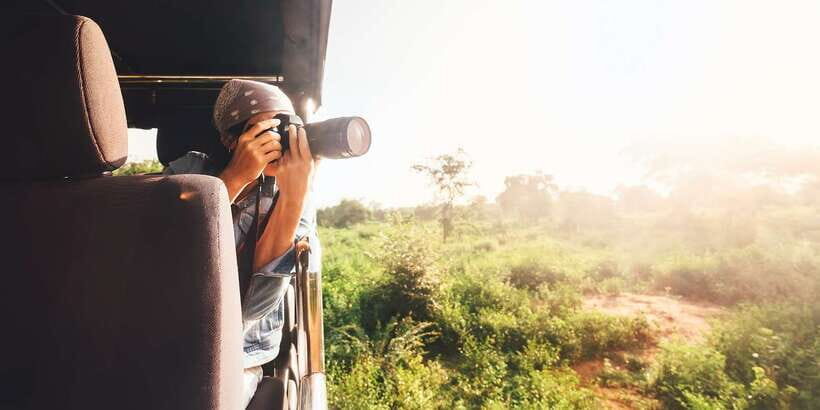
In Yala, your success depends on two things: habitat coverage and the guide’s ability to read the scene. Yala’s mix of scrub and grass can make animals hard to see—until the guide moves you at the right moment or finds the right viewing angle.
This is where the guide quality really shows. Some guides focus on driving and waiting; others actively work the search. In particular, guides such as Tiki and Tikiri are mentioned for doing more than just pointing at animals. With the right approach, you get better at understanding what you’re seeing: why an elephant is lingering near a lagoon, why jackals appear in certain clearings, and how different areas tend to hold different species.
A small but important note: if you’re the type who likes explanations, ask your guide early what they’ll do during the morning drive—more “story” or more “hunt.” Not every guide will match your style, and it’s better to align expectations from the start.
The leopard reality check
Even with great timing, leopards are elusive. Plan the morning for the full safari experience—elephants, buffalo, birds, and everything else moving through Yala—not just for a single big target. You’ll enjoy the day more, and you’ll still be thrilled if a leopard appears.
Picnic Lunch and the Drive to Udawalawe
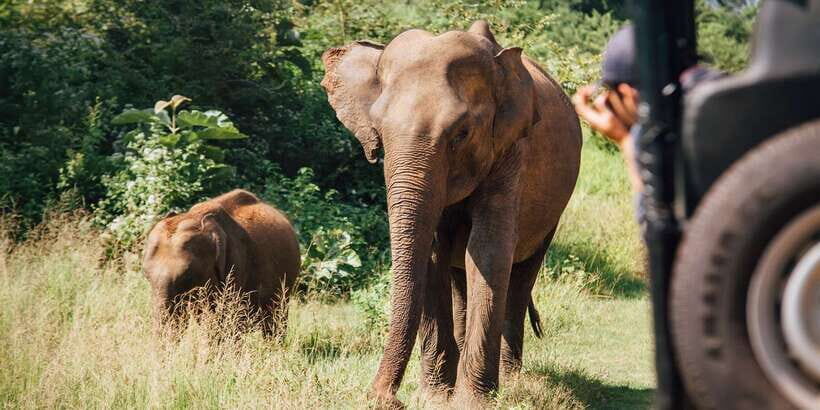
After the Yala safari, you stop for a picnic lunch. This matters more than it sounds. When you’re traveling by road for much of the day, having food planned into the schedule keeps you from burning time or energy searching for snacks.
You’ll also have water included, and the experience notes that a cool box and drinks are provided. That’s a smart touch for a day built around heat and time outdoors.
Then the transport shifts you toward Udawalawe National Park in the afternoon. The timing is deliberate: you arrive for an afternoon safari window that continues until the park’s closure at 6 PM.
Udawalawe From 2:30 PM to Sunset: Elephant Country
Udawalawe is where the day starts to feel different. Instead of the earliest-morning push, you get a calmer afternoon drive—but you still end with sunset when animals often become active again.
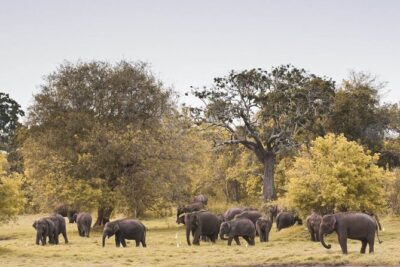
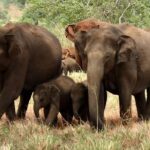
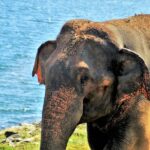
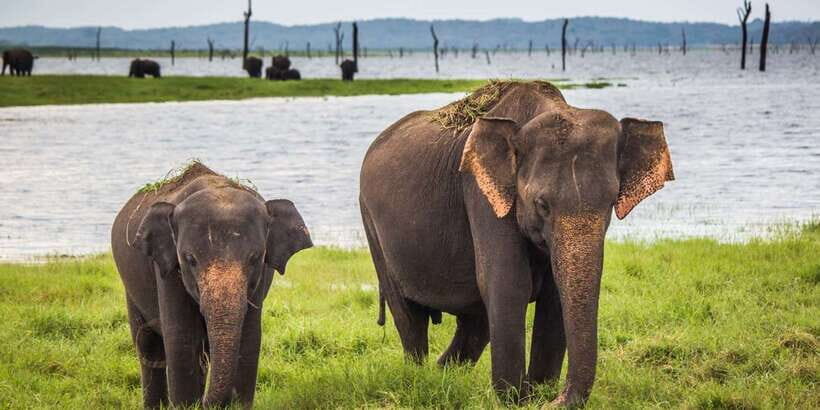
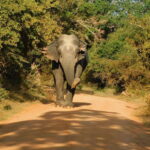
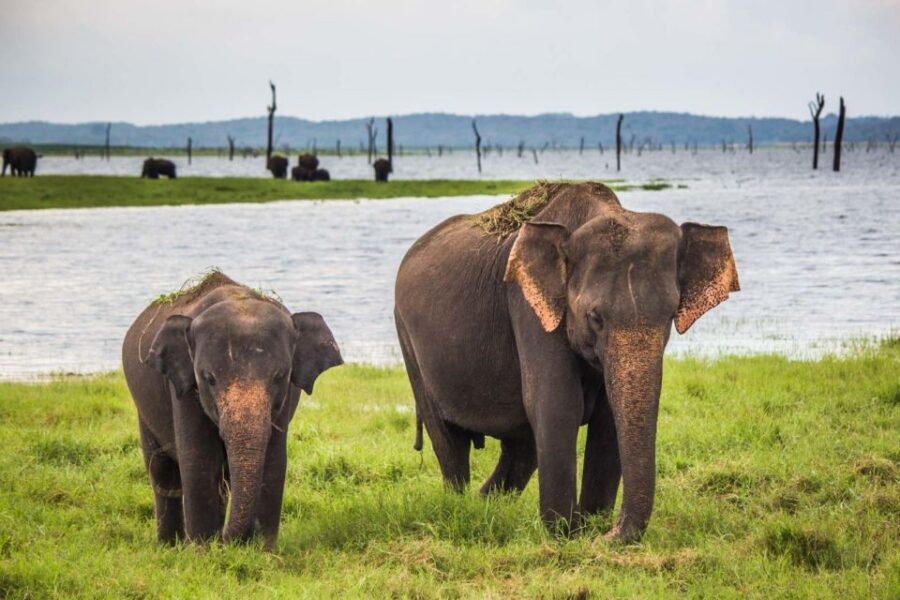
You’ll have safari time from 2:30 PM until closing at 6 PM. That’s a good length if you want steady chances rather than a frantic sprint. And Udawalawe is famous for its elephant concentration, so elephants are a major part of the “why” behind this route.
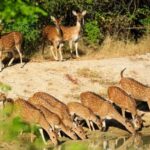
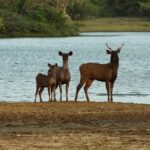
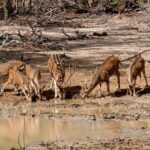
This park’s target list includes spotted deer, jackals, wild boar, wild buffalo, crocodiles, and of course elephants. If you love wildlife variety beyond the headline species, this is the kind of place that can keep delivering: one drive brings you a herd, another angle might show deer movement, and later you may spot predators or reptiles near the right terrain.
What makes Udawalawe fun in the late day
Later in the afternoon, light changes fast, and animals tend to use the last comfortable hours for feeding. The sunset push gives you that extra chance to see behavior rather than just bodies standing still.
4×4 + Private Guide: The Difference Between Seeing and Not Seeing
A rugged 4×4 isn’t just a “cool” detail. It affects where you can go, how you can position for sightlines, and how your guide can respond when animals appear.
In this kind of safari day, the vehicle and guide style can change the quality of your viewing:
- A careful driver can position for views without spooking animals.
- A driver who treats sightings like an Instagram race can make animals disappear faster than you’d expect.
In the experience notes and guide highlights, the more respectful approach stands out—drivers who find a place to watch rather than rushing closer at any cost. That’s how you usually get better, longer looks and avoid the common frustration of animals vanishing just as you arrive.
If you’re lucky with a strong guide, you’ll leave feeling like the day had a plan behind it, not random luck. The mention of guides such as Tiki and Tikiri is a clue: look for guides known for attention to spotting and for keeping the experience controlled and respectful.
Price and Park Fees: The Money Math You Should Do First
At $118 per person for a 12-hour day with hotel pickup/drop-off, a private guide in a 4×4, water, and a picnic lunch, the tour itself isn’t the expensive part. The bigger question is what happens when you add the national park costs.
Here’s the key point: entrance fees to Yala and Udawalawe are not included. The information provided specifically calls out Yala’s entrance and service fees as about 13,000 LKR (roughly $40), and it also states Udawalawe has additional entrance and service fees.
So the value depends on transparency and totals:
- If you know roughly what the park fees will be, the $118 price starts to look like a straightforward “transport + guide + timing” cost.
- If the park fees are unclear until the last minute, the tour can feel overpriced for what you thought you booked.
What I recommend you do
Before you go, confirm the park fee amounts you’ll pay on the day (and ask whether they’re entrance-only or entrance + service fees). If the number you expect doesn’t match the number you’re asked for, you’ll save yourself stress by handling it up front.
This is the one area where this experience can swing from great value to a frustrating experience.
What to Bring (and What to Skip)
This safari day is outdoors-heavy and timing-heavy, so pack for comfort and visibility.
Bring:
- Sun hat
- Camera
You should also plan for heat and bright light, since you’re doing sunrise in Yala and ending with sunset in Udawalawe. Sunglasses and sunscreen would be smart, even if they aren’t listed, because the schedule gives you little flexibility once you’re on the road.
Not allowed:
- Pets
- Smoking
And you need to know if this tour fits your body:
- Not suitable for pregnant women
- Not suitable for people with back problems
A 4×4 safari can be bumpy, and the day is long. If you have any mobility or comfort limitations, this is one to be cautious with.
Who This Safari Day Fits Best
This is best for you if:
- You want two Sri Lanka national parks in one day.
- You’re comfortable with an early start and a long day outdoors.
- You care about timing (sunrise + sunset), not just checking a box.
- You’ll appreciate a guide who can spot animals and keep the driving respectful.
It’s less ideal if:
- You need a relaxed pace or you get worn out by early mornings.
- You’re very sensitive to additional costs you might not have budgeted for (because park fees are separate).
- Your health situation makes bumpy vehicle time risky.
Should You Book This Yala + Udawalawe Day Trip?
I’d book it if you want a serious wildlife day and you’re prepared for the two-part park setup. The biggest strengths are the sunrise-to-sunset timing and the fact that you’re doing both parks rather than choosing only one. When the guide is strong—like Tiki or Tikiri—the day can feel purposeful, with better spotting and better animal behavior reads.
I would also book it only after you confirm the park entrance and service fees you’ll pay. That’s the one spot where this experience can feel unfair if it isn’t transparent.
If those fees are clear and you’re ready for an all-day adventure, this is a solid way to experience Sri Lanka’s wildlife without adding another hotel night.
FAQ
FAQ
How long is the Yala and Udawalawe day tour?
It runs for 12 hours.
What time does pickup happen?
Pickup is at 5 AM.
Where are pickup points available?
Pickup is included from any hotel in Yala, Tissamaharama, Kataragama, and Hambantota.
What’s included in the price?
Hotel pickup and drop-off, a picnic lunch, water, and transportation are included.
Are national park entrance fees included?
No. Entrance and service fees for Yala and entrance fees for Udawalawa are not included.
How much time do I get inside Udawalawe?
You’ll have time from 2:30 PM until the park closes at 6 PM.
Is there a guide, and what language do they speak?
Yes, there is a live tour guide who speaks English.
What animals am I likely to see?
You can look for elephants, leopards, water buffalo, jackals, spotted deer, wild boar, wild buffalo, and crocodiles, depending on conditions.
What should I bring?
Bring a sun hat and a camera.
Is this tour suitable for everyone?
It is not suitable for pregnant women or people with back problems. Pets and smoking are not allowed.