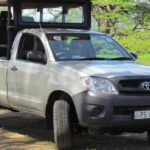
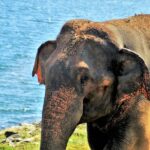
A quieter park with serious wildlife. Lunugamwehera National Park is a strong Sri Lanka safari choice, especially when you want elephants and water birds in a less hectic setting. The game drive runs about 8 hours in a Toyota Hilux 4WD with a small group, and you enter via the Weheragala entrance for better odds of standout sightings.
What I like most is the quality of the guide team: you get experienced drivers cum guides who are licensed from the Wildlife Department of Sri Lanka. I also love the park’s character—this reserve protects the Lunugamwehera reservoir catchment, so the wetlands and water-bird habitat matter a lot, not just the animal checklist.
One drawback to plan for: the package price does not include the park entrance fees. Budget extra, and note that fees must be paid in Sri Lankan Rupees (cash) or by credit card at the entrance.
In This Review
- Key highlights worth your attention
- Lunugamwehera National Park and why the Weheragala entrance changes your odds
- Ajith Safari Jeep Tours: how the 4WD setup helps you spot wildlife
- What an 8-hour Lunugamwehera safari day feels like
- Inside Lunugamwehera: elephants, water birds, and the corridor effect
- Making peace with a quiet day: how to get results anyway
- Price and logistics: what $79 really buys you (and what is extra)
- Who this Lunugamwehera safari is best for
- Should you book Ajith Safari Jeep Tours to Lunugamwehera?
- FAQ
- How long is the Lunugamwehera game drive experience?
- What is included in the $79 per group price?
- Are park entrance fees included?
- How do I pay the park entrance fee?
- Is breakfast or lunch included?
- What vehicle do you use for the safari?
- How many people are in the group?
- Where is the meeting point?
- What happens if weather is poor?
- Do I get a mobile ticket?
Key highlights worth your attention
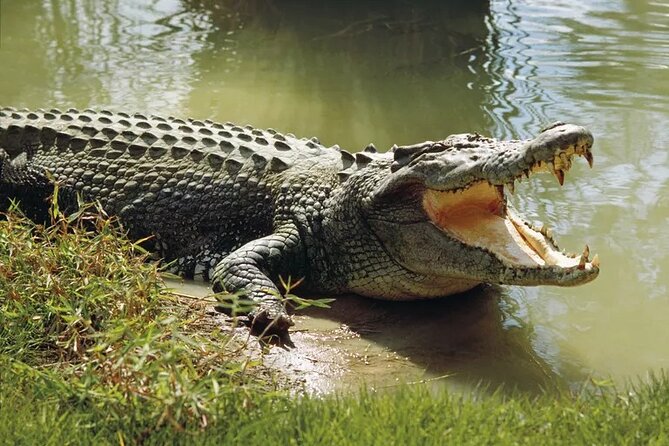
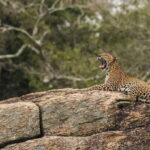
- Weheragala entrance access: designed for a higher chance of elusive Sri Lankan leopards and more animals
- Small group Jeep safari: max 6 travelers in a shared Toyota Hilux 4WD
- Licensed wildlife guides: drivers cum guides are licensed from Sri Lanka’s Wildlife Department
- Park that supports elephants and water birds: conservation links reservoir catchment to downstream tanks and wetlands
- Time well spent on game drive: one main stop inside Lunugamwehera for about 8 hours total
- A calm day can still be a great day: ask for less busy areas like block 5 instead of assuming it is a bust
Lunugamwehera National Park and why the Weheragala entrance changes your odds
Lunugamwehera National Park, declared in 1995, was set up to protect something very practical: the catchment area that feeds the Lunugamwehera reservoir. That reservoir influence then supports wetland conditions downstream, including the broader ecological feel you associate with Sri Lanka’s water-bird hotspots. The park also protects wildlife in its own right, with elephants and lots of birds making this area a real draw.
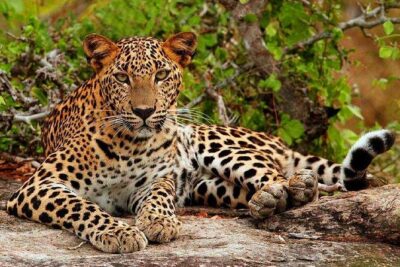
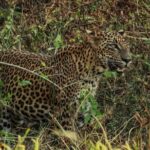
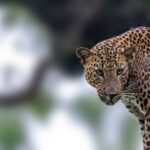
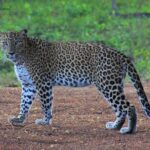
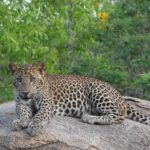
Here’s the part that matters for your expectations. There are two entrances, and entering from the Weheragala side is said to raise your chances of seeing elusive Sri Lankan leopards and encountering more animals overall. That does not mean you will definitely see a leopard, but it does mean the route choice is aimed at maximizing your time in the right zones.
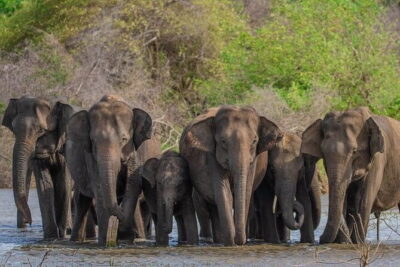
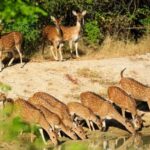
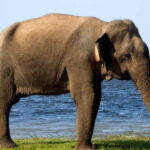
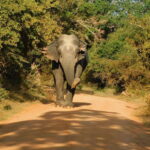
This park also functions as a corridor for elephant movement between Yala National Park and Udawalawe National Park. So even if your day is slower than the wildest safari stories you have heard, elephants can still show up because the park is positioned for movement, not just isolated resident animals.
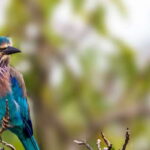
And if you care about birds, this is a strong place to look. The habitat role is central here: water birds use the wetlands and reservoir-linked areas, and the park is noted for hosting important bird life.
You can also read our reviews of more tours and experiences in Yala National Park.
Ajith Safari Jeep Tours: how the 4WD setup helps you spot wildlife
Your safari is run by Ajith Safari Jeep Tours, using a Toyota Hilux 4WD safari jeep with a maximum of 6 passengers on a sharing basis. For game drive days, smaller is better. A smaller group tends to be easier to manage when your driver is trying to position the Jeep for sight lines, share info quickly, and move at a pace that fits animal behavior.
The guides are not generic drivers with a GPS. The tour includes experienced drivers cum guides licensed from the Wildlife Department of Sri Lanka. That license matters to me because it signals professionalism, especially when wildlife sightings can be unpredictable and you need good judgment about where to stop and how to read the landscape.
If you select it, you can also get hotel pickup and drop-off. That is a real time-saver, because it helps you avoid extra coordinating on a long day. You also receive a mobile ticket, and confirmation is sent at booking, which keeps things straightforward.
One practical detail: you start and finish at the Ajith Safari Jeep Tours base in Tissamaharama (No 984/B, Debarawewa). Ending back at the meeting point is useful because you are not guessing your way through a “transfer to another office” situation.
What an 8-hour Lunugamwehera safari day feels like
This is an all-in-one outing built around the time you spend in the park. The total duration is listed at about 8 hours, and the plan focuses on the Lunugamwehera National Park game drive as the main event.
That time window matters. In many parks, the best sightings cluster around certain day rhythms—so you do not want a tour that burns hours on long detours or extra stops. Here, you are essentially paying for a long game drive block, with transportation included from your pickup option.
If you are traveling with kids or you just want a “less rushed” day, this structure works well. The goal is consistent: settle into the Jeep, scan patiently, and let your licensed driver manage the pace based on what the park is giving you that day.
Inside Lunugamwehera: elephants, water birds, and the corridor effect
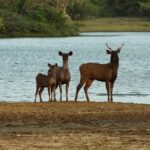
Lunugamwehera is known for elephants and water birds, and the reasons are rooted in conservation and geography. The catchment area keeps water levels relevant, and that supports the downstream tanks and wetland conditions linked to the broader ecology of the Kirindi Oya area and beyond.
For you, that means two things while you are out there:
- You can reasonably target elephants because the park is used as a corridor between major protected areas.
- You should also expect water-bird focus, not just mammals. This is one of those safaris where bird watching can be a big part of your day, not an afterthought.
The park is also described as important for migrant birds. If you are the type who enjoys spotting birds as much as big animals, you will likely feel rewarded even when big cat sightings are quiet.
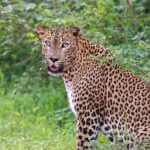
Now, about the leopard angle. Because you enter from Weheragala, you get a better shot at those elusive Sri Lankan leopards. Still, treat leopard sightings as a bonus, not a guarantee. The value of the day is that you are not only chasing one species—you are in a working habitat that supports multiple forms of wildlife.
Making peace with a quiet day: how to get results anyway
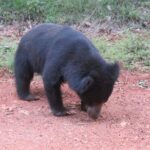
One of the best real-world lessons from this kind of safari is simple: not every day is loud with constant action. Lunugamwehera can be quiet. If that happens, your goal should shift from chasing intensity to maximizing attention.
A practical example from experience in this area: when you have an early start and you are among the first into the park, you may find fewer vehicles around. That helps. Fewer vehicles often means less noise and less crowding around animals. It can also mean your guide spends more time calmly scanning instead of reacting to a rush.
There is also a useful mindset tip: do not dismiss less popular sectors. One account specifically calls out block 5—basically, do not assume a quieter area equals lower value. If your guide suggests an area that is not crowded, take it seriously and give it time.
So what should you do during slower stretches?
- Stay patient and keep scanning for movement near water and edges.
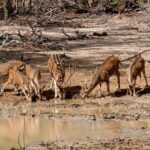
- Pay attention to bird activity. Birds often react before larger animals become obvious.
- Trust your driver’s judgment, especially since the guides here are licensed and experienced.
And if your day turns out quieter than expected, you can still come away with a sense of place. This park has a different feel compared to busier safari circuits. Nature and plants matter here too, not just the big “spot the animal” moment.
Price and logistics: what $79 really buys you (and what is extra)
The tour price is listed at $79.00 per group, up to 6 people. That pricing model is where value can shine—because the per-person cost drops as your group fills. Since this is a shared jeep, you may end up paying less than you would if you chartered privately.
But the key budgeting item is the park entrance fee, which is not included. The entrance fee is 11,000/- Sri Lankan Rupees per person, which is around $37 per person based on the provided estimate. That means your true all-in day cost is more than the headline price.
Also, park fees have a payment condition that you should plan for: you can pay by credit card or in Sri Lankan Rupees cash at the entrance. The info specifically notes that there is no facility at present for cash payments in foreign currencies at the park entrance. So if you want an easy day, bring LKR for the gate fee.
Food is not built into the base cost either. There is an option for breakfast on request (USD 8 per person) and lunch on request (USD 10 per person). If you want meals to be simple, decide ahead of time so you do not scramble while you are already in safari mode.
Who this Lunugamwehera safari is best for
This tour fits a few types of travelers very well.
Families with children often enjoy it because the outing has a natural rhythm: a full day in the Jeep, chances to see wildlife, and lots of things to look at besides one target animal. The park’s combination of animals, water birds, and habitat character gives kids and adults different things to watch at different moments.
If you love animals but also enjoy nature details, you will likely appreciate the environment more than you expect. The info highlights nature, various plants, and exotic flowers as part of the “life time experience” angle people talk about with this park. Even if you only spot a few animals, you are still in a habitat with visual and ecological interest.
If you are trying to diversify from Yala-style itineraries, Lunugamwehera is a strong second safari day. It is not just another drive—this area’s elephant corridor role and water-bird habitat focus give it its own personality.
And if your priority is leopard odds, the Weheragala entrance is the reason to choose this route. Just remember: better odds does not equal guaranteed sightings.
Should you book Ajith Safari Jeep Tours to Lunugamwehera?
Book this safari if you want a small-group 4WD game drive with licensed guides, and you are willing to pay the separate park entrance fee. I think it is a smart pick if you like patient wildlife watching, birds, and the idea of a calmer park where you can focus on what your guide is finding rather than fighting crowds.
Skip it or reconsider if you are only happy with a nonstop stream of animals. Since Lunugamwehera can be quiet, you need the right mindset—especially on days when sightings are less frequent than usual. Also, if you do not plan for LKR at the gate, that could make things stressful.
FAQ
How long is the Lunugamwehera game drive experience?
It is listed as approximately 8 hours.
What is included in the $79 per group price?
The tour includes experienced drivers cum guides (licensed from Sri Lanka’s Wildlife Department), hotel pickup and drop-off if you select that option, and a Toyota Hilux 4WD safari jeep on a sharing basis (max 6 pax).
Are park entrance fees included?
No. Park entrance fees are not included and must be paid at the entrance (11,000/- Sri Lankan Rupees per person, around $37 per person).
How do I pay the park entrance fee?
The entrance fee can be paid in Sri Lankan Rupees cash or through a credit card. Cash payments in foreign currencies are not available at present at the entrance.
Is breakfast or lunch included?
Breakfast and lunch are not included in the base price. They are available on request for USD 8 per person (breakfast) and USD 10 per person (lunch).
What vehicle do you use for the safari?
You go in a Toyota Hilux 4WD safari jeep with a maximum of 6 passengers on a sharing basis.
How many people are in the group?
The tour has a maximum of 6 travelers.
Where is the meeting point?
The meeting point is Ajith Safari Jeep Tours – Yala Safari Operator, No 984/B, Debarawewa, Tissamaharama 82600, Sri Lanka. The tour ends back at the meeting point.
What happens if weather is poor?
This experience requires good weather. If it is canceled due to poor weather, you will be offered a different date or a full refund.
Do I get a mobile ticket?
Yes, the tour includes a mobile ticket.