Elephants on the loose is a pretty good plan. From Hambantota Port, this Udawalawe day trip strings together a jeep safari through grasslands and forests and then follows up with a visit to the Elephant Transit Home. The whole setup is built for animal sightings, with small-vehicle time in the park and helpful extras like binoculars.
What I like most is the value-for-time feel: you’re in a proper Toyota Hilux jeep with a small group (up to 6). I also like that the experience is geared toward spotting big herds of elephants, plus the park’s other stars like water buffalo, deer, and lots of birds.
One thing to plan for: the tour price does not include the entry fees. You’ll pay additional admission for Udawalawe National Park and the Elephant Transit Home, so your all-in total is higher than the $45 you see at first glance.
In This Review
- Key things that make this tour worth your time
- From Hambantota Port to Udawalawe: a smart short-day safari move
- Jeep safari in Udawalawe National Park: grasslands, forest pockets, and big-herd odds
- How the jeep setup affects what you see
- The Elephant Transit Home: where the day shifts from viewing to conservation
- A budgeting heads-up: entry fees apply
- Price and logistics: is $45 fair, once you count the full day?
- What you get for your money
- A small group note on “private vs shared”
- Driver spotter time: the underrated reason safaris feel better
- Timing your day: what 6–7 hours really means in Udawalawe
- Who should book this Udawalawe safari from Hambantota port?
- Booking value: what I’d watch before you click Confirm
- Should you book this tour? My honest take
- FAQ
- How long is the Udawalawe Safari & Elephant Transit Home tour?
- Is pickup and drop-off included from Hambantota Port?
- What is included in the $45 per person price?
- What is not included in the tour price?
- How many people are in the safari jeep?
- Is there a mobile ticket and confirmation when I book?
- What is the cancellation policy?
Key things that make this tour worth your time
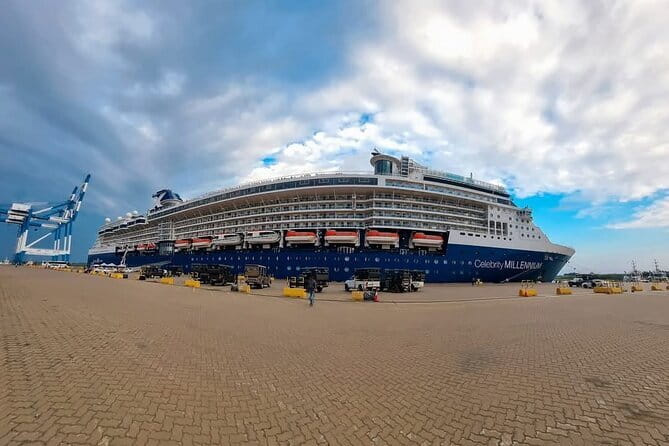
- Hambantota port pickup and drop keeps the day simple if you’re starting by sea.
- Small jeep group size (max 6 passengers) makes the safari feel less crowded.
- Udawalawe’s mix of habitats (open grasslands, dense forest, and the reservoir area) improves your odds.
- Elephant sightings are the main event, and this park is famous for large herds.
- Binoculars + bottled water + snacks handle the practical stuff so you can focus on wildlife.
- Elephant Transit Home visit adds a conservation angle beyond just photo stops.
From Hambantota Port to Udawalawe: a smart short-day safari move
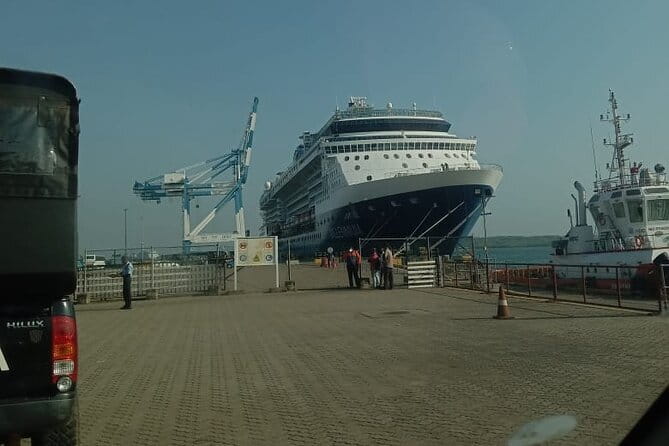
If you’re basing yourself around Hambantota, you’ve got two paths with wildlife days: either commit to a longer land transfer, or pick something that’s designed for cruise- or port-day schedules. This tour is built around port pickup and port return, which matters more than people think. A safari day can turn sour when the logistics chew up your prime daylight. Here, your morning is set up to get you into Udawalawe National Park and back within a 6–7 hour window.
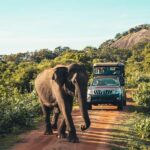
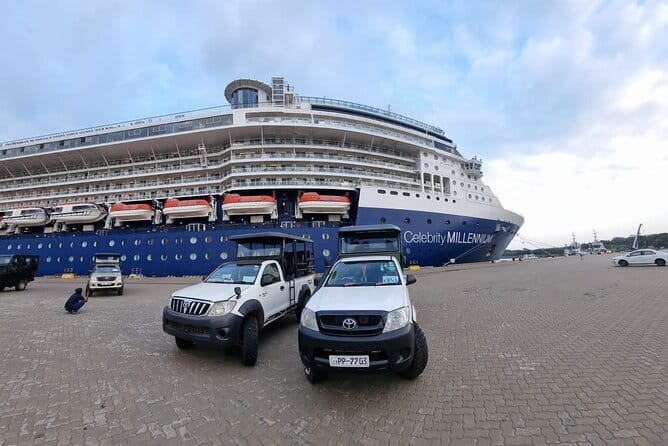
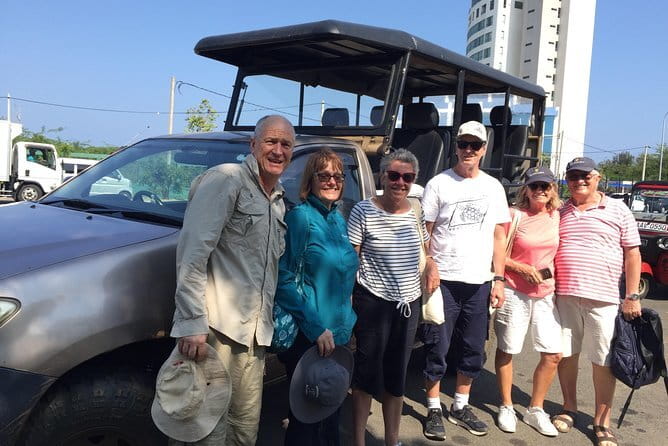
You also get a driver and a vehicle that are tuned for the job. The tour uses a Toyota Hilux jeep, and it’s set up for safari viewing rather than just transportation. That means less time stuck in discomfort and more time watching the park’s action play out at a human scale.
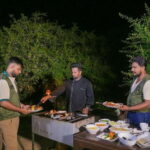
One more practical point: the experience includes snacks, bottled water, and binoculars. That’s not flashy, but it’s exactly what keeps you from spending the day worrying about basics. You can keep your attention on the animals and the scenery that helps you understand where they’re moving.
You can also read our reviews of more tours and experiences in Hambantota.

Jeep safari in Udawalawe National Park: grasslands, forest pockets, and big-herd odds
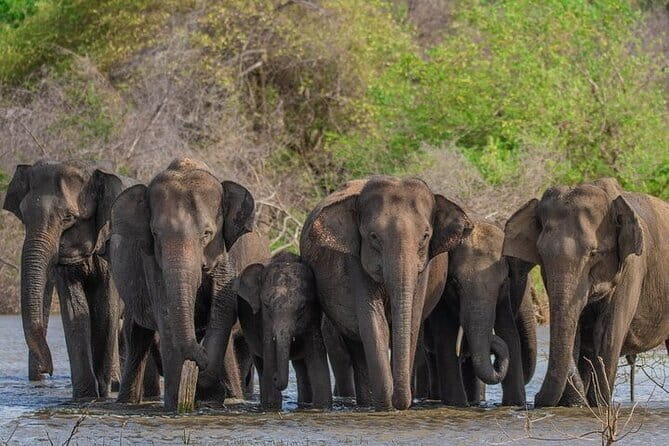
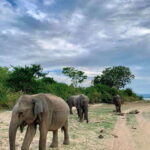
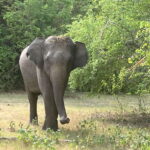
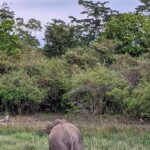
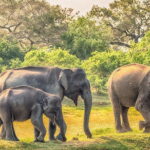
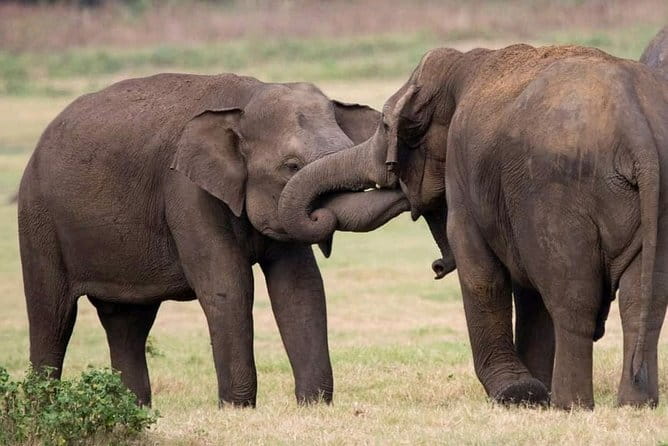
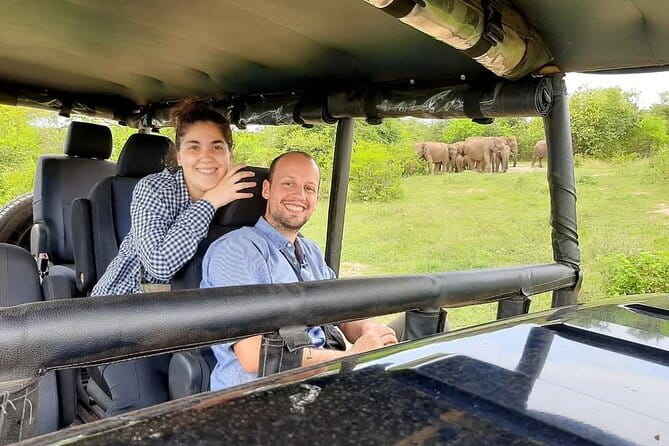
Udawalawe National Park is famous for a big, simple reason: elephants. The park supports a large elephant population, and sightings are described as nearly guaranteed. Even if you’ve seen elephants before, Udawalawe is still a special kind of feeling because you’re often watching multiple animals at once—sometimes in herds rather than a lone walk-by.
The reason the safari approach works is the park’s variety. You’re not just driving through one uniform strip of habitat. Udawalawe includes:
- Open grasslands, where animals can move and you can spot them from a distance.
- Dense forest areas, where you might catch movement before you can see the animal clearly.
- The Udawalawe Reservoir area, which brings water-focused wildlife behavior into play.
This mix helps you because wildlife doesn’t behave the same way in every environment. Grasslands tend to offer clearer sightlines. Forest edges can surprise you with quick appearances. Reservoir areas often pull in animals that are tied to water.
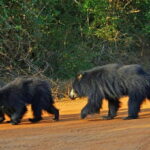
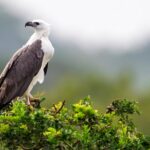
You’re also not restricted to elephants. The park is a wildlife sanctuary with a broad menu of sightings. Expect chances for water buffalo, deer, and a range of birds. The bird list is part of the fun here: eagles and kingfishers are called out, so if you like wildlife that doesn’t require stomping around to be noticed, you’ll have moments to slow down and look.
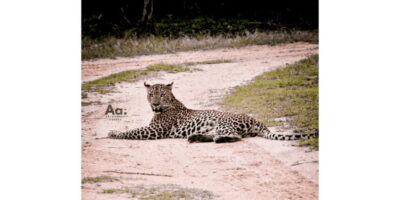
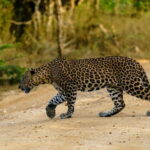
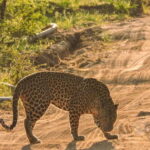
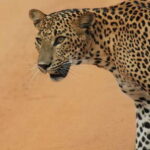
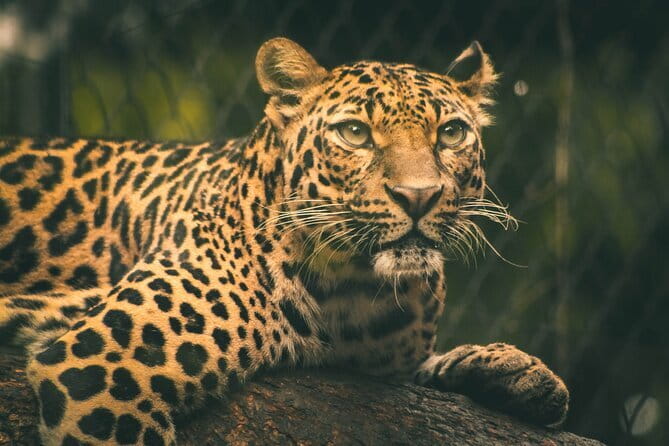
What about the “rare but possible” species factor? The park is also associated with leopards. The honest way to think about it: elephants are the headline, leopards are the wildcard. That’s not a problem—it just helps you set expectations so you don’t leave disappointed if the big cat doesn’t show up during your drive time.
How the jeep setup affects what you see
Small group safari time is a real advantage. Your jeep has a maximum of 6 passengers, which keeps the viewing experience workable. When you’re packed into a bigger group, spotting gets harder because people’s heads and camera angles compete for the same line of sight. With a smaller count, you tend to get more efficient observation—especially when an animal appears quickly.
Add the binoculars, and your odds improve again. Elephants can be close, but they can also be just far enough that you’ll appreciate zooming in on ear flaps, herd spacing, and movement patterns. Binoculars are included, so you don’t have to guess whether your own gear is up to the task.
The Elephant Transit Home: where the day shifts from viewing to conservation

After the safari portion, the experience continues to the Elephant Transit Home, often described in connection with orphaned elephants and conservation work. The key point you should take into the visit is that this isn’t just about sightseeing. You’re stepping into a place that exists because elephant lives sometimes need rescue and rehabilitation support.
You’ll want to approach it with patience and respect. From a visitor standpoint, the useful mindset is: watch how the facility functions, notice the human care angle, and keep your questions simple. This kind of place can be emotionally intense, so it helps to balance empathy with calm observation.
A budgeting heads-up: entry fees apply
Admission for Udawalawe National Park and the Elephant Transit Home is not included in the base tour price. You should plan for $50 per person for those tickets. That changes the math for value, so I recommend you treat the tour as two layers:
- $45 for the safari package (transport from Hambantota port, driver, snacks, water, binoculars, and the jeep time)
- $50 for the required entry admissions
All-in, you’re looking at about $95 per person before any personal spending.
Price and logistics: is $45 fair, once you count the full day?
A straight $45 for a safari day from a port area can look like a steal. But I’m glad the pricing is clear. The base tour covers the hard parts you’d otherwise pay for directly: pickup and drop, a safari driver, snacks, water, and the jeep itself. It also includes the practical “extras” like binoculars and a smaller-vehicle limit.
Then there’s the cost that matters but isn’t included: park and transit home admissions at $50 per person. You’ll either pay that later with cash/card depending on the setup, or you’ll follow the instructions from your confirmation details. Either way, you should factor it in so you don’t get surprised mid-day.
What you get for your money
Here’s why the price can still work well even with the added admission:
- You’re getting a full jeep safari session rather than a quick photo stop.
- You’re not buying binoculars or snacks separately.
- Your driver and spotting time are part of the package.
- The day is compact (about 6–7 hours), which is often the difference between a “meh” excursion and a memorable one.
A small group note on “private vs shared”
Your jeep seats a maximum of 6 passengers. The tour also mentions that if you book with 5 passengers or more, you enjoy a more private feel in their safari jeeps. If you’re traveling as a party of two or three, you may still be in a small group, but the tour is primarily structured around keeping the jeep count low.
If you hate sharing space in cramped vehicles, aim for a group booking where the “private jeeps” note can apply.
Driver spotter time: the underrated reason safaris feel better
On safari, the vehicle is only half the story. The other half is the driver’s spotting ability—knowing where to look, when to slow down, and how to read the park’s signs. The tour specifically includes an experience driver, and feedback around this operator highlights strong spotting and smooth execution. In plain terms: you want someone who can find wildlife, not just someone who can drive.
You’ll feel it in moments like:
- When the jeep slows before you even fully register what you’re seeing.
- When the spotting is efficient enough to keep the day from turning into long, quiet stretches.
- When the driver helps you focus your eyes, especially with binoculars in hand.
If you’re the type who likes to actually learn what you’re looking at—tracks, habitat edges, bird behavior—this kind of driver makes the difference between a day full of blur and a day with real viewing.
Timing your day: what 6–7 hours really means in Udawalawe
A 6–7 hour safari day is long enough to do something real, but short enough that you’ll want to treat it like a sprint. Udawalawe doesn’t follow a rigid schedule in the way a museum does; wildlife moves. So your timing advantage comes from the fact that your day is built around two purposeful blocks:
1) safari time in Udawalawe National Park
2) the Elephant Transit Home visit
That order matters. If you start at the park, you get your biggest animal event while your energy is highest and the daylight is fresh. Ending with the transit home gives you a different type of focus—less about tracking movement and more about observing conservation work.
Practical tip: pack for heat and sun. You’ll be outside during the safari portion, and even with bottled water included, you’ll feel better if you bring your own sun protection (hat, sunglasses) and something light for the road.
Who should book this Udawalawe safari from Hambantota port?
This is a strong fit if:
- you’re short on time and want a port-friendly wildlife day
- you care most about elephants and want a park where elephants are a central expectation
- you want a small-vehicle experience with binoculars, snacks, and water included
- you like adding conservation context by visiting the Elephant Transit Home
It may be less ideal if:
- you want a super long safari with multiple drives and lots of buffer time for slow wildlife days
- you’re hoping to guarantee leopards or other rare sightings (elephants are the main confidence play)
- you’re traveling with a tight budget that can’t stretch to the $50 admissions on top of the tour fee
Booking value: what I’d watch before you click Confirm
This tour is often booked ahead. The average booking window is about 52 days in advance, which tells you there’s real demand for Udawalawe day trips from this area. If you’re traveling during busier periods, booking sooner can save you from last-minute scheduling headaches.
Also check your confirmation details carefully, especially because you get a mobile ticket and pickup/drop at Hambantota Port. You’ll want to be ready on time so you don’t lose safari daylight to delays.
Should you book this tour? My honest take
If your priority is seeing elephants in Udawalawe National Park without turning your day into a logistical puzzle, I’d book it. The combination of Hambantota port pickup, a purpose-built Toyota Hilux jeep, small group comfort (max 6), and provided extras like binoculars and snacks makes it feel practical rather than tour-bus chaotic.
The only reason to pause is money math: the base $45 is only part of the total because $50 per person admission is added. Still, if you’re the type who will actually use binoculars and you value conservation context at the Elephant Transit Home, that added entry cost doesn’t feel wasteful. It feels like part of the experience.
FAQ
How long is the Udawalawe Safari & Elephant Transit Home tour?
It runs about 6 to 7 hours (approximately).
Is pickup and drop-off included from Hambantota Port?
Yes. The tour includes pickup from Hambantota Port and returns you there.
What is included in the $45 per person price?
Included are snacks, bottled water, binoculars, an experience driver, a Toyota Hilux jeep, and the port pickup and drop. It also notes a maximum of 6 passengers per jeep.
What is not included in the tour price?
Entrance tickets for Udawalawe National Park and the Elephant Transit Home are not included. The listed admission is $50.00 per person.
How many people are in the safari jeep?
The safari jeep has a maximum of 6 passengers.
Is there a mobile ticket and confirmation when I book?
Yes, you receive a mobile ticket, and you get confirmation at the time of booking.
What is the cancellation policy?
Free cancellation is offered up to 24 hours in advance for a full refund.