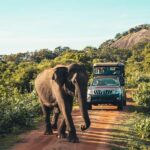
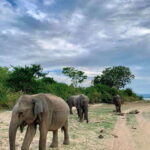
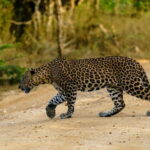
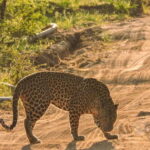
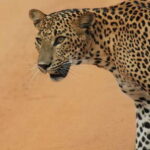
A wild Sri Lanka day is hard to beat when Yala delivers. This shore excursion is built for a tight schedule: port-to-park-and-back routing with Yala National Park entry coverage, plus built-in time for nearby sacred sites. I also like that the package keeps things simple with bottled water and all fees handled, not constant add-ons. The main thing to watch is logistics around pickup at the port, which can feel unclear if your ship expects a different meeting spot.
What you’re really buying is a chance at Yala’s wildlife and big scenery—plus the chance to mix in Sithulpawwa and other Buddhist ruins. I’m especially drawn to the fact that this isn’t only about animals; you also get ancient pilgrimage stops and cave rock art nearby. The trade-off: since it’s a fast shore day, you’ll be moving and you’ll want to plan for fewer “extra” breaks than a longer land stay.
If you’re the kind of traveler who hates surprises, read your pickup instructions carefully and bring a little patience for shuttles. If you’re flexible and want a high-odds wildlife half-day, this can still make sense, even with some known execution complaints.
In This Review
- Key things to know before you go
- How a Hambantota port day works: timing, pickup, and return
- Yala National Park: what you’re really paying for
- Beyond the jeep: Sithulpawwa, caves, and Buddhist ruins
- Jeep comfort, driving style, and guide language on safari
- What’s included (and what you’ll need to pay for)
- Price and logistics: is $145 good value for Yala?
- Who should book this Yala port excursion—and who should pass
- Should you book Holiday Walkers Sri Lanka for Yala?
- FAQ
- Where does this tour start and where do you get dropped back?
- How long is the Yala safari shore excursion?
- Is pickup from the port included?
- What’s included in the price?
- Is lunch included?
- Is Yala National Park admission included?
- What if weather is bad?
- FAQ
- Can I cancel for a full refund?
- Is it a private tour?
- Is this tour suitable for most travelers?
- How do I get my ticket?
- Is there a group discount?
- What kind of wildlife is Yala known for?
- Are there cultural sites besides the safari?
Key things to know before you go
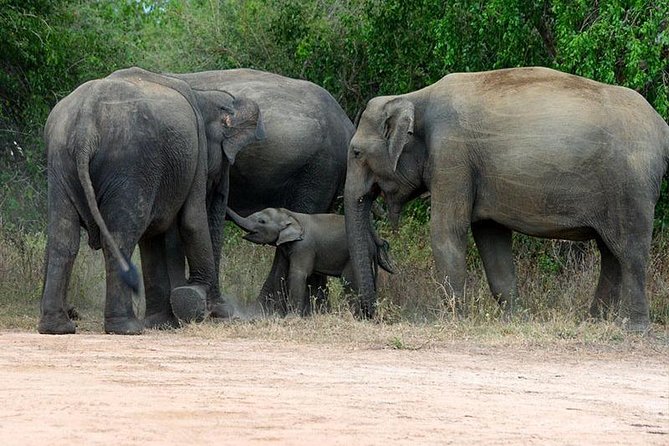
- Yala is the main event: forests, grasslands, lagoons, and wildlife like elephants, crocodiles, and leopard sightings as a possibility.
- Pickup may not be curbside: some port days require you to reach a shuttle pickup point outside the immediate ship area.
- It’s private for your group: only your group participates, with private transportation included.
- Sights beyond the jeep: you may also visit Sithulpawwa and other nearby ancient Buddhist sites/ruins.
- Lunch isn’t included: budget for it if you’ll be hungry during the drive.
- Expect language/vehicle variation: some past guests flagged English-guide gaps and older jeep concerns, so confirm details when booking.
How a Hambantota port day works: timing, pickup, and return
This excursion is designed for a ship day out of Hambantota. It starts at the Sri Lanka Customs Office at Hambantota International Port (the listed meeting spot is 43CW+QP7, Unnamed Road) and returns you back to that same meeting point. The tour runs about 4 to 6 hours, which is the right length for seeing Yala’s highlights without wrecking your next ship connection.
Now here’s the practical part you should not ignore: pickup setup at ports can be messy. One of the clearest complaints from earlier guests was that the pickup point was outside the port, so they had to wait for a shuttle to reach their driver. That doesn’t automatically mean your day will be the same, but it does mean you should treat pickup instructions like a checklist. When confirmation arrives, look for specifics on where your guide/driver will be and whether you should expect a shuttle from the ship area.
Also plan for the drive time. Southeast Sri Lanka roads can be slow depending on traffic and conditions, and a shore day often runs on tight margins. If your ship is using strict re-boarding timing, I recommend building slack into your head. Wear shoes you can walk in quickly and keep your bags light so boarding/offloading is painless.
Finally, since the tour ends back at the meeting point, you don’t have to guess where your driver will drop you. That’s a real comfort on shore days when you’re tired and trying to beat a schedule.
You can also read our reviews of more tours and experiences in Hambantota.

Yala National Park: what you’re really paying for
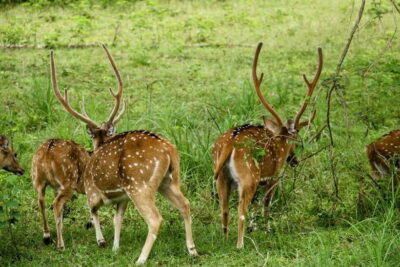
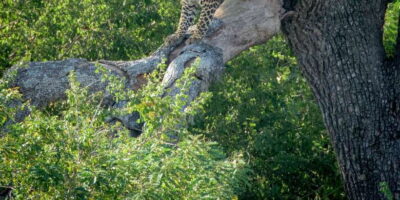
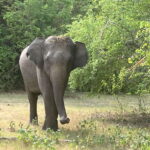
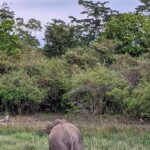
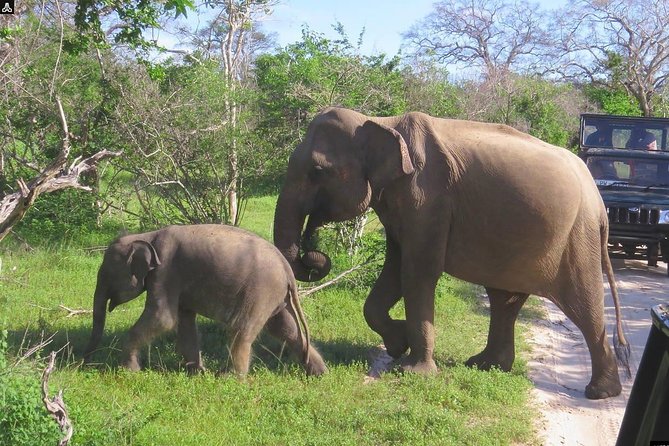
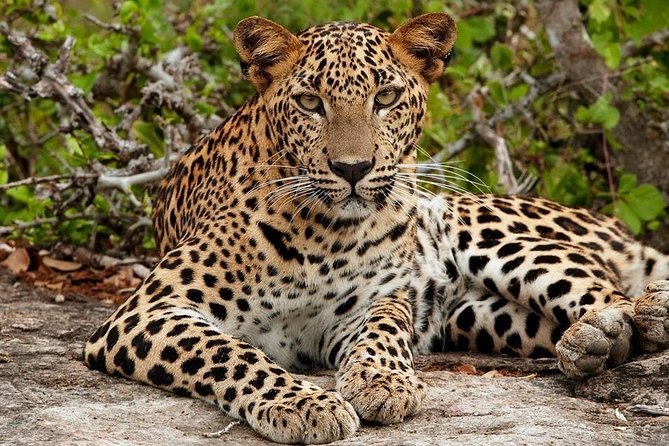
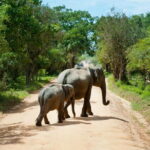
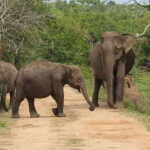
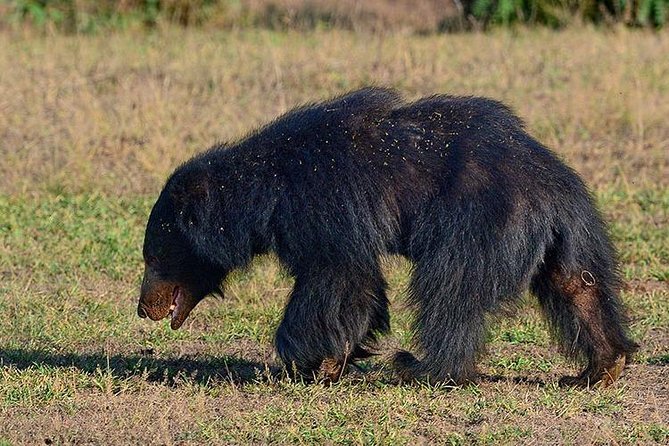
Yala National Park is huge, with a mix of forest, grasslands, and lagoons right along the Indian Ocean. That variety matters because it increases your odds of seeing more kinds of animals and birds. The official focus is wildlife like elephants, crocodiles, and leopards (leopard sightings are always weather- and luck-dependent), plus hundreds of bird species.
This is one of those places where the value of your tour isn’t in a guarantee—it’s in access, time in the right areas, and being set up for game-viewing from the start. Yala is best when you’re not improvising. Getting there with a driver who knows where tourists typically go saves you energy and reduces the chances you’ll miss prime viewing zones.
The good news from past safari experiences tied to this itinerary is that the Yala safari itself can deliver even when the surrounding logistics don’t land perfectly. In other words, if you’re flexible about the “how,” you can still end up happy about the “what”—wildlife time.
One caution: if you’re very specific about a birding outcome, Yala can still be a good bird place, but “perfect birding” is not something any operator can promise in a short half-day. I’d frame your expectations around chance and variety, not a fixed list of species.
Beyond the jeep: Sithulpawwa, caves, and Buddhist ruins
What I like about this tour is it doesn’t treat Yala like a one-track day. You get an additional layer of cultural stops near the park region, which can make the drive time feel more meaningful.
In the itinerary notes, Sithulpawwa shows up as an ancient Buddhist monastery inland. Nearby caves are mentioned as having rock paintings that date back centuries. That’s the kind of detail that turns a “transfer day” into something memorable, because you’re not only looking for wildlife—you’re also paying attention to Sri Lanka’s lived religion and older history in the landscape.
The plan also references Magul Maha Viharaya, another set of ancient Buddhist ruins. These are described as pilgrimage sites, which is useful context. When you visit religious ruins, be ready to behave like you’re in an active place of devotion, even if it’s quiet. Dress respectfully, keep voices down, and follow whatever simple cues locals show you.
A practical trade-off: because these stops are slotted into a limited 4–6 hour day, you won’t get a slow, wandering pace. You’re likely to see key areas and move on. If you want long photo breaks or a deep guided archaeology lesson, you’ll probably want a longer land tour instead.
Still, as a shore excursion, mixing nature and pilgrimage makes the day feel fuller than a straight safari box.
Jeep comfort, driving style, and guide language on safari
A safari is only as good as your ability to see. That depends on the jeep setup, how it moves, and whether you can understand your driver or guide.
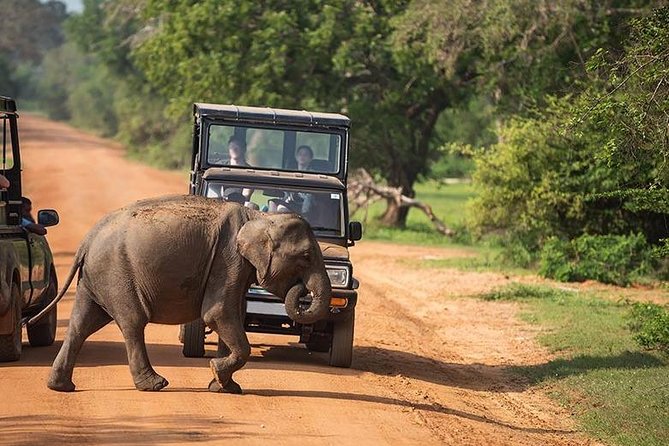
Some earlier guests complained about a jeep that felt old and about the lack of an English-speaking guide for the birding angle. Other comments focused on the driver’s driving style, including one account describing reckless driving and a rough road experience. Those are serious red flags if you value calm driving and clear guiding.
At the same time, the same set of safari experiences included at least one perspective where the Yala safari itself was good, even when logistics and communication disappointed.
So here’s my practical advice: before you go, confirm the basics clearly when you book. Ask whether you’ll have an English-speaking guide (or at least someone who can explain what you’re seeing). If you care about comfort, ask about the vehicle condition. If your operator can’t provide that clarity, adjust your expectations and choose what matters most to you: wildlife time, cultural stops, or smooth comfort.
Also, because Yala is a road-and-surface mix, expect bumps. If you get motion sick, bring what you need. If you’re sensitive to aggressive driving, mention it upfront so the operator can select the right driver.
What’s included (and what you’ll need to pay for)
This tour is priced as an all-inclusive style package, but it’s smart to separate included from assumed.
Included:
- Bottled water
- Private transportation
- All fees and taxes
Not included:
- Lunch
That matters because your total cost isn’t only the $145. If your ship schedule doesn’t land you near food options, lunch becomes your responsibility during the excursion window. I recommend you either eat before pickup or be ready with cash/card for a quick meal if there’s a stop that works for your timing (since lunch isn’t guaranteed as part of the package).
The included bottled water is a nice touch on a hot safari day. It removes one small worry, especially when you’re moving between sites quickly. And having all fees and taxes covered is one less line-item you have to verify while you’re trying to enjoy the day.
The package also notes mobile ticket usage. That’s convenient, but don’t rely on it blindly. Keep a screenshot or offline access in case your phone signal acts up.

Price and logistics: is $145 good value for Yala?
At $145 per person for about 4 to 6 hours, you’re paying for three main things: getting from the port to Yala with private transport, park/entry-related fees (the experience info indicates admission is free), and the safari time you can realistically fit into a shore schedule.
If you compare it to DIY transport plus paid access, the math often works better with an operator. Private transportation and fee coverage can easily add up, and the port-to-Yala distance means you’re not just paying for fuel—you’re paying for time saved and smoother coordination.
Where the value equation can wobble is logistics. When pickup location is confusing and you have to wait for a shuttle, you effectively lose minutes that could have been spent in prime viewing. On a 4–6 hour day, those minutes matter.
Also consider the safari experience quality side. If you end up with an older jeep or limited English guidance, you might feel like you paid for a wildlife outing but didn’t get the “interpretation” you expected. In a place like Yala, interpretation can help you spot what you’d otherwise miss.
So I’d call this price fair for the core elements—transport, access, and a structured day—but only if your port pickup goes smoothly and your guiding setup matches what you need.
Who should book this Yala port excursion—and who should pass
This tour is a strong fit if:
- You’re on a cruise and want a time-efficient Yala day without arranging everything yourself.
- You like a mix of wildlife and cultural stops (Sithulpawwa and ruins).
- Your group can handle a tight schedule and you’re okay with “chance-based” wildlife viewing.
It’s less ideal if:
- You’re very sensitive to driving style and want a calm, slow pace.
- You’re counting on a specific language level for explanation during the safari.
- You’re the type who needs a perfectly communicated pickup from the ship door with no shuttle involvement.
A shore day is a special kind of stress. If anything about delays or unclear meeting points can ruin your mood, I’d either choose an operator with a reputation for smoother port execution or plan a longer independent stay instead of a rushed half-day.
Should you book Holiday Walkers Sri Lanka for Yala?
I’d book this only if you go in with the right mindset. This excursion is built around Yala’s wildlife opportunity plus a cultural add-on, and for many people that combination is exactly what makes a shore day worth it.
My decision rule is simple:
- Book if you mainly want time in Yala and you’re okay doing some of the legwork upfront (reading pickup info carefully, arriving early on meeting day, and being ready for potential shuttle routing).
- Skip if you require flawless pickup communication, high comfort, and guaranteed English-language guidance.
If you do book, prepare like a smart shore traveler: keep your meeting details in your pocket, allow extra buffer time before ship all-aboard, and confirm the pickup point clearly. You’ll get more out of the day when logistics don’t steal your focus from what you came for.
FAQ
Where does this tour start and where do you get dropped back?
It starts at the Sri Lanka Customs Office at Hambantota International Port (listed as 43CW+QP7) and ends back at the same meeting point.
How long is the Yala safari shore excursion?
The duration is about 4 to 6 hours.
Is pickup from the port included?
Pickup is offered, and the meeting point is at the port customs office area. The day’s exact pickup logistics may require a shuttle depending on how port access is handled.
What’s included in the price?
The price includes bottled water, private transportation, and all fees and taxes.
Is lunch included?
No. Lunch is not included.
Is Yala National Park admission included?
The experience info indicates admission ticket is free, and all fees and taxes are included in the package.
What if weather is bad?
This experience requires good weather. If it’s canceled due to poor weather, you’ll be offered a different date or a full refund.
FAQ
Can I cancel for a full refund?
Yes. You can cancel up to 24 hours in advance for a full refund.
Is it a private tour?
Yes. It’s a private tour/activity, and only your group will participate.
Is this tour suitable for most travelers?
Most travelers can participate.
How do I get my ticket?
The experience uses a mobile ticket.
Is there a group discount?
Group discounts are mentioned as a feature, though the tour is still private for your group.
What kind of wildlife is Yala known for?
Yala is known for elephants, crocodiles, and the possibility of leopards, along with hundreds of bird species.
Are there cultural sites besides the safari?
The itinerary references Sithulpawwa (an ancient Buddhist monastery with nearby cave rock paintings) and Magul Maha Viharaya (ancient Buddhist ruins).