Tea country in Sri Lanka moves at leaf speed. This tour in Hatton takes you from tea leaf to tea pot in about 3 hours, with walks in the fields, people-facing stops, and a real processing visit at the factory. You also get a simple, practical look at how daily tea work turns into the cup you drink.
Two things I especially like here: the focus on the people who pluck and the hands-on feel you get when you’re asked to try plucking yourself. The other big win is the complete route through factory steps like withering, rolling, drying, shifting, testing, and packing—so you’re not just watching a demo, you’re seeing the sequence. One consideration: this experience depends on good weather, so you’ll want some flexibility if conditions are rainy or rough.
In This Review
- Key highlights worth your time
- Hatton tea country: what makes this tour feel real
- Price and logistics: $20, about 3 hours, and a 2:30 pm start
- Tea fields walk: where the story starts
- Meeting the pluckers and learning the technique
- The pluckers village and temple stop: culture alongside work
- Weighing stations: the practical checkpoint before processing
- Inside the tea factory: withering, rolling, drying, shifting, testing, packing
- Withering
- Rolling
- Drying
- Shifting
- Testing
- Packing
- The fresh brewed tea moment: your reality check cup
- Who this tea tour fits best
- Should you book The Tea field’s Private Tea Tour and Tea Factory?
- FAQ
- Where is the meeting point for the tea tour?
- What time does the tour begin?
- How long is the experience?
- What will I do during the tour?
- How many people are in the group?
- Is a mobile ticket used?
- When will I receive confirmation after booking?
- What if the weather is poor?
- What is the cancellation policy?
Key highlights worth your time
- Tea fields walk first so you understand what you’re working with before you reach the factory.
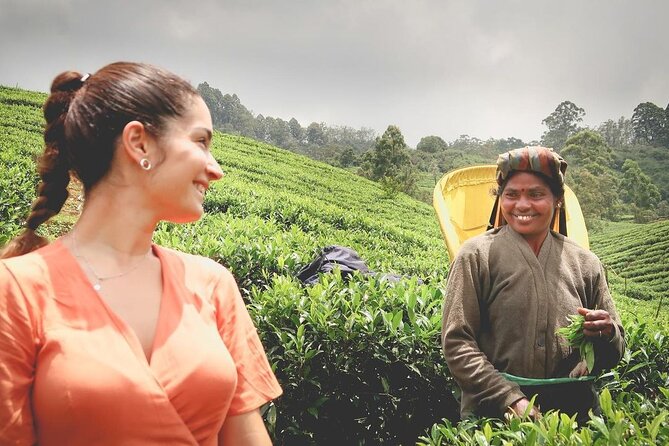
- Meet the pluckers and learn their technique, then try plucking yourself.
- Pluckers village and temple visit adds a human side to tea work beyond machinery.
- Weighing stations stop helps you see how harvest is measured before processing.
- Factory step-by-step walkthrough covering withering, rolling, drying, shifting, testing, and packing.
- Fresh brewed tea at the end gives you a real finish line, not just a souvenir.
Hatton tea country: what makes this tour feel real
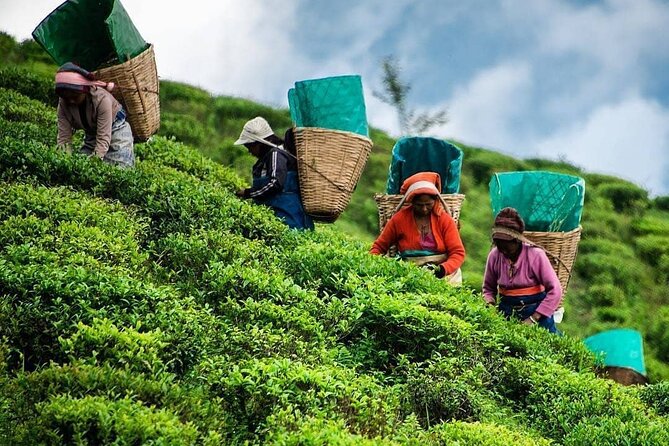
Hatton is famous for tea, but this outing is designed to help you see tea as a process, not a product. You start outside in the tea fields, where you can connect leaf shape and growing patterns to what happens later. Then you move through the human and mechanical stages that turn fresh plucked leaves into processed tea.
The tone is practical. You’re not stuck in a classroom where everything is theoretical. Instead, you’re walking, meeting the people doing the work, and then getting the processing overview in the factory itself. That combination is why this tour tends to get top scores: it feels like tea is explained in the order it actually happens.
It also helps that the group size is capped at 10. A small group usually means less waiting and more chance to ask questions when you’re standing right next to the activity.
You can also read our reviews of more tours and experiences in Nuwara Eliya.


Price and logistics: $20, about 3 hours, and a 2:30 pm start
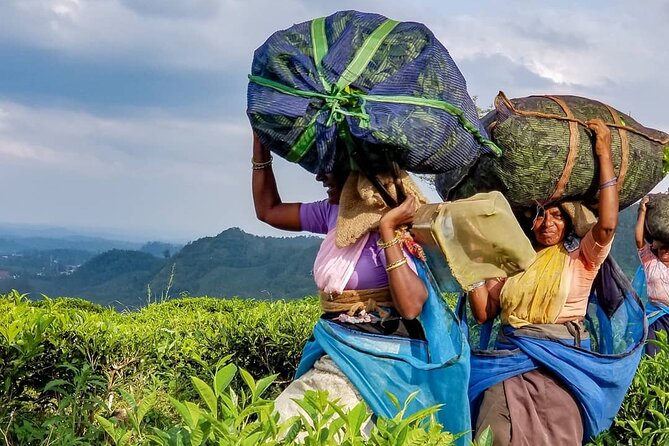
At $20 per person, this is priced like a thoughtful add-on rather than a big splurge. For that money you’re getting a multi-stop route: fields, pluckers, weighing stations, factory processing steps, plus brewed tea at the end. In tea country, that’s the difference between simply buying a cup and understanding where the cup comes from.
Timing matters here. It runs about 3 hours and starts at 2:30 pm, with the tour ending back at the start point. That afternoon schedule can be a nice option if you want something focused after a morning of exploring around Nuwara Eliya/Hatton area. But if you prefer earlier starts, plan your day so you’re not rushing to get back in time.
Your meeting point is listed as RJR9+WC Norwood, Sri Lanka. The tour includes a mobile ticket, so you should be able to show up with your phone—simple, no extra paper chase. Also, it’s described as near public transportation, which is handy if you’re not driving.
One more practical note: confirmation is expected within 48 hours of booking, subject to availability. If you’re working on tight plans, booking a bit earlier (this one is commonly booked about 28 days in advance) is a smart move.
Tea fields walk: where the story starts
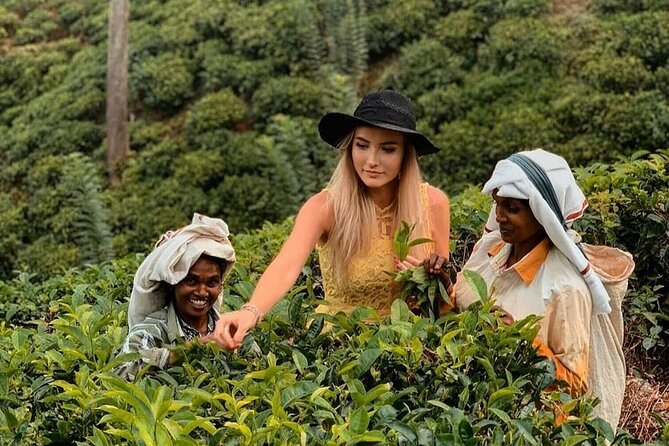
The tour starts with the most important lesson: you see tea plants in place, not just in photos. Walking among the tea in the tea fields gives you context for everything after. You can watch how the plants are arranged and get a sense of what “plucking” actually means at ground level.
This part works well because it sets expectations. When you later hear about factory steps like withering and rolling, you’ll understand you’re dealing with fresh leaves from a working crop, not processed material shipped in from somewhere else. That order of operations helps the whole experience click.
And yes, the fields walk also builds momentum. It’s a moving start, so the tour doesn’t feel like you’re being parked at a single spot for the first hour. You’re up and walking with guidance.
Meeting the pluckers and learning the technique
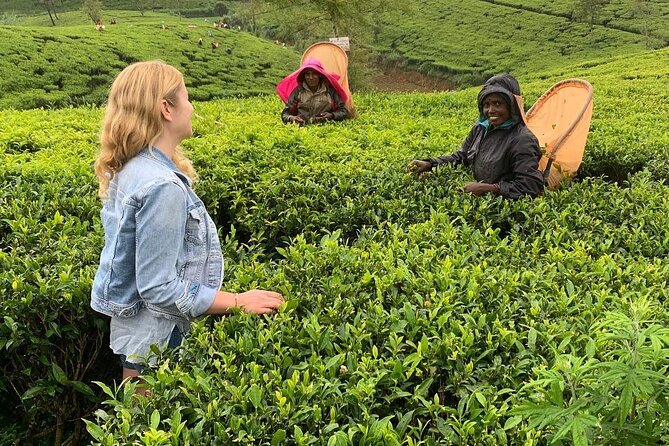
One of the strongest parts of this tour is the chance to meet the pluckers and learn their technique. This matters because tea plucking isn’t just grabbing leaves randomly. The skill is in how you handle the plant and what you pick, and that’s exactly what you’re aiming to understand.
The tour also includes a chance to try your hand at plucking. That’s usually where things get memorable fast, because you realize how much practice goes into even a simple-looking action. If you go in expecting a gentle introduction, you’ll likely enjoy it more. Treat it like a learning moment, not a contest.
If you’re the kind of person who likes to understand the human side of production—who does the work and how it’s done—you’ll feel rewarded here. This stop is the reason the experience gets strong marks. When the tour keeps the focus on the people and their methods, you leave with a clearer picture of tea as labor, skill, and routine.
The pluckers village and temple stop: culture alongside work
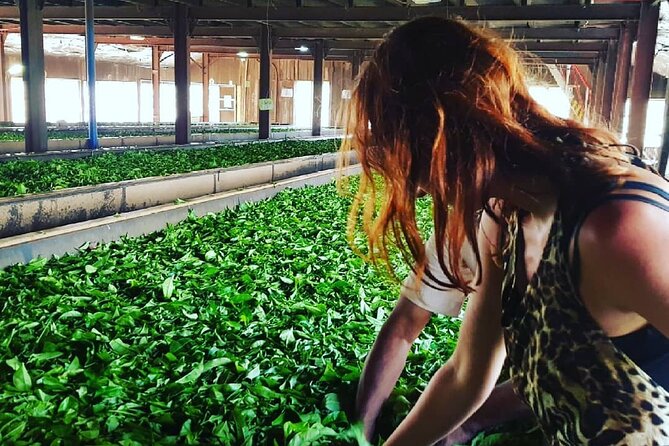
Between the fields and the weighing stations, you’ll visit the tea Pluckers Village & Temple. This is a useful contrast stop. Factories and machines are one part of the story, but tea is also part of daily community life.
Because the tour description keeps this part general, I’d think of it as a chance to slow down and observe how tea work connects to place and belief—without turning it into a lecture. If you’re respectful with your questions and quiet observation, this can add meaning to the rest of the tour.
Also, a visit like this can break up the day emotionally. After hands-on activity in the fields, it helps to have a calm pause before you head deeper into process steps.






Weighing stations: the practical checkpoint before processing
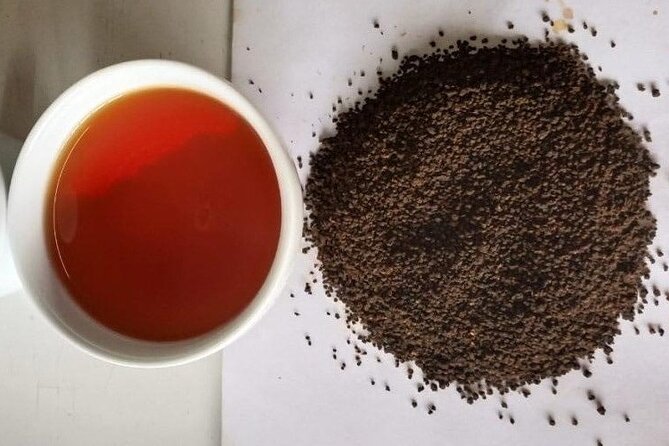
Next comes the weighing stations. This is one of those stops that doesn’t sound flashy at first, but it’s often one of the most important parts of understanding production.
Weighing is where harvest becomes measurable input. It’s how tea lots are tracked and handled before they go into processing. Even without going into complicated details, seeing the point where leaves are assessed helps you understand why tea quality and consistency depend on more than just the plant.
For me, this is where the tour starts to feel less like a walking checklist and more like a workflow. You can connect the morning activity (what’s plucked and how) to the later factory steps (how those leaves are processed in sequence).
Inside the tea factory: withering, rolling, drying, shifting, testing, packing
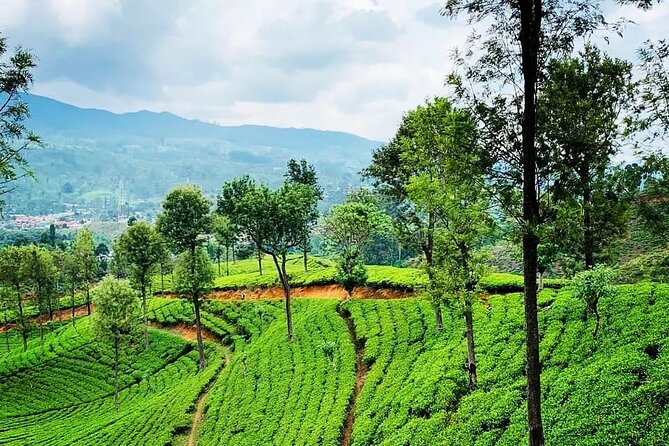
The heart of the tour is the factory visit, where you learn the processing steps:
- Withering
- Rolling
- Drying
- Shifting
- Testing
- Packing
The value here is that the tour presents these as a chain, not random buzzwords. When you can picture the order—start to finish—you start to see how each step likely prepares the tea for the next stage. Even if you’re not an expert, the sequence helps you understand why tea doesn’t just get plucked and then magically becomes tea leaves in a packet.
Withering
You’ll see the initial stage where plucked leaves are treated before further processing. This is the point where the plant material is handled in a way that supports the rest of the workflow.
Rolling
Then comes rolling, which is where the physical transformation begins. This is the stage that ties directly to how tea becomes tea instead of staying as raw leaf.
Drying
After rolling, drying is the next step. It’s the logical follow-up that helps stabilize what’s been shaped during rolling so it can move forward through the process and eventually be packaged.
Shifting
Shifting sounds simple, but it’s an important stage in production. This is where the tea is handled in a way that likely supports sorting or preparing it for evaluation.
Testing
Testing is what makes the process feel like quality control rather than just work. This part signals that tea isn’t only made—it’s checked.
Packing
Finally, packing brings everything to the point you recognize as tea product. It’s a satisfying end to the chain because you can imagine the path from factory floor to a shelf.
If you enjoy step-by-step explanations, you’ll probably appreciate how this tour keeps naming each factory stage clearly. It’s also a good option for people who want a deeper understanding without needing a degree in food science.
One practical tip: factory visits can be active in both sights and smells. Wear comfortable shoes and expect that you’ll be standing and walking a fair bit during the processing walk-through.
The fresh brewed tea moment: your reality check cup
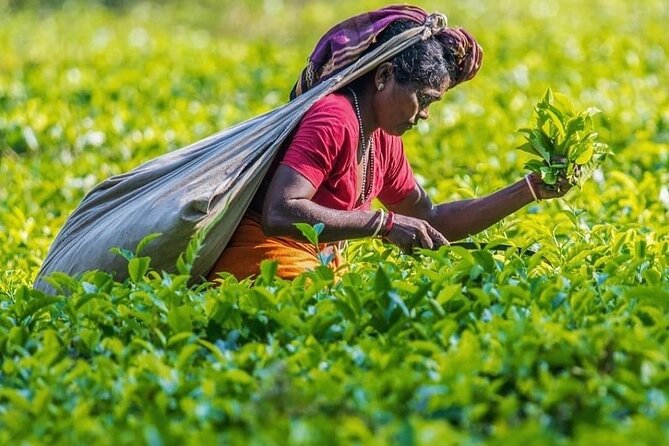
At the end, you’ll drink freshly made and brewed tea. This is more than a nice add-on. It’s where the experience becomes personal, because you can taste what you’ve just learned about.
A helpful way to enjoy this part is to pay attention to what changes in your senses as the cup warms. Tea can feel different from first sip to the last. If you were intrigued by the processing steps, take a second and see if the flavor and aroma remind you of what you think those steps might influence.
And yes, the tea here is part of the tour value. Many tours stop at photos and factory doors. This one ends with a cup in hand, so you walk away with both knowledge and a final reward.
Who this tea tour fits best
This is a great match if you:
- Want a tea-focused experience that explains the process from leaf to cup.
- Like meeting working people and learning their technique.
- Prefer small groups (max 10) and an active route, not a long bus ride.
- Enjoy hands-on moments like trying plucking.
It may be less ideal if you’re looking for a purely relaxing stroll with minimal activity. There’s walking, there’s hands-on learning, and the factory part is a change of pace. Also keep in mind the tour requires good weather. If you’re traveling with zero flexibility, you’ll want a backup plan in your schedule.
Should you book The Tea field’s Private Tea Tour and Tea Factory?
If your goal is to understand tea as a real process—from fields to factory to cup—this one is an easy yes. For $20, you get an impressive checklist that still feels connected: fields walk, pluckers and their technique, village and temple visit, weighing stations, factory steps in sequence, and a fresh tasting finish.
I’d book it if you enjoy hands-on learning, ask questions easily, and you’re okay with an afternoon start at 2:30 pm. Skip it only if weather issues would ruin your plans, or if you want a more relaxed, low-effort outing.
FAQ
Where is the meeting point for the tea tour?
The tour starts at RJR9+WC Norwood, Sri Lanka.
What time does the tour begin?
The start time is 2:30 pm.
How long is the experience?
It lasts about 3 hours.
What will I do during the tour?
You’ll walk among tea in the fields, meet the pluckers, learn their technique, and try plucking. You’ll also visit the pluckers village and temple, see weighing stations, tour the factory processing steps (withering, rolling, drying, shifting, testing, packing), and drink freshly brewed tea.
How many people are in the group?
The tour has a maximum of 10 travelers.
Is a mobile ticket used?
Yes, the tour includes a mobile ticket.
When will I receive confirmation after booking?
Confirmation is received within 48 hours, subject to availability.
What if the weather is poor?
This experience requires good weather. If it’s canceled due to poor weather, you’ll be offered a different date or a full refund.
What is the cancellation policy?
You can cancel for a full refund up to 24 hours before the experience starts. If you cancel less than 24 hours before, the amount paid isn’t refunded.