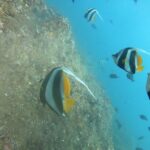
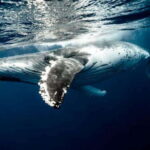
Whales feel close, then rules set the pace. This Mirissa whale watching cruise (run by Whale Watching Chaminda) is interesting because you get a real early-morning marine life hunt, with a complimentary breakfast and a safety-focused setup before you head out. I also like that the crew follows international whale watching rules and keeps the experience controlled (no touching). The big drawback to keep in mind: whales are never guaranteed, and sea conditions can get choppy enough that seasickness is a real factor.
You’ll sail from the Mirissa area, with pickup options from Mirissa, Ahangama, and Weligama, and an English-speaking guide on board. The operator advertises very high sighting odds (some info says 70–80%, and other details say 99%), but real ocean time can still mean dolphins only, or a brief whale sighting before the boat heads back.
If you’re thinking $40 for about 3 hours, it can be solid value because the package includes breakfast, fruits, snacks, water, and sea-sickness tablets plus an onboard safety kit. Just plan for the fact that timing and time on the water can shift, so you’ll want a flexible mindset.
In This Review
- Key highlights that matter before you go
- Mirissa check-in at 6:30AM and the Whale Watching Chaminda Boat Park
- Breakfast and the whale watching briefing before the sea
- Cruise time: the 2 to 4 hour reality (not a fixed promise)
- What you might see: Blue Whales, Sperm Whales, and dolphins on the hunt
- Safety gear, seasickness help, and the no-touch rule
- Price and value: $40 looks fair—until you hit the wrong day
- Pickup and timing: how to avoid stress in Ahangama and Weligama
- Who should book, and who should skip this whale watch
- Should you book Whale Watching Chaminda’s Mirissa tour?
- FAQ
- What time do I need to check in, and where does the tour start?
- How long is the whale watching cruise?
- Is pickup included from Mirissa, Ahangama, and Weligama?
- What food and drinks are included?
- Are sea sickness tablets provided?
- Is the tour suitable for pregnant women or people who get seasick?
- Are passengers allowed to touch whales or dolphins?
Key highlights that matter before you go
- Early check-in (6:30AM) and a 7:00AM start, so you’ll feel the morning quickly, not later.
- Breakfast plus snacks and drinks onboard, with both vegetarian and non-vegetarian options.
- Safety first: life jackets, emergency equipment, onboard washrooms, and a fully equipped boat.
- High advertised sighting rates, with whales like Blue Whales and Sperm Whales on the target list.
- Strict animal handling rules: touching marine life is not allowed.
- Sea sickness support is included, but if you’re very prone to it, you should take the warning seriously.
Mirissa check-in at 6:30AM and the Whale Watching Chaminda Boat Park
Your day starts early. You’ll check in around 6:30AM at the Whale Watching Chaminda Boat Park, and the tour begins about 7:00AM. That early slot matters because marine life is more likely to show up when conditions are calm and the boat can get out fast.
You’ll also get pickup from three main areas: Mirissa, Ahangama, and Weligama. Within those areas, pickup is free; from outside those zones, pickup may cost extra. If you’re staying along the coast, this is one of the easiest ways to avoid a do-it-yourself scramble.
One practical note: some people have run into mismatches between the time they expected and when the boat actually left. That doesn’t mean every trip is like that, but it’s a good reason to build in patience, arrive with buffer time, and keep your phone charged for quick coordination.
You can also read our reviews of more tours and experiences in Mirissa.

Breakfast and the whale watching briefing before the sea
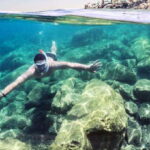
Before the boat leaves, you get a short setup period that includes a break time and a complimentary breakfast. It includes a plate of fruits, plus a meal with vegetarian and non-vegetarian options. There are also snacks and drinks offered during the cruise, plus food/snacks on the way back.
This part is worth your attention because whale and dolphin watching isn’t just luck—you’re more likely to enjoy the trip if you know what you’re looking for. The tour includes a whale watching presentation plus guidelines, along with informative leaflets on marine life and the way you should behave around animals.
The crew also follows international whale watching rules, which usually means you won’t be doing the tourist thing where everyone crowds toward the edge and forgets the animals are wild. You’ll also get clear direction that touching marine life is not allowed, so you can focus on observing instead of worrying about accidental contact.
Cruise time: the 2 to 4 hour reality (not a fixed promise)
The trip is listed as about 3 hours, but the sea time can flex. The operator’s range is generally 2 to 4 hours, depending on where whales are spotted and how far the boat needs to travel. Translation: you might spend longer searching, or you might head out quickly if the sightings are close.
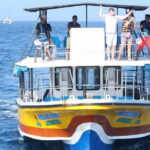
The boat itself is described as a brand-new passenger cruiser designed for whale watching. That typically means comfortable seating, onboard washrooms, and safety equipment where you can find it fast. In a choppy ocean, washrooms and stable seating are more than comfort—they’re part of not turning the whole experience into a stress test.
Expect the water to be a variable. Some people report rougher conditions with everyone getting sick, and they point out that the worst part can be the time sitting out there before a whale is actually visible. If you’re sensitive to motion, take the warnings seriously and plan to medicate early.
What you might see: Blue Whales, Sperm Whales, and dolphins on the hunt
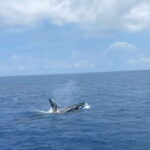
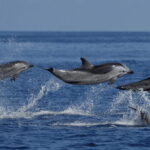
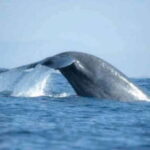
This tour targets a few big names. The plan is to watch for Blue Whale and Sperm Whale sightings, along with various dolphins. In real life, dolphins are often the more consistent win, and many trips end up being dolphin-heavy even if whales are elusive.
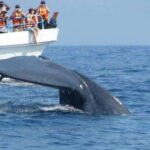
It helps to know how whale watching often plays out at sea: sometimes you get a clear, repeated surface moment. Other times you get a short appearance—spout, a few seconds of visibility, then back under. When you’re on a moving boat, brief sightings can still feel incredible, but you have to be ready with your eyes and your patience.
Here’s the practical part: the operator advertises very high sighting rates, including a 99% claim in the tour details, but ocean tours still depend on location, weather, and luck. Some people have come back with multiple whale sightings, including a baby mentioned in one positive account. Others report only a small whale sighting lasting about a minute, or no whales at all—so go in with the mindset that dolphins are the baseline, whales are the bonus.
If you want the best views, position matters. Some people reported that when a motor issue forced a switch to another boat, seating location affected what they could see. So if you board early or can choose a spot that keeps you oriented toward open water, you’ll usually enjoy it more.
Safety gear, seasickness help, and the no-touch rule
Safety is clearly part of the pitch. You’ll have life jackets, emergency equipment, and a fully equipped boat. There’s also mention of a crew structure that includes experienced captains and lifeguards, plus a licensed captain and a well-trained crew.
On the discomfort side, sea sickness support is included. The tour states you’ll receive sea sickness tablets and all essential medicines. You’ll also get safety guidance as part of the whale watching presentation and guidelines.
Still, not all bodies react the same way. Some people have described very rough waters and feeling sick despite being on board, including one report where medication expectations weren’t met and people relied on a vomit bag. That’s why I’d treat the included tablets as helpful, not magical.
And yes, the rules are strict: touching marine life is not allowed. That’s a good policy for animal welfare and for your own safety. Keep your hands to yourself, and use your eyes, your camera zoom, and your patience instead.


Price and value: $40 looks fair—until you hit the wrong day
At $40 per person, this tour can be good value because it includes a lot for a short morning outing. You’re getting:
- complimentary breakfast and fruit
- snacks and drinks during the cruise, plus food/snacks on the way back
- a water bottle
- sea sickness tablets and essential medicines
- a whale watching presentation and leaflets
- onboard life jackets and emergency equipment
- washroom access onboard
The value logic is simple: if you were to piece this together yourself—transport, early breakfast, and a proper boat with safety gear—you’d likely spend more than $40 even before thinking about the most important part: the boat going out where sightings happen.
But there’s a risk factor you can’t ignore. If whales don’t show, you’re still on a boat in open water, and dolphins might be the main highlight. Some people also describe problems like short whale sightings and early returns, which hurts when you’ve paid for a whale-focused outing. On the off chance that your trip is rough, the meal won’t cancel out the motion.
I’d call this one a fair price if you want a morning on the water and you’re comfortable with the reality that nature controls the schedule.
Pickup and timing: how to avoid stress in Ahangama and Weligama
The tour offers pickup from Mirissa, Ahangama, and Weligama. Within these areas, pickup is free, and from other locations it’s paid. This matters because whale watching boats often leave on a strict rhythm, and being late can mean missing the best seating or even the boat itself.
Even so, timing can still shift. Some accounts describe a long wait before the boat actually began, and one described a motor problem that forced a switch to another boat. When that happens, views can get worse simply because the best spots fill first or because the switch changes who boards what.
So here’s the simple prevention plan: aim to be early, not just on time. If check-in is 6:30AM and start is 7:00AM, show up as if you mean to be ready at 6:10AM. It saves your mood, and mood matters when the water starts moving.
Also, keep your booking details handy. One unpleasant story described confusion about whether payment was completed, even after a card was charged. That kind of issue is rare, but you can avoid stress by keeping proof of payment on your phone.
Who should book, and who should skip this whale watch
This is listed as not suitable for pregnant women and for people prone to seasickness. That’s not legal cover; it’s a real warning about motion and early-morning boat time.
If you’re generally fine on boats, this can be a fun, active outing with dolphins as a likely highlight. The trip is wheelchair accessible, which is a plus if you need that support.
The guide is English-speaking, and you’ll also get leaflets and a presentation. That’s useful because you can’t always spot a whale by sight alone when it’s far out—knowing what counts as a whale sighting helps you judge what you’re seeing.
Overall, this tour suits you best if:
- you want a half-day on the water in the Mirissa area
- you’re comfortable with the sea being the boss
- you value safety, rules, and a guided approach over a free-for-all boat
It’s not the right match if you’re trying to guarantee a whale photo on demand.
Should you book Whale Watching Chaminda’s Mirissa tour?
My take: book it if you want the best odds of seeing dolphins and a chance at whales, and you understand that the sea time can change. This one is good value because it includes breakfast, safety gear, sea-sickness tablets, and guided whale watching information.
Don’t book it if you’re very prone to seasickness or you fall into the categories listed as not suitable. And if you’re the type who needs certainty—no waiting, no rough water, whales every time—then this style of tour will test your patience.
If you do book, go in prepared: arrive early, bring your own motion backup if you’ve ever gotten sick on boats, and keep expectations grounded in how ocean wildlife actually behaves. When the animals do show up, the combination of rules, safety, and a focused crew can make the whole morning feel worth it.
FAQ
What time do I need to check in, and where does the tour start?
Check-in is at 6:30AM, and the tour starts at 7:00AM. The meeting point is Whale Watching Chaminda Boat Park.
How long is the whale watching cruise?
The tour duration is about 3 hours, and it usually runs around 3 to 4 hours depending on where the whales are spotted and how far the boat travels.
Is pickup included from Mirissa, Ahangama, and Weligama?
Yes. Pickup is free within the Mirissa, Ahangama, and Weligama areas. Paid pickup may be offered from out of those locations.
What food and drinks are included?
You get a complimentary breakfast, including a plate of fruits, plus snacks and drinks onboard. There is also food/snacks on the way back.
Are sea sickness tablets provided?
Yes. Sea sickness tablets and all essential medicines are included as part of the tour provisions.
Is the tour suitable for pregnant women or people who get seasick?
No. The tour is listed as not suitable for pregnant women and for people prone to seasickness.
Are passengers allowed to touch whales or dolphins?
No. Touching marine life is not allowed.