A day with elephants feels like you changed planets. This safari from Galle, Mirissa, or Hikkaduwa pairs a proper Udawalawe jeep hunt with a visit to the Elephant Transit Home, where you see young elephants cared for and fed. I like the way the tour is built around comfort (air-conditioned pickup and roomy 4×4 safari jeeps) and around wildlife spotting with an on-the-ground guide. One thing to consider: the park can feel busy with lots of jeeps at popular sightings, so you’ll want patience for the best moments.
You’ll be out early, because Udawalawe’s animals are most active when the day is still getting going. Then you’ll spend time in the park, followed by about an hour at the transit home, with return drop-off back to the south coast.
If you hate long car days, this won’t be the right match. It’s a full outing—roughly 5 to 9 hours depending on pickup, traffic, and which transit home slot you hit.
In This Review
- Key highlights worth planning for
- Door-to-door transfer from the south coast: what your day actually looks like
- Udawalawe National Park safari in a 4×4: where the elephants set the pace
- Beyond elephants: deer, birds, crocodiles, and other Udawalawe surprises
- Elephant Transit Home: what you’re really seeing and why it matters
- Timing, photos, and what to bring so the long day doesn’t wear you out
- Price reality check: how the $27 works once park tickets are added
- Best-fit travelers: who will love this, and who should choose a different day
- Should you book Udawalawe Safari + Elephant Transit Home?
- FAQ
- Is pickup and drop-off included?
- What time do I need to be ready for pickup?
- How long is the tour?
- Are national park entry tickets included?
- Is the Elephant Transit Home visit included?
- When is the Elephant Transit Home open for visits?
- Is food included?
- Do I need to bring anything?
Key highlights worth planning for
- Door-to-door air-conditioned pickup and drop-off from a long list of south-coast towns
- 4×4 safari jeeps made for better viewing, plus guides who help you spot animals fast
- Udawalawe elephant herds with frequent chances to see families and babies up close
- Elephant Transit Home at set visiting times (10:30, 2:30, 6:00) with about 1 hour there
- Binoculars and photo patience—you’re not just rushed past the good stuff
Door-to-door transfer from the south coast: what your day actually looks like
This tour is built for convenience. You pick a pickup location from a big menu—think places like Galle, Mirissa, Hikkaduwa, Matara, Tangalle, Weligama, Unawatuna, plus even options in the wider area. The rule is simple: wait about 10 minutes in the hotel lobby before your scheduled pickup. You’ll then ride in an air-conditioned vehicle, which matters because you’ll be spending time on the road.
What I like about this setup is that you don’t have to figure out cross-country transport while also worrying about getting to the park at the right time. In Udawalawe, timing isn’t just about convenience. It affects how active animals are, and the tour is designed around early departure so you reach the park while the sightings have the best odds.
One more practical point: this is not a quick “pop in and out” excursion. Plan for a long day where you’ll likely be moving between locations more than you would on a local city tour. That’s also why the comfort of the transfer counts as real value, not just a marketing line.
You can also read our reviews of more tours and experiences in Mirissa.
Udawalawe National Park safari in a 4×4: where the elephants set the pace
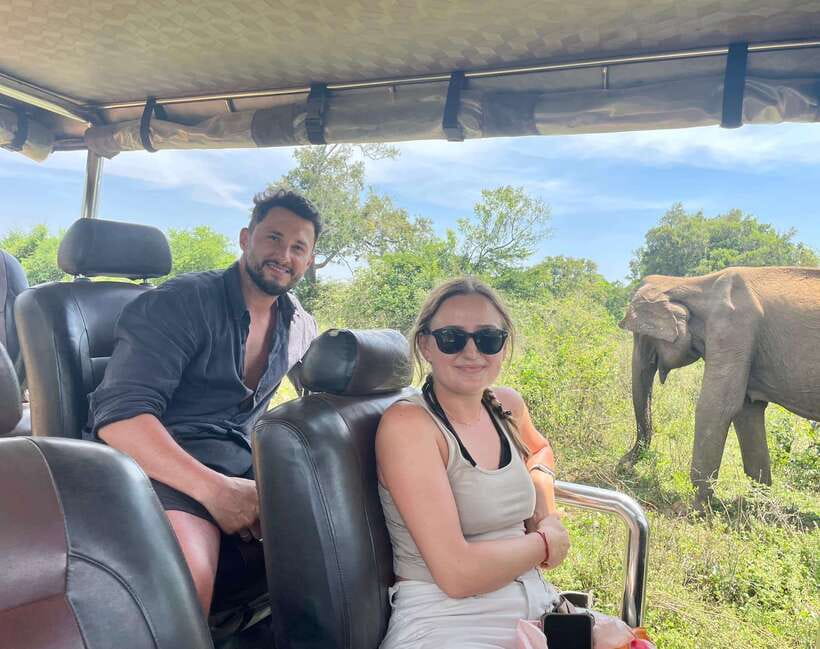
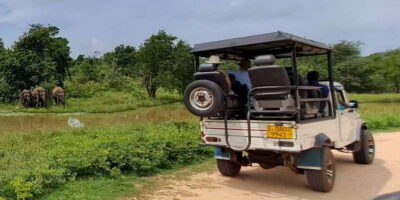
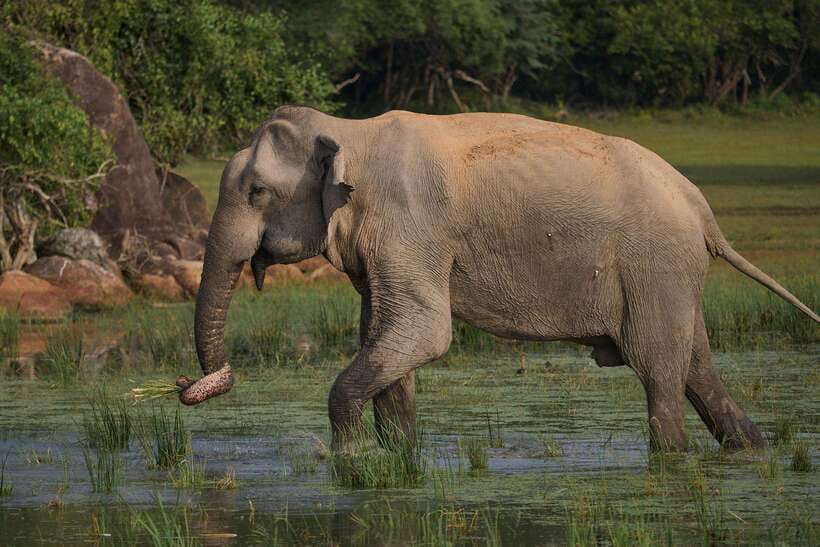
Udawalawe is famous for a reason: elephants. They often show up in groups, including family units. In practice, this means your best wildlife moments can happen quickly—one minute it’s quiet bushland, and the next you’re watching elephants move through an area close enough for real observation (not just distant spotting).
You’ll go through the park by customized 4×4 safari jeep. This matters because Udawalawe’s viewing is all about angles, sightlines, and getting into the right spots without the “everyone’s stuck in one place” problem. Several sightings can come right from the jeep as the guide positions you for the best view.
The tour also includes a photo stop and guided sightseeing time inside the park. That combination is useful. It gives you a structured “hunt,” instead of just driving around hoping the animals magically appear in your camera frame. And because the guide is focused on spotting, you’re more likely to notice animals you’d miss from the vehicle window alone.
A small consideration: the park can get busy. If you’re unlucky with timing, you might see a lot of jeeps crowding around the same sighting. That doesn’t ruin the day, but it does mean you should keep a steady mindset. If the best elephant moment is crowded, it usually helps to let the guide work the route for the next good area rather than staring at the same spot for too long.
Beyond elephants: deer, birds, crocodiles, and other Udawalawe surprises
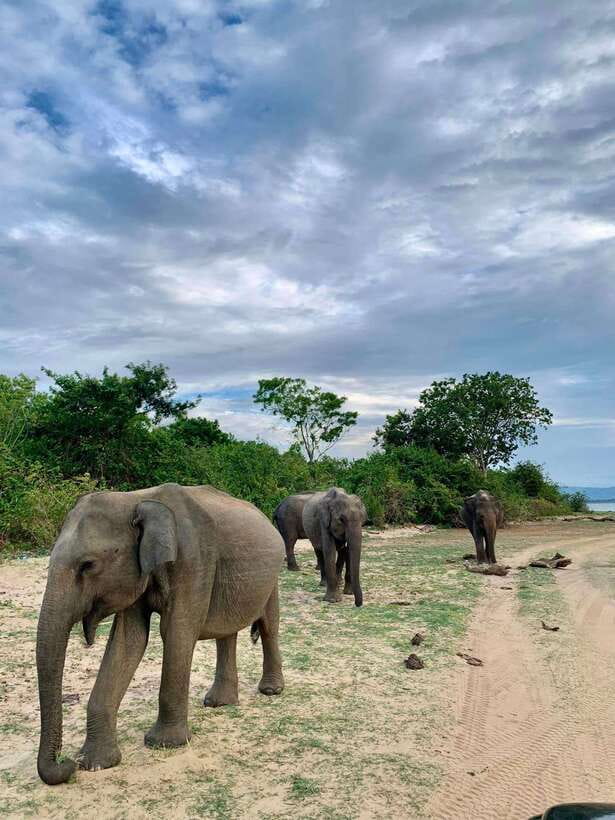
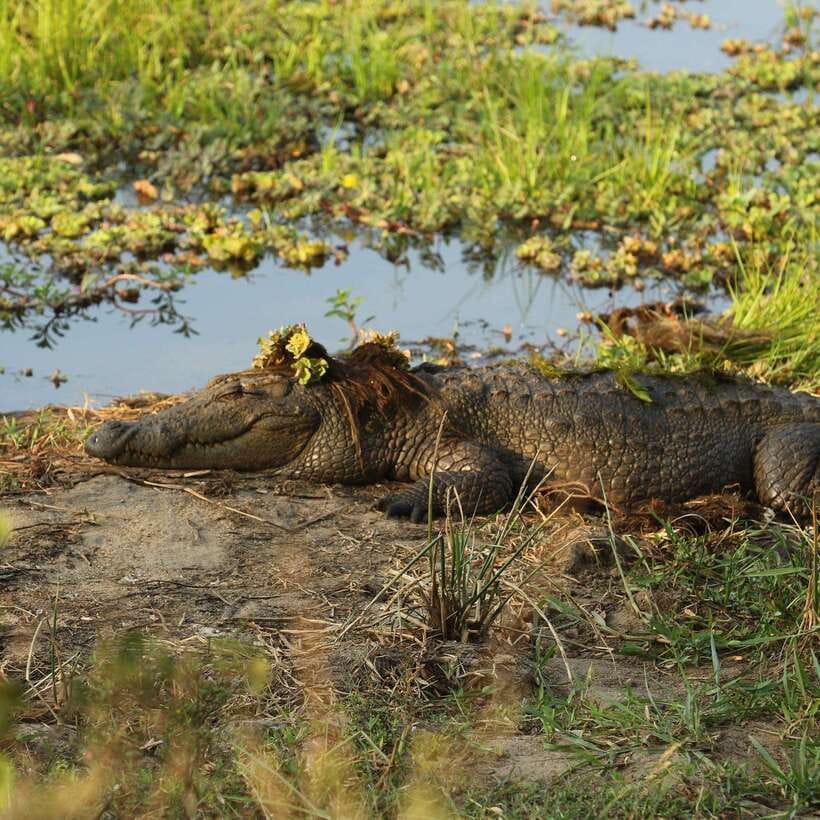
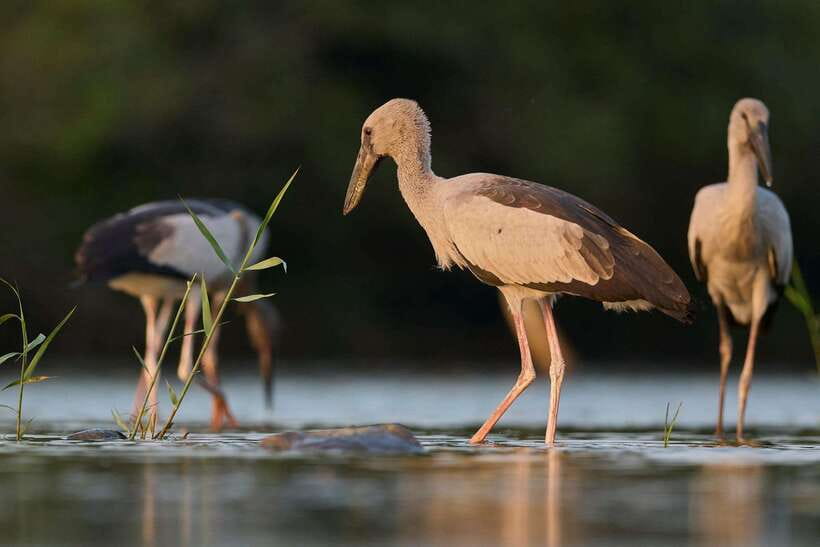
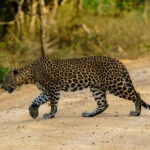
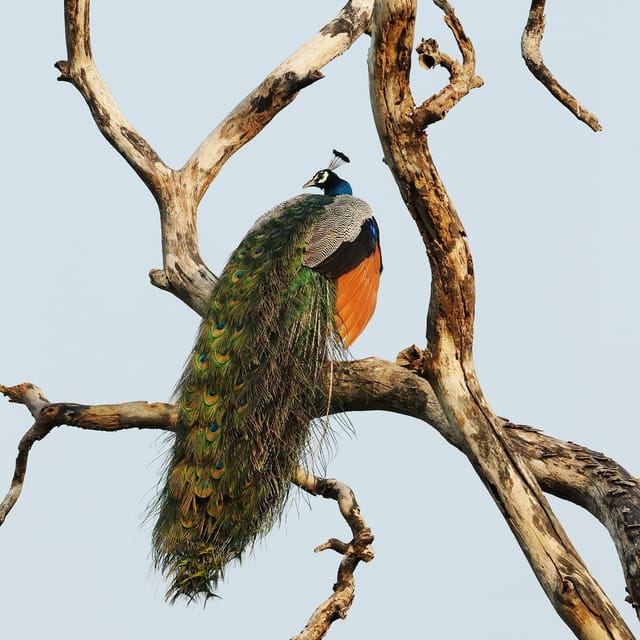
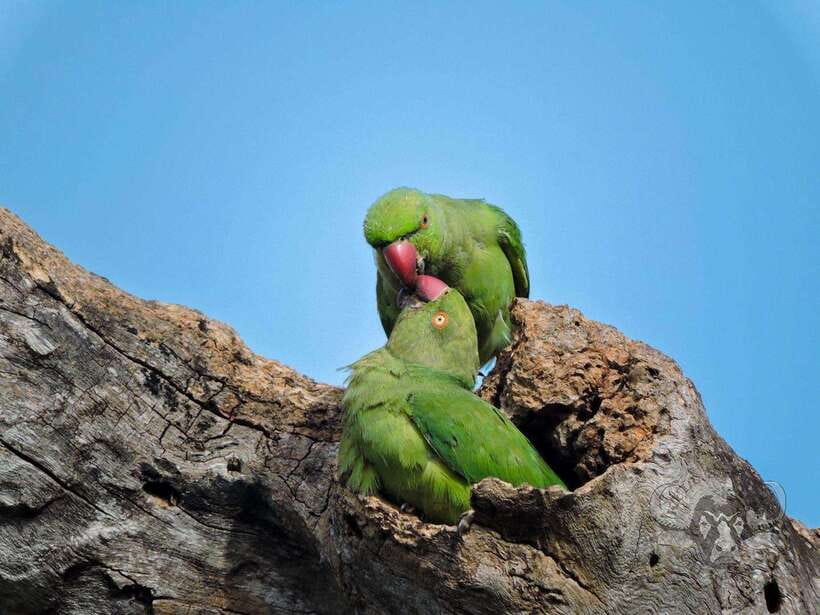
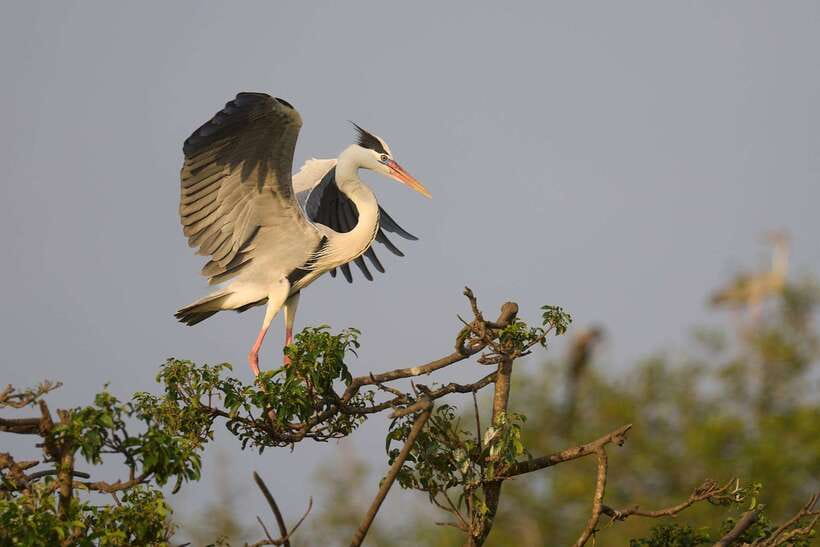
Udawalawe isn’t only elephants. It’s also a place where you can build a full wildlife list in one safari, especially when your guide knows what to watch for. You may spot deer, water buffalo, crocodiles around water areas, and a mix of birds that includes eagles and peacocks. There can also be smaller sightings like chameleons and monkeys.
In real terms, that means the safari feels like more than a single-thing event. Yes, elephants are the headline. But the day can stay interesting because the wildlife variety keeps coming in waves: one sighting catches your attention, then the guide scans ahead and points out the next one.
I also like that the tour encourages careful viewing. In multiple accounts, the pacing wasn’t about speeding through. It was about letting you actually look. For photos, that’s the difference between a blurry “maybe that was it” shot and a picture where you can clearly see posture, behavior, and group members.
If you’re the type who loves birds, you’ll likely feel extra satisfied. The combination of open landscapes and a guide who actively spots gives you more chances to notice birds rather than just passing them by.
Elephant Transit Home: what you’re really seeing and why it matters
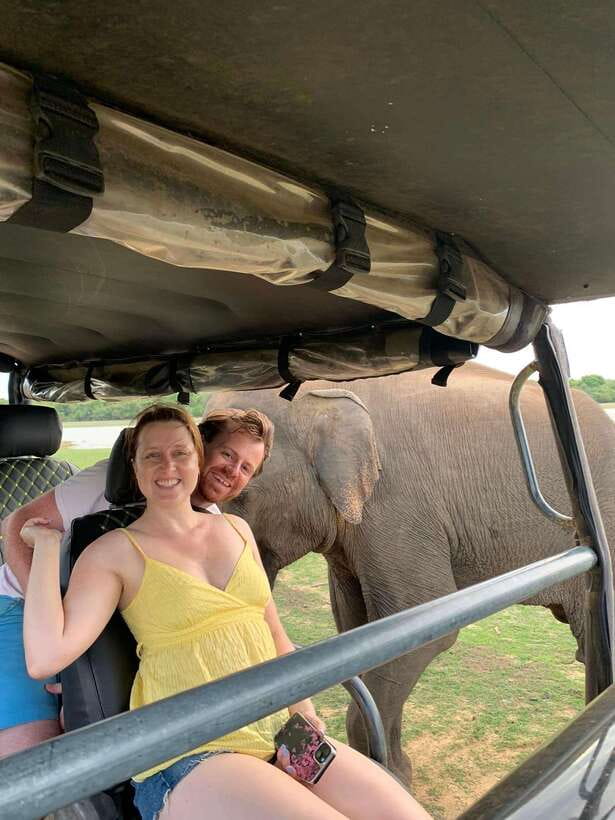
After the safari, you visit the Udawalawe Elephant Transit Home. This stop is about rehabilitation—specifically young elephants that have been orphaned or injured. You’ll spend about 1 hour there, and the visit happens at one of three open times: 10:30 AM, 2:30 PM, or 6:00 PM.
Here’s what makes this part special for your trip. The park shows you elephants in the wild. The transit home shows you what human efforts are trying to achieve in the real world: caring for young elephants until they can return closer to a natural life. It’s not just a cute photo moment. It gives context to why conservation work is necessary.
During your visit, you can usually expect to see feeding and care routines, along with young elephants interacting with each other and their caretakers. This is typically when the emotional impact of the day hits. Elephants young enough to still look playful have a way of shifting the mood from wildlife spotting into something more personal.
One practical thing: bring your patience for this stop too. You’ll likely want to watch feeding and behavior closely, and the setting is designed for people to observe rather than rush. If you’re traveling with a photo-heavy mindset, this is one of the best places to slow down.
Timing, photos, and what to bring so the long day doesn’t wear you out
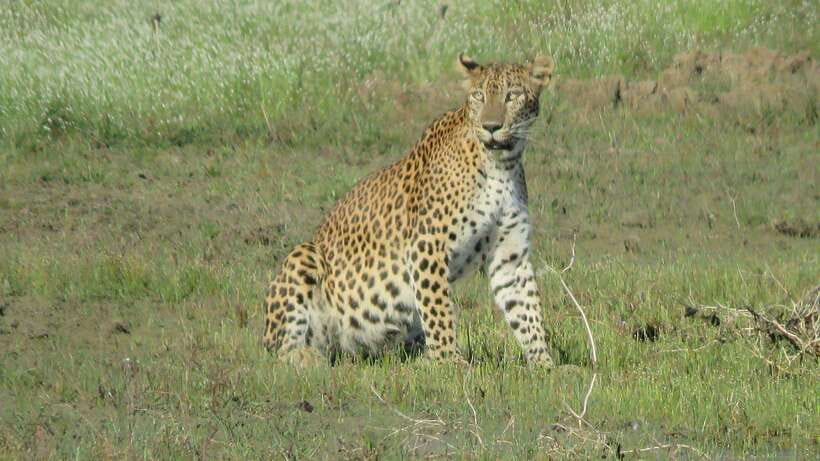
This outing runs about 5 to 9 hours, but in practice it can feel longer because you’re crossing a wider area, then doing a safari, then finishing at the transit home. You’ll want to be ready for movement—driving, jeep seating, then standing and walking at the transit home.
Food and drinks aren’t included, and you’ll feel that if you skip snacks. I’d pack water and some simple snacks so your energy stays steady for the safari and the later visit. You’ll be better off if you don’t have to hunt down food mid-journey.
For photos:
- Use your time inside the park well. The safari is a moving “window,” so you’ll want to keep your camera accessible.
- At the transit home, slow down. Watching behavior gives better shots than constant shooting.
- Some guides carry binoculars, which can help you confirm sightings before you zoom in. That improves your odds of getting a sharp picture of the right subject.
You should also follow the tour’s simple rules: alcohol and drugs are not allowed, and you should bring an ID card or passport.
If you have back issues, consider the jeep rides carefully. The tour is marked as not suitable for people with back problems, and the jeep seating plus vehicle movement can be a lot.


Price reality check: how the $27 works once park tickets are added
The headline price is $27 per person, which sounds like a bargain for a full-day outing. The key is that this price doesn’t include national park entry tickets, which are listed as about $37 per adult. Food and drinks are also not included.
So what’s the real value? You’re paying for:
- Door-to-door transfer from multiple pickup/drop-off towns
- Safari transportation with 4×4 jeep
- A live English guide
- Time in Udawalawe and the visit to the Elephant Transit Home
When you add park entry tickets, you’re closer to a combined cost that can feel more like a mid-range excursion than a budget one. Still, it can be worth it because you’re getting an integrated day with transportation and guided wildlife searching. If you try to DIY the drive plus jeeps plus timing, the coordination effort is often the part that costs you most.
My suggestion: treat $27 as the tour component and plan park ticket budgeting separately. That way you won’t feel surprised later.
Best-fit travelers: who will love this, and who should choose a different day
I think this tour is a great fit if you:
- Want a high chance of elephant sightings without adding extra planning
- Like wildlife guiding that helps you spot animals you’d miss
- Want both wild viewing and a conservation context at the transit home
- Prefer comfort on the road with air-conditioned pickup and a proper safari vehicle
You might want to skip or rethink it if you:
- Have back problems (the tour is marked as not suitable)
- Are pregnant (also marked not suitable)
- Expect a short, easy half-day with minimal driving
One more mindset tip: if you’re sensitive to crowds, go in expecting that popular sightings may gather multiple jeeps. The park experience still works, but you’ll enjoy it more if you focus on what the guide is doing next rather than getting stuck in crowd psychology.
Should you book Udawalawe Safari + Elephant Transit Home?
If elephants are your priority, I’d say yes—this is one of the more direct ways to get a strong Udawalawe day plus the transit home visit in a single package. The value is in the full flow: comfortable transport, a safari in a jeep built for viewing, and a conservation stop with set visiting times.
Book it if you can handle a long day and you’re okay managing your energy with snacks and water. Consider another approach if you need short travel times or you’re concerned about jeep comfort for any reason.
If you do book, use the day strategically: arrive ready to watch, not just snap. Give your guide room to find the next sighting, and you’ll likely come home with more than just elephant photos. You’ll have behavior moments—elephants moving, feeding, crossing, and the young elephants at the transit home that make the day feel human and hopeful.
FAQ
Is pickup and drop-off included?
Yes. The tour includes complimentary pickup and drop-off, with many pickup and drop-off options across the south coast.
What time do I need to be ready for pickup?
You should wait in the hotel lobby about 10 minutes before your scheduled pickup time.
How long is the tour?
The duration is listed as 5 to 9 hours.
Are national park entry tickets included?
No. National park entry tickets are not included and are listed as about $37 per adult.
Is the Elephant Transit Home visit included?
Yes. The tour includes a visit to the Elephant Transit Home for about 1 hour.
When is the Elephant Transit Home open for visits?
The transit home has open times at 10:30 AM, 2:30 PM, and 6:00 PM.
Is food included?
No. Food and drinks are not included.
Do I need to bring anything?
Bring an ID card or passport. The tour also states alcohol and drugs are not allowed.