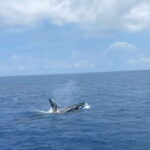
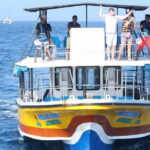
Whales on the water sound simple. Then you’re out on the Indian Ocean and it turns real fast. This Mirissa whale watching cruise (from nearby Kotapola waters) runs during the Nov–Apr season when blue whales and other large marine mammals pass close enough to see from a boat.
I like the practical setup: hotel pickup and drop-off in Mirissa, plus water, a life jacket, and breakfast included. I also like that you get a personal instructor with you while whale watching, so you’re not left figuring things out on your own.
One thing to keep in mind: wildlife can be unpredictable. One verified booking (Julia from New Zealand) said it was underwhelming because the whale sighting was brief.
In This Review
- Key Points at a Glance
- Why Mirissa’s Whale Watching Season Matters (Nov to April)
- Price and Logistics: What Your $70 Really Covers
- The 6-Hour Rhythm: From Mirissa Pickup Back to Mirissa
- On the Cruise: What You’re Actually Looking For
- The Personal Instructor on Board: Help You’ll Feel Immediately
- Snorkeling Chances vs What’s Included
- Whale Photo Expectations: When It Works, It’s Magical
- Comfort, Safety, and Small Inclusions That Add Up
- How This Tour Fits Different Types of Visitors
- Ratings, Realistic Expectations, and the “Underwhelming” Scenario
- Should You Book the Mirissa Whale Watching Cruise?
- FAQ
- Where is the pickup and drop-off?
- How long is the whale watching cruise?
- What’s included in the price ($70 per person)?
- Is the whale watching ticket fee included?
- Is snorkeling included?
- What marine animals can you see in Mirissa?
- Is there an instructor or guide on the tour?
- What language is the tour delivered in?
- What are your cancellation options?
Key Points at a Glance
- Nov–Apr timing helps you target blue whales, sperm whales, and dolphins
- Hotel pickup and drop-off in Mirissa keeps the morning stress low
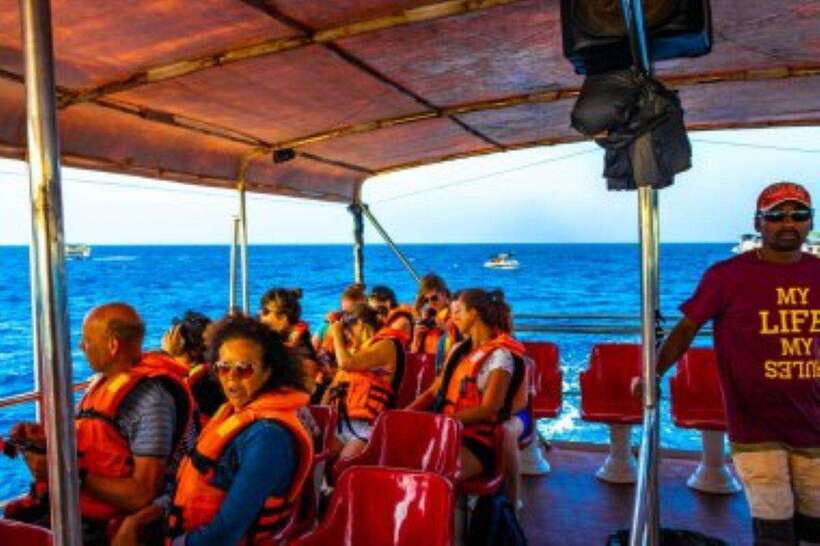
- Personal instructor during whale watching means you get help finding and understanding what you’re seeing
- Breakfast, water, and life jacket included keeps you prepared for time on the water
- Snorkeling isn’t listed as included, even if the experience mentions a chance to try it
- $70 base price is solid, but the whale ticket and food can add cost
Why Mirissa’s Whale Watching Season Matters (Nov to April)
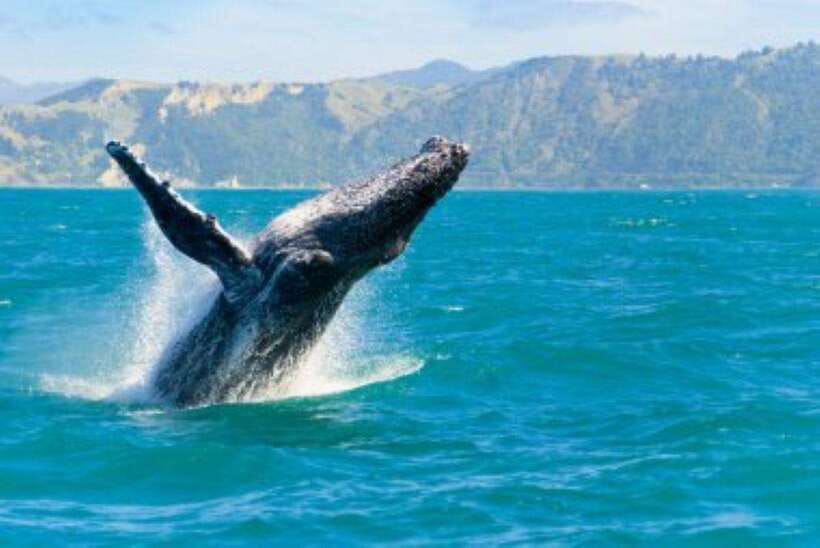
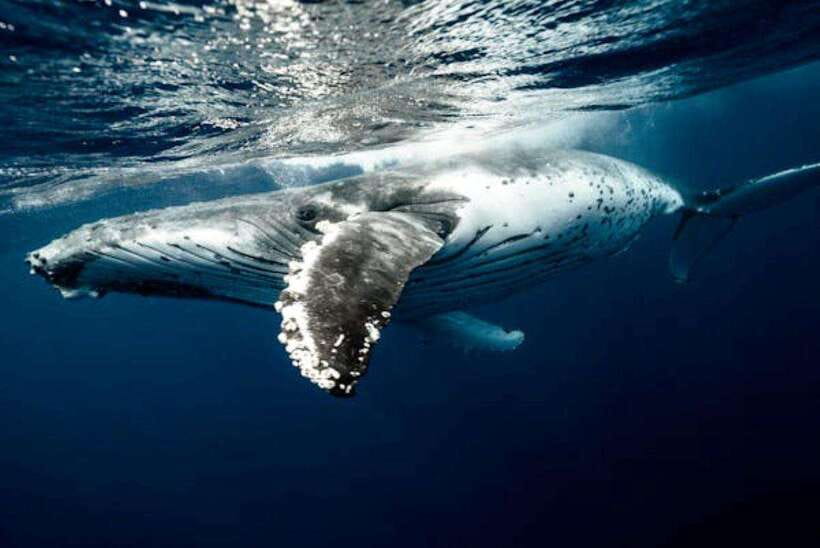
Mirissa is famous for whales for a reason: the southern coast sits in a migration corridor during the cooler season. From November to April, the odds improve that you’ll see whales like blue whales and sperm whales, along with dolphins that cruise the area too.
The key point for you is this: whale watching is a probability game, not a theme-park guarantee. The more you can align timing with the season, the more you’re paying for the chance to see the right animals in the right place. This cruise is built around that window.
The other practical win is the setting. Mirissa’s coastal waters are described as calm enough for a comfortable cruise experience, with the boat heading out from Kotapola area waters. When conditions are stable, it’s easier to spot spouts, tail slaps, and surface behavior without fighting the sea.
You can also read our reviews of more tours and experiences in Mirissa.

Price and Logistics: What Your $70 Really Covers
The headline price is $70 per person for a 6-hour experience. That sounds straightforward until you look at what’s included versus what costs extra.
Here’s what’s included:
- Hotel pickup and drop-off in Mirissa
- An English-speaking driver
- Whale watching cruise and a life jacket
- Water
- A personal instructor while whale watching
- Breakfast
What’s not included:
- Whale watching ticket fee
- Food
- Snorkeling
So the real value equation is: you’re paying for a guided, organized trip with transport and core gear, not for every add-on. If you’re trying to keep costs down, plan on covering your own lunch/meal needs during the day since food isn’t included.
Is it worth $70? For many visitors, yes—because the included pickup and drop-off saves time and hassle. In a place like southern Sri Lanka, where traffic and meeting points can get tricky, paying for door-to-door convenience is part of the comfort you’re buying.
The 6-Hour Rhythm: From Mirissa Pickup Back to Mirissa
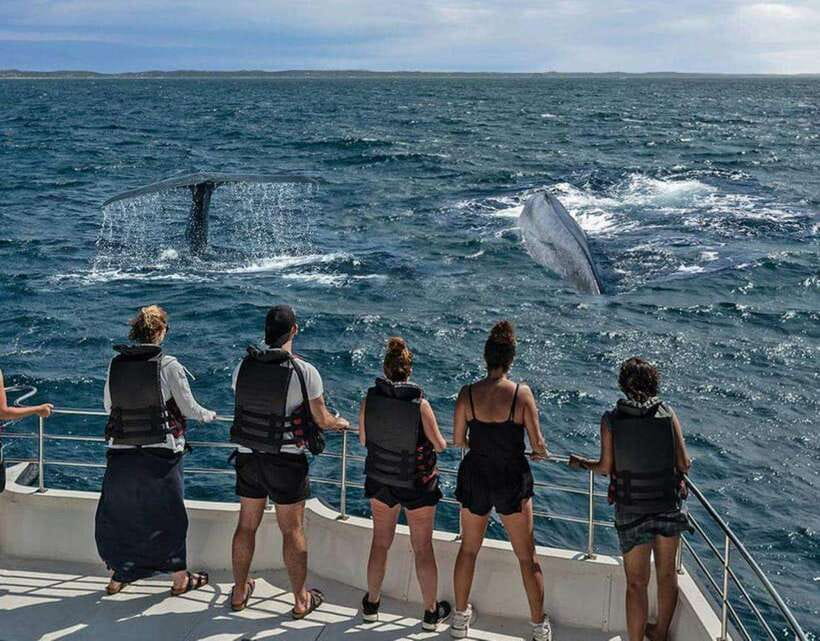
This is a day trip that stays tight and simple: pickup in Mirissa and return back to Mirissa. The total duration is 6 hours.
That timeframe matters because it helps you plan the rest of your day. You’re not giving up an entire vacation day, and you still get a meaningful chunk of time on the water during the main whale-watching window.
Breakfast being included is also a big deal in real-world terms. Morning boat time can make people skip food and then feel worse than they expected once you’re out there. Having breakfast included helps you start the day with fuel before you’re scanning the sea for spouts.
What you should watch for is the balance between sightseeing and waiting. Whale watching tours typically involve scanning time on the water—sometimes brief, sometimes longer—because animals move. Since your schedule is fixed at 6 hours, the day will feel either like a great run of sightings or a calmer session with fewer moments. That’s not a flaw in the operator; it’s just how wildlife works.
On the Cruise: What You’re Actually Looking For
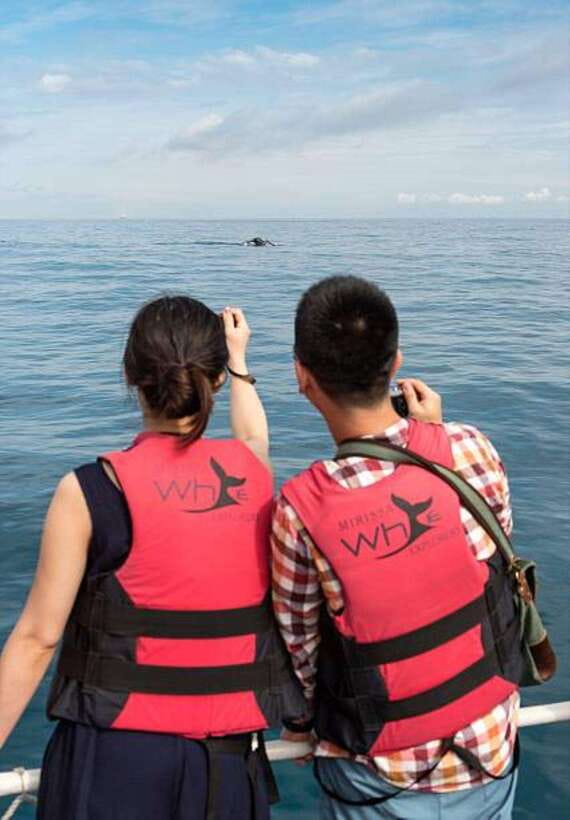
The tour is focused on wildlife sightings off the coast near Mirissa, with experienced guidance while you’re on the water. The cruise is designed to help you recognize marine animals in real time, not just admire them from afar.
Here’s what the experience highlights as the main targets:
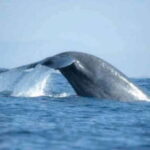
- Blue whales (the largest animals on Earth)
- Sperm whales
- Bryde’s whales
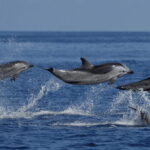
- Dolphins, including spinner dolphins and bottlenose dolphins
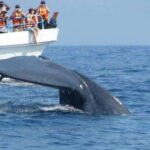
You’ll also have a shot at seeing other marine life like seabirds. The description notes that seeing a whale breach or tail-slap can be an eye-opening moment for any wildlife fan—and those behaviors are often what make photos look dramatic instead of just “a speck in the distance.”
Practical tip for your eyes: spouts happen fast. Keep your attention spread across the waterline and don’t stare only in one spot for too long. If the instructor gives directions, follow them—your best chance improves when everyone is tracking the same area.
Also, don’t judge the whole trip on one moment. Whales may appear, disappear, and reappear at different distances. A tour like this is built around repetition: scanning, repositioning, and learning what you’re seeing each time.
The Personal Instructor on Board: Help You’ll Feel Immediately
One of the strongest parts of this experience is the human support once you’re out on the water: a personal instructor is with you during whale watching.
Why that matters: whale watching isn’t only about spotting something. It’s also about interpreting what you’re seeing. A guide can help you understand:
- how to tell different whale types by behavior and surface timing (at a basic practical level)
- where to look when the boat shifts
- what a spout means versus what might just be ocean texture
And because the tour includes an English-speaking driver and the experience is delivered in English, you’re not stuck with silence. You get information as you go, which makes the “waiting to see” time feel productive instead of boring.
From a comfort standpoint, instructor presence can also reduce stress. If you’ve never done whale watching before, you’ll likely have questions like Where do I stand? What’s the safest side? What should I be looking for? That’s exactly where having someone there helps you enjoy the day instead of second-guessing it.


Snorkeling Chances vs What’s Included
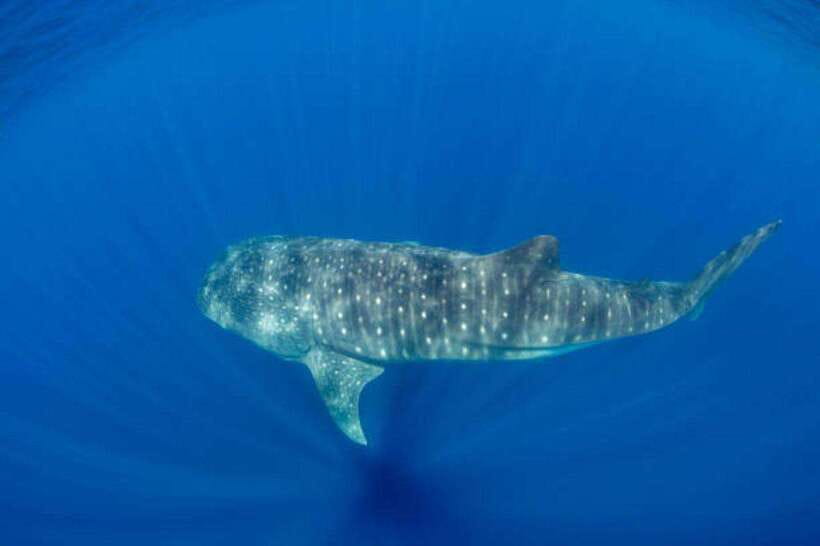
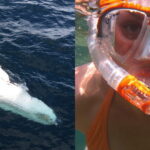
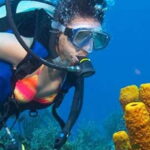
The highlights mention a chance to go snorkeling and a look beneath the waves. But the included/excluded list says snorkeling is not included.
So here’s how I’d handle it if you’re planning your day: treat snorkeling as a possible add-on rather than a guaranteed activity. If snorkeling is important to you, confirm what’s provided at the time you book—especially whether you’ll be charged separately or whether there’s an option onboard depending on conditions.
In practice, this matters because snorkeling plans can change your prep. If you assume snorkeling is included and you don’t bring or arrange what you need, you might end up disappointed even if you still get great whale sightings.
Good news: even without snorkeling, the main experience is still the cruise itself—whale and dolphin watching plus coaching from your instructor. That’s the core reason people choose this tour.
Whale Photo Expectations: When It Works, It’s Magical
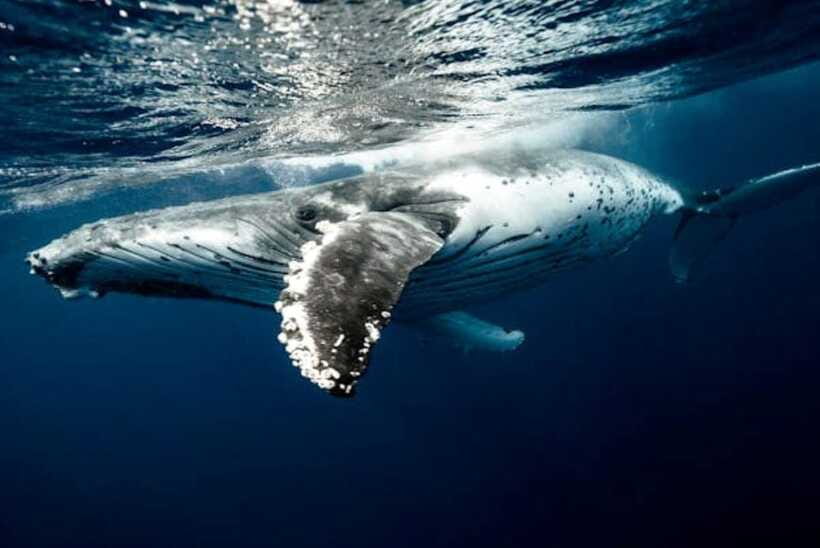
The tour description promises a chance for a once-in-a-lifetime whale photo. I’d translate that into something more usable for your expectations: you’re going to be on the water with wildlife you can spot from the boat, in a season where the area can host big whales.
But getting a photo that looks like a postcard depends on a few variables:
- distance (how close the animals are at the moment you get the shot)
- timing (breaches and tail slaps are short events)
- sea conditions (boat motion can blur images)
- your willingness to react fast when the instructor points something out
The way to tilt the odds in your favor is simple: be ready. Keep your camera accessible, and when the group shifts to a new viewing area, act quickly. Whale watching photos are often won in the seconds between “where did it go?” and “there it is again.”
Comfort, Safety, and Small Inclusions That Add Up

The cruise includes basic comfort and safety items: a life jacket and water. That’s not glamorous, but it’s smart, and you’ll appreciate it once you’re out there.
Breakfast also helps. It’s one less thing you have to solve while you’re already juggling sun, salt air, and a lot of scanning attention. Small inclusions like this tend to make a tour feel smoother, even when nature decides how intense the sightings are.
And since pickup and drop-off are handled in Mirissa, you avoid the common vacation headache of finding your way to a boat departure point on your own. That’s usually where time gets lost.
How This Tour Fits Different Types of Visitors
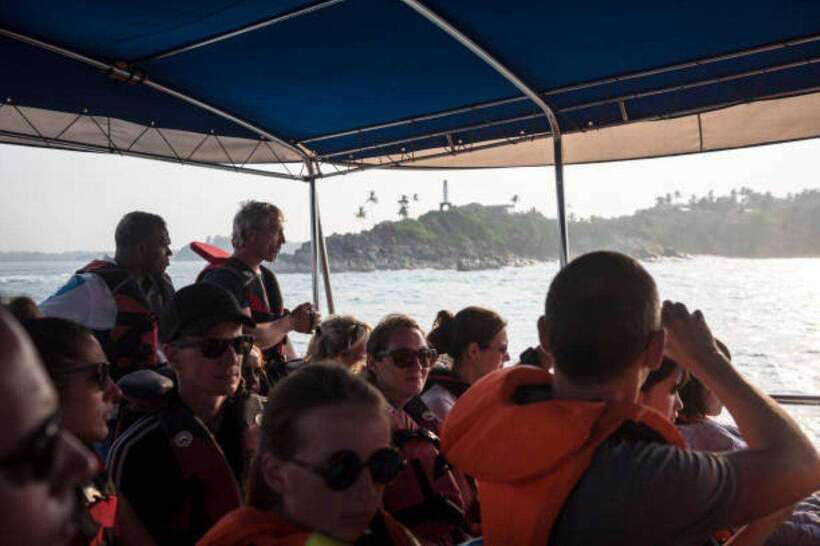
This whale watching cruise makes the most sense if:
- you want a guided, structured day focused on whale and dolphin spotting
- you value English-speaking support while you’re out on the water
- you prefer not to organize transport to a coastal departure point yourself
- you’re visiting Sri Lanka in November–April and want the best shot during the season
It’s also a good match if you’re traveling with mixed comfort levels. Some people enjoy wildlife from far away; others want help understanding what they’re seeing. With an instructor on board, both styles can work.
Where you might reconsider: if you’re chasing only one outcome—like a guaranteed close-up whale breach—or if you’re mainly interested in snorkeling. Snorkeling is not listed as included, and whale sightings aren’t controlled.
Ratings, Realistic Expectations, and the “Underwhelming” Scenario
The overall rating shown is 3.1 out of 5 across 5 ratings. That’s a small sample, so it’s not enough to declare anything definitive—but it does hint that experiences can vary.
One verified booking by Julia (New Zealand), dated May 30, 2025, described it as ok and said the whale sighting was underwhelming. That doesn’t mean the cruise is bad. It’s a reminder that wildlife-focused tours can swing based on what the animals do that day and how close they come to the boat.
For you, the best approach is to treat this as a nature encounter with guidance, not a fixed script. If you go in expecting the sea to do what it wants—while you do your part to watch and follow instructions—you’ll be more likely to enjoy the day even if the biggest whale moment is brief.
Should You Book the Mirissa Whale Watching Cruise?
I’d book this if you’re traveling to Mirissa in November–April and you want organized support, convenient pickup, and a guided cruise aimed at spotting blue whales, sperm whales, and dolphins. The included breakfast, water, and life jacket, plus instructor help, are the kind of practical touches that make a long day outdoors feel manageable.
I’d hesitate if snorkeling is your main goal, because snorkeling is listed as not included. I’d also set expectations with flexibility around sightings. If you can accept that some days bring lighter sightings than others, this can still be a memorable ocean experience—especially with the instructor helping you track the action.
FAQ
Where is the pickup and drop-off?
Pickup and drop-off are both in Mirissa.
How long is the whale watching cruise?
The experience lasts 6 hours.
What’s included in the price ($70 per person)?
Hotel pickup and drop-off in Mirissa, an English-speaking driver, the whale watching cruise, a life jacket, water, a personal instructor while whale watching, and breakfast.
Is the whale watching ticket fee included?
No. The whale watching ticket fee is not included.
Is snorkeling included?
Snorkeling is not listed as included, even though the experience description mentions a chance to go snorkeling.
What marine animals can you see in Mirissa?
The experience mentions blue whales, sperm whales, Bryde’s whales, and dolphins such as spinner and bottlenose dolphins, plus seabirds.
Is there an instructor or guide on the tour?
Yes. A personal instructor is with you while whale watching.
What language is the tour delivered in?
The tour is delivered in English.
What are your cancellation options?
You can cancel up to 24 hours in advance for a full refund. You may also be able to reserve now and pay later.
If you want, tell me your travel month and whether you’re more interested in whales or snorkeling, and I’ll help you decide if this timing and format fits your day.