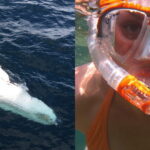
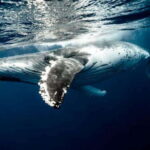
If you love wildlife with a dash of luck, this one works. On Sri Lanka’s south coast, Mirissa Water Sports runs a morning whale-and-dolphin trip that’s built on years of local marine tracking, plus hotel transfers and an included fresh breakfast so you’re not scrambling before the sea day. The main thing I like most is that they’re serious about the search and practical about your comfort.
The one drawback to plan around: it’s nature. Even with a 90% sightings promise, you can still get a day shaped by distance and conditions, and there’s no lunch onboard.
In This Review
- Key things to know before you go
- Mirissa at 6:30 am: why this tour starts so early
- Blue whales, sperm whales, and spinner dolphins: what makes their search feel legit
- What the boat day feels like: dolphin watching plus whale potential
- Breakfast, fruit, water, and wash rooms: small comforts with big impact
- Safety rules: the stuff you’ll notice immediately
- Price and value: what $75 buys you on a wildlife gamble
- Weather, communication, and managing expectations
- What to bring: the packing list that actually helps
- Who should book this boat ride—and who should skip it
- Should you book Whales & Dolphin Watching with The Pioneers?
- FAQ
- How long is the whale and dolphin watching tour?
- What time do I need to arrive, and when does the boat leave?
- Is breakfast included?
- Are hotel transfers included?
- Are there wash rooms on the boat?
- Is lunch included?
- Are sea-sickness tablets provided?
- Do I get a refund if there are no sightings?
- What do passengers have to wear during the trip?
Key things to know before you go
- Built for early departures: you’re expected at Mirissa Water Sports by 6:00 am for a 6:30 am boat departure.
- Expert-backed wildlife ID: the operator works closely with marine mammal specialist Anouk Ilangakoon to help identify whale types and migration patterns.
- Most sightings offshore: chances are highest roughly 3 to 6 miles off Mirissa.
- Comfort that matters on a sea trip: included breakfast, fruit, unlimited mineral water, and access to wash rooms (office and boats).
- Clear reality check on sightings: 90% is the goal, but if sightings don’t happen, you’re looking at a free rescheduled trip rather than a refund (rules apply).
- No lunch: you’ll need to handle your midday meal elsewhere.
Mirissa at 6:30 am: why this tour starts so early
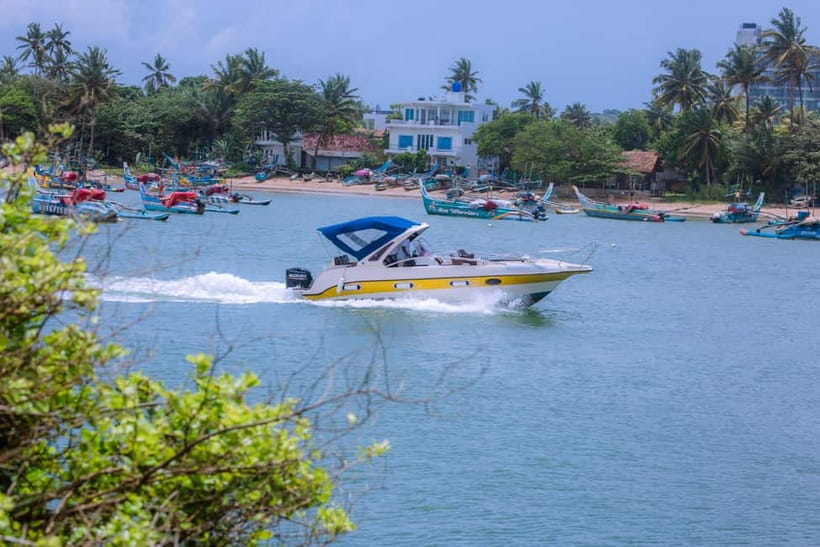
This is not a late-morning “maybe we’ll see something” outing. You’re up early because whales and dolphins often show up on a schedule shaped by movement, light, and sea conditions, and Mirissa Water Sports is built around that timing.
Here’s how it plays in real life: you arrive at Mirissa Water Sports (Pvt) Ltd by 6:00 am, then the vessel departs at 6:30 am. From there, you’re out for roughly 4 to 5 hours on the water, with the total experience running about 5.5 hours.
That early start changes the day in a good way. You get the cool morning air, fewer cruise-style crowds (most people are still eating breakfast on land), and you’re not wasting your best daylight hours sitting around. If you’re staying nearby, the included hotel transfers are a big help—this is one of those tours where “simple logistics” directly affects how much you enjoy the sea time.
You can also read our reviews of more tours and experiences in Mirissa.
Blue whales, sperm whales, and spinner dolphins: what makes their search feel legit
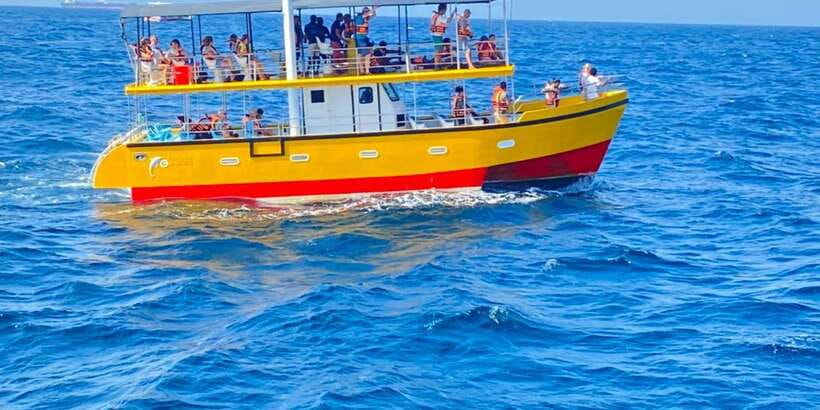
What makes this outing more than just a boat ride is the way it’s designed around patterns.
They’ve logged whale sightings across over three consecutive seasons, and they note that most sightings happen 3 to 6 miles off Mirissa. That matters because it’s the difference between “trying anywhere” and “working a known area.” They also run this as an all-year option, not a short seasonal gimmick.
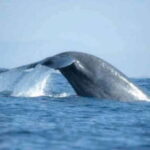
The operator tracks migration timing too. Blue whales, for example, are described as most frequently seen during the first quarter of the year along the South and West Coast—part of their route pattern. And because they keep accurate sighting logs, they aim to predict when blue whales may arrive for future trips. You’re basically benefiting from their record-keeping, not just hoping.
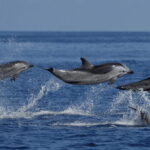
Dolphins have their own timing. January and April are highlighted as good months for dolphins, and you’re often accompanied by pods of spinner dolphins.
One more detail that I really appreciate: they don’t just say “we’ll look.” They work with marine mammal expert Anouk Ilangakoon to help identify whale types and understand migrating habits. Even when you’re not a marine-biology person, that kind of guidance tends to improve how the crew reads the water—and what they decide to do when they spot signs offshore.
What the boat day feels like: dolphin watching plus whale potential
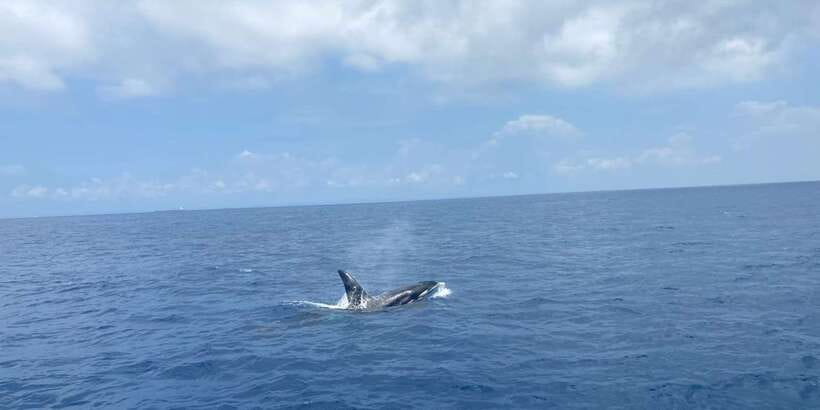
This outing is presented as whale and dolphin watching, and the on-the-water portion centers on dolphin watching during the time you’re out in the Mirissa area. In practice, the day’s outcome depends on where the animals are and what the crew finds during the search window.
Here’s the typical flow you should expect:
- You leave early from Mirissa Water Sports.
- You spend several hours out on the water, aiming for sightings in the offshore zone where they’ve recorded results.
- You return to Mirissa Water Sports when the scheduled sea time ends or when conditions dictate.
Because the distance to the sighting area can vary, the trip length is given as an average of 4 to 5 hours, with overall duration still about 5.5 hours. That flexibility is normal at sea, and it’s one reason the schedule is built around morning departure rather than a strict “we’ll always be back at exactly X.”
If your idea of success is seeing something moving and alive in the water rather than checking a checklist, you’ll probably enjoy the day more. The real win is being out there during the hours when these animals are most likely to show themselves.
Breakfast, fruit, water, and wash rooms: small comforts with big impact
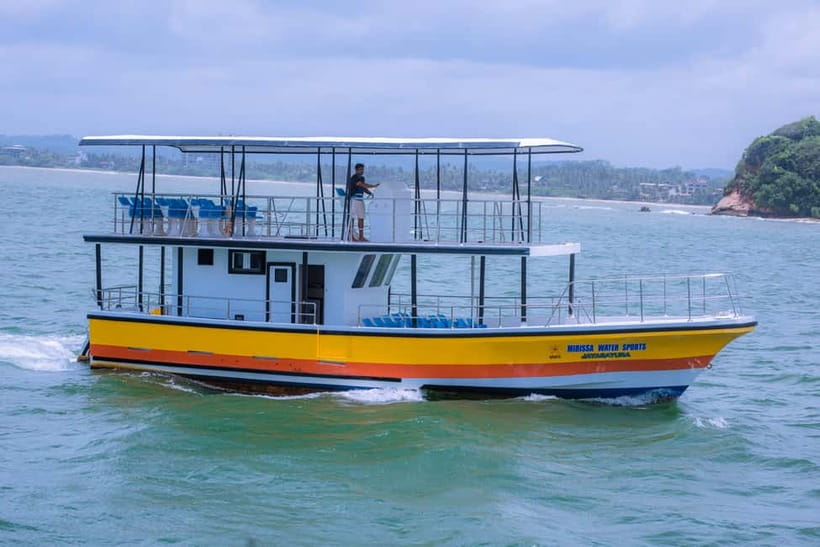
Sea days can turn miserable fast if you’re hungry or stuck with basic amenities. This one includes several things that keep you functioning like a human.
Onboard, you get:
- Fresh breakfast
- Mineral water (unlimited)
- Fruit bowl
- Other refreshments
- Sea-sickness medicines
They also highlight wash room availability. You’ll find decent wash rooms both in the office and on the boats. On a boat day, that’s not a luxury detail—it’s practical sanity.
One thing I’d take seriously: the tour strongly advises you to take sea sickness tablets if you tend to feel it. Even if you’ve never had motion sickness before, it’s still smart. The provided medicines are there for a reason, and they’re included, so you’re not paying extra for an emergency.
Also, pack for comfort. Bring comfortable clothes, comfortable shoes, and a change of clothes if you get sprayed. A towel isn’t mentioned, but having dry clothes ready can make a return-to-harbor moment way less annoying.
Safety rules: the stuff you’ll notice immediately
You’ll likely feel these rules before you even spot anything—because they’re part of getting on board and staying onboard.
- Everyone must wear a safety jacket.
- You must wear a face mask throughout the journey.
- Smoking and alcohol and drugs are not allowed.
None of this is unusual for a responsible marine operator, but the face-mask requirement is worth noting because it’s a very specific instruction for the trip.
The other safety-related practical point is who should skip the boat. It lists the tour as not suitable for:
- Children under 3
- People over 70
If you fall near those edges (or you’re traveling with family), it’s worth thinking about comfort on open water and your ability to follow the on-board rules for a multi-hour outing.
Pregnancy and infants also have specific medical guidance. Pregnant mothers and parents with children under 3 are asked to seek doctor advice and approvals. Parents with infants should bring necessary foods.

Price and value: what $75 buys you on a wildlife gamble
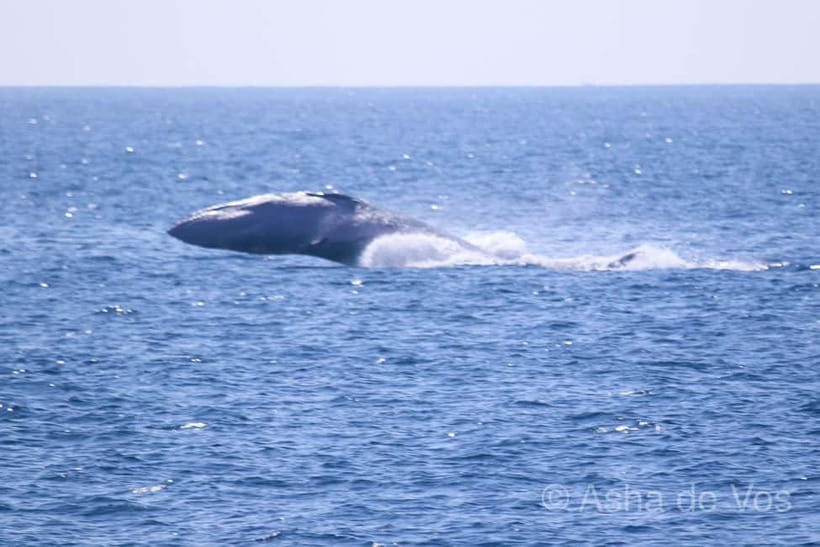
At $75 per person for about 5.5 hours, the value depends on how you weigh risk vs. support.
The key value drivers here are:
- Hotel transfers included (you’re not paying for separate transport)
- Breakfast, water, fruit, and refreshments onboard
- Sea-sickness medicines included
- Wash rooms available
- Wildlife entrance ticket included
- A stated 90% sightings guarantee
That last one matters. It’s not saying 100% every time, but it signals the operator isn’t treating the trip like a lottery with no process. If you’re booking one sea day in Sri Lanka and you want the best odds, $75 is a reasonable price when the boat is well-run and the search is active.
Now the realism part: there’s no lunch served. If you’re someone who gets cranky when hungry (or you’ll be hungry after the sea trip), you’ll want to plan your next meal immediately after you return.
Also, if there are no sightings, it says no refund will be made—but they will arrange a free rescheduled trip depending on seat availability (conditions apply). That’s essentially how they protect your money if wildlife doesn’t show up.
If you’re the type who needs guaranteed sightings no matter what, you may still feel nervous booking a marine-wildlife trip. If you can handle it as a high-odds wildlife outing with backup options, the pricing makes more sense.
Weather, communication, and managing expectations
Let’s talk about the part that can sour a sea day faster than rough water: not knowing what’s happening.
One of the key warning signals from recent experience is simple: on at least one weather-cancelled booking, people showed up early and found closed doors, and they weren’t informed promptly about the cancellation. The explanation given afterward was that they’d known since the evening before, but contact didn’t happen in time.
You can’t control weather. But you can control your planning. I’d do this:
- Make sure you have a reliable way to reach the operator the morning of your trip.
- If you’re staying far from the departure point, build in a buffer so you’re not stuck waiting at the harbor with no communication.
- Keep your day flexible so a reschedule doesn’t ruin your whole itinerary.
Then there’s the other practical note: an additional rating suggested the experience can feel a bit over-hyped. I take that as a reminder to match your expectations to reality. Wildlife spotting is never like a museum tour. You’re going out to look, and the animals decide how generous they feel.
What to bring: the packing list that actually helps
This tour gives you a lot onboard, but you still need personal essentials for comfort and for staying in the game.
Bring:
- Sunglasses (glare offshore is real)
- Sunscreen
- Comfortable shoes
- Change of clothes
- Camera
- Cash (they specifically mention cash)
- Credit card
- Passport (a copy is accepted)
- Personal medication
Also keep in mind the “small but important” rules:
- No alcohol and no drugs.
- Smoking not allowed.
If you run hot or get bothered by sun and wind, plan for it. A marine day can exhaust you even when the water looks calm.
Who should book this boat ride—and who should skip it
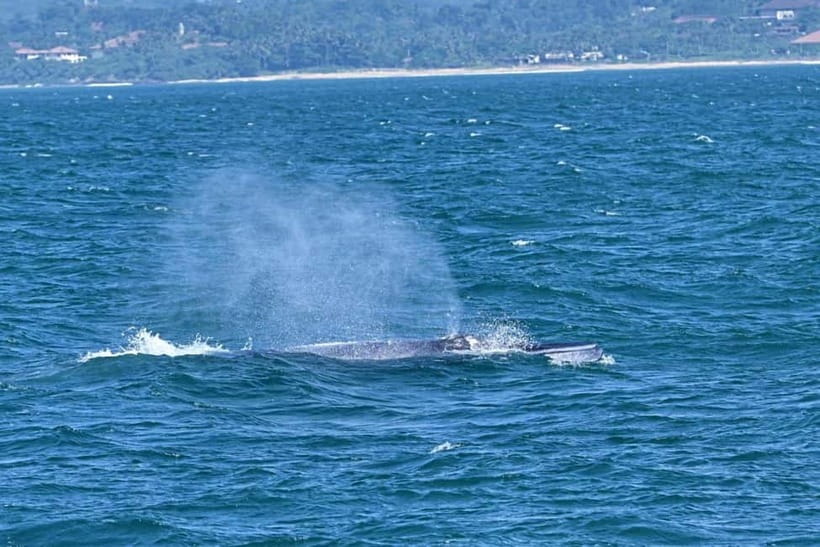
This is a strong fit for you if:
- You want a structured, long-running whale-and-dolphin operator rather than a random charter.
- You care about comfort basics: breakfast, water, fruit, sea-sickness help, and wash rooms.
- You’re flexible about wildlife outcomes and can handle a rescheduled day if sightings don’t happen.
It’s not a great fit if:
- You’re traveling with a child under 3 or you’re older than 70 (the tour lists both groups as not suitable).
- You’re very sensitive to motion sickness and you don’t plan to take the advised tablets.
- You expect lunch to be covered and don’t want to think about food timing.
If you’re in the Mirissa area and this is the one big ocean activity you’re choosing, this feels like the type of booking that’s worth doing early in your trip—so if conditions force a reschedule, you still have time to try again.
Should you book Whales & Dolphin Watching with The Pioneers?
I’d book it if you want the best mix of support on board and a serious search approach. The combination of early departure, expert-backed identification support through Anouk Ilangakoon, years of sighting logs, and the included comforts (breakfast, water, fruit, wash rooms, and sea-sickness medicines) makes it practical value, not just a ticket to gamble.
I wouldn’t book it if you need a guaranteed wildlife sighting no matter the conditions or if you’re the kind of person who can’t handle the uncertainty of weather and animal movement. And if you book, take weather communication seriously—arrive prepared, keep contact options handy, and don’t assume last-minute updates will always be perfect.
If your mindset is: I’m going out for a morning at sea and I’ll be happy either way, you’ll likely have a good day.
FAQ
How long is the whale and dolphin watching tour?
The total duration is listed as 5.5 hours, and the average time on the water is 4 to 5 hours.
What time do I need to arrive, and when does the boat leave?
For the morning tour, you should arrive at Mirissa Water Sports by 6:00 am, and the vessel departs at 6:30 am.
Is breakfast included?
Yes. A fresh breakfast is included, along with mineral water and fruits/refreshments onboard.
Are hotel transfers included?
Yes, hotel transfers are included.
Are there wash rooms on the boat?
Yes. They state there are wash rooms available on both the boats and at the office.
Is lunch included?
No. Lunch is not served on this tour.
Are sea-sickness tablets provided?
Sea sickness medicines are included, and they advise taking sea sickness tablets if you have sea sickness.
Do I get a refund if there are no sightings?
No refund is made if there are no sightings, but they will arrange a free rescheduled trip depending on seat availability (conditions apply).
What do passengers have to wear during the trip?
All passengers must wear safety jackets and face masks throughout the journey.