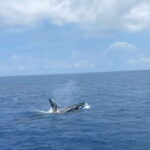
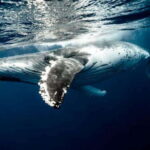
Whales off Mirissa can feel unreal. This 5-hour Kotapola tour pairs an English naturalist guide with real-world, responsible viewing—your boat slows near whales, and you hold at least 300 feet away. I like the focus on learning (how to identify what you’re seeing and when whales surface), and I like that the boat handling is designed to reduce impact. One drawback to keep in mind: whale sightings are never a sure thing, and if the boat feels crowded you may miss details from the narration.
You meet in the morning at Mirissa Fisheries Harbor and head out on a roughly 2-hour boat ride, with about 1 hour spent at the viewing site. Expect a mix of chances for blue whales, sperm whales, and fin whales, plus occasional orcas and plenty of dolphins. This is also not a full-day food-and-float plan—lunch isn’t included—so you’ll want to plan your stomach around the packed breakfast.
In This Review
- Key things to know before you go
- Mirissa waters: what you’re really paying for
- Meeting at Mirissa Fisheries Harbor and the 5-hour rhythm
- What the boat ride includes (breakfast, water, and a real guide)
- Responsible whale watching: how far is 300 feet in real life?
- The 1-hour whale-spotting window: what you should do during it
- Which whales you might see, and how you’ll learn to tell them apart
- Price and value: is $80 a fair deal?
- Who this tour suits best (and who should skip it)
- Small details that can change your experience fast
- Should you book this Mirissa whale watching tour?
Key things to know before you go
- Responsible spacing: your closest approach is listed as 100 feet, with stops at least 300 feet away.
- Naturalist-led spotting: you learn how to identify whales and spot the timing of their surfacing.
- Time on site is focused: about 1 hour at the whales’ area, not a long idle drift.
- Comfort matters: sunglasses, a sun hat, and comfy shoes aren’t optional in the bright morning sun.
- You may feel the crowd: a busier boat can make onboard instructions harder to hear.
Mirissa waters: what you’re really paying for
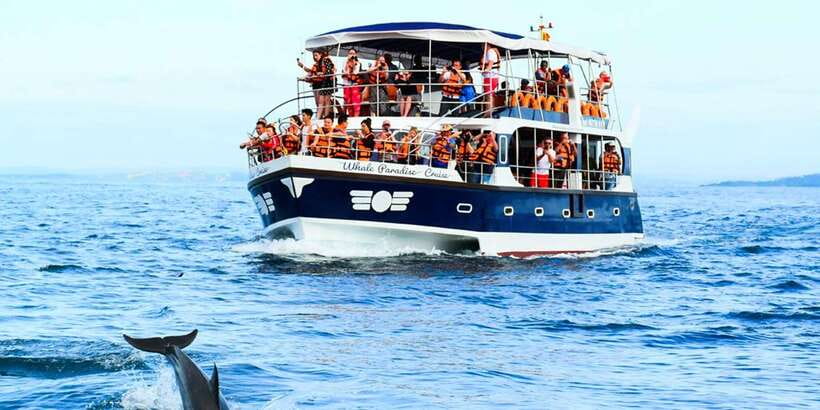
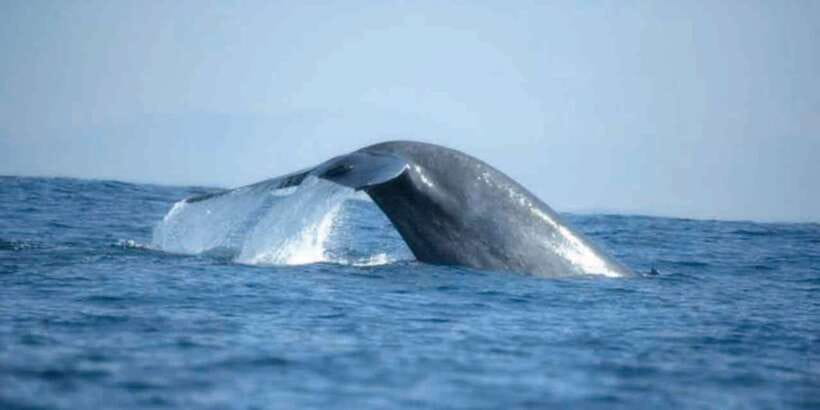
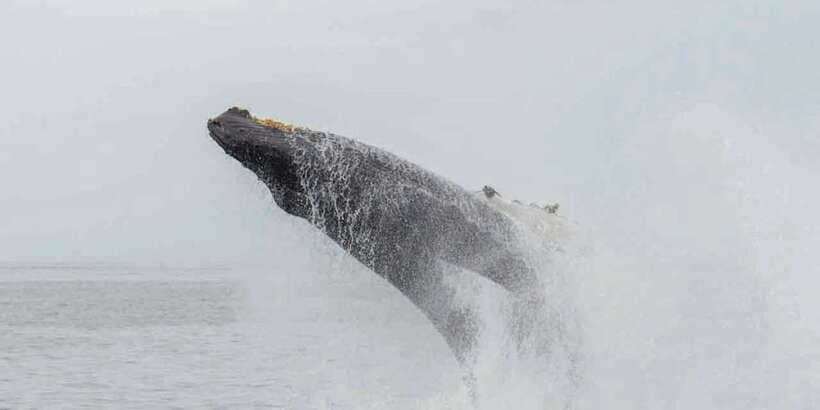
This tour is built around one big idea: seeing the ocean’s biggest mammals in the wild, with a guide who helps you understand what you’re looking at. In Sri Lanka’s waters, that can mean blue whales, sperm whales, and fin whales—each with its own rhythm and surfacing patterns.
What I like for your experience is that you’re not just “looking for a whale.” You’re learning how to watch. The guide helps you identify the species you see, and you’re taught how to tell when they’re coming up for air. That changes the whole trip from luck-based to skill-based.
And yes, you might get a bonus show. The tour describes chances for occasional orcas and “many types of dolphins.” That’s not a guarantee, but it’s exactly what you want in whale country: a plan that can pay off even if one species is elusive.
You can also read our reviews of more tours and experiences in Mirissa.

Meeting at Mirissa Fisheries Harbor and the 5-hour rhythm
Your day starts at Mirissa Fisheries Harbor in the morning. You’ll be picked up by a chauffeur (but the activity itself doesn’t include hotel pickup and drop-off), so plan to be at the harbor ready to go.
The timing is straightforward:
- You spend about 2 hours out on the boat traveling to the whale area.
- You spend around 1 hour at the site where whales are spotted.
- The full tour runs about 5 hours, ending back at the harbor.
That structure matters. Whale watching can turn into a slow game of “where are they today?” Here, you’re set up to search and then focus your watching time once conditions look promising. If you’ve ever had a tour where you feel mostly stuck waiting, this timing is at least designed to keep your attention.
What the boat ride includes (breakfast, water, and a real guide)
This is one of the smarter-value parts of the trip: you get a packed breakfast and fruit, plus tea or coffee, and 1 liter of bottled mineral water. It’s not a restaurant day out there, so those basic comforts help you stay awake and present during the early morning.
The real star is the onboard English-speaking naturalist guide. Their role isn’t just to point and say, there it is. The tour promises you’ll learn how to identify whales and how to tell when they’re coming up for air—things you’ll actually use out on the water.
One practical caution: if you end up on a boat that feels crowded, you might miss parts of the narration. I’ve seen the “guide is great, but the sound system isn’t” problem in nature tours before, and here it’s worth planning for. If you’re toward the back or lower seating, lean forward when you can, and listen early—when whales surface, the difference between catching the cue and missing it is real.
Responsible whale watching: how far is 300 feet in real life?
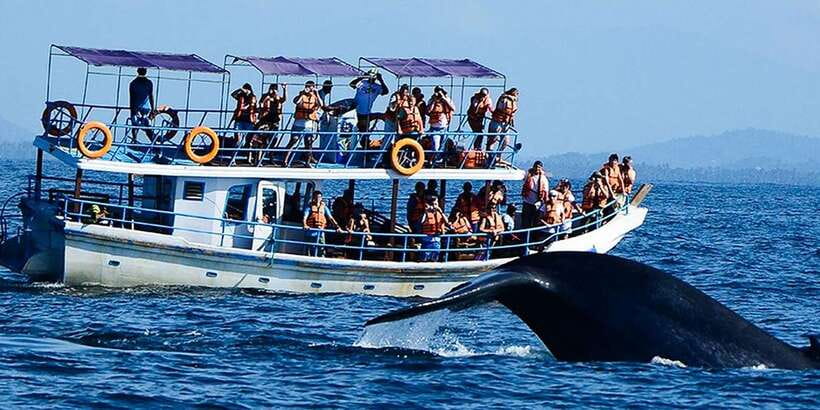
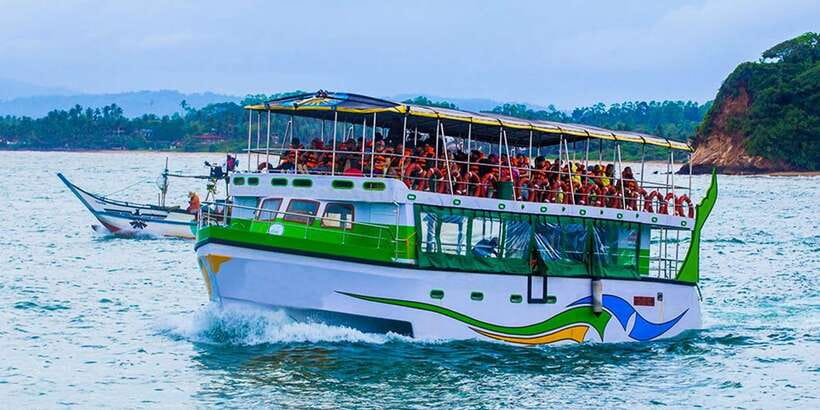
The tour’s whale viewing approach is described clearly, and it’s the part you should pay the most attention to. As the boat approaches whales, it slows down for viewing. Then you stop at a safe distance of at least 300 feet, with the closest approach listed as 100 feet.
Why you should care: distance isn’t just a rule on paper. It affects how whales behave. The tour is trying to minimize environmental impact, and that’s what you want in a place where long-term wildlife health matters.
Also, the closer you are, the more movement and noise the whales experience. Holding a respectful buffer gives you a better chance of seeing natural behavior—not just whales reacting to boats.
When whales are near, the guide’s instruction becomes crucial. You’ll learn what to look for and when to expect surfacing. Use the guide’s timing cues instead of only watching the water. That helps you catch the moment when you’d otherwise look too early or too late.
The 1-hour whale-spotting window: what you should do during it
Once your group reaches the whale site, you’ll spend about 1 hour there. That’s enough time to see multiple surfacing events—if conditions cooperate—and it’s long enough for the guide to explain what you’re seeing.
Here’s how to get the most out of that hour:
- Keep your eyes up and scan constantly, not just when the guide gestures.
- Watch for patterns. The guide teaches you surfacing timing, so treat each blow as part of a sequence.
- Stay calm and don’t rush to the same spot if the boat shifts. Safety and sightlines matter.
If you’re hoping for specific species, remember this: whales don’t follow a schedule. The tour describes multiple whale types that could appear—blue, sperm, fin, with occasional orcas and dolphins—so your best strategy is to treat each sighting as a chance to practice identification with the guide’s help.
And if the ocean is choppy or visibility is limited, don’t panic. Whale watching often turns on small changes in wind and light. The guide’s role is partly to read conditions and decide when to move and when to hold position.


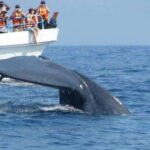
Which whales you might see, and how you’ll learn to tell them apart
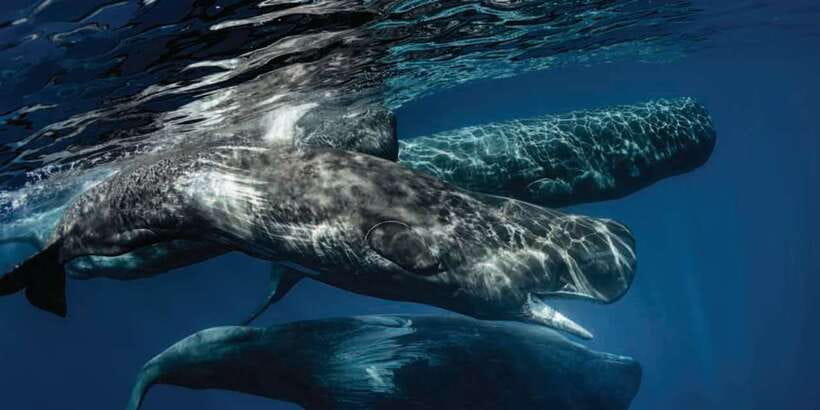
The tour lists the species you may encounter: blue whales, sperm whales, and fin whales, plus occasional orcas and multiple dolphin types. It also specifically says you’ll learn how to identify whales you see.
One important point: you’re not expected to be an expert. The value here is that someone trained in the field helps you interpret what the ocean is showing you. If you’re trying to figure everything out yourself, you might miss the finer cues that the guide catches quickly.
So when you’re out there, focus on the guide’s teaching in real time:
- Listen for how the guide explains surfacing behavior.
- Pay attention to what makes one sighting different from another.
- Use the guide’s identification prompts as a checklist.
Even if you only see one species, you’ll likely leave with a clearer mental picture of what makes that whale’s surface pattern stand out.
Price and value: is $80 a fair deal?
At $80 per person for a 5-hour tour, you’re paying for three things: boat time, a trained guide, and the inclusion of basic morning provisions (breakfast, fruit, tea/coffee, plus bottled water and taxes). You’re also paying for a tour that explicitly mentions responsible viewing distances, not just getting close and hoping for the best.
Is it a bargain? It can be, depending on what you get out on the water. The included guide time and the learning component help justify the cost more than a basic sightseeing boat ride.
The one financial risk is also the simplest: whale watching outcomes are variable. One experience described a trip where whales weren’t seen at all—meaning you got the boat and the morning, but not the main show. That’s the nature of the activity, not a guaranteed product.
If you’re the type of traveler who can handle a “maybe today” situation, the pricing makes sense. If you need a guaranteed whale sighting, you’ll want to think twice about how you plan your expectations.
Who this tour suits best (and who should skip it)
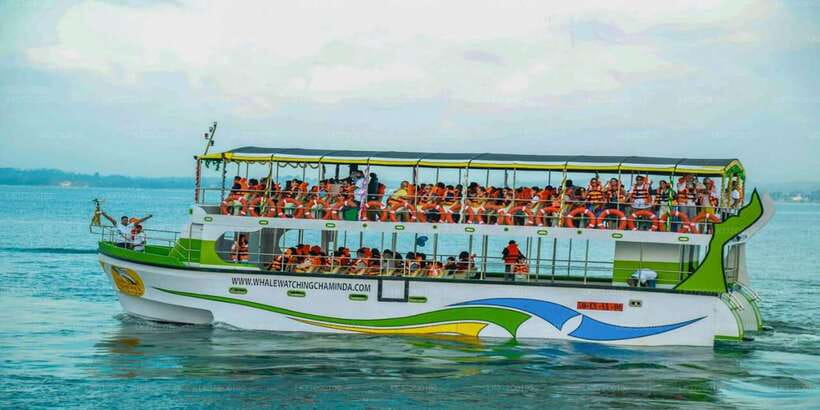
This tour is described as not suitable for:
- Pregnant women
- Wheelchair users
It’s also not a good fit if you’re bringing things the boat can’t accommodate well, since pets and luggage or large bags are not allowed. Stick to what fits comfortably and safely.
Who it’s great for:
- People who like structured wildlife time with a guide, not random searching.
- Travelers who want to understand whale behavior instead of only snapping photos.
- Anyone who can handle a morning start and a few hours on the water.
If you’re traveling with limited mobility or need specific accommodation, the “not suitable” note matters. Don’t assume you can make it work—check alternatives with accessibility in mind.
Small details that can change your experience fast
These tours often hinge on comfort and communication more than you’d expect.
1) Bring the sun gear. You’re told to bring sunglasses, a sun hat, and sunscreen. That’s because you’ll be exposed on a morning sea run, and glare off the water can make spotting harder too.
2) Wear comfy shoes. Even short steps on a harbor deck can be awkward with wet surfaces. If your footwear is uncomfortable, you’ll spend the tour wanting to sit down instead of watching whales.
3) Plan your food. Breakfast is included, but there’s no lunch or dinner. If you wait until you’re back on shore to eat, you’ll be hungry and distracted during the return ride.
4) Pack light and listen early. No large bags. And if you’re in a spot where you can’t hear clearly, focus on the guide’s instructions right when they start explaining what to look for.
Should you book this Mirissa whale watching tour?
I’d book it if you want a guide-led whale watch with responsible viewing distances and you’re excited to learn how to identify whales and read surfacing behavior. The included breakfast and water are a nice help, and the plan is built to give you a real chance—2 hours reaching the area, then about 1 hour at the site.
I’d hesitate if whale sightings must be guaranteed for you, because this is an ocean. Weather and whale movement decide a lot. Also, if you strongly prefer quieter boats or perfect audio, keep in mind that narration can be harder to hear when boats get crowded.
If you’re an early riser who loves wildlife and can roll with nature’s timing, this one can be a memorable morning in Mirissa.