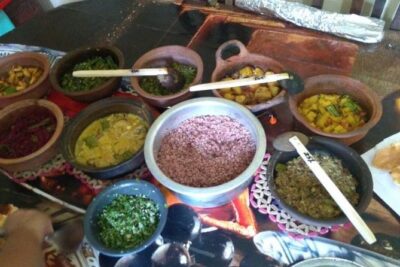
Spices run the show in Kotapola. This Sri Lanka cooking class is interesting because you learn how the country builds flavor around rice, coconut, and spices, while you cook in a real home-kitchen setting. I especially like the hands-on structure, and I like that the teacher connects each dish to Sri Lanka’s food history. One watch-out: if you hate heat, you’ll need to say so very clearly.
You also get a personal side of the experience beyond food. You cook, then savor what you made with your hosts, and you’ll hear how they live day to day in Sri Lanka. Still, there’s one drawback to consider: the class includes cooking with both vegetables and meat, and the spice level can be intense unless you communicate your limits early and firmly.
In This Review
- Key things to know before you go
- Why Kotapola’s Cooking Class Feels More Personal Than a Demo
- What You’ll Cook: Fast Pace, Real Dishes, and Hands-On Training
- Sri Lankan Spices, Rice, and Coconut: The Flavor Logic You Can Reuse
- The Home-Meal Moment: Dining With Your Hosts and Learning Their Daily Life
- Spice Level Reality Check: Clear Requests Matter
- What to Wear and How the Safety Notes Affect Your Comfort
- Getting There: Tuk Tuk Pickup and a Smooth Start
- Price and Value: Is $50 Worth a Sri Lanka Cooking Class?
- Who Should Book This Cooking Class, and Who Should Think Twice
- Final Take: Should You Book in Kotapola?
- FAQ
- How long is the Sri Lanka cooking class?
- Where does the activity take place?
- What’s the price per person?
- Do I get hotel pickup and drop-off?
- Is the guide available in English?
- Are bottled water and entrance fees included?
- Are meals included?
- What should I wear?
- Is the class suitable for wheelchair users?
- Can I request less spicy food?
- What’s the cancellation policy?
Key things to know before you go
- Kotapola home-kitchen vibe with a real host connection, not just a demonstration
- Spice-focused lessons that explain why Sri Lankan flavors work the way they do
- 7 to 8 dishes possible in one session, so the pace stays active
- Menu adjusted to diets and preferences if you share them ahead of time
- Tuk tuk pickup from your hotel or villa around the area, timed before the class starts
- Heat sensitivity matters: ask for mild options and repeat your preference clearly
Why Kotapola’s Cooking Class Feels More Personal Than a Demo
This isn’t a cookie-cutter cooking show where you watch and leave. The point here is learning the logic of Sri Lankan cooking by doing it yourself. Kotapola gives you that “you’re in someone’s world” feeling, and the hosts bring a warm, everyday rhythm to the experience.
Sri Lankan cuisine tends to be built on a few core pillars: many varieties of rice, coconut in multiple forms, and the big role of seafood (fresh fish and also preserved fish). Then there’s the spice factor. You’re not just told that spices are important, you learn how they’re used and why they show up in so many combinations.
Food here also reflects history. Sri Lanka was a hub in the historic oceanic silk road. Trade brought new ingredients and ideas, which blended with local ethnic traditions. That matters because it explains why Sri Lankan cooking feels both familiar and distinctive at the same time.
If you like food that has a clear “system” behind it—ingredients, timing, and flavor balance—this class is a good fit.
You can also read our reviews of more tours and experiences in Mirissa.


What You’ll Cook: Fast Pace, Real Dishes, and Hands-On Training
The structure is hands-on from the start. You’ll work through multiple traditional dishes and end up eating the results with your hosts. The class is listed as 3 hours, and some sessions can move very quickly, covering around 7 to 8 dishes depending on pace and the day’s flow.
You’ll likely cook a mix of vegetables and meat. That’s great if you want to understand the range of Sri Lankan flavors, but it also means you should plan around your comfort level with meat preparation and spice handling.
One of the smartest parts is that the teacher can adjust to you. In particular, the host Rnishani is noted for clear instructions and for asking about diet and preferences before you start. That’s exactly what you want from a cooking class: the lesson should match your body, your taste, and your boundaries.
Practical advice: come with an open mind, but also come prepared to speak up. If you want “less spicy,” define what that means for you in plain terms (more on this below).
Sri Lankan Spices, Rice, and Coconut: The Flavor Logic You Can Reuse
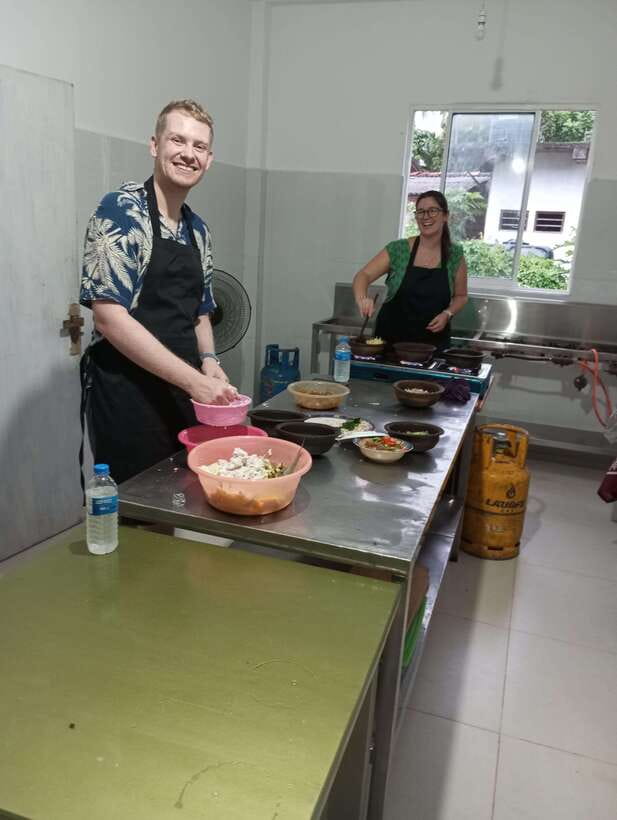
If you only care about the final meal, you might miss the real value. The bigger win is understanding how Sri Lankan flavor gets built.
Spices aren’t used as random seasoning here. You learn how Sri Lankan cuisine relies on specific herbs and spices in combinations, not just one dominant heat element. You also learn why coconut is so everywhere—its role goes beyond taste and shows up as a balancing tool that helps certain flavors feel rounder instead of harsh.
Rice is another key. Sri Lanka uses rice so commonly that it shapes the entire meal structure. The class helps you see rice not as a side dish, but as a central part of the dining rhythm.
And then there’s the seafood influence. Even if you don’t personally cook seafood during your session, you’re taught about how fish (fresh and preserved) fits into the larger culinary picture. That historical and ingredient context makes it easier to order confidently in Sri Lanka afterward, because you’ll recognize the building blocks.
Trade history adds one more layer. When you understand that ingredients and techniques arrived through oceanic trade and then blended with local traditions, you stop thinking of dishes as isolated recipes. You start seeing them as living adaptations.
The Home-Meal Moment: Dining With Your Hosts and Learning Their Daily Life
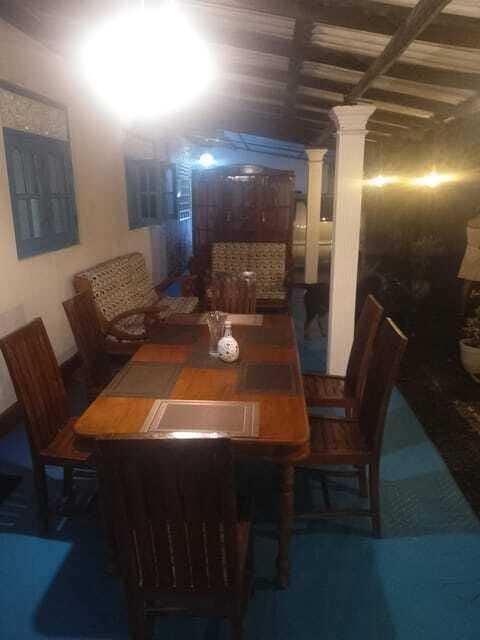
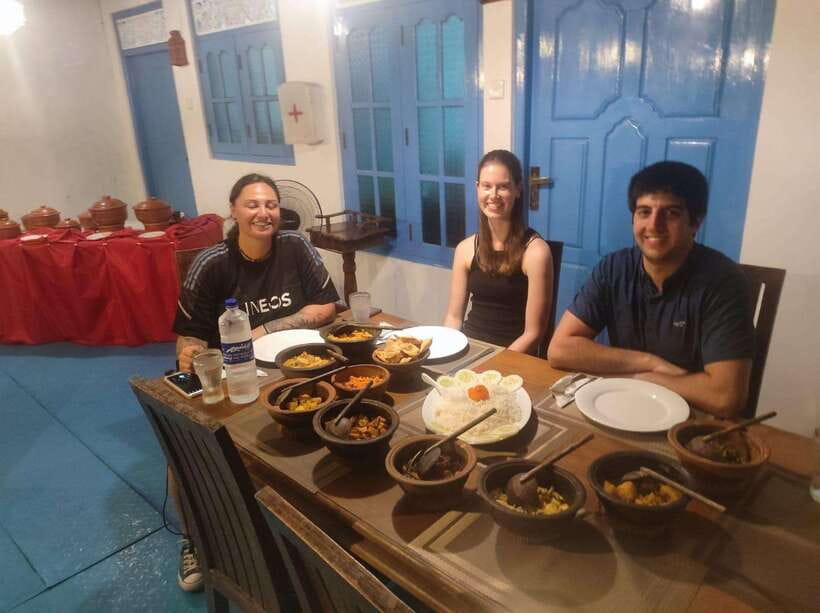
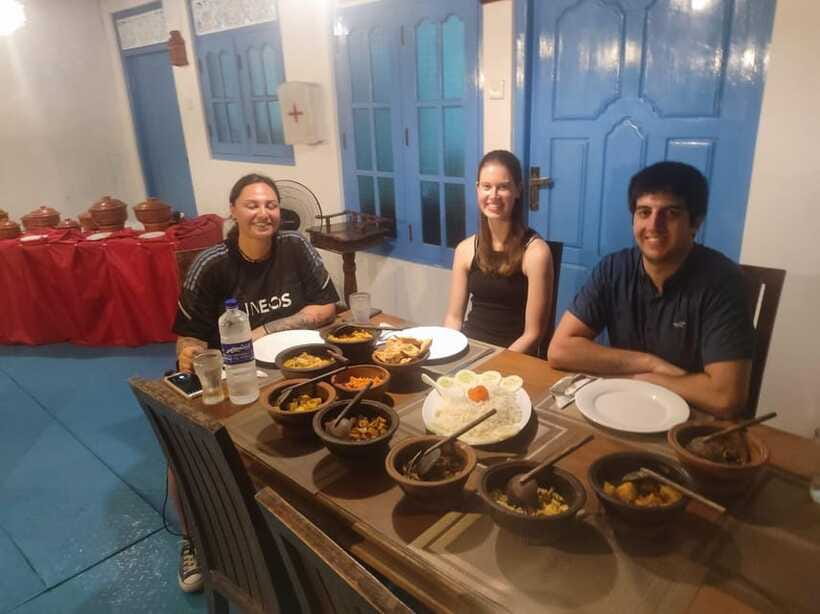
This is one of the most human parts of the experience. You’re not only cooking; you’re also eating what you made with your hosts. That matters because cooking classes often end right when the food goes onto a plate. Here, the conversation keeps going.
The hosts share their culinary knowledge and you get to know them as people, including a sense of their daily lives in Sri Lanka. That’s not just friendly background chat. It’s how you get context for why meals look and taste the way they do at home.
When you sit down and taste your own work, you also learn faster. You can connect the dots between what you did at the stove and what it becomes on the table. And you learn what you might want to tweak next time—more spice, less chili, more coconut, or longer cooking depending on texture.
If you value cultural connection alongside food, you’ll appreciate this part as much as the recipes.
Spice Level Reality Check: Clear Requests Matter
Sri Lankan food can be spicy. That’s part of the identity. But what’s important for you as a participant is how the class handles your preferences.
There’s a known issue to consider: even when someone requested less spicy, the food was still extremely hot for at least one participant, to the point that they struggled with eating it. That’s a real practical concern.
So here’s how to protect yourself:
- Tell the teacher your heat limits before cooking starts, using simple terms.
- Explain what you can handle (for example, mild versus medium versus very spicy).
- If possible, ask for a separate mild portion or for specific dishes to be adjusted.
The best-case scenario is that your host asks about your diet and preferences and tailors the kitchen accordingly. But even with good intentions, “less spicy” can mean different things. Make your preference concrete so there’s less room for mismatch.





What to Wear and How the Safety Notes Affect Your Comfort
You’ll be standing, chopping, mixing, and cooking, so your clothing needs to work for movement and kitchen mess. The class suggests wearing simple clothing that helps you do the cooking comfortably.
There’s also a safety note you should take seriously: don’t show up drinking. It’s framed as a safety measure for the cooking experience and for the people hosting you.
Bottled water is included, which is helpful because spice and heat can sneak up on you. Meals and beverages are listed as not included, but you should still expect to taste what you cook as part of the dining moment with your hosts. If you want extra drinks beyond water, you may need to plan for that separately.
And one more practical thing: bring a mindset that cooking is hands-on. You’ll learn more if you let yourself get a bit involved rather than trying to be an observer.
Getting There: Tuk Tuk Pickup and a Smooth Start
Logistics here are built around convenience. You get hotel pickup and drop-off, and pickup is by tuk tuk. The timing note is specific: you’ll be picked up from your hotel or villa around the area, and the tuk tuk pickup happens about 30 minutes before.
That’s genuinely useful. It reduces the stress of figuring out local transport and keeps you focused on the class itself. Your guide is an English-speaking professional, and the session is designed to be understandable even if you’re new to Sri Lankan cooking.
The class also includes entrance fees to sites that require them. You’re not left hunting for small costs while on the go.
Because the duration is 3 hours, you should plan your day with some buffer before and after. Cooking takes concentration, and you’ll likely want time to cool down and unwind after eating.
Price and Value: Is $50 Worth a Sri Lanka Cooking Class?
At $50 per person for a 3-hour, guide-led, hands-on cooking class with pickup, bottled water, and coverage of entrance fees, the value is strongest if you care about more than just eating.
Here’s what you’re effectively paying for:
- Local host instruction and a cooking-focused experience (not a passive tour)
- Multiple dishes cooked by you, not just watched
- Transportation convenience via hotel pickup/drop-off by tuk tuk
- English guidance so you can follow technique and flavor logic
- Food time at the end with your hosts
What’s not included: meals and beverages in the broader sense, plus personal expenses. That’s why I think the experience is best for people who are happy to treat the class meal as part of the package while still planning for any extra drinks separately.
If you usually find “workshops” overpriced and short on real teaching, this one has the right ingredients: you cook, you learn the spice logic, and you eat with the people who made the kitchen work.
Who Should Book This Cooking Class, and Who Should Think Twice
This works especially well for:
- Food lovers who want practical skill, not just a meal
- Travelers who enjoy learning how spices, rice, and coconut shape a national cuisine
- People open to cooking with both vegetables and meat
- Anyone who values meeting hosts and hearing about daily life
Think twice if:
- You have mobility impairments or require wheelchair use. The information includes a note saying it’s not suitable for mobility impairments and wheelchair users, even though another part labels it wheelchair accessible. That contradiction means you should confirm details directly before booking.
- You’re extremely sensitive to chili and you don’t feel comfortable speaking up. Since spice tolerance can vary, you’ll want to clarify your request early.
Final Take: Should You Book in Kotapola?
If you want a cooking class that teaches you how Sri Lankan flavors work, not just how to follow steps, I’d book this. The spice-centered instruction, the chance to cook multiple dishes, and the home-meal moment with hosts make it feel worth your time and money.
The only reason to hesitate is spice comfort and accessibility clarity. If you can communicate your heat limits and you can confirm whether the activity’s setup truly works for your needs, this is a solid choice.
FAQ
How long is the Sri Lanka cooking class?
The class runs for 3 hours. Starting times depend on availability.
Where does the activity take place?
It’s located in Kotapola, Sri Lanka.
What’s the price per person?
The price is $50 per person.
Do I get hotel pickup and drop-off?
Yes. Pickup and drop-off are included, and pickup is by tuk tuk.
Is the guide available in English?
Yes. The live tour guide speaks English.
Are bottled water and entrance fees included?
Bottled water and entrance fees are included.
Are meals included?
Meals and beverages are listed as not included. However, you’ll dine with your hosts and savor the flavors of what you cook.
What should I wear?
Wear simple clothing that helps you work comfortably while cooking.
Is the class suitable for wheelchair users?
The information says the activity is not suitable for wheelchair users and people with mobility impairments. It also mentions wheelchair accessibility elsewhere, so you should confirm suitability directly.
Can I request less spicy food?
Yes, diet and preferences can be discussed with the host before cooking. Still, you should be very clear about your spice limits.
What’s the cancellation policy?
Free cancellation is available up to 24 hours in advance for a full refund.