Spice, shopping, and cooking in one 3-hour block. I love the included hotel pickup/drop-off and the fact that you get a private chef/guide. One thing to plan for: fish or meat is typically an extra cost, since you buy it yourself if you choose it.
The setup is built around real Sri Lankan food habits—spices, ingredient choices, and the everyday techniques that make the dishes taste right. You’ll also end with lunch that you prepared, not a sad afterthought. The main trade-off is that you’ll need to be comfortable getting your hands dirty in a real kitchen, not just watching from the sidelines.
In This Review
- Key Things You’ll Remember
- Bentota Pickup to Kitchen: Why This Starts So Smoothly
- The Market Stop: Picking Spices and Choosing Your Protein
- In the Kitchen with a Private Chef/Guide: Learn Techniques, Not Just Recipes
- Cooking Your Meal: What Hands-On Enjoyment Really Means
- Lunch Built Into the Lesson: Eating Is Part of the Learning
- Price and Value: Is $89 for 3 Hours Worth It?
- Where It Happens: Bentota Kitchen, or Your Villa
- Who Should Book This Cooking Lesson (and Who Might Hesitate)
- Small Planning Notes That Make the Day Better
- Should You Book This Sri Lankan Cooking Class in Bentota?
- FAQ
- How long is the Bentota Sri Lankan cooking lesson?
- Is hotel pickup and drop-off included?
- Can this cooking class be arranged outside Bentota, like at a rented villa?
- Is this a private tour/activity?
- Is there a vegetarian option?
- Do I pay extra for fish or meat?
- What is the cancellation policy?
Key Things You’ll Remember
- Hotel pickup and drop-off so the day stays easy.
- Private chef/guide just for your party, not a mixed group scramble.
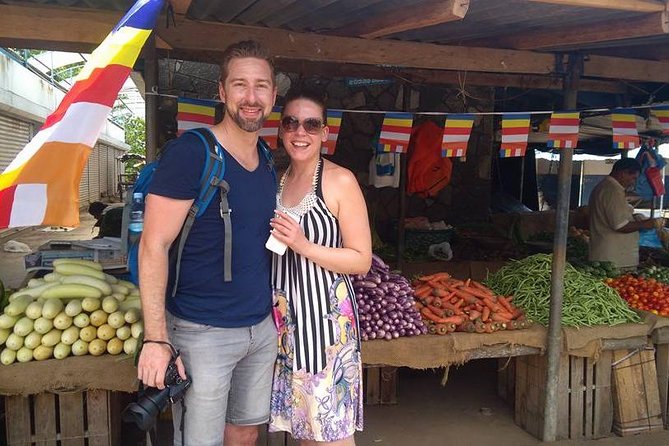
- Market ingredient shopping with your guide before you cook.
- Hands-on cooking focused on Sri Lankan spices and practical techniques.
- Lunch included, plus bottled water to go with your meal.
Bentota Pickup to Kitchen: Why This Starts So Smoothly
This class is designed to be low-stress from minute one. You’re met for pickup, taken to where the cooking lesson happens, then returned after lunch. That matters in Bentota, where timing can get messy if you’re trying to coordinate rides while you’re also figuring out groceries and kitchen schedules.
What I like most is that it’s not “show up, watch, leave.” The day is built to flow from shopping for ingredients to cooking to eating what you made. You get the full arc: choose food with guidance, learn how it’s handled, then sit down and enjoy it at a normal human pace.
Also, this is smart casual. So you don’t need to turn your morning into a fashion event, but you should still wear something you can move in and don’t mind getting a little spice on.
You can also read our reviews of more tours and experiences in Bentota.



The Market Stop: Picking Spices and Choosing Your Protein
A big part of Sri Lankan cooking is knowing what to buy and how to think about flavor. That’s why the market visit is part of the experience instead of optional. With your guide, you’ll select local vegetables, spices, and—if you want it—fish or meat.
Here’s the practical bit: fish or meat is mentioned as your own expense. That doesn’t mean the class is expensive. It just means your final cost can swing depending on whether you choose seafood/meat or stick to vegetables. If you’re watching your budget, go vegetarian or choose a lighter ingredient plan.
Even if you’re not a “spice person” yet, this market step is where the lesson starts making sense. Sri Lankan cuisine leans hard on spices and the way they’re used, not just what’s in the pantry. Your guide can point out which ingredients matter for the dishes you’ll cook, and why certain flavor combinations work.
One more bonus: shopping with a guide tends to save you time and confusion. You’re not trying to translate spice names on a hot street while everyone else knows exactly where to go.
In the Kitchen with a Private Chef/Guide: Learn Techniques, Not Just Recipes
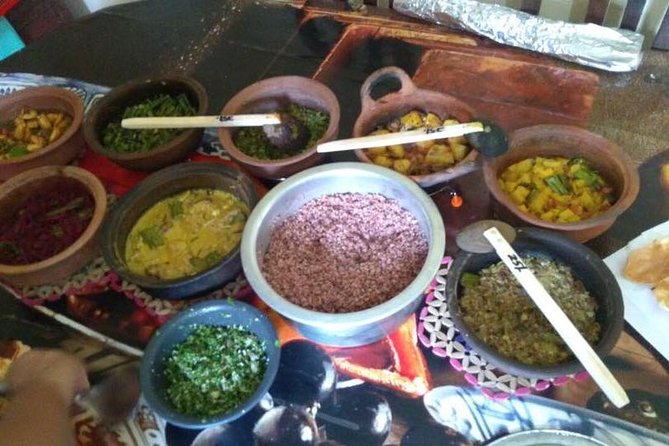
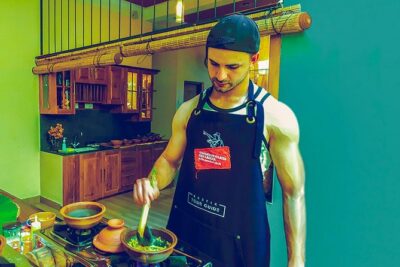
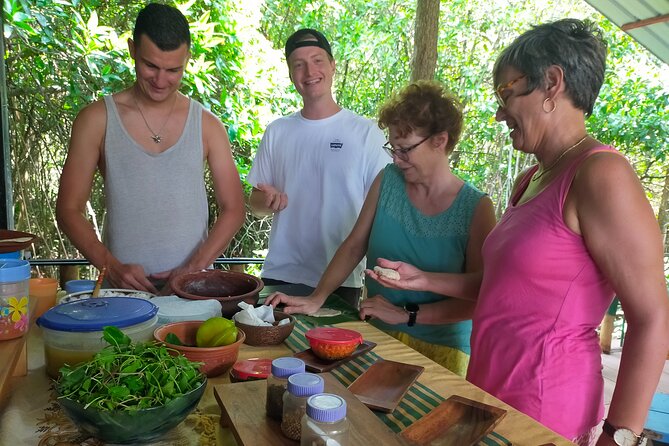
Once you’re in the kitchen, the core of the experience is a hands-on demonstration with a private chef/guide dedicated to your party. That word—private—matters. You’re not stuck with a generic class pace meant for a group of strangers. You can ask questions, slow down when something is new, and get corrected early when your technique isn’t quite there.
The lesson covers:
- the spices used in Sri Lankan food
- general preparation techniques that affect how dishes turn out
That focus is what helps you recreate meals later. Anyone can copy an ingredient list. Fewer people learn what to do with those ingredients—how they’re layered, cooked, timed, and balanced so the dish tastes like Sri Lankan food instead of “something similar.”
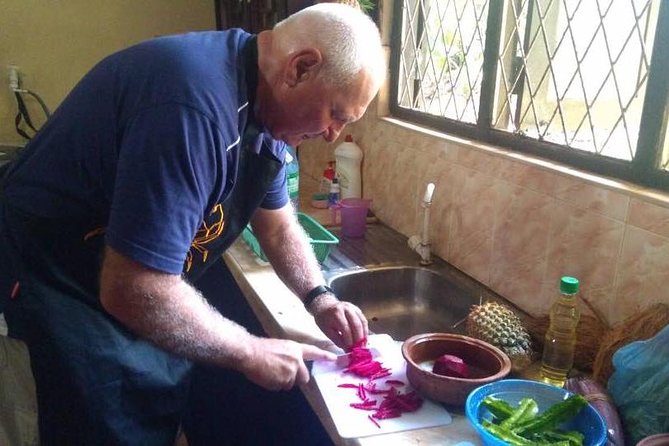
Also, the program is designed so you cook with the chef/guide, not just stand there. That’s the difference between a cooking class that feels like a souvenir and one that gives you repeatable skills. By the end, you should come away with a good appreciation of the basics and the ability to prepare a few dishes to a strong standard.
One small reality check: kitchens take space and attention. Expect a working environment—heat, sharp tools, busy hands. Smart casual clothing helps, but you’ll still want to keep your focus. If you’re booking this with kids, or if anyone in your group gets easily overwhelmed by smells and spices, I’d consider how comfortable your group is with a hands-on kitchen.
Cooking Your Meal: What Hands-On Enjoyment Really Means
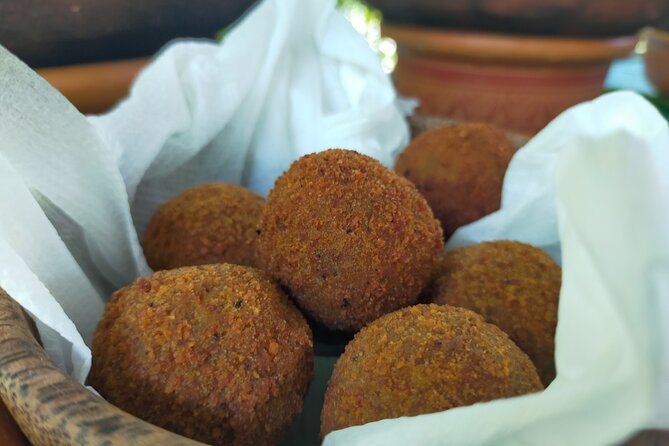
After learning spice and prep basics, you’ll cook a delicious meal together. The exact dishes aren’t listed here, but the goal is clear: you’ll use what you learned to make food that you can then eat right away.
Because this is a private class, the pace is more adaptable. If you’re quick, you keep moving. If you’re careful, you get the time you need to do things right. That’s especially important with spice use. Too much or too early can turn the flavor harsh. Too little or too late can make the dish taste flat. A dedicated guide helps you land that balance.
Then comes the best part: you sit down and enjoy the meal you prepared, at leisure afterward. This isn’t a “grab a plate and run” situation. You’ll eat while the flavors and techniques are still fresh in your mind, which helps the lesson stick.
And yes, there’s bottled water with your meal. It’s a small inclusion, but it keeps you from having to hunt for hydration right when you’ve got spice on your fingers and food in front of you.
Lunch Built Into the Lesson: Eating Is Part of the Learning
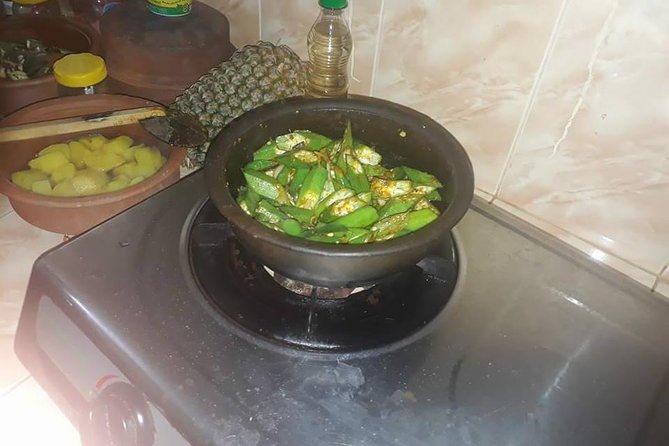
Lunch is included as part of the experience, and it’s explicitly the meal you prepare together. That’s great value. A lot of cooking classes feed you something, but here the meal is tied directly to the lesson, so you’re not rewarded with food that isn’t connected to what you practiced.
It also means you can adjust expectations. You don’t need to plan a full second meal later unless you want to. If you’re doing this as part of a wider Bentota itinerary, it can act as both your class and your lunch plan.
One thing to note: alcoholic drinks aren’t included, and you can purchase them separately. If you’re the type who likes to pair food with a drink, just know you’ll be making that decision on-site rather than assuming it’s included.






Price and Value: Is $89 for 3 Hours Worth It?
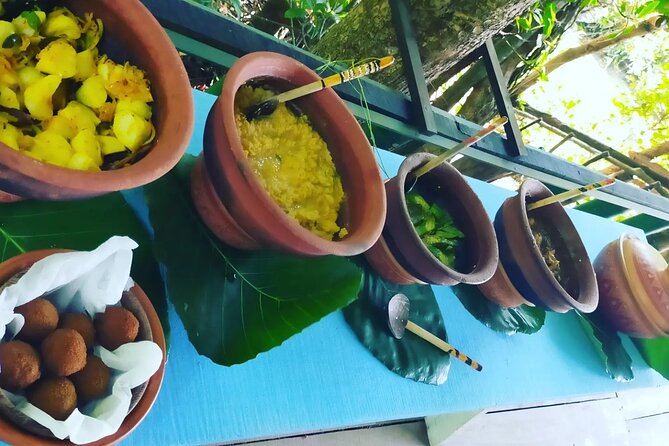
At $89.00 per person for about 3 hours, you’re paying for a few concrete things that add up fast:
- a private chef/guide
- guided market shopping for ingredients
- a hands-on cooking lesson
- lunch (the meal you prepared)
- hotel pickup and drop-off
- bottled water
- taxes and fees
When you break it down, the private guide and pickup/drop-off are the biggest value drivers. A market visit plus in-kitchen instruction can be costly if you’re doing it separately—especially without language help or someone who knows which spices and techniques matter for the dishes you’re learning.
The main potential “extra” costs are fish or meat (own expense) and alcoholic drinks (available to purchase). If you choose a vegetarian approach, your spending is likely closer to the listed price. If you want seafood or meat, budget for that add-on.
In plain terms: if you want a skill-building class with real food at the end, this feels like a fair price. If you want just a quick cooking show with minimal interaction, it may feel like too much.
Where It Happens: Bentota Kitchen, or Your Villa
This class is in Bentota. If you’re renting a villa, it’s possible to arrange the course there. That’s a nice option if you want a more relaxed, private setup where you’re not traveling far between activities.
Still, even with a villa arrangement possibility, the essentials stay the same: you’ll shop for ingredients with your guide, then do the cooking and enjoy lunch. The experience is about instruction and eating what you made—wherever the kitchen base is.
If you hate logistics on vacation, the pickup/drop-off option and the villa possibility both point in the right direction. You can keep your schedule simple and still get something hands-on and local.
Who Should Book This Cooking Lesson (and Who Might Hesitate)
I think this is a strong match for you if:
- you like cooking and want repeatable skills, not just a nice meal
- you want personalized attention with a private chef/guide
- you’re curious about Sri Lankan spices and how they shape everyday dishes
- you’d enjoy a market walk where ingredient choice is part of the lesson
You might hesitate if:
- you’re looking for a passive, sightseeing-style activity (this is hands-on cooking)
- you’re very tight on time and only want a quick 60-minute stop
- you don’t want any chance of extra costs for fish or meat
It also works well as a thoughtful experience gift. One past guest described a birthday cooking experience set around a chef/guide named Dammika, and called the day absolutely brilliant. That kind of warmth and fun is exactly what this format is built for—private, personal, and focused on good food.
Small Planning Notes That Make the Day Better
A few practical tips based on how this experience is set up:
- Wear smart casual clothing you can work in.
- If you want vegetarian dishes, request it when booking. The vegetarian option is available, but you need to advise ahead of time.
- If you’re planning to cook with fish or meat, remember it’s an own expense purchase for that choice.
- Plan for alcohol decisions on-site; alcoholic drinks aren’t included.
- Bring your appetite. Lunch is part of the lesson, and it’s meant to be enjoyed afterward.
Also, since this is a private tour for your group, you can shape the day around your comfort level. If your group has cooking experience, you can ask for technique-focused guidance. If you’re total beginners, the guide can slow things down and focus on basics like spice handling and prep sequences.
Should You Book This Sri Lankan Cooking Class in Bentota?
If you want one vacation activity that feels practical and memorable, book it. The value is in the private attention, the market step that teaches you what to buy and why, and the fact that lunch is the meal you cooked. It’s a rare combo: skill-building plus satisfying food, with pickup/drop-off handling the hardest logistics.
Skip it only if you’re not into hands-on cooking or you want zero surprises in costs. Otherwise, for a fair price and a real Sri Lankan food-focused day, this Bentota cooking lesson is exactly the kind of experience you’ll remember when you’re back home trying to recreate those spice and technique choices.
FAQ
How long is the Bentota Sri Lankan cooking lesson?
It runs for about 3 hours.
Is hotel pickup and drop-off included?
Yes. Hotel pickup and drop-off are included.
Can this cooking class be arranged outside Bentota, like at a rented villa?
The class is conducted in Bentota, and if you’re renting a villa it’s possible to arrange the course there.
Is this a private tour/activity?
Yes. It’s a private tour/activity, and only your group participates.
Is there a vegetarian option?
Yes. A vegetarian option is available, and you should advise at time of booking if required.
Do I pay extra for fish or meat?
Fish or meat is an own expense, while local vegetables and spices are part of what you pick out with your guide.
What is the cancellation policy?
This experience is non-refundable and cannot be changed for any reason. If you cancel or ask for an amendment, the amount you paid will not be refunded.