Wild elephants and cobblestones in one day. This Bentota-to-Udawalawe tour mixes an off-road 4×4 safari with some of Sri Lanka’s most memorable elephant moments, then layers in Galle Fort and a cultural stop that most people skip. I like the chance to get very close to wildlife from the jeep without turning it into a circus, and I like how the day stays structured even though it’s long. The only real catch: it’s a packed schedule with early pickup, lots of driving, and walking on uneven paths.
What I love most is the elephant focus. At the Elephant Transit Camp, you get to watch dozens of baby elephants during milk feeding, which feels emotional in a grounded, not-too-performative way. After that, you’ll stroll through Galle’s UNESCO streets, where Dutch-era architecture still shapes the vibe, and then you’ll end with beach air and mask-making heritage in Ambalangoda.
In This Review
- Key highlights at a glance
- Bentota to Udawalawe: how the timing shapes your day
- Udawalawe National Park safari: off-road jeep spotting that actually works
- What to watch for during the jeep portion
- Elephant Transit Camp and milk feeding: the moment you’ll remember
- Timing note: why this stop fits right after the safari
- Galle Fort UNESCO walk: cobblestones, Dutch walls, and real browsing time
- One drawback to consider in Galle
- Unawatuna beach break: warm water, sea breeze, and a slow ending
- Ambalangoda mask museum: understanding masks beyond the colors
- Price and value: what you’re paying for
- Small group with a real human guide: comfort and flow
- What to bring (so the day feels easy)
- Who this day trip suits best
- Should you book this tour?
- FAQ
- What is the duration of the tour?
- Where does the tour start from?
- How long is the safari in Udawalawe National Park?
- What animals can I expect to see on the safari?
- What happens at the Elephant Transit Camp?
- Is Galle Fort included, and will there be a guide?
- What should I bring for the day?
- Are entrance fees and meals included?
Key highlights at a glance
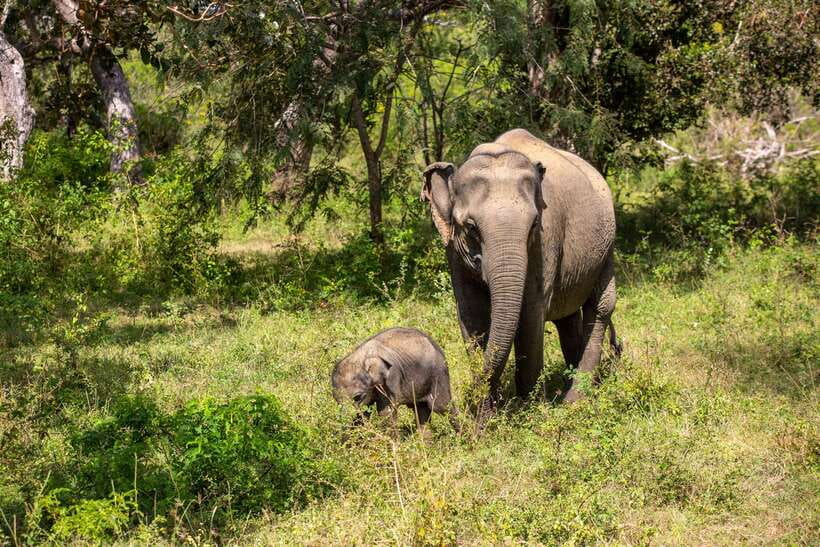
- 3-hour off-road jeep safari in Udawalawe National Park, built for real sightings
- Close elephant milk feeding at the Elephant Transit Camp
- UNESCO Galle Fort guided walk along cobblestone lanes and Dutch-style structures
- Unawatuna beach break for a swim or a slow coastal stroll
- Ambalangoda mask museum visit to understand the role of masks in dance and festivals
Bentota to Udawalawe: how the timing shapes your day
This is a classic Sri Lanka “big day” trip. You’ll start early from Bentota or Kalutara (and transfers are also listed from Colombo and Galle), then spend around 3.5 hours driving to Udawalawe National Park. Plan to treat this as a safari day first, with culture and coastline built around it.
That long transfer isn’t wasted time. When you’re chasing wildlife, location matters, and Udawalawe is one of the better places to see elephants regularly. Still, if you’re the type who likes slow mornings and long lunches, you’ll feel the pace here.
The return drop-off is in the late afternoon, around 5:00 PM to 5:30 PM. You’ll get a full day of variety, but it’s not a tour you take if you hate getting up early.
You can also read our reviews of more tours and experiences in Bentota.
Udawalawe National Park safari: off-road jeep spotting that actually works
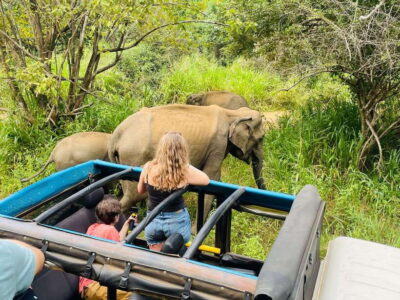
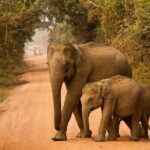
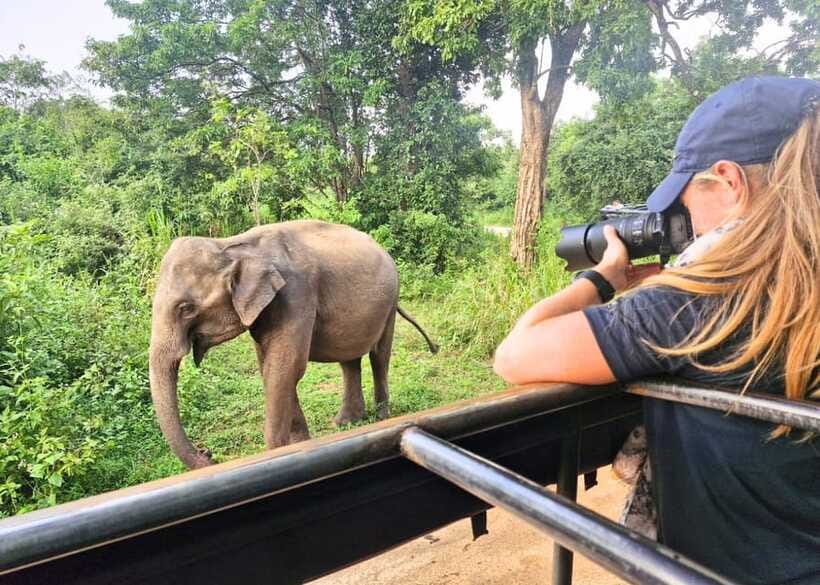
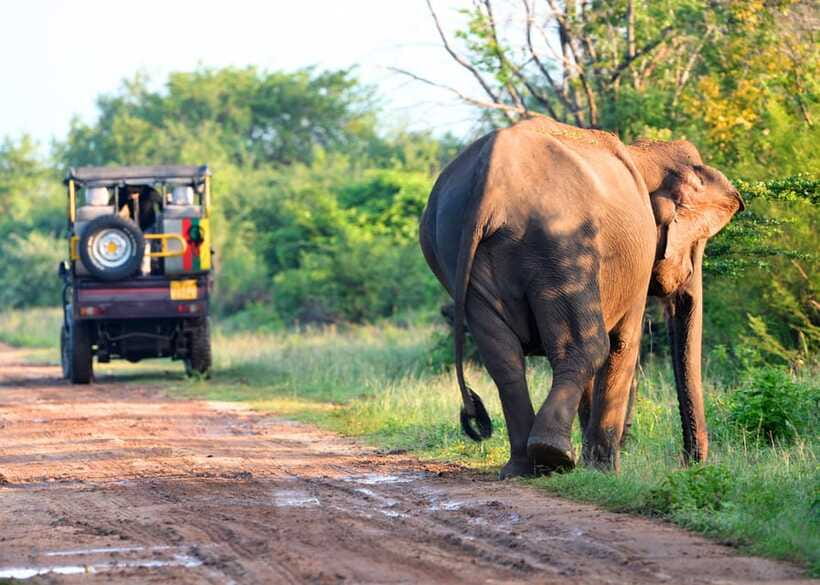
The heart of the experience is a fully guided safari in Udawalawe National Park. You’ll spend about 3 hours in a 4×4 jeep, and the tour specifically leans into off-road driving to maximize your chances. That matters because wildlife doesn’t line up neatly for you, and Udawalawe’s animals often move through open grasslands and river areas.
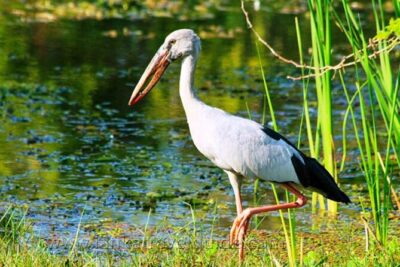
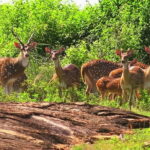
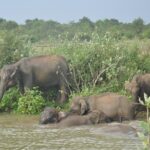
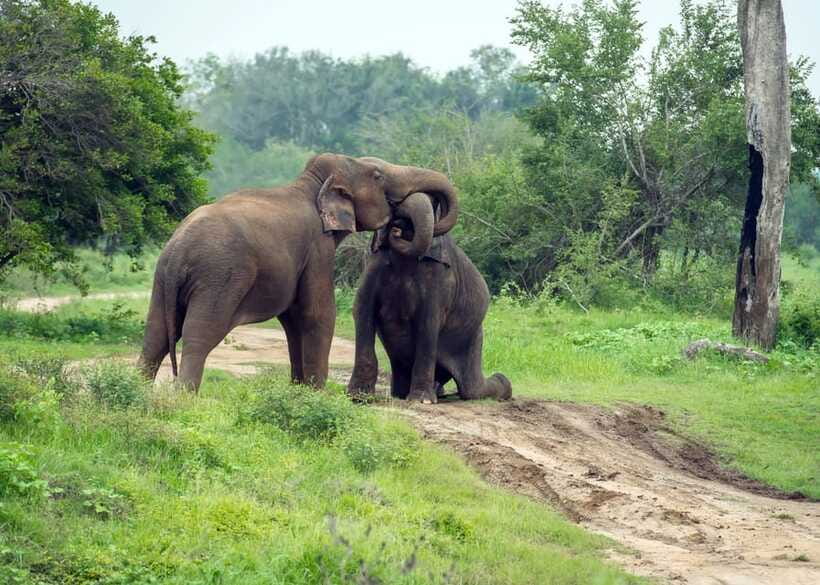
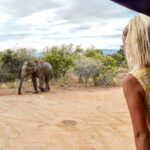
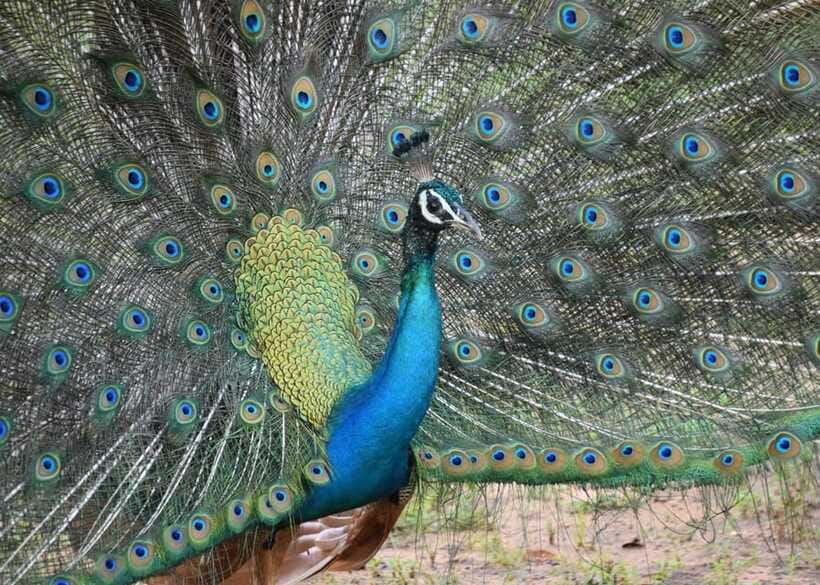
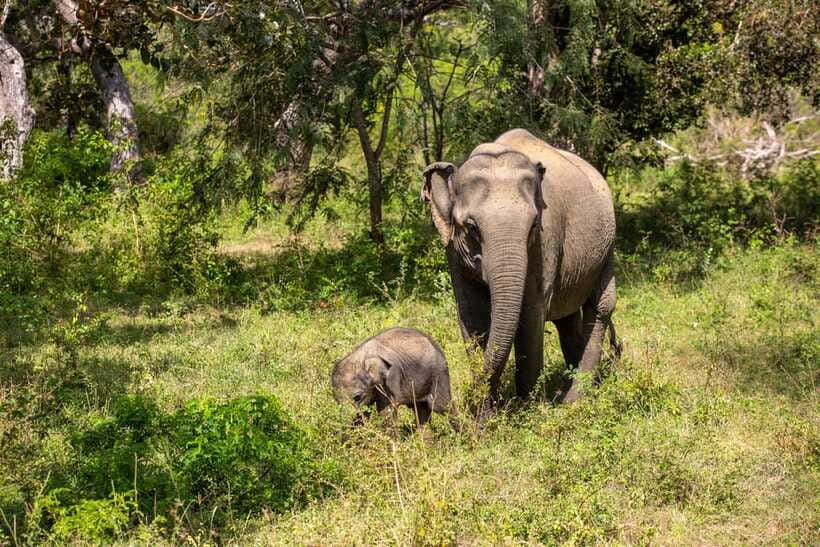
You’ll look for elephants as the headline act, and the tour is very clear that Udawalawe puts you in a better position for close elephant sightings than you’ll get elsewhere. It’s not just elephants, though. The sighting list includes crocodiles, jackals, deer, buffalo, and sloth bears, plus monkeys and other animals you might spot depending on the day.
A practical way to enjoy this part: keep your expectations flexible. You’re riding in a jeep all morning, watching for animal movement patterns, and your best views often come when you stay patient. Also, the tour includes a professional guide, which is a big deal in a park like this, where knowing where to look can mean the difference between seeing distant silhouettes and seeing animals clearly near the jeep.
What to watch for during the jeep portion
The tour’s wording suggests the animals will be close enough for real viewing from the jeep. When you see elephants, you’ll usually be dealing with big, calm bodies moving across the landscape, with frequent pauses that make photography easier. Crocodiles and bears can be trickier since they depend more on light and behavior, so don’t only focus on one species.
Bring sunglasses and a sun hat. Even with clouds, the brightness in open areas can hit hard during a safari drive.
Elephant Transit Camp and milk feeding: the moment you’ll remember
After the safari, you head to the Elephant Transit Camp. This is where the day shifts emotionally and visually, because the focus becomes young elephants gathered for feeding. The experience highlights dozens of baby elephants during milk feeding, which is rare to witness so directly.
What makes this stop valuable is contrast. On the safari side, you’re watching wild animals in their environment. At the camp, you’re seeing how elephants are managed during a vulnerable stage, and you get that up-close view of behavior, feeding rhythm, and the gentle urgency of the caretaking process.
You’ll also likely feel the moment more than you expect. Baby elephants are curious and busy, and milk feeding naturally creates lots of activity around the feeding area. Just remember this is still structured care, so follow your guide’s instructions and keep a respectful distance as you watch.
Timing note: why this stop fits right after the safari
Coming straight from the jeep into the camp works well. Your brain has been scanning for movement in the park, and then you get a concentrated burst of movement at the camp. It’s an easy transition from “where are the animals?” to “watch the feeding and behavior up close.”
Galle Fort UNESCO walk: cobblestones, Dutch walls, and real browsing time
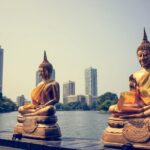
Next comes Galle Fort, a Dutch fortified area with UNESCO World Heritage status. You get a guided Galle Fort tour, and the emphasis is on walking the cobblestone lanes and noticing the medieval-period, Dutch-styled structures.
The tour format matters here. A guided walk helps you see more than just postcard angles, because the fort’s layout is part of the story. You’ll move through lanes where buildings are now used for everyday things like restaurants, galleries, museums, hotels, and shops, so it doesn’t feel like a dead monument.
I like that this stop isn’t only about history facts. It also gives you breathing room to browse. You’ll have time to look at local stores and find Sri Lankan handmade products and souvenirs, which is where Galle Fort shines. It’s one of the easier places to buy small, meaningful items without needing to hunt through multiple markets.
One drawback to consider in Galle
Galle Fort’s streets are charming, but they’re still cobblestoned and uneven in places. If you have foot discomfort, you’ll feel it more here than on modern promenades. Comfortable shoes are non-negotiable.
Unawatuna beach break: warm water, sea breeze, and a slow ending
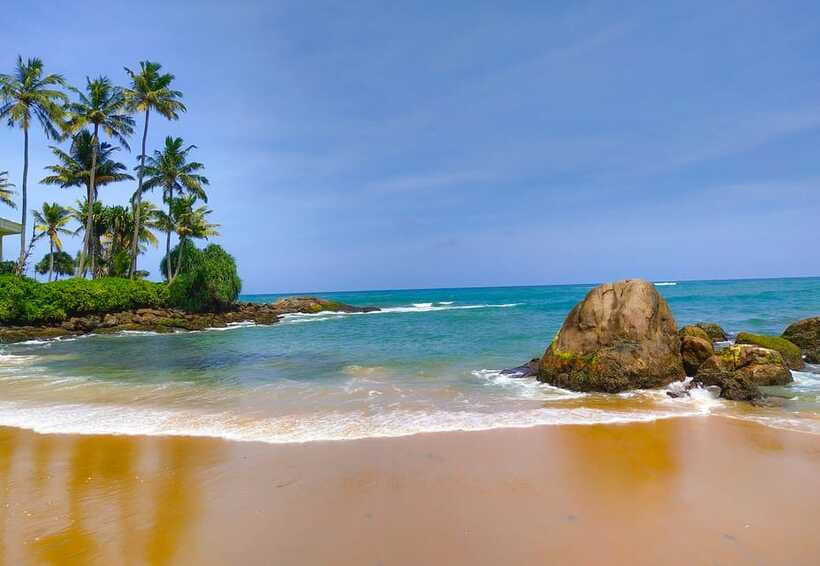
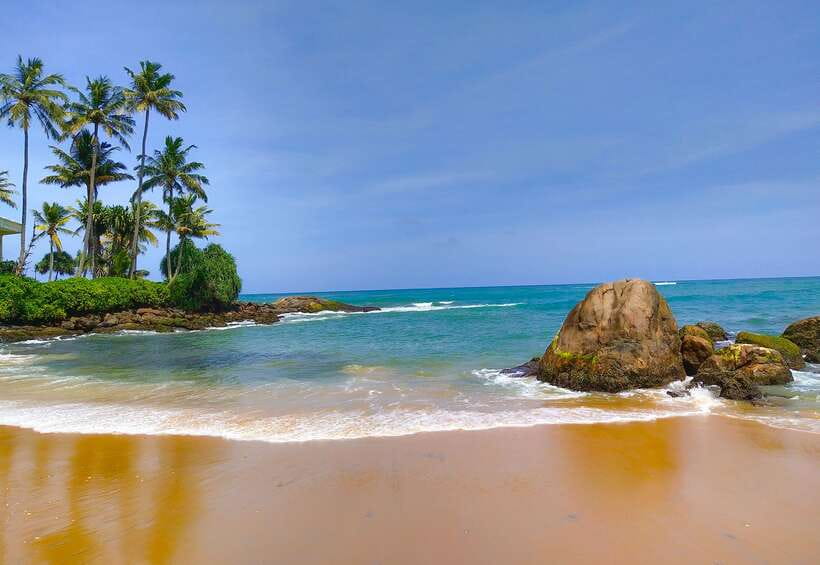
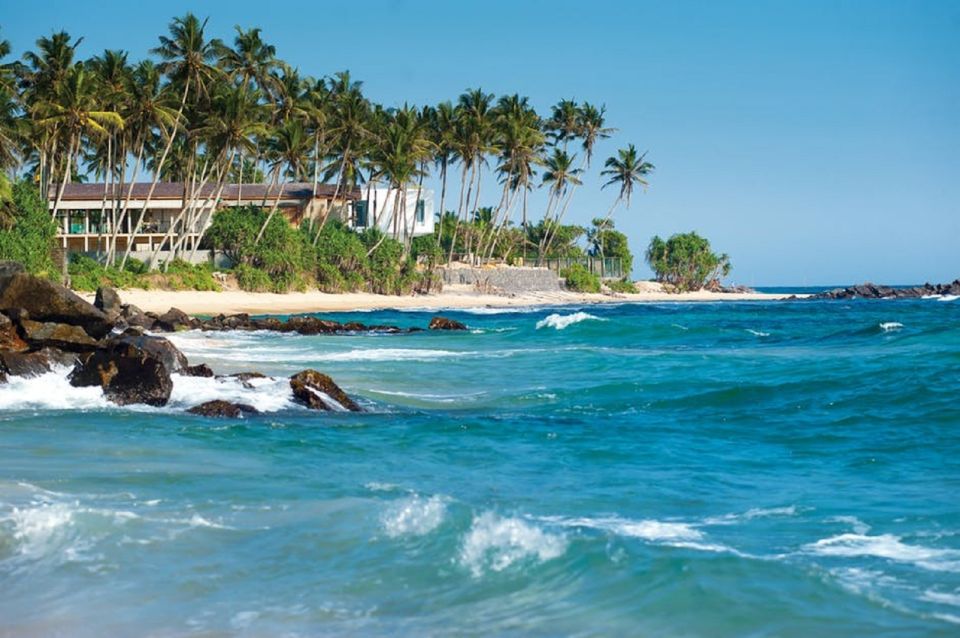
After the fort, the itinerary shifts toward the coast with a stop at Unawatuna Beach. The idea is simple: get some sea breeze, relax, and reset after wildlife watching and walking.
The tour encourages you to enjoy warm water for a swim or simply lounge and watch the shoreline. It also mentions a chance to glimpse endangered sea turtles, though sightings aren’t guaranteed in a single quick beach visit. Still, the key point is that this is your chance to slow down before the cultural museum stop and then the drive home.
Bring your swimwear and towel if you want to use this time fully. If you don’t plan to swim, you can still benefit from the coastal break just for the fresh air and change of pace.
Ambalangoda mask museum: understanding masks beyond the colors
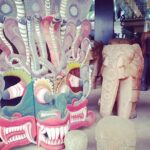
The last major cultural stop is in Ambalangoda, a coastal town known for mask-making. You’ll visit a mask museum and learn about the meaning of Sri Lankan masks, including how they connect to traditional dance rituals and festivals.
This is a smart addition to the day because it’s not just a shop stop. It gives you cultural context for why masks look the way they do and what role they play in ceremonies. Even if you’re not a museum person, I find mask-making museums click well when they explain symbolism and performance connections, because you can then recognize the patterns later if you see them around Sri Lanka.
You’ll also pass by local fishing villages, harbors, and fish markets on the way, which adds texture to the coastline drive. It’s not a long stop at each location, but it helps the day feel less like a checklist and more like a moving portrait of the region.
Price and value: what you’re paying for
The price listed is $125 per person for a 1-day outing that includes multiple major components: a jeep safari, a guided UNESCO walk, and cultural and coastal stops, plus transportation.
Here’s the value angle I see:
- You’re paying for a full day structure with a guide, not just transport.
- Udawalawe safari time is the expensive part operationally, and you get about 3 hours in the park.
- The small group size (limited to 10 participants) is a practical value. It generally keeps the experience smoother on narrow lanes in Galle Fort and during the cultural stops.
- Round-trip transfers are included from Bentota/Kalutara (and also listed for Colombo and Galle), so you’re not piecing together rides on your own.
What’s not included is also clear: entrance fees, food and drinks, and personal expenses. Since entrance fees can be a wildcard depending on what’s charged at each stop, I recommend budgeting extra for tickets and at least one meal or snack break. The tour does suggest bringing snacks, which is helpful during long driving and safari time.
Also note: the experience includes accident insurance and mentions help with skipping the ticket line. That doesn’t eliminate the need for your patience, but it reduces small friction points during busy stops.
Small group with a real human guide: comfort and flow
This tour runs as a small group (up to 10). That’s more than a marketing detail. With safari viewing, a smaller group can mean less crowding around the best viewpoints and easier movement for your guide. With Galle Fort’s lanes, it also helps keep you from being swallowed by a large crowd.
Languages listed are English and German, and the tour includes a professional guide. One nice bonus: the overall experience is described as interesting, and the driver is noted as particularly friendly. That kind of calm, supportive attitude matters on a long day, where a good guide helps you stay focused instead of feeling rushed.
One more practical note: oversize luggage isn’t allowed. If you have a big bag, plan for a day-trip sized setup and pack light enough for a vehicle transfer.
What to bring (so the day feels easy)
You’ll be outdoors, walking, and spending time in the jeep and at the beach. Use the provided checklist and you’ll be fine.
Bring:
- passport
- comfortable shoes
- sunglasses and sun hat
- swimwear, towel
- sunscreen and water
- snacks and comfortable clothes
I’d add one mindset: treat the tour like a day of sun exposure plus gentle hiking. Even if you’re not doing hard walking, cobblestones and heat can sneak up on you.
Who this day trip suits best
This tour is a strong match if you want wildlife and don’t want to plan separate trips. It’s also ideal if you like a day that mixes natural sights with hands-on culture, because the elephant moments and the mask museum are very different flavors.
You’ll likely enjoy it most if you:
- prioritize animal viewing and want an organized Udawalawe safari
- like guided sightseeing that gives context in places like Galle Fort
- enjoy short cultural visits with a learning angle (masks)
- don’t mind early mornings and a full schedule
It’s not suitable for people with mobility impairments or wheelchair users, mainly because of walking and uneven surfaces like cobblestones. If that affects you, it’s worth looking for a different format with flatter, more accessible stops.
Should you book this tour?
Book it if you’re excited by the idea of a real Udawalawe jeep safari plus an elephant feeding encounter, and you also want a UNESCO walking stop and a mask museum in the same day. At $125, the value is solid because you’re not paying separately for the major components, and you’re getting guided time in places that can otherwise take longer to arrange.
Skip it only if you hate long days, dislike early pickups, or need an itinerary with very limited walking and simpler logistics. If you can handle cobblestones and a jam-packed day, this is the kind of Sri Lanka itinerary that gives you several memorable stories in a single 1-day window.
FAQ
What is the duration of the tour?
The tour runs for 1 day.
Where does the tour start from?
It includes round-trip transfers from Bentota, Kalutara, Colombo, and Galle, and you’re picked up early from hotels in Bentota or Kalutara.
How long is the safari in Udawalawe National Park?
You’ll spend about 3 hours on a 4×4 jeep safari in Udawalawe National Park.
What animals can I expect to see on the safari?
The safari can include wild elephants, crocodiles, jackals, deer, buffalo, sloth bears, and other wildlife.
What happens at the Elephant Transit Camp?
You visit the camp and watch dozens of baby elephants during milk feeding.
Is Galle Fort included, and will there be a guide?
Yes. The tour includes a guided visit to Galle Fort, a UNESCO World Heritage site.
What should I bring for the day?
Bring your passport, comfortable shoes, sunglasses, a sun hat, swimwear and a towel, snacks, sunscreen, water, and comfortable clothes.
Are entrance fees and meals included?
No. Entrance fees, food and drinks, and personal expenses are not included.