A river boat safari in Sri Lanka beats most zoo days. This Bentota River trip mixes slow wildlife spotting with a compact sightseeing loop—beach views, an ancient Buddhist temple, and an herbal garden—so you don’t just sit on the water.
I especially love the wildlife angle: with an attentive English-speaking guide, you’re not just “hoping” to see animals. You’re actively watching for crocodiles, water monitors, monkeys in mangroves, plus birds like egrets, and even bats.
The one drawback to plan around is practical: there’s no hotel pickup/drop-off, so you’ll need to make your own way to the meeting point at Aida Gems & Jewellery.
In This Review
- Key Things I’d Prioritize on This Tour
- Bentota River Wildlife Safari on a Slow Boat
- What You’ll Spot in the Mangroves: Crocs, Birds, Monitors
- Bentota Beach Break and West-Coast Views After the Cruise
- Kande Vihara Temple: Calm Culture on the Way
- Herbal Garden Walk: Indigenous Spices and Medicinal Plants
- Refresh Moment: King Coconut and a Real Local Reset
- Group Size, Guide Style, and What Makes It Feel Private
- Price and Logistics: Is $30 Good Value?
- Timing Tip: How to Make the Most of a Tight 2-Hour Schedule
- Who This Tour Suits Best
- Should You Book This Bentota River Mangrove and Herbal Tour?
- FAQ
- Where is the meeting point for the tour?
- How long is the tour?
- Is hotel pickup included?
- What does the tour include?
- Are food and drinks included?
- What language is the guide?
- How big is the group?
- What wildlife can I expect to see?
- Is there a life jacket provided on the boat?
- Can I cancel for a refund?
Key Things I’d Prioritize on This Tour
- Slow motorboat cruise that keeps wildlife spotting realistic, not frantic
- Mangrove lagoon watching for crocodiles, monitor lizards, monkeys and herons
- King coconut refresh after time on the water (a nice, local break)
- Kande Vihara temple with a guided stop that adds cultural context
- Herbal garden walk focused on indigenous spices, herbs and medicinal plants
- Small group up to 6 for a calmer feel and more guide attention
Bentota River Wildlife Safari on a Slow Boat
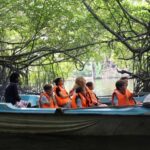
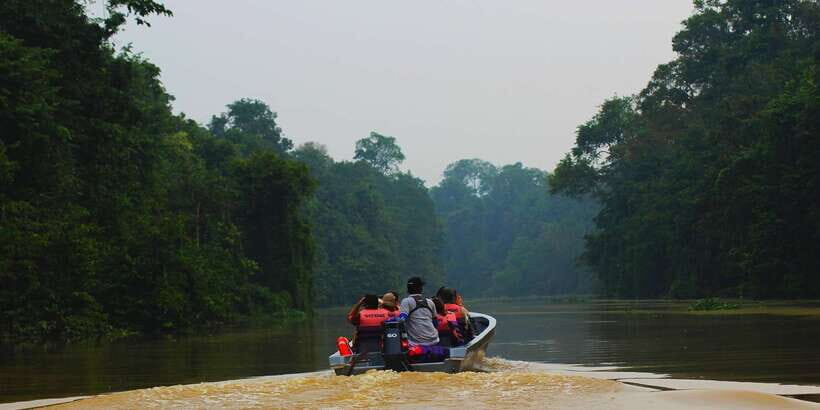
This is a wildlife tour built around one big idea: the Bentota River moves slowly enough that you can actually pay attention. You’ll start at Bentota’s coast area and hop onto a powered boat, then follow the river through mangroves—where wildlife tends to use the cover and edges for feeding and resting.
What makes this format work is the pace. A slow cruise helps you keep your eyes on the waterline, branches, and muddy banks where animals often show up. It also makes it easier to take photos without feeling like you’re being dragged past everything.
You’ll have life jackets, and you’ll ride with a guide who’s guiding your sight, not just reciting facts. In one recent experience, the guide’s spotting skills were the headline: the group saw lots of crocodiles plus birds, water monitors, and bats—exactly the kind of variety that makes a short safari feel worthwhile.
You can also read our reviews of more tours and experiences in Bentota.


What You’ll Spot in the Mangroves: Crocs, Birds, Monitors
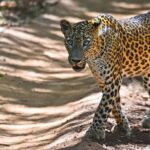
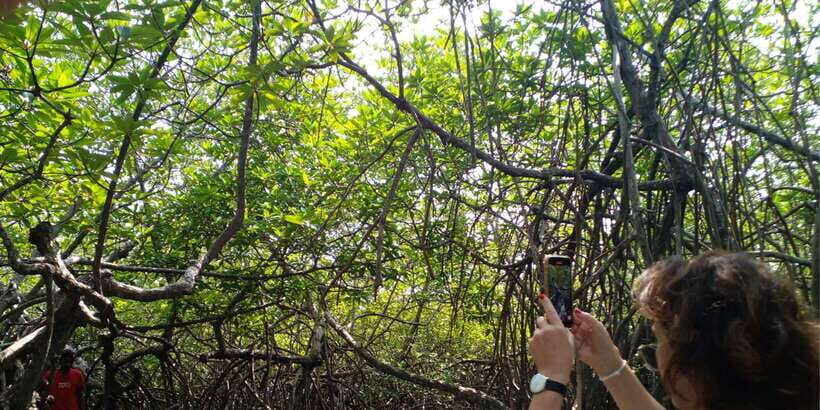
The main action is on the river itself, cruising through mangrove areas that support a whole food chain. This is where you’ll scan for the big targets and the in-between moments.
Here’s what you should keep an eye out for:
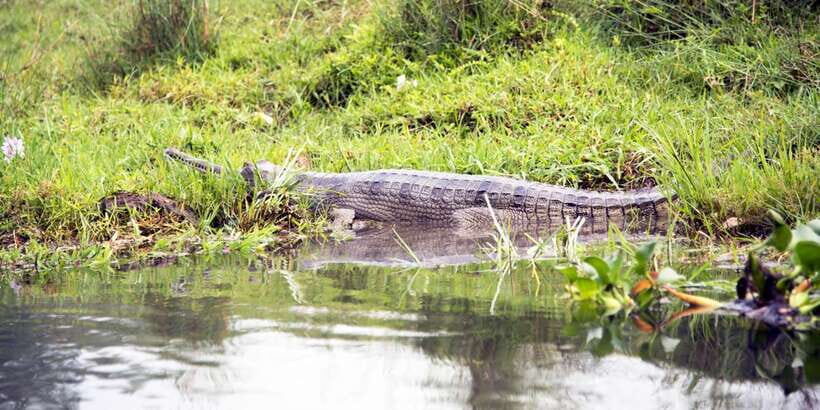
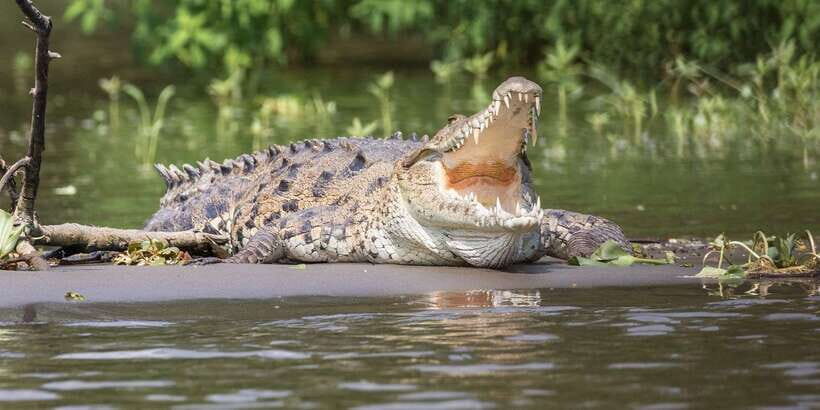
- Giant crocodiles along calmer stretches of riverbank
- Monkeys that may be hiding in or moving along the mangrove cover
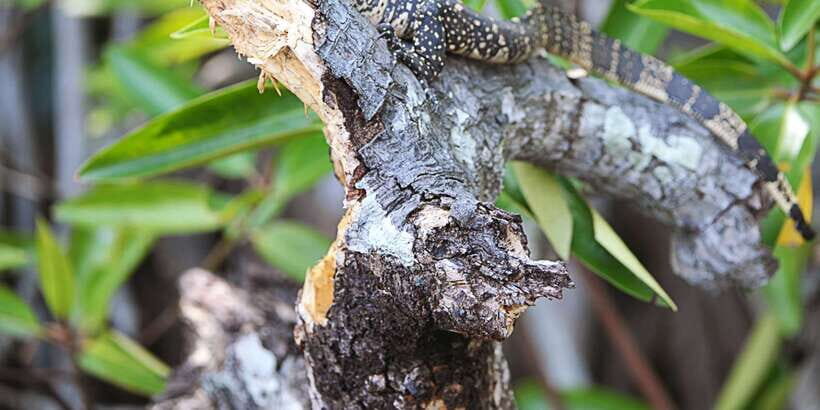
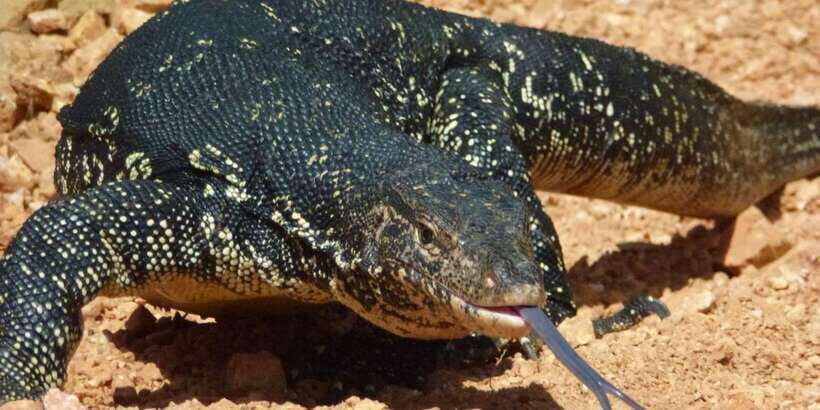
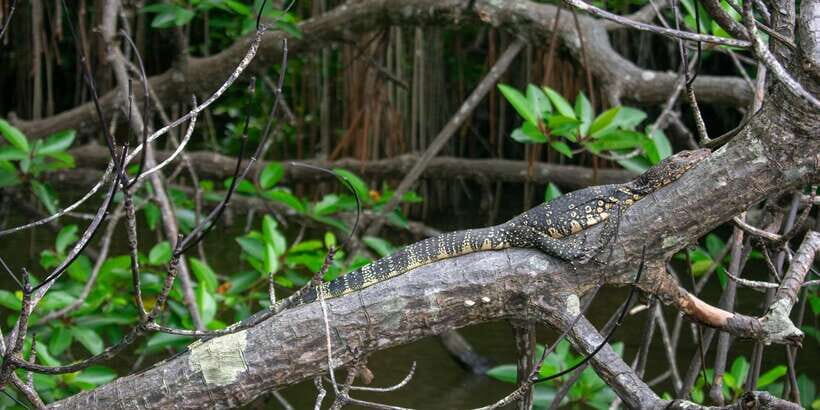
- Giant lizards / monitor lizards in the shallows or on low branches
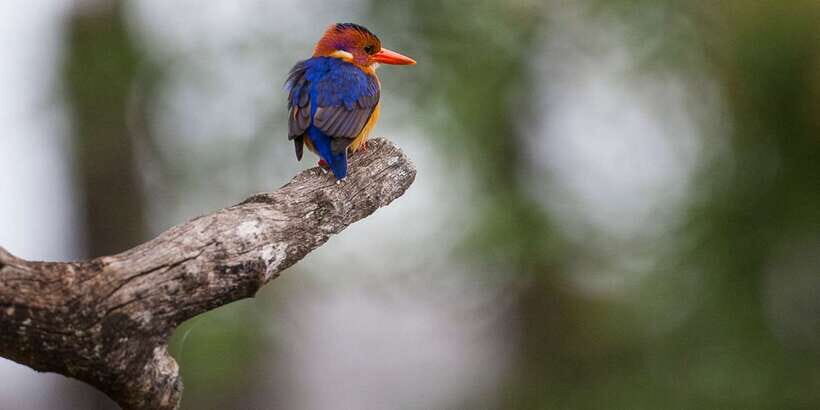
- Sea eagles and other birds like egret herons
- Snakes and other smaller wildlife you might notice if you slow down and watch carefully
One thing I like about this kind of spotting is that the “wins” aren’t all the big reptiles. When your guide can pick out birds and animals at the edges of your vision, you start noticing the river as a living system instead of a checklist.
And yes, it can be genuinely surprising. In the clearest review example, the guide caught multiple animal types during one cruise—crocs, birds, water monitors, and bats—which tells me the tour isn’t built on luck alone.
Bentota Beach Break and West-Coast Views After the Cruise
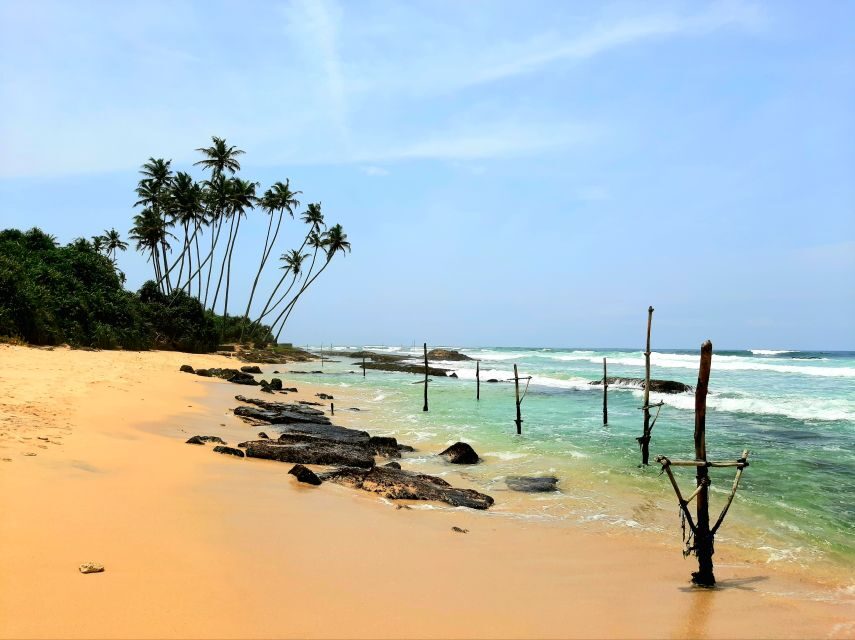
Once you’re back from the river, the tour shifts from wildlife watching to scenery. You’ll visit Bentota Beach and take in the west-coast coastline—useful because the river cruise is all about close-to-water nature, while the beach resets your eyes and energy.
This stop matters more than it sounds. When you go from mangroves to open coast, you’ll often feel the scale difference right away: wider views, more light, and a slower mental pace. It’s also a good chance to regroup, check your photos, and enjoy that straightforward Sri Lanka beach mood.
After the beach time, the route moves on to cultural stops. The reason this sequencing works is simple: you get your wildlife excitement while you’re still alert, then you trade “spotting” for “learning,” without losing momentum.
Kande Vihara Temple: Calm Culture on the Way
The tour includes a guided visit to Kande Vihara, an ancient Buddhist temple near the Bentota area. A temple stop can feel like an interruption on a short day, but this one is small enough to function like context.
A good temple visit does two things:
1) It gives you a reason to care about the place beyond the photo
2) It reminds you that you’re seeing culture living alongside nature
During your visit, you’ll get guidance from the tour team, so you’re not just wandering and guessing. You’ll also be walking into a quieter mode after the river’s action—often a nice contrast after scanning for animals for a while.
If you’re someone who likes your nature and culture in one outing, this temple stop is a smart match. If you mainly came for wildlife and don’t want religious sites at all, you might still appreciate it as a brief pause.
Herbal Garden Walk: Indigenous Spices and Medicinal Plants
Next up is the herbal garden, focused on Sri Lanka’s indigenous spices, herbs, and medicinal plants. This part is different from the river. On the water, you watch behavior. In the garden, you learn uses.
From a value standpoint, this is one of the best “bang for time” additions. Sri Lanka’s spice and herbal traditions can feel abstract if you only see them in markets. A garden explanation turns that into something more grounded: you see plants, get guided information, and connect the idea of medicine and cooking to actual species.
Also, it’s not just a generic walk-through. It’s framed as traditional native herbs and spices, plus medicinal plants. That makes it more than a photo stop, and it pairs well with the earlier theme of local ecosystems.
If you want a trip that feels like you’re learning while moving, this stop does the job.


Refresh Moment: King Coconut and a Real Local Reset
After time on the river, you’ll get a fresh natural King Coconut refreshment. I’m a big fan of breaks like this on tours, because they’re practical.
After boat time, you’ll likely feel sun and salt on your skin. A coconut drink gives you a local taste, hydration, and a reason to pause before the next leg. It also keeps the tour from feeling like back-to-back driving and walking with no breathing room.
Group Size, Guide Style, and What Makes It Feel Private
You’re traveling in a small group limited to 6 participants, and the tour is described as private in the sense that it’s catered to you rather than run like a giant bus operation. That matters in real life because you’re sharing time on a boat and around small sites.
A smaller group tends to mean:
- easier communication with the guide
- less jostling around viewpoints
- more ability to ask questions mid-spotting
The guide’s role is also clearly central. In the strongest review, the guide and driver had eagle eyes and spotted plenty—crocs, birds, water monitors, and bats. That’s what you want from a wildlife guide: not just general knowledge, but the ability to scan fast and explain what you’re seeing.
Price and Logistics: Is $30 Good Value?

The price here is $30 per person for a tour that runs about 2 hours. That’s not a “full day” deal, but it’s also not trying to be. For the time, you get a guided wildlife cruise plus extra stops.
What’s included:
- slow motorboat cruise
- life jackets
- English-speaking guide
- national park entrance fee
- basic accident insurance
What’s not included:
- hotel pickup/drop-off
- food and drinks
So the real question is whether it feels worth it for your style. If you want a fast, organized Bentota nature hit—plus culture and herbs—this is fairly good value. If you’re hoping for a long, slow full-day experience with multiple long beach stretches and long temple time, you may feel the schedule is tight.
Also remember the tour starts at Aida Gems & Jewellery. No hotel pickup means you should factor in travel time and be on time at the meeting point.
Timing Tip: How to Make the Most of a Tight 2-Hour Schedule
With a compact outing, your comfort choices matter. On a boat cruise, you’ll want clothes that handle sun and possible splashes. I’d also bring sunscreen, sunglasses, and a hat you don’t mind getting a little river-air dusty.
For the wildlife portion, the best “strategy” is simple: stay focused and don’t rush. Even if you don’t see every animal listed, you’ll still get value from learning what the guide is tracking and why animals choose certain spots in mangroves.
Then, after the cruise, treat the beach and temple stops like calm transitions. If you try to “speed through” them, you’ll miss the whole point of the change in pace.
Who This Tour Suits Best
This experience fits best if you want:
- wildlife viewing without full-day hassle
- a guided look at mangrove ecosystems and common river animals
- a short package that also includes culture and plant knowledge
It’s especially good for first-time visitors to Bentota who don’t want to piece together separate tours for river nature, temple sights, and herbal education. If you’re traveling with kids, the mix of animals + boat + coconut refresh tends to work well, as long as you’re okay with a short, activity-filled format.
If you’re the kind of traveler who needs extensive downtime, you might find the schedule more “active” than you want.
Should You Book This Bentota River Mangrove and Herbal Tour?
I’d book this tour if you’re excited by wildlife and you want your time in Bentota to feel organized but not rushed. The main reason is the combination: a guided river cruise with strong animal-spotting potential, followed by easy cultural and garden stops that add meaning fast.
I’d skip it (or at least reassess) if you need hotel pickup or if a 2-hour format feels too short for your travel pace. Also, if temples and herbal gardens don’t interest you, you might feel like part of the itinerary is “extra.”
If your goal is a solid Bentota mix—river wildlife, beach air, temple calm, and herbal plant learning—this is a practical, good-value choice.
FAQ
Where is the meeting point for the tour?
Meet at Aida Gems & Jewellery.
How long is the tour?
The duration is listed as 2 hours.
Is hotel pickup included?
No. Hotel pickup and drop-off are not included.
What does the tour include?
It includes a slow motorboat cruise, life jackets, an English-speaking guide, national park entrance fee, and basic accident insurance.
Are food and drinks included?
No. Food and drinks are not included.
What language is the guide?
The guide is listed as English-speaking.
How big is the group?
The group is small, limited to 6 participants.
What wildlife can I expect to see?
You’re looking out for giant crocodiles, monkeys, giant lizards/monitor lizards, snakes, sea eagles, and birds like egret herons (plus other animals your guide spots).
Is there a life jacket provided on the boat?
Yes, life jackets are included.
Can I cancel for a refund?
Free cancellation is available up to 24 hours in advance for a full refund.