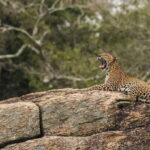
Leopard sightings start before most people even wake up. This Yala National Park leopard safari focuses on the quieter Lunugamwehera reserve (often called Yala Block 5) so you spend more time watching wildlife and less time stuck in jeep traffic. I especially like the plan to enter early and chase prime spotting hours, and I like that you ride in a smaller jeep group for a more comfortable safari day.
You can pick a half-day or full-day format, and you’ll have hotel pickup and drop-off with a driver-guide from Shehan Safari.
One thing to plan for: the $20 price covers the safari service, but park entrance and service fees are not included. Budget about 13,000 LKR per person (roughly $43) for the gate and service costs, and if you go full-day it’s a long day in the vehicle.
In This Review
- Key things to know before you go
- Lunugamwehera (Yala Block 5) and why it feels calmer
- The jeep plan: how golden hours shape your chances
- Half-day vs full-day: what you gain with the longer safari
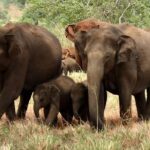
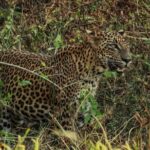
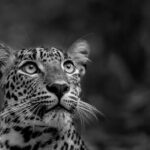
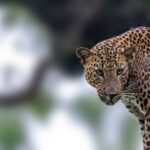
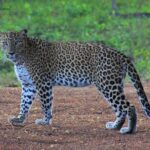
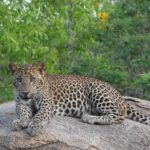
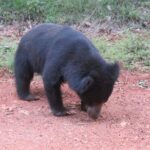
- What you’re actually targeting: leopard, sloth bear, elephants
- Stop-by-stop approach: when the guide shifts from spotting to explaining
- Jeep size and private-group feel: comfort counts on long drives
- Price and real value: $20 vs the gate fee you’ll still pay
- Who should choose this Yala leopard safari (and who should skip it)
- FAQ
- FAQ
- How long is the Yala leopard safari?
- What’s included in the $20 per person price?
- What are the park entrance and service fees?
- Does the tour include food?
- What animals are the tour aiming to spot?
- Do I ride with strangers or is it private?
- Is hotel pickup and drop-off included?
- Can I cancel for free?
- Should you book this leopard safari in Yala Block 5?
Key things to know before you go
- Early gate strategy (Park Gate opens at 6 AM) means you can be among the first jeeps into the park
- Golden hours focus: the first 2 hours and the last 2 hours of the day get the highest attention for leopard chances
- Quieter Lunugamwehera / Yala Block 5 helps you avoid the worst of the Yala 4WD crowding
- Big 3 target includes leopard, sloth bear, and elephants, with other wildlife like crocodiles and deer likely too
- Small-group jeeps: maximum of 6 passengers per safari jeep
- Full-day food plan: a picnic option, plus breakfast and lunch are mentioned in the experience write-ups
Lunugamwehera (Yala Block 5) and why it feels calmer
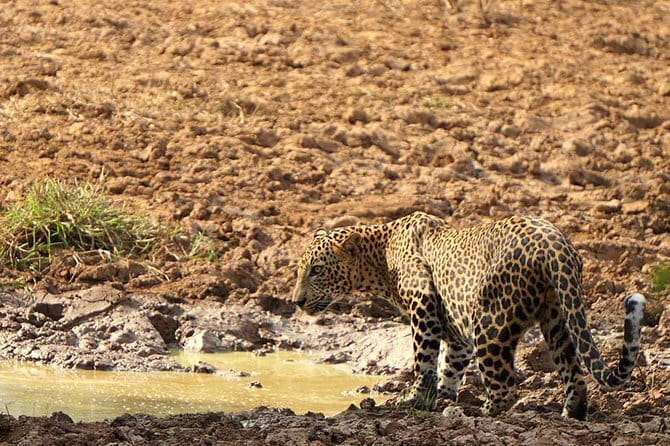
If you’re picturing classic Yala National Park chaos with long lines of jeeps and everyone craning their necks the same way, this safari takes a different approach. It runs in Lunugamwehera National Park, also known as Yala Block 5, a less-visited reserve. The payoff is simple: you’re more likely to find wildlife without spending your best hours watching other jeeps watching other jeeps.
That calmer feel matters most for large predators. Leopards don’t follow schedules, and you don’t want your whole day to revolve around waiting for the crowd to decide where to point. In Block 5, the driving rhythm is meant to keep you moving smartly, with the guide paying attention during the hours when leopard sightings tend to be more realistic.
The safari is also set up so you’re not just passing time between “maybe animal” moments. The guide-guide approach is designed for active spotting: you get explanations as you go, and the driving style shifts after the early focus period into more interpretive stops.
You can also read our reviews of more tours and experiences in Yala National Park.
The jeep plan: how golden hours shape your chances
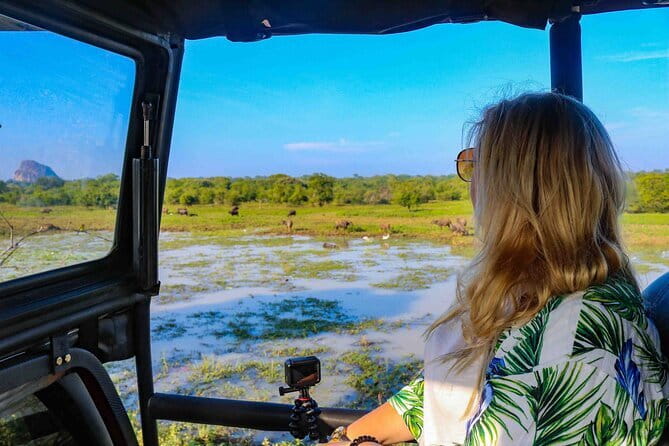
This is the heart of the experience: timing. The park gate opens at 6 AM, and the plan is to try to enter as one of the first jeeps. That early start isn’t just about convenience. The first 2 hours after entering are treated as peak leopard spotting time, with the last 2 hours of the day also considered golden.
Here’s what that means for you on the ground. You’re not spending the best light waiting for your group to catch up, and the driver-guide isn’t wasting time on the most common sightings during those prime windows. After those golden hours, the driving style changes into a more educational pace, with stops made to show you what’s happening on your route.
This strategy also helps with your sanity. It’s easy to burn a full safari day drifting from one “not that exciting” moment to the next. With a clear leopard-focused window, you know the day has a purpose beyond just collecting photos.
Half-day vs full-day: what you gain with the longer safari
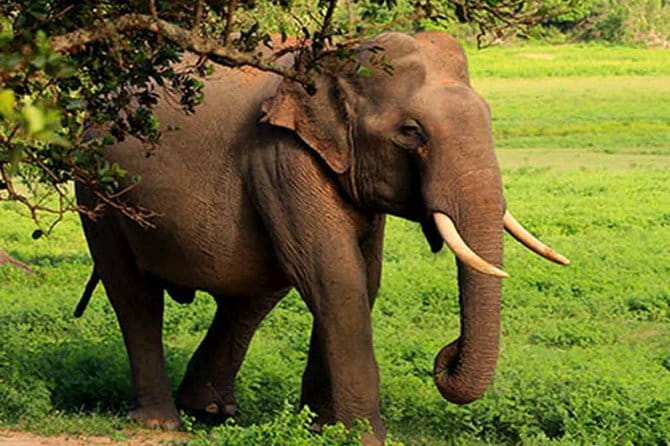
The tour has a wide duration range, about 4 to 12 hours depending on whether you choose the half-day or full-day option. Even without a minute-by-minute breakdown for each format, the intent is clear: the park experience centers around those early and late golden hours for predator spotting.
So what changes in practical terms?
- If you choose half-day, you’re likely picking a shorter window where the schedule is efficient and the focus stays tight on wildlife.
- If you choose full-day, you’re choosing to stay in the reserve longer, which usually increases your odds of multiple wildlife moments and different behavior patterns.
Food is the biggest visible upgrade on the long option. A full-day safari includes a picnic, and in the experience write-ups, breakfast and lunch are mentioned as included. For a long day in a safari jeep, that’s not a tiny detail. It keeps you from turning “wildlife time” into “food logistics time.”
Just be honest with yourself about the trade-off: full-day means more hours in the vehicle. If you’re sensitive to long drives, the half-day can be the smarter move.
What you’re actually targeting: leopard, sloth bear, elephants
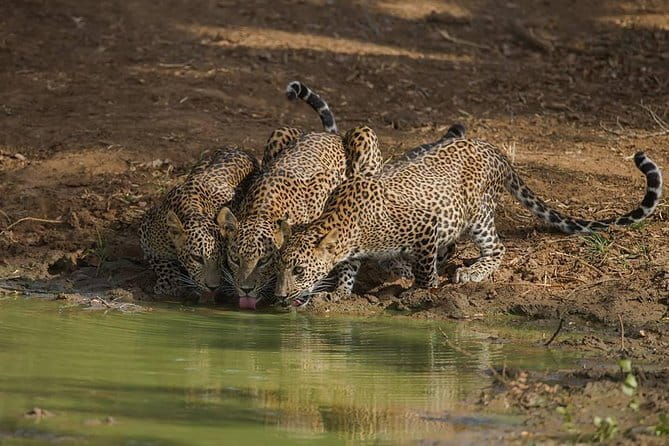
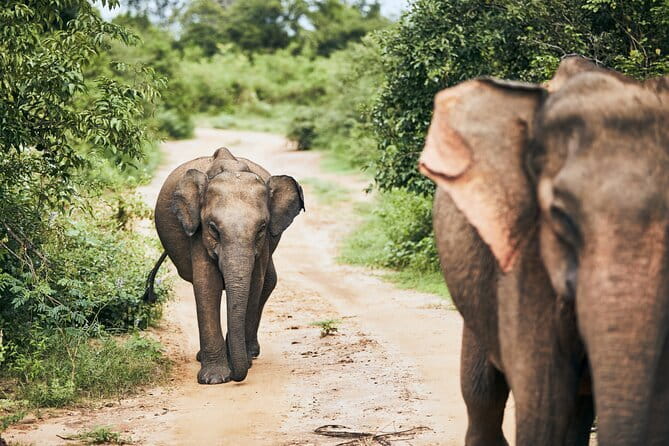
Many safaris advertise a long list of animals. This one is more focused, at least in how it’s planned. The big targets are the Big 3: leopard, sloth bear, and elephants. That focus matters because it shapes how the guide drives, when they push harder, and how they prioritize sightings during the day.
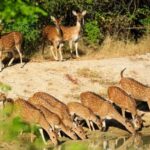
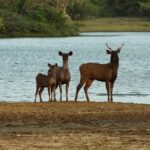
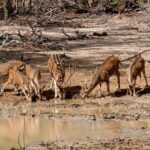
Beyond that core trio, expect a mix of other wildlife that’s commonly associated with Sri Lanka’s dry-zone parks. You may see crocodiles, deer, and other animals, and the tour overview specifically points to elephants, buffalo, and crocodiles among the possibilities. The day is built around “spotting opportunities” rather than a strict checklist.
A useful way to think about it: you’re not booking a guarantee of a leopard on demand. You’re booking better conditions for your odds—early access, golden-hour attention, and a guide who keeps the route purposeful instead of drifting toward whatever the first jeep crowd is chasing.
Stop-by-stop approach: when the guide shifts from spotting to explaining
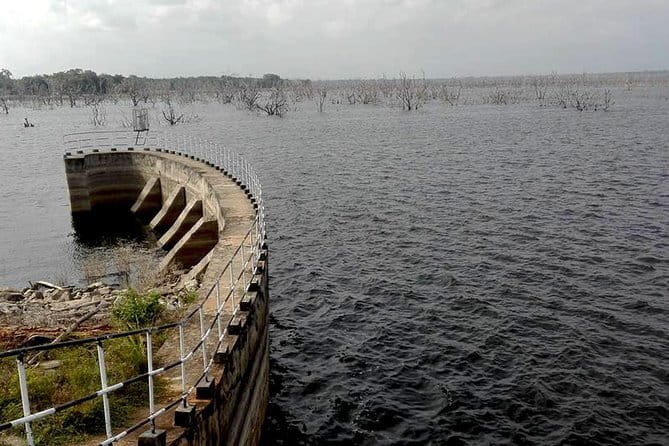
Inside the park, the driving pattern changes after the first 2 hours. During the golden window, the plan is to avoid spending time on the more common animals or birds, which lets you focus effort where a leopard sighting is more likely.
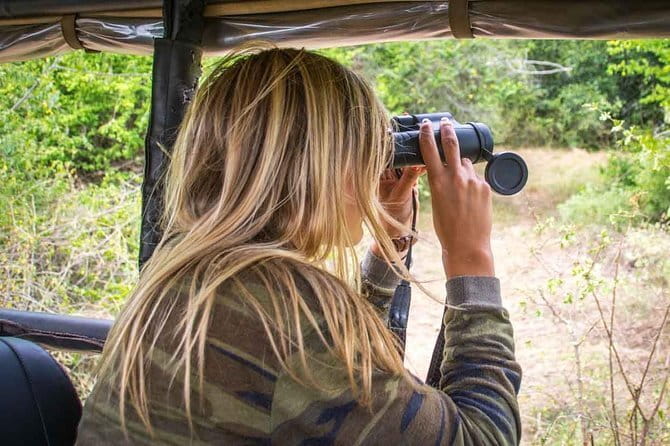
After that, you’ll get a more detailed, explanation-based style of guiding. The tour description emphasizes stopping to explain “every single thing” they see on your route. In real terms, this usually feels like the difference between being taken for a ride and being taught how to look.
That interpretive pacing is also part of why this safari can feel rewarding even on a day when leopard spotting is slow. You might still see the big targets, but you’ll also understand what you’re looking at: tracks, habitats, movement patterns, and the small clues that help you spot wildlife sooner next time.
Jeep size and private-group feel: comfort counts on long drives
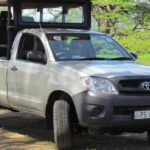
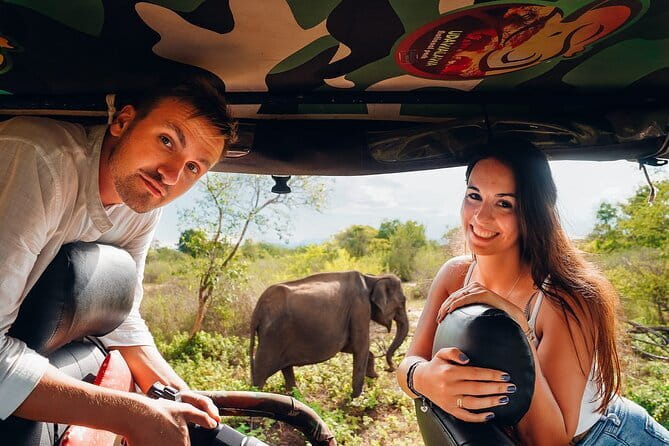
The safari jeep is capped at maximum 6 passengers. That small group size matters more than it sounds. In a crowded jeep situation, people block each other’s view, the vehicle slows down at the wrong moments, and the day feels louder and more stressful.
Here, you’re in a smaller group, and the tour is private for your group only. That means you’re not sharing your schedule with strangers who might be late, distracted, or less comfortable with wildlife-focused pacing.
If you’re traveling as a couple, friends, or family, this kind of setup often makes the day smoother. You can ask questions, the guide can adjust the search approach to your group’s pace, and you’re less likely to get pulled into mismatched expectations.
Price and real value: $20 vs the gate fee you’ll still pay
The listed safari price is $20.00 per person, and it includes key parts of the experience: driver/guide, hotel pickup and drop-off, and transportation in a safari jeep. That’s a solid baseline rate for a half- or full-day wildlife tour with a guide.
But here’s the part you must budget correctly: park entrance & service fee is not included. The cost is listed as 13,000 LKR per person (about $43). So your real day cost is the tour price plus those park charges.
Is it still good value? Usually, yes, because you’re paying for:
- a focused leopard-spotting strategy built around early access and golden hours
- a smaller jeep group (max 6) and private-group feel
- a driver-guide who explains what you’re seeing
If you’re traveling for a single safari day in Sri Lanka, it’s the kind of pricing where the money goes toward access and guiding rather than just transport. If you’re doing multiple parks or blocks, compare how each option handles crowding and timing, not just the sticker price.
Who should choose this Yala leopard safari (and who should skip it)
This safari fits best if you want a more deliberate wildlife search in Yala region. Choose it if:
- you care about leopard timing and early gate strategy
- you prefer a quieter Block 5 / Lunugamwehera vibe over the most crowded Yala routes
- you like having a driver-guide who explains what you’re seeing
It might not be ideal if:
- you dislike long days in a vehicle (full-day can run up toward the longest end of the 4–12 hour range)
- you’re trying to keep costs ultra-low, since the park entrance and service fee are separate
In general, this works well for couples, groups of friends, and anyone who values comfort and guidance over a rushed safari checklist.
FAQ
FAQ
How long is the Yala leopard safari?
The tour duration runs from about 4 to 12 hours, depending on whether you choose the half-day or full-day option.
What’s included in the $20 per person price?
It includes the driver/guide, hotel pickup and drop-off, and transportation in a safari jeep (max 6 passengers per jeep). Park entrance and service fees are not included.
What are the park entrance and service fees?
Park entrance and service fee are listed as 13,000 LKR per person (approx. $43). This fee is not included in the $20 tour price.
Does the tour include food?
For a full-day safari, a picnic is included, and breakfast and lunch are mentioned in the experience write-ups for the long-day option.
What animals are the tour aiming to spot?
The tour targets the Big 3: leopard, sloth bear, and elephants. Other possible wildlife mentioned includes crocodiles, buffalo, and deer.
Do I ride with strangers or is it private?
It’s private. Only your group participates.
Is hotel pickup and drop-off included?
Yes. Hotel pickup and drop-off are included.
Can I cancel for free?
Yes. Free cancellation is available up to 24 hours in advance of the experience start time for a full refund.
Should you book this leopard safari in Yala Block 5?
I’d book it if you want the best chance of leopard-focused timing without drowning in the busiest Yala crowds. The early 6 AM gate approach and the emphasis on the first 2 hours and last 2 hours are the kind of planning that can turn a safari day from random luck into a real search.
Pick the half-day if you want a shorter, efficient wildlife hit and you’re not keen on long hours in the jeep. Choose the full-day if you’re comfortable with the length and you want the meal plan plus more time in the reserve for wildlife variety.
Just make sure you do the math before you go. The $20 tour price is only part of the total—your park entrance and service fee are the other half of the budget, and that’s true whether you’re hunting leopards for 4 hours or staying out for the long day.