Negombo can feel chaotic at street level, but this walking route makes it make sense fast, starting at the Sri Mutthu Mari Amman Temple on Sea Street. I love the way you’re shown real working scenes—especially the local produce market and the dry-fish world—without turning them into a museum. I also like the mix of faith and history, from Hindu temple stops to the Dutch-era fort area and churches. One thing to plan for: you’re outdoors in the heat, so timing matters and you’ll want to wear light clothes and protect your skin.
I was glad this tour is timed as a manageable 3-hour walk, not an all-day slog. The guide approach is the main value here: you get explanations at each stop and you can ask questions along the way. Still, if you’re expecting long food tastings, I’d treat the snack portion as a bonus rather than your main meal.
In This Review
- Key highlights at a glance
- Why this Negombo Heritage Walk makes sense (and for whom)
- Sri Mutthu Mari Amman Temple: the cultural anchor on Sea Street
- Markets and the dry-fish zone: where Negombo earns its smell
- Fishing boats and Kothlawala bridge: a picture moment with context
- Dutch-era Negombo: the fort area and St. Stephen’s Church
- Negombo Lagoon and St. Mary’s Church: the walk steadies into reflection
- Price, pace, and what $14 buys you in real life
- Timing tips: go morning for comfort, bring sun gear
- Snack reality check: included, but don’t bet your day on it
- Who should book this Negombo Heritage Walking Tour
- Should you book this Negombo Heritage Walking Tour?
- FAQ
- How long is the Negombo Heritage Walking Tour?
- Where do I meet the guide?
- What are the main stops during the walk?
- What should I bring for the tour?
- Is food or refreshments included?
- What languages are available, and what about cancellation?
Key highlights at a glance
- Start at Sri Mutthu Mari Amman Temple on Sea Street, then get your bearings immediately
- Local vegetable and fruit market where you see everyday Negombo trade
- King George Drive waterfront running parallel to the Indian Sea
- Dry-fish processing and the Lellama fish market (yes, you’ll smell it—then you’ll understand it)
- Photo moment at Kothlawala bridge with fishing boats lined up
- Negombo Dutch Fort area and St. Stephen’s Church, plus St. Mary’s Church to balance the story
Why this Negombo Heritage Walk makes sense (and for whom)
This is one of those tours that works because it matches the city. Negombo’s identity is layered: Hindu worship, Portuguese/Dutch-era influences you can still see in stone and church architecture, and a fishing economy you can literally walk alongside. In 3 hours, you get the “what” and the “why”—not just the postcard version of the town.
If you like practical travel—small sights, real street life, and short explanations that connect the dots—this fits well. I’d say it’s especially good for first-timers who want a grounded orientation. And it’s also a nice choice if you’re staying in Negombo and want something culturally focused that doesn’t require a long drive.
The pace is a walking tour, so if you hate heat, long sidewalks, or sun, you’ll want to pick a cooler time of day. One review also recommended going in the morning because by midday it can get very hot.
You can also read our reviews of more tours and experiences in Negombo.


Sri Mutthu Mari Amman Temple: the cultural anchor on Sea Street
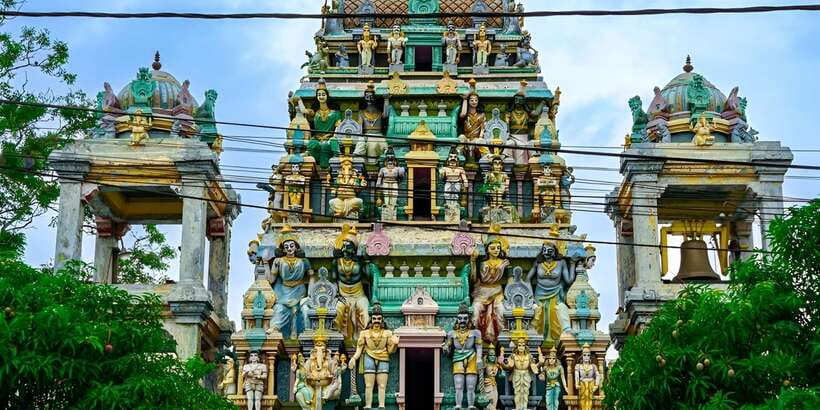
The tour meets you right in front of the Sri Mutthu Mari Amman Temple, the starting point on Sea Street. That matters. Starting at a place of worship gives you the right lens before you hit markets and waterfront industry.
You’ll have a guided stop there first, with time to look around and settle in. Expect the guide to explain what you’re seeing—how the temple ties into the city’s mixed cultural life, and why this kind of religious landmark acts like a community center in daily Negombo.
Practical note: temples usually mean you’ll be walking through active local space. Go with respectful clothing and a calm mindset. It’s not a theme park scene; it’s a functioning part of the neighborhood.
Markets and the dry-fish zone: where Negombo earns its smell

After the temple, the walk moves into the local rhythm—stalls of vegetables and fruits. This is the “before the market, during the market” section. You’ll see everyday goods, the kind of trade that keeps a coastal city running, and the scale of fish-related commerce that comes next.
Then comes the waterfront stretch along King George Drive, named after King George’s visit to the city. The road runs parallel with the Indian Sea, and the real point of this section is what’s happening near it. This is the angler activity area and the dry fish processing zone.
Here’s the honest bit: the dry fish area has a strong odor. That’s not a problem with the tour—it’s the local industry. The good part is that once your guide explains what’s going on, the smell becomes information. You stop thinking, why does it smell so intense? and start thinking, this is how fish is preserved and sold.
You’ll then move into the Lellama fish market, where the fish economy is on display up close. This part is guided, so you’re not just looking at boats and stalls—you’re building context for why the market operates the way it does.
Tip: sunglasses and sunscreen are listed for a reason. Plan on sun and glare near the waterfront.
Fishing boats and Kothlawala bridge: a picture moment with context
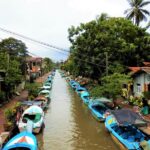
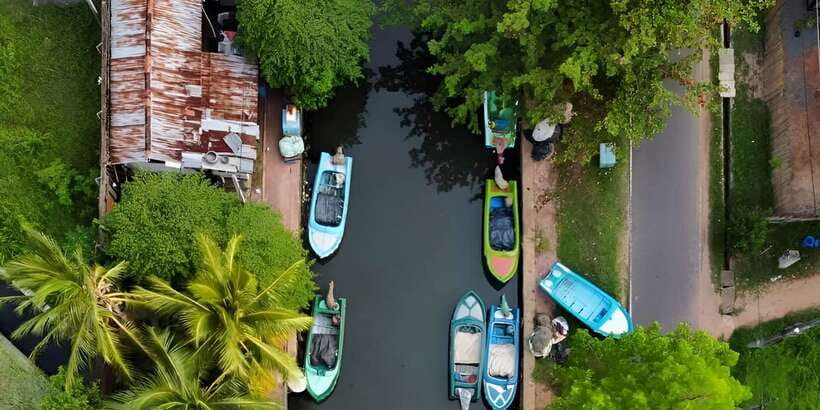
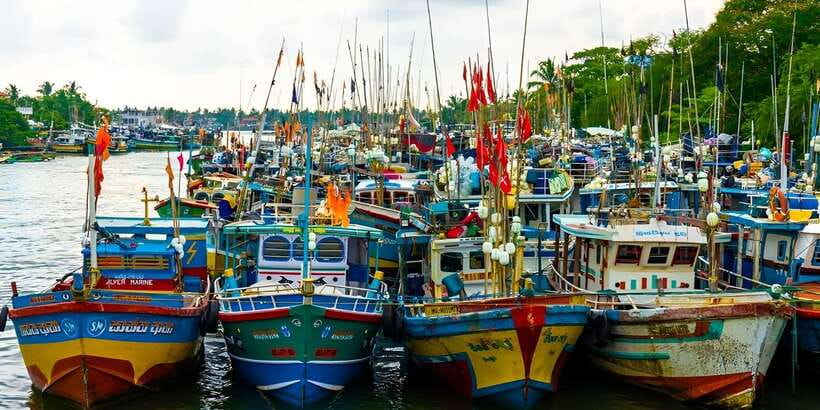
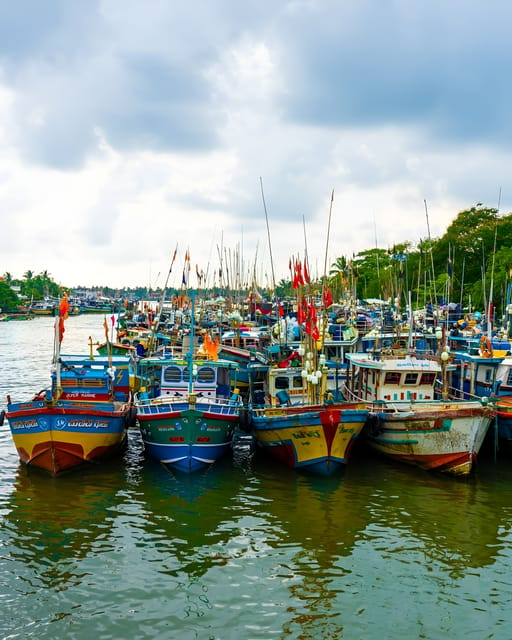
One of the tour’s most memorable segments is near Kothlawala bridge. This is where you can get a nice photo of fishing boats—an easy win because the viewpoint is built for it.
But the bridge also functions as a story beat. The guide uses this stop to connect what you just saw (processing, market flow, the fishing cycle) with the layout of the waterfront. It’s one thing to see boats. It’s another to understand where they fit into the supply chain.
You’ll also notice you’re crossing from one side of the harbor area to the other, changing your angle on the fishing life. That simple shift helps you see how the city organizes itself around the sea.
Dutch-era Negombo: the fort area and St. Stephen’s Church
The next major historical stop is the Negombo Dutch Fort area. Before you reach it, you pass by a prison location (an interesting, if slightly stark, landmark along the route). The tour then pivots from everyday coastal life into older layers of colonial-era architecture.
What I like about including a Dutch fort in this type of walk is that it doesn’t feel random. It ties into the same sea-based economy. Coastal empires and European trading networks shaped port cities like Negombo, and you can read parts of that influence in the buildings.
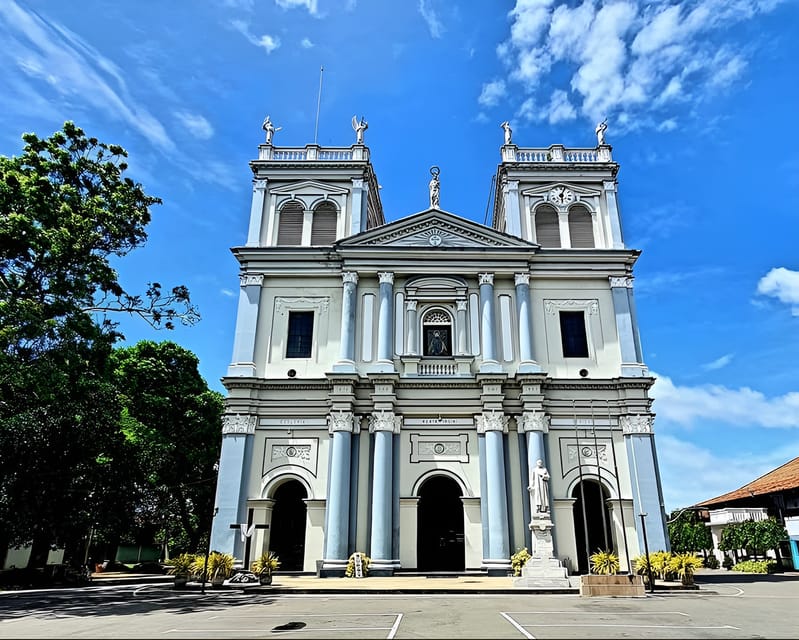
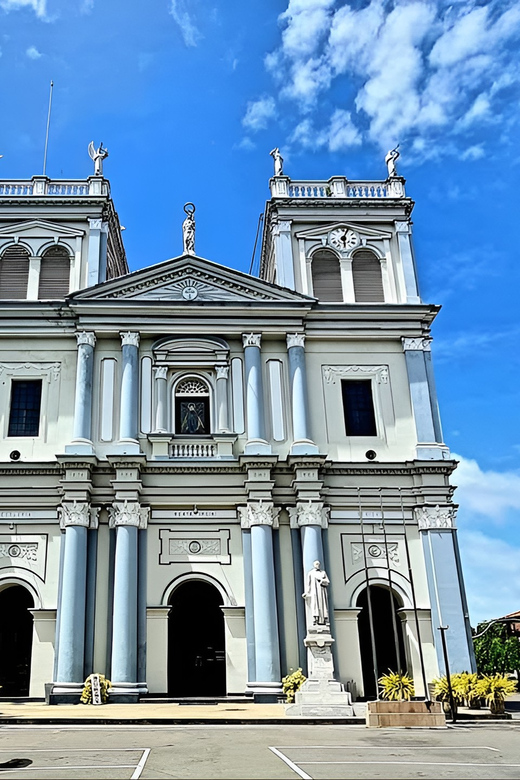
The highlights also mention St. Stephen’s Church, and it’s included as part of this fort area experience. Even if you’re not a church architecture person, it helps balance the story—because you’re seeing how different communities left physical traces in the same city.
A good guide will keep this from turning into a lecture. You’ll get what the buildings are, what they were for, and why they matter for Negombo’s history.





Negombo Lagoon and St. Mary’s Church: the walk steadies into reflection
From the fort area, the route continues toward Negombo Lagoon. You get time to look, walk through, and listen as the guide explains what you’re seeing. A lagoon stop is a smart contrast after markets and industrial waterfront scenes.
Then you finish with St. Mary’s Church. This is another religious stop, but placed differently in the story than the opening Hindu temple. By now, you’ve got the full mix in your head: faith communities, colonial-era influences, and the working waterfront that ties everything together.
There’s also a snack and refreshments segment near this part of the route. According to the tour description, you get a snack tasting menu. In practice, food on walking tours can vary by timing and what’s available, so treat it as a bonus rather than your dinner plan.
If you like spicy tastes, this is the part of the tour where the city’s flavors finally land in your hands. Think quick Sri Lankan spicy snacks and sweets—enough to keep you going as you head back.
Price, pace, and what $14 buys you in real life
At about $14 per person and roughly 3 hours, this tour is priced like an orientation and cultural explanation package. That’s usually the sweet spot for value: you’re paying for a local guide, a structured route through multiple neighborhoods, and help connecting the dots.
The guide is a big reason it works. One review highlighted a guide named Shashi, praising his friendliness, strong English, and how he explained local food, spices, and traditions. Another review mentioned that the tour was well planned and gave room for questions, which is exactly what you want from a heritage walk.
So what do you get? A sequence of stops that match Negombo’s identity:
- a Hindu temple start,
- local market life,
- waterfront processing and fish markets,
- a historic fort/church zone,
- lagoon scenery,
- and a final church stop with a snack break.
What you don’t get (based on the info available) is a long museum-style experience. This is a walk and a story route. If you want hands-on activities, rides, or boat time, this may feel limited.
One more value note: the tour is not framed as a “see everything” day. It’s framed as a focused cultural primer. For most people, that’s exactly right.
Timing tips: go morning for comfort, bring sun gear
Heat is the real enemy on a coastal walking tour. One person specifically warned that by around 12:00 it can be really hot, making the walk tough for anyone sensitive to heat. I’d treat that as practical advice, not an overstatement.
If you can, pick an earlier start time. Wear breathable clothes and shoes with grip. Even if the distances are modest, you’ll spend time moving in exposed areas near the sea.
Also, pack what the tour suggests: sunglasses and sunscreen. You’ll thank yourself later.
Snack reality check: included, but don’t bet your day on it
The tour description says refreshments and a snack tasting menu are included. That aligns with multiple positive notes about snack stops.
However, one review pointed out that refreshments weren’t provided as advertised on their date. I can’t predict how it’ll go on your day, but here’s the smart move: if snacks matter to your planning, ask when you check in about what’s included and how the tasting portion will be handled. And always bring a little water if you’re heat-sensitive.
Who should book this Negombo Heritage Walking Tour
This is a good match if you want:
- a guided walk that explains culture and history through real neighborhoods,
- a mix of markets, waterfront industry, and churches/temples,
- an easy 3-hour plan from Negombo without complicated logistics.
I’d also recommend it if you’re the type who enjoys asking questions mid-walk, because some feedback specifically praised the space to ask things.
You might skip or choose a gentler alternative if:
- you can’t handle strong smells (the dry fish processing area is part of the route),
- you hate walking in direct sun,
- you’re expecting a heavy focus on indoor monuments or long sit-down time.
Should you book this Negombo Heritage Walking Tour?
Yes, if your goal is to understand Negombo as a working coastal city with layered culture. For the money, you’re getting a structured route, a guide who explains what you’re seeing, and multiple meaningful stops packed into 3 hours.
Book it especially if you like markets, waterfront views, and “this is how life actually works” travel. Just plan for heat and sun, and don’t treat the snack as your main food plan.
If you want, tell me your travel month and whether you prefer early starts or later ones, and I’ll help you pick a timing strategy for Negombo’s conditions.
FAQ
How long is the Negombo Heritage Walking Tour?
The tour lasts about 3 hours.
Where do I meet the guide?
Meet your guide in front of the Hindu temple (Sri Mutthu Mari Amman Temple).
What are the main stops during the walk?
You’ll visit the Sri Mutthu Mari Amman Temple, local vegetable and fruit market areas, the dry fish area and Lellama fish market, the Dutch Fort area (with St. Stephen’s Church), Negombo Lagoon, and St. Mary’s Church.
What should I bring for the tour?
Bring sunglasses and sunscreen.
Is food or refreshments included?
Yes. The tour includes refreshments and a snack tasting menu.
What languages are available, and what about cancellation?
The live guide is available in English and Hindi. You can cancel up to 24 hours in advance for a full refund, and you can also reserve now and pay later.