Big cats aren’t guaranteed, but the day feels alive in Wilpattu. This safari is built around early park time with a wildlife-focused guide and real viewing tools like binoculars, plus comfortable 4×4 transport for rough tracks. I especially like the naturalist/ranger-style guidance that helps you read the forest and lakes, and I like that the day includes photo stops so you can turn sightings into keepsakes. The main thing to consider is that big mammals can be hit-or-miss, and some days may bring fewer of the headline animals than you hope.
You start with pickup near Galkadawala, then get time moving through Wilpattu’s mix of lakes, forest, and open areas. The format is designed for the practical stuff: spotting, stopping safely, and getting you back before the day drains you. If your idea of a perfect safari is nonstop leopard or elephant sightings, go in with flexible expectations.
In This Review
- Quick takeaways before you go
- Wilpattu safari by naturalist/ranger: what you’re really buying
- Starting at Galkadawala: timing, sunrise time, and how the day runs
- Inside Wilpattu: lakes, forest tracks, and why stops matter
- Wildlife targets: leopards, sloth bears, elephants, and the real odds
- The guide experience: what a good naturalist/ranger changes
- Jeep comfort and the convoy feel: small groups, big lineups
- Price and value: $50 plus the park ticket cost
- What to bring (and what rules keep the day smoother)
- Who this Wilpattu safari suits best (and who should skip)
- Should you book the Wilpattu safari with Wanderluxe Ceylon?
- FAQ
- How long is the Wilpattu National Park safari?
- Where do you get picked up?
- Is a guide included, and what language do you get?
- What wildlife will I try to see?
- What is included in the price, and what is not?
- Is alcohol allowed, and who is the safari not suitable for?
Quick takeaways before you go
- Naturalist/Ranger-led spotting with a wildlife-first approach, not just a drive
- Photo stops built into the schedule so you can capture what you actually see
- 4×4 jeeps with small groups (max 6 per jeep), which helps with viewing and comfort
- Targets include leopards, sloth bears, elephants, and more, but sightings aren’t controlled
- Pickup and drop-off around Wilpattu (listed pickup: Galkadawala; area pickup: up to 10km)
- Park ticket not included (budget about $38 per adult, on top of the $50 safari)
Wilpattu safari by naturalist/ranger: what you’re really buying
This Wilpattu National Park safari is essentially a guided wildlife viewing day, with the emphasis on finding animals in the park rather than treating it like a sightseeing bus ride. You’ll go out with a professional naturalist or ranger (the listing positions the guide as either naturalist or ranger style), and you’re given basic equipment like binoculars to help you scan at a distance.
The key value here is interpretation. In a place like Wilpattu, you don’t just look—you learn to notice. Tracks in mud, where birds are acting alarmed, and where water and cover overlap can tell you more than sighting luck. When the guide is sharp, you spend more time “reading” the habitat and less time spinning in search loops.
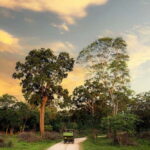
There’s also a comfort layer: you’re not trekking. You’re riding in a spacious 44 safari jeep with a small group (up to 6 passengers per jeep). That matters in Sri Lanka’s backcountry conditions where roads can be bumpy and dust becomes a real factor.
You can also read our reviews of more tours and experiences in North Central Province.
Starting at Galkadawala: timing, sunrise time, and how the day runs
Your day starts early with pickup, aimed at getting you into Wilpattu as the wilderness is waking up. The listed pickup location is Galkadawala, and pickup/drop-off is included around the Wilpattu area (up to 10km). You’re told to wait about 10 minutes before your scheduled time in the hotel lobby.
The itinerary shows a 4-hour on-park portion, but the full experience is listed as 4 to 12 hours depending on availability and starting time. That’s important: this is not a strict “exactly four hours” outing for everyone. You may be scheduled for an early session and then have additional park time, scenic stops, and a later pass depending on how the day’s slots are arranged.
What that means for you:
- If you’re traveling with limited time, you’ll want to check your exact starting time before you commit.
- If you love early light for photos, the day’s built-in sunrise mention is a good sign.
- If you want sunset vibes too, the schedule includes sunset in the park segment, but your exact timing will depend on the day’s run.
Inside Wilpattu: lakes, forest tracks, and why stops matter
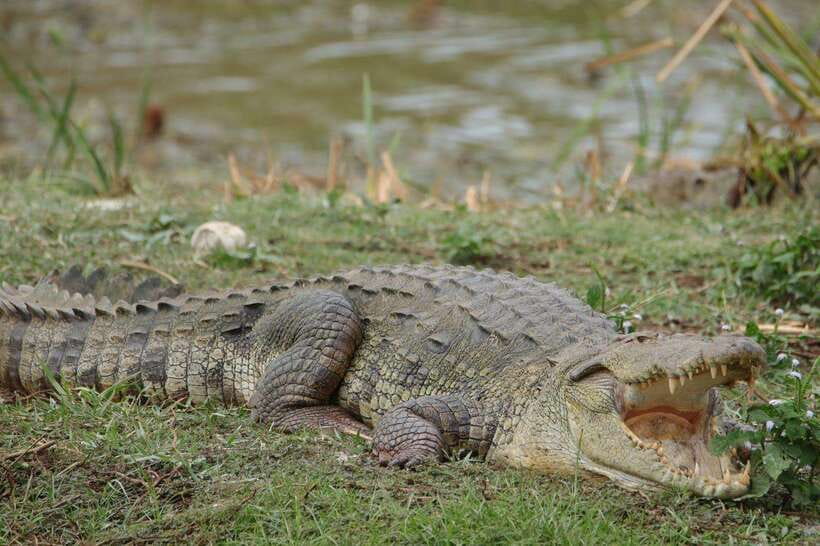
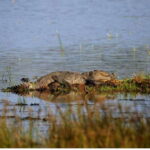
Wilpattu is famous for a mix of habitats, and the safari route aims to use that. You’ll spend time around ancient lakes, dense forest, and grassland/open areas, with a guided tour approach inside the park.
The practical reason this matters: wildlife often concentrates at the edges of water—where animals need to drink but also need cover close by. Birds, too, can become your early warning system. When you see activity clustered around certain spots, it can mean something is moving just out of sight.
During the day, you’ll have:
- break time (so your legs and patience can reset)
- photo stops
- passes by scenic views on the way
- sunset and sunrise mentions (depending on schedule)
Here’s the drawback to keep in mind. Wilpattu’s animals are not lined up on schedule. If a guide can’t get you to strong sightings in a given window, you may end up spending more time watching birds and small movement than big mammals. That doesn’t mean the guide is doing something wrong, but it does mean you should plan emotionally for a range of outcomes.
Wildlife targets: leopards, sloth bears, elephants, and the real odds
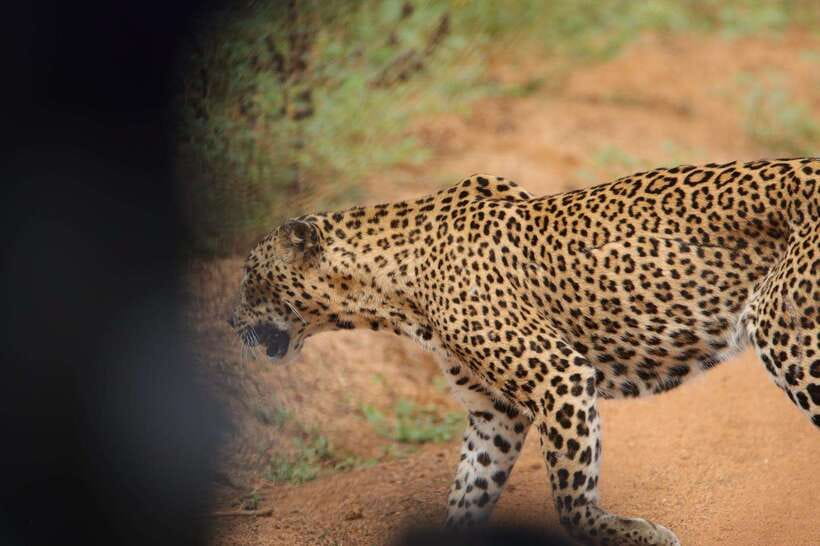
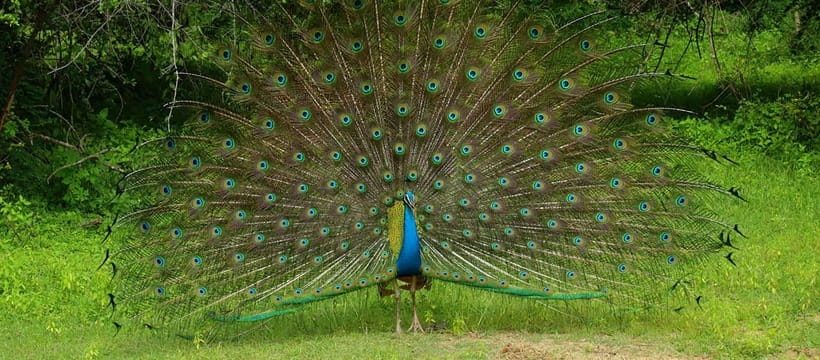
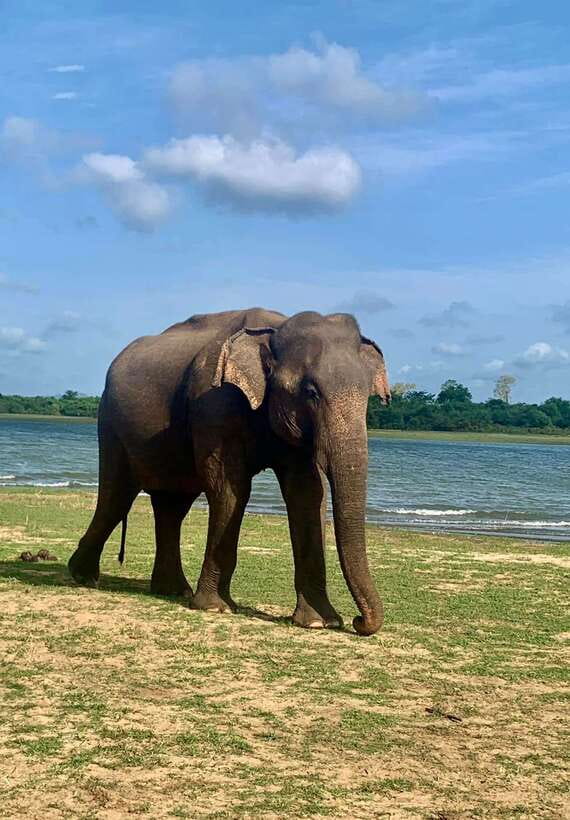
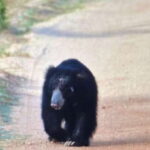
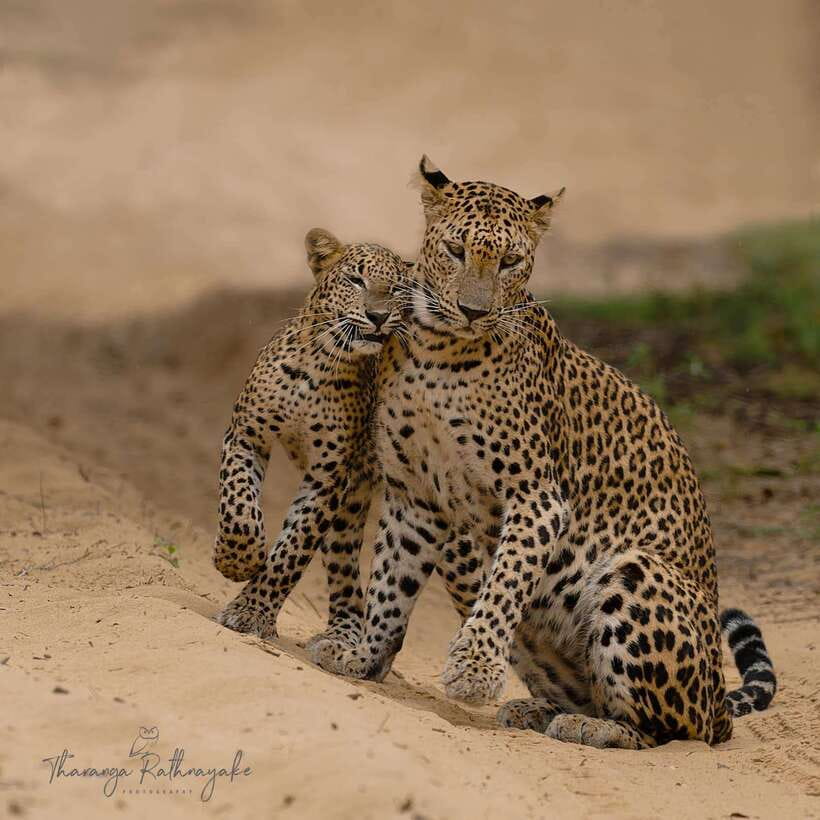
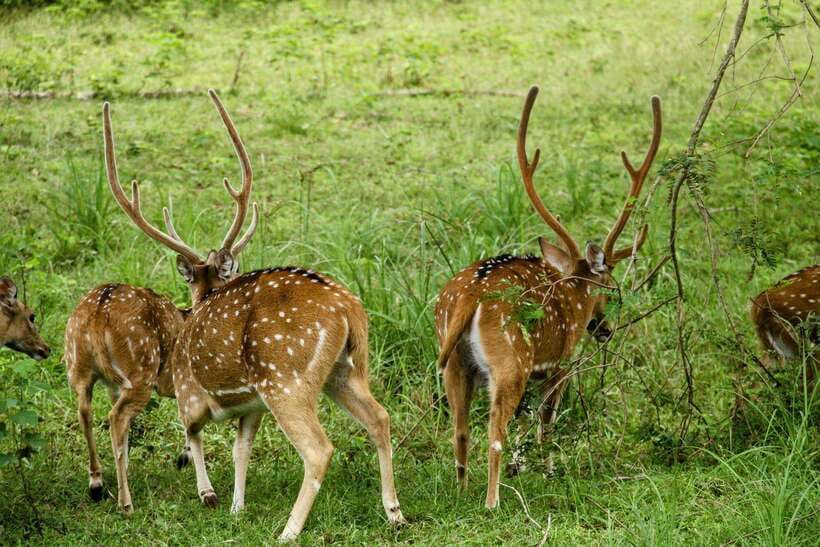
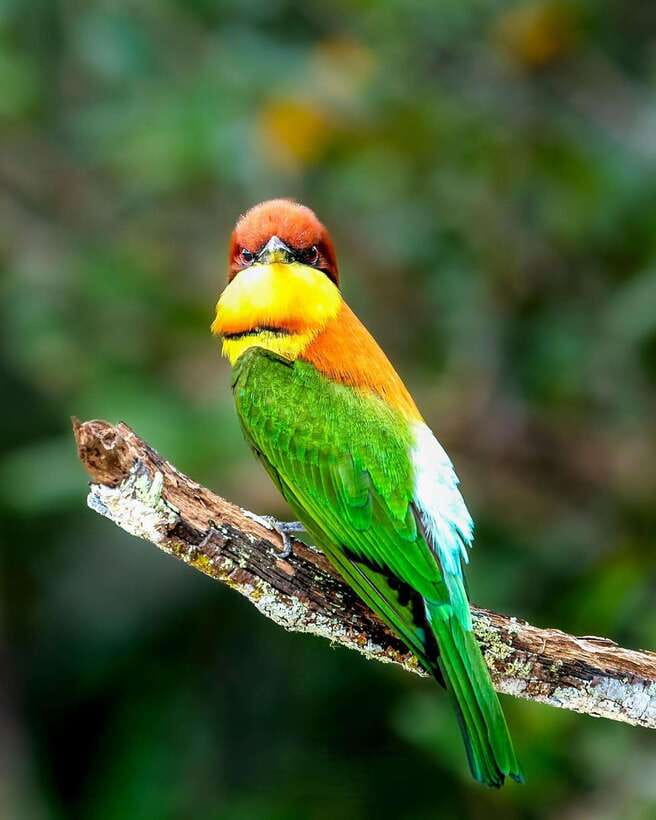
This safari’s stated focus includes leopards, sloth bears, and other wildlife. It also mentions Sri Lankan elephants, spotted deer, water buffalo, and a variety of bird species as possible sightings. That broad list is useful because it gives you multiple chances across the day.
Still, you should treat leopard, sloth bear, and elephant sightings as the hope—not the promise. Reviews for this kind of safari can be very split: some people love the chase and the long scan windows; others feel let down when the day doesn’t deliver the headline animals.
One negative note from a recent review specifically points to a safari where big mammals like elephants, sloth bears, leopards, and even other larger animals were not seen, with an emphasis on seeing lots of birds instead. Another review is more positive about the fun of driving in a large convoy setup. Put those together and you get a clear message: Wilpattu rewards patience, but it doesn’t guarantee the species list on the marketing sheet.
My practical advice: set your goal as wildlife time in Wilpattu, not a fixed checklist. If you’re happy seeing birds, deer, buffalo, and the kind of habitat behavior that shows animals are around, you’ll feel more satisfied even on a lighter big-animal day.
The guide experience: what a good naturalist/ranger changes
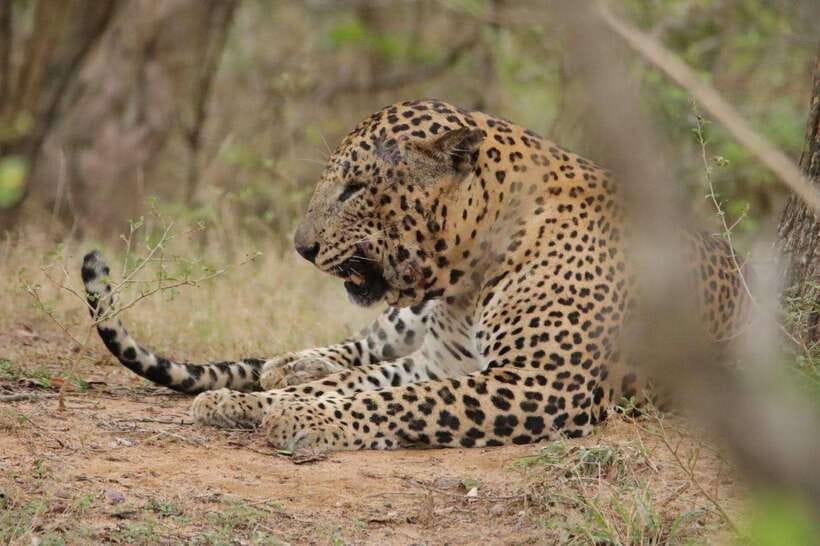
The biggest difference between a wildlife safari and a car ride is the guide’s ability to help you notice. This one is guided by a professional naturalist or ranger, and it’s explicitly positioned as educational.
In real terms, that can show up as:
- where you pause and how long you wait (waiting is part of wildlife viewing)
- how you scan (binocular use is included)
- what you watch for in forest cover and near water
- how you respond when another jeep signals attention (without wasting time)
Photo support is also part of the setup. You can take pictures during the safari, and the itinerary includes photo stops. That’s helpful because many wildlife photographers focus on camera settings but forget the bigger need: framing. When your guide is watching the same spot you are, you’re more likely to catch a moment worth shooting rather than only dust and trees.
If you’re the kind of person who wants to learn something during the drive, this is the right format. Even on a day with limited sightings, you still get the “why” behind where the jeep is going.
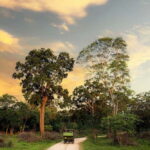
Jeep comfort and the convoy feel: small groups, big lineups
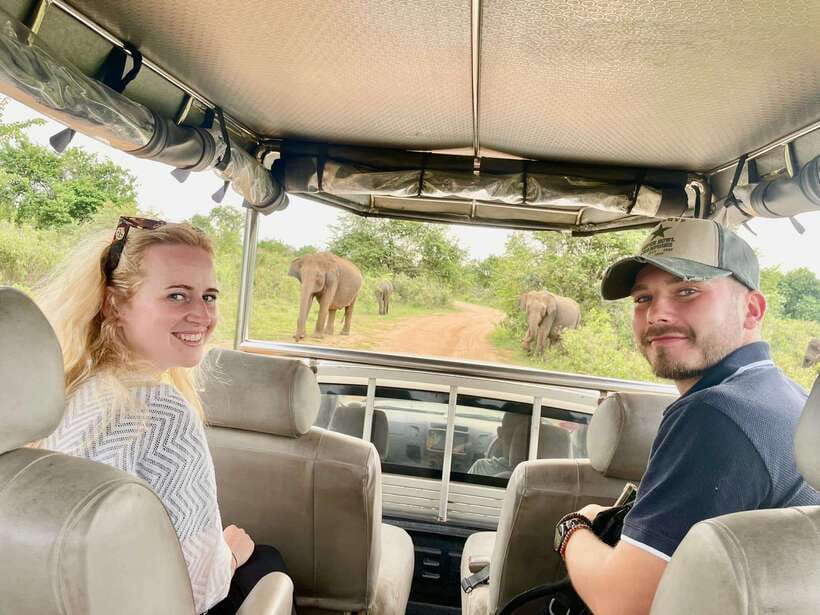
You ride in a 44 safari jeep designed for wildlife viewing, and the listing says max 6 passengers per jeep. That’s a big plus for comfort: fewer people means easier movement for photos, less blocking of sightlines, and generally a calmer vibe inside the vehicle.
But there’s another reality: safaris in popular national parks can turn into a shared rhythm. One review mentions driving in a long line of jeeps. Even if your jeep isn’t literally one big convoy of 50 everywhere, it’s possible you’ll experience the park as a coordinated, multi-jeep atmosphere—where many vehicles respond to the same sighting.
So how should you handle that as a visitor?
- Accept that some stops may be busy.
- Be patient at each pause; don’t expect a quick in-and-out photo.
- Focus on what you can control: your viewing readiness, your camera setup, and your willingness to wait.
Price and value: $50 plus the park ticket cost
The safari price is listed at $50 per person, with a duration that can range from 4 to 12 hours. National park entrance tickets are not included, and the listing estimates about $38 per adult.
So your real starting budget is more like:
- $50 safari + about $38 park entrance = roughly $88 per adult (before any extras)
That may sound steep until you compare what’s included: a guided wildlife outing with a naturalist/ranger, hotel pickup and drop-off, a 44 jeep, water bottles, and binoculars. Also, you’re in a national park where the entrance fee is part of the total cost of “being there,” not an add-on you can avoid.
Where the value gets better:
- If you’re serious about wildlife and you want a guide to help you spot and interpret.
- If your group is small enough to fit comfortably in a jeep (it lists max 6 per jeep).
- If you prefer comfort over DIY driving on rough tracks.
Where value can feel weak:
- If you’re expecting certain animals regardless of luck.
- If the day turns out to be more bird-focused than big mammal-focused.
- If you’re comparing this to a cheaper “drive only” option without guidance (you won’t get the same level of interpretation).
What to bring (and what rules keep the day smoother)
This safari stays straightforward. Bring:
- comfortable shoes
- comfortable clothes
You’re also told not to bring alcohol and drugs. That rule is common in wildlife settings, and it matters because it keeps the experience safe and focused.
You’ll get:
- water bottles
- binocular
If you’re a photographer, you might also want to dress for dust and sun, since safari jeeps move in open-air conditions and wildlife viewing often happens at times of day when light is strong. But the listing doesn’t mention camera gear, so treat that as general wildlife-safari common sense.
Who this Wilpattu safari suits best (and who should skip)
This trip is a good fit if you:
- want guided wildlife time in North Central Province near Wilpattu
- like early starts and scanning for movement
- enjoy learning how habitat and water attract animals
- want a comfortable 44 format without a long hike
It’s not suitable for:
- pregnant women
- people with back problems
That’s not picky—it’s about vehicle ride comfort and the nature of safari movement. If you fall into one of those categories, you should look for a gentler alternative.
Also, if your travel style is very rigid and you hate uncertainty, adjust your expectations. Wildlife viewing is not a controlled museum visit. Some days will be better than others.
Should you book the Wilpattu safari with Wanderluxe Ceylon?
If your goal is to spend real time in Wilpattu with a guide who can help you spot and interpret wildlife signs, I think this safari is worth considering. The combination of a naturalist/ranger approach, a small jeep group (max 6), and included binoculars and water makes it feel “built for wildlife viewing,” not just transport.
Book with your eyes open about sightings. The odds of seeing leopards, sloth bears, elephants, and other headline animals are never guaranteed, and at least one recent experience described a day with fewer big animals and many birds. If you’ll still enjoy the habitat and the process—even when the big cats don’t show—then you’ll likely get your money’s worth.
If you want the safest decision: send a message before booking and ask what their typical day aims to deliver for that season, and how they handle wildlife expectations when big animals don’t appear. Your budget should also include the park ticket cost (about $38 per adult) so you don’t get surprised at the end.
FAQ
How long is the Wilpattu National Park safari?
The experience is listed as 4 to 12 hours, with the Wilpattu National Park portion shown as about 4 hours for the itinerary segment.
Where do you get picked up?
The listed pickup location is Galkadawala, and hotel pickup and drop-off is included for the Wilpattu National Park area up to 10km. You should wait in the hotel lobby about 10 minutes before pickup.
Is a guide included, and what language do you get?
Yes. The tour includes a live guide, described as a professional naturalist or ranger, and the language provided is English.
What wildlife will I try to see?
The safari focuses on wildlife viewing, with aims that include leopards, sloth bears, and other animals such as Sri Lankan elephants, spotted deer, water buffalo, and various bird species.
What is included in the price, and what is not?
Included: guided naturalist/ranger experience, hotel pickup and drop-off, a 4*4 safari jeep (max 6 passengers per jeep), water bottles, and binocular. Not included: National Park entrance tickets (about $38 per adult).
Is alcohol allowed, and who is the safari not suitable for?
Alcohol and drugs are not allowed. It is not suitable for pregnant women or people with back problems.