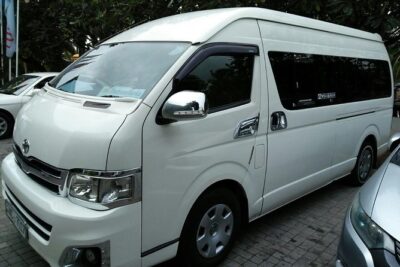
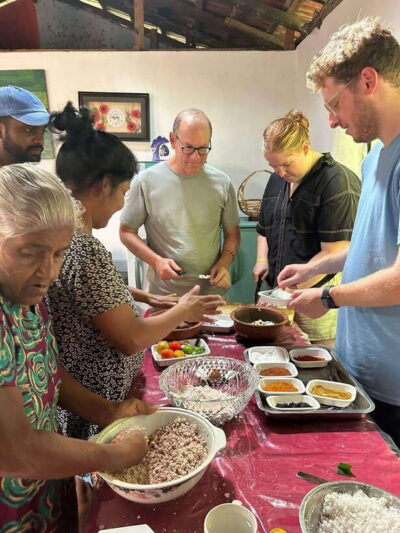
Leopards are the headline at Wilpattu. This morning or afternoon safari with Tiger Safaris takes you into dense scrublands, open grassy plains, and shimmering lakes, with a guide steering you through leopard territory and the park’s best-known areas like Kudiramale Point and Pomparippu.
I really like the logistics: complimentary pickup and drop-off and an English live guide mean you spend less time organizing, and more time looking out the window. You also ride in a spacious 4×4 safari jeep (with up to 6 passengers for small-group bookings), which helps you see and photograph comfortably—though there’s one big catch: the park entry ticket (about $37) and food/drinks are not included, so your total day cost can climb.
In This Review
- Key safari takeaways before you book
- Wilpattu National Park: the right setting for leopard-watching
- Morning vs afternoon safari: choosing the best time for you
- Pickup, 4×4 jeep comfort, and small-group control
- Inside the park: how the tour keeps you moving
- Kudiramale Point and Pomparippu: why these stops matter
- Villu areas: the water-and-edge hunting ground
- Wildlife targets: leopards, elephants, sloth bears, deer, and birds
- What the safari experience feels like in real life
- Photos and spotting: how to get better results without stress
- Price and value: the $30 base doesn’t include everything
- Logistics that affect comfort: timing, gear, and rules
- Who this Wilpattu safari suits best (and who should rethink it)
- Should you book this Wilpattu National Park safari?
- FAQ
- How long is the Wilpattu National Park morning or afternoon safari?
- What is included in the price?
- Are national park entry tickets included?
- Do I get pickup and drop-off?
- How many passengers are in the safari jeep?
- What animals are the safari trying to spot?
- Is this safari guided in English?
- What time should I arrive for pickup?
- What do I need to bring?
- Is alcohol allowed during the safari?
Key safari takeaways before you book
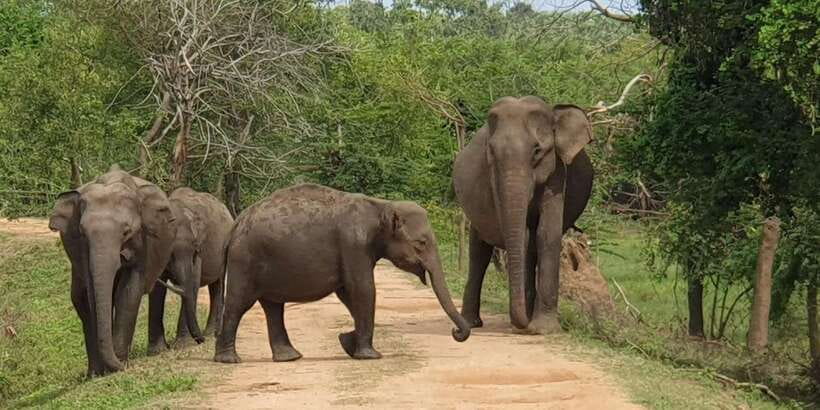
- Leopard-focused route that includes Kudiramale Point, Pomparippu, and villu areas
- 4×4 comfort with a maximum of 6 passengers for small-group bookings
- English live guidance on the park’s flora and fauna, not just driving around
- Morning or afternoon timing with sunrise/sunset opportunities built into the experience
- Plan for extra costs: park entry is about $37, plus you’ll need to bring your own food/drinks
- Ask about the convoy feel since some safaris can become noisy with lots of vehicles—noise can make spotting harder
Wilpattu National Park: the right setting for leopard-watching
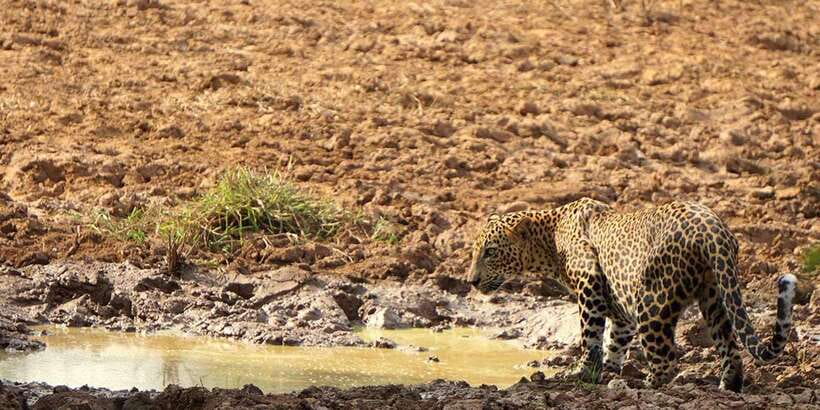
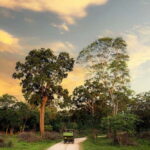
Wilpattu is in Sri Lanka’s North Central Province and is one of the country’s larger, older national parks. What makes it practical for safari lovers is the variety of terrain you drive through—dense scrublands, open grassy plains, and water features (including lakes and villu areas). That mix matters because it gives your guide more options for where to look.
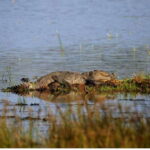
The promise here is clear: this outing is built around seeing big wildlife, especially leopards, along with elephants, spotted deer, sloth bears, and a range of birds. Even if you come away with mostly smaller sightings, you’re still in a true wildlife setting, not a zoo-like drive.
You can also read our reviews of more tours and experiences in North Central Province.
Morning vs afternoon safari: choosing the best time for you
The tour runs as a morning or afternoon safari, and the timing shows up in the experience. In the morning option, you’ll be out during sunrise hours; in the afternoon option, you’ll have the chance for sunset-style viewing and photo moments.
How to choose? If you want the day to feel more efficient and you prefer early starts, go morning. If you’d rather avoid waking up too early and prefer a slower pace, the afternoon option is the easy fit. Either way, the park time is the heart of the trip, and that’s where the guide focuses your route.
Pickup, 4×4 jeep comfort, and small-group control
This safari is designed to be “show up and go.” You wait in the hotel lobby about 10 minutes before pickup, and the tour includes complimentary pickup and drop-off from locations around the Wilpattu area (and it can connect to multiple drop-off points afterward).
The vehicle choice is a big part of the value. You travel in a spacious 4×4 safari jeep, and for bookings where you’re in a group of 6, you can enjoy a private-style setup with a maximum of 6 passengers. That small cap matters more than it sounds. In a cramped jeep, your view gets blocked and photography becomes frustration math. With more room and fewer bodies, you can actually track movement and keep shooting without constantly repositioning.
One thing to keep in mind: safaris are bumpy by nature. This tour also notes it isn’t suitable for people with back problems, and pregnant women are not recommended—so choose based on how your body handles rough terrain.
Inside the park: how the tour keeps you moving
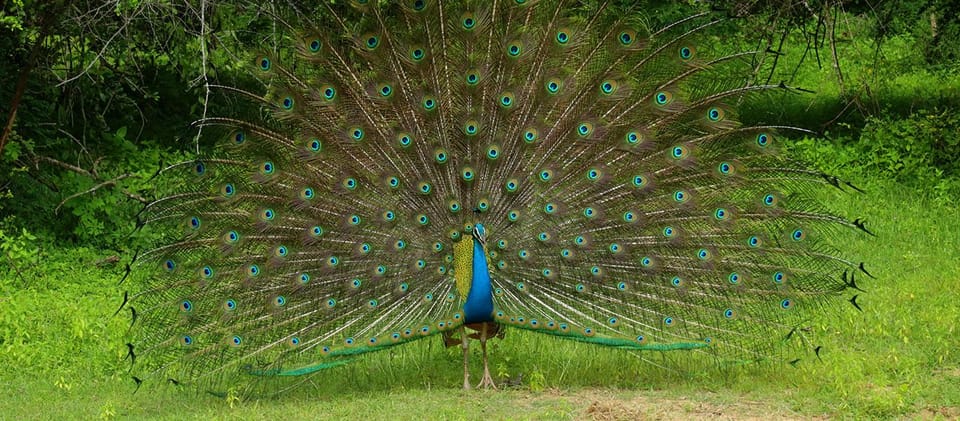
Your time begins with arrival at Wilpattu National Park. From there, the experience is set up as a guided safari with photo stops, sightseeing along the way, and active searching for wildlife.
What I like about this format is that it doesn’t treat the park like a single sightseeing pull-off. It’s more like a guided route with different types of terrain, plus named areas where the guide tries to maximize sightings. The guide’s role is also spelled out: they share insights into the park’s flora and fauna, so you’re not just driving and hoping.
A practical note: the safari duration can run from 4 to 10 hours depending on the option and schedule availability. Longer days can be great for wildlife, but they can also feel like a grind if you hate delays or you’re hungry. If you’re sensitive to time stretching, check your scheduled start and plan your day around it.
Kudiramale Point and Pomparippu: why these stops matter
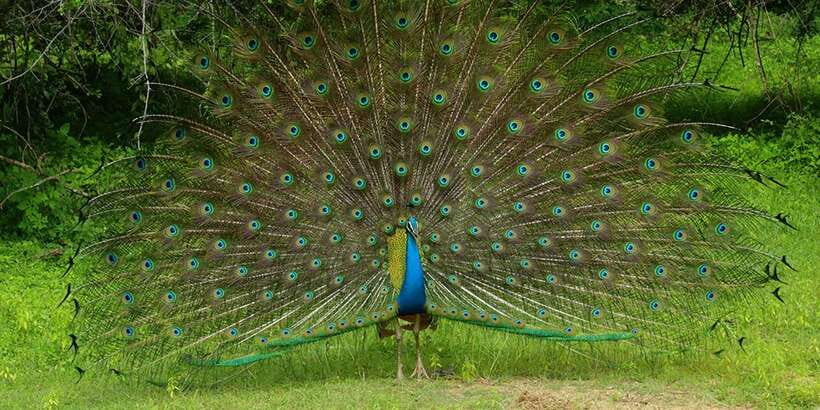
The route includes key areas in the park, including Kudiramale Point and Pomparippu, plus the villu regions. Even if you don’t know the exact geography, these names are useful because they signal that the safari is following known wildlife-hunting zones rather than random driving.
Here’s how you can think about it while you’re on the ground:
- Kudiramale Point is one of those areas safari operators repeatedly circle because it’s positioned where wildlife movement and sightings can happen.
- Pomparippu is treated as another prime zone, which means you should expect the guide to slow down and scan more often there.
- Villu areas are linked with the park’s water-and-edge habitat, which can be important for animals that need reliable water sources.
You’ll likely do some photo stops during the drive, so keep your camera ready but also be ready to listen. Good sightings often happen in seconds, and a guide who’s tracking animal signs can help you react fast.
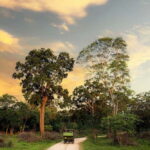
Villu areas: the water-and-edge hunting ground

The safari specifically calls out villu areas, which are water-influenced zones that create natural edges between habitat types. Those edges can be useful for spotting because animals often move along them, and birds often use them for feeding and perching.
Even without overpromising specific animals, this is still a smart inclusion. When a tour builds in varied habitat—scrub, plains, water edges—it gives the guide more tools. That’s exactly what you want if your goal is wildlife variety: leopards, elephants, deer, and birds can all show up in different ways depending on where the guide places you.
Wildlife targets: leopards, elephants, sloth bears, deer, and birds
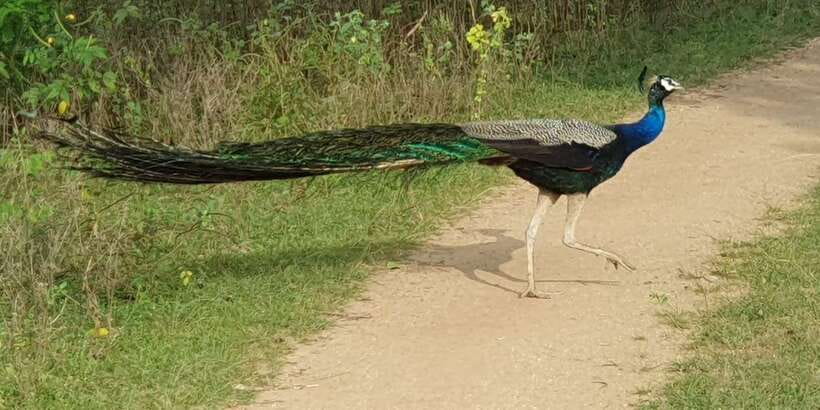
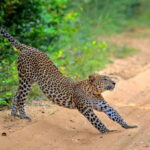
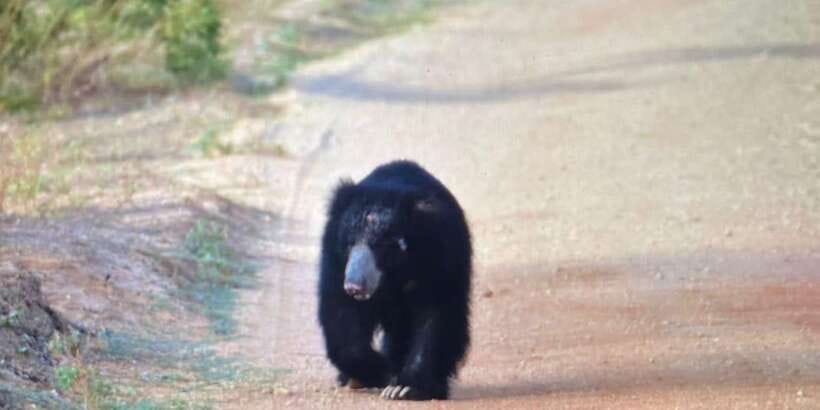
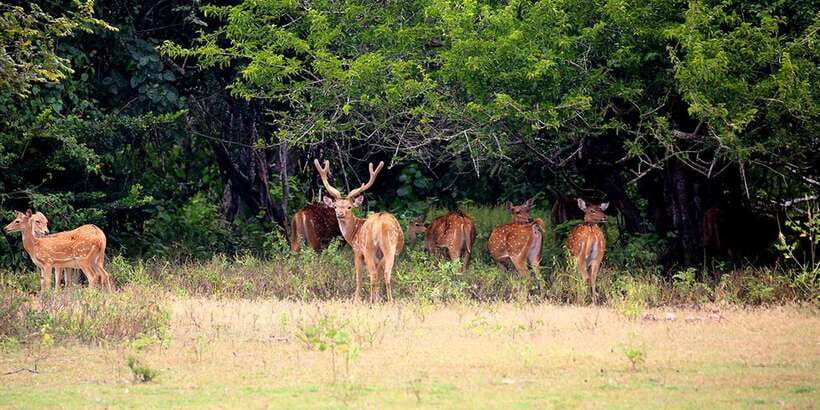
This safari’s headline species is leopards. Wilpattu is described as a strong location for leopard sightings, and that focus is part of the tour’s identity. You’ll also be on the lookout for elephants and sloth bears, plus spotted deer and various bird species.
How to set expectations? Wildlife safaris don’t guarantee specific sightings, even with the best plan. What you can control is your setup and your patience. The tour’s structure—guided route, photo stops, and repeated attention to key areas—gives you a better shot than a simple drive.
Also: the guide’s insights into flora and fauna can make smaller sightings feel less random. A monitor lizard, a flock of birds, or a deer feeding at the edge of scrub can turn into a story once you understand what you’re seeing and why it’s there.
What the safari experience feels like in real life
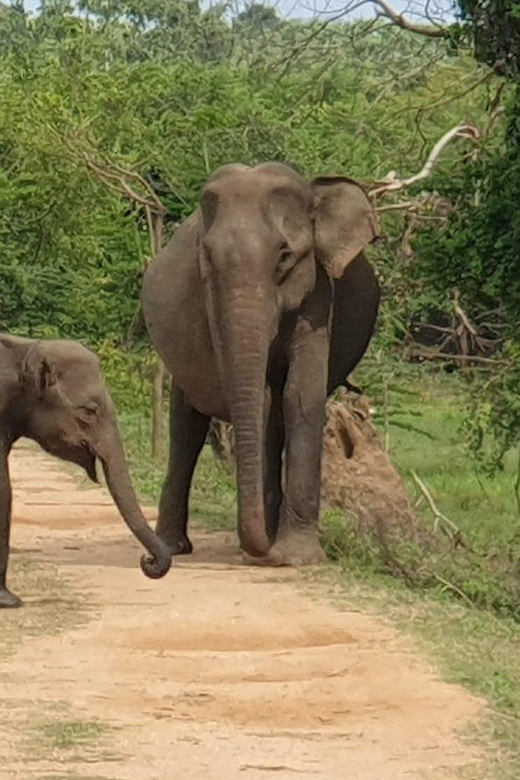
There’s an “ideal” safari and a “group” safari. The ideal version is quiet enough that you can hear movement, and small enough that people aren’t crowding the front of the jeep. The group version can be noisier and more chaotic if there are many vehicles in convoy.
The tour’s small-group option (up to 6 passengers for small bookings) is one way to protect your viewing quality. Still, it’s wise to be aware of convoy dynamics on safari days. If multiple jeeps cluster around the same sighting, the result can be loud and distracting. When sound and jostling rise, it’s harder to spot motion in vegetation and easier to miss the moment a large animal steps into view.
So here’s a practical move: when you’re booking (or right at pickup), ask how the day is managed—private setup versus joining a busy convoy. You’re not trying to control nature. You’re trying to control how much chaos the day adds on top.
Photos and spotting: how to get better results without stress
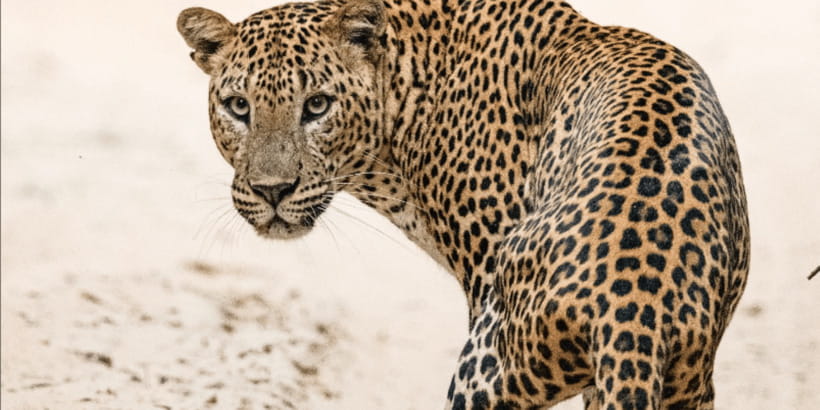
You’ll have opportunities for photo stops during the safari, and the pacing includes guided searching rather than constant speeding. That’s helpful because wildlife photography is about waiting as much as it is about shooting.
To make your photos better on safari days, I’d do three simple things:
- Keep your camera accessible so you don’t waste time when the guide signals.
- Stay calm when a stop lasts a few minutes—wildlife isn’t on a schedule.
- Accept that “good” sightings can be brief, even if the whole day feels slow.
If your goal is leopards or sloth bears, remember that these are not quick-drive guarantee species. The tour’s value is in how it uses time: guided scanning, repeated attention to named zones, and a focus on multiple habitat types.
Price and value: the $30 base doesn’t include everything
The listed price is $30 per person, and the tour duration can run 4 to 10 hours. That’s a reasonable entry fee for what you get: pickup and drop-off from the Wilpattu area, an experienced guide/driver, and a 4×4 safari jeep.
But you should plan for the extras:
- National park entry tickets are not included and are about $37.
- Food and drinks are not included.
So your real budgeting mindset should be total day cost, not just the starting price. If you’re hungry or thirsty and nothing is offered during the day, it turns into discomfort fast. One straightforward fix is to bring your own water and snacks so you don’t lose energy while waiting for sightings.
Also consider time. When the day runs longer than you expected, you’re paying for a longer ride, not just a wildlife walk. In that case, the guide’s route and vehicle comfort matter even more. That’s where the small-group jeep and guided route can protect your value.
Logistics that affect comfort: timing, gear, and rules
This safari has a few practical rules and requirements:
- Bring passport or an ID card.
- Alcohol and drugs are not allowed.
- It’s live-guided in English.
- Meeting point is your hotel lobby, and you should be there about 10 minutes early.
Since this is a jeep safari, I’d treat it like you’re going on a day out in rough terrain. You’ll want comfortable clothes for sitting and uneven ground. The tour also explicitly notes it’s not suitable for back problems, which is a strong hint that the ride can be bumpy.
Who this Wilpattu safari suits best (and who should rethink it)
This is a strong fit if:
- Your main goal is leopard country with a guide who’s focused on wildlife.
- You want an included pickup/drop-off setup so the park day feels simple.
- You value vehicle comfort and prefer fewer passengers in the jeep (up to 6 for small-group bookings).
You might rethink it if:
- You want a guaranteed lineup of elephants, leopards, and sloth bears with no chance of mostly smaller wildlife. Safaris are uncertain by nature.
- You dislike long days or schedule creep. The duration can stretch.
- You need food and drink provided. This tour does not include either.
Should you book this Wilpattu National Park safari?
I’d book it if you’re coming for a guided, leopard-focused day in Wilpattu and you want comfort plus convenience. The combination of 4×4 jeep, named wildlife zones like Kudiramale Point and Pomparippu, and an English guide makes the experience feel organized rather than random.
I’d hold back if your budget is tight and you hate surprises, because park entry (about $37) and food/drinks are extra. I’d also be cautious if you strongly dislike convoy-style safari days—ask about how your jeep will be managed during sightings.
If you do book, make it smoother with two moves: bring water/snacks, and ask (early) whether your setup stays small and controlled. Then you can focus on the real job—staring into scrubland like it owes you a leopard.
FAQ
How long is the Wilpattu National Park morning or afternoon safari?
The duration is listed as 4 to 10 hours, depending on the selected option and start time availability.
What is included in the price?
Included are complimentary pickup and drop-off in the Wilpattu area, an experienced guide/driver, and a luxury 4×4 safari jeep. The tour is live guided in English.
Are national park entry tickets included?
No. National park entry tickets are not included and are about $37.
Do I get pickup and drop-off?
Yes. Complimentary pickup and drop-off are included for the Wilpattu area, and there are multiple drop-off locations after the safari.
How many passengers are in the safari jeep?
The jeep is described as accommodating a maximum of 6 passengers for bookings of 6 passengers or more, with a private-tour feel for that setup.
What animals are the safari trying to spot?
The safari aims for leopards and also looks for elephants, sloth bears, deer, and various birds.
Is this safari guided in English?
Yes. The live tour guide language is English.
What time should I arrive for pickup?
You should wait in your hotel lobby about 10 minutes before your scheduled pickup time.
What do I need to bring?
Bring a passport or ID card.
Is alcohol allowed during the safari?
No. Alcohol and drugs are not allowed.