In Kotapola near Galle, you learn Sri Lankan cooking the way locals actually do it, in a home kitchen. I love how the session mixes practical cooking help with stories behind the flavors, so you’re not just copying recipes—you’re understanding them. You also get hands-on work with spice mixes, which makes the food taste like you built it yourself, even when the chef is driving.
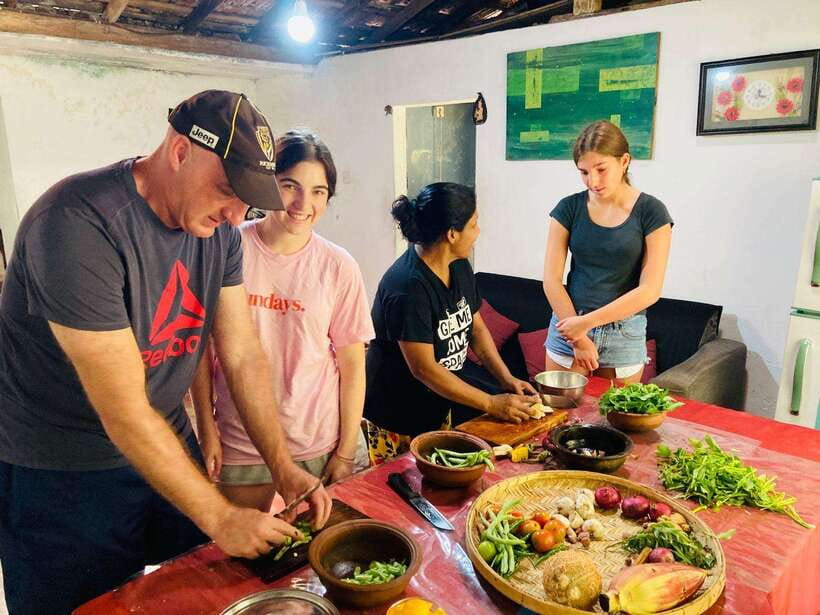
One thing to note: this is not a slow, step-by-step cooking marathon where you do everything alone. You’ll assist with cutting, adding spices, and helping along the way, but the main cooking is led by the chef and often happens faster than you might expect.
In This Review
- Key Points to Know Before You Go
- Why a Galle Cooking Class in a Home Kitchen Feels Different
- The 3-Hour Flow: How the Session Usually Unfolds
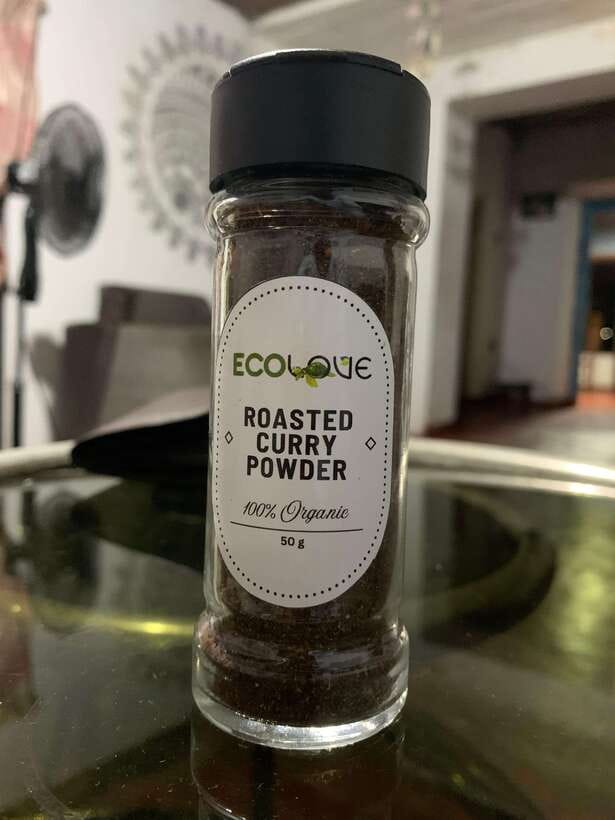
- What You’ll Learn: Sri Lankan Flavor Through Spice Mixes
- Hands-On Cooking vs. Chef-Led Guidance: Set Your Expectations
- Vegan Options and Dietary Notes: How to Get the Right Menu
- The Meal and Desserts: What You Eat Matters Here
- Price and Value: Is $40 Worth It?
- Getting to Kotapola: Meeting Point and Timing
- Who This Class Suits Best (and Who Should Skip It)
- Should You Book This Galle Cooking Class?
- FAQ
- What is the location of this cooking class?
- How long is the cooking class?
- What does the price include?
- Is hotel pickup or drop-off included?
- What language is the instructor?
- Do I need to tell them about dietary restrictions?
Key Points to Know Before You Go
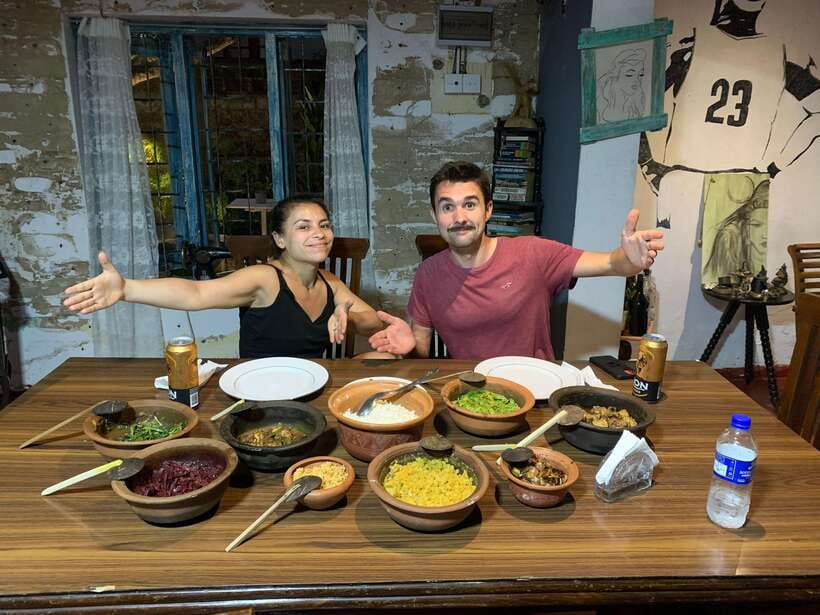
- Home-kitchen setting in Kotapola: you’re cooking in a family space, not a showroom studio
- English-speaking instruction: guidance is clear, with passionate explanations as you cook
- Spice-mix practice: you learn how Sri Lankan flavors come together, not just what to add
- Vegan possible with a request: you can request vegan dishes for your menu
- Meal + desserts included: you eat the results, plus sweet finishes
- Hands-on, but chef-led: expect to assist, not fully run the whole process solo
Why a Galle Cooking Class in a Home Kitchen Feels Different
A cooking class can be two things: a fun meal and a memory. This one is both, mostly because it happens in a real household kitchen in Kotapola, just outside Galle. The pace, the smells, and the way questions get answered all feel personal, not staged.
You’ll be working with a local culinary expert, and the teaching style is practical. In past sessions, hosts like Malik, his mother, and Chef Manogi have led guests through recipes with warmth and real confidence. In other words, you’re getting instruction from people who genuinely cook these dishes at home.
You can also read our reviews of more tours and experiences in Galle.


The 3-Hour Flow: How the Session Usually Unfolds
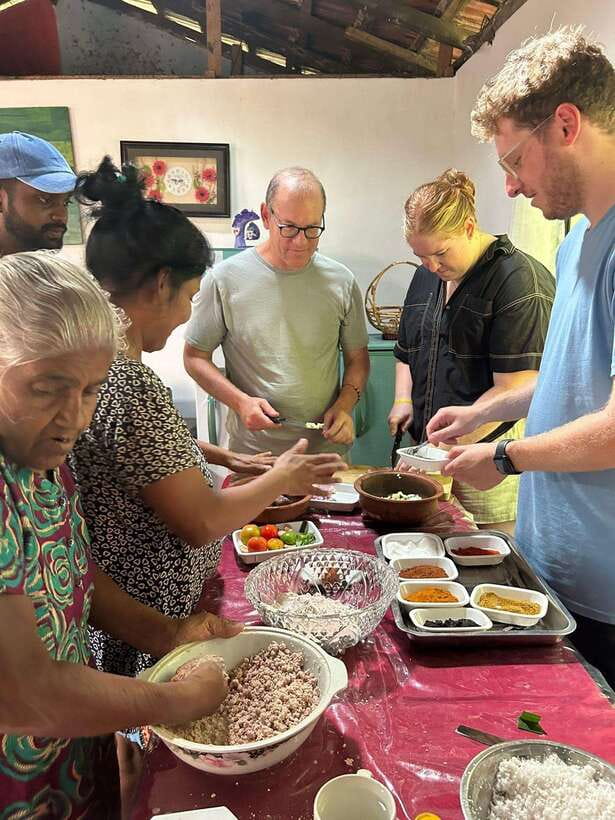
The class runs for about 3 hours, and the structure stays focused. You start with a welcome drink, then move into cooking with ingredient prep and spice work, and you finish with the meal you made plus desserts.
Here’s the typical rhythm you can plan for:
- You arrive and get settled in the kitchen, usually with a chilled welcome drink (many people report watermelon juice).
- You get guided help as ingredients are prepared, spices are discussed, and recipes come together.
- You eat a full meal (lunch or dinner) made from what you cooked.
- Dessert comes at the end, with some sessions also including a sweet touch like buffalo curd with treacle.
The session is designed so you leave fed, not just informed. That matters in a short, efficient 3-hour window.
What You’ll Learn: Sri Lankan Flavor Through Spice Mixes
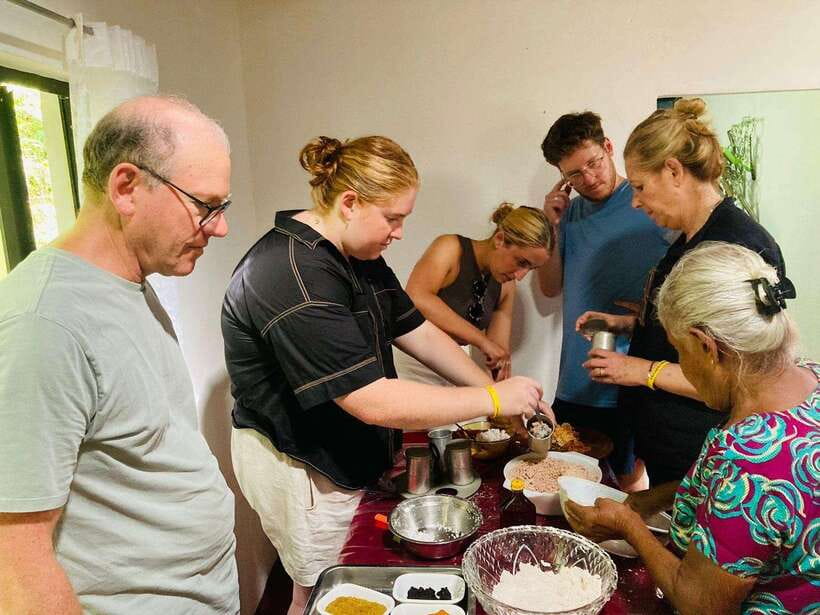
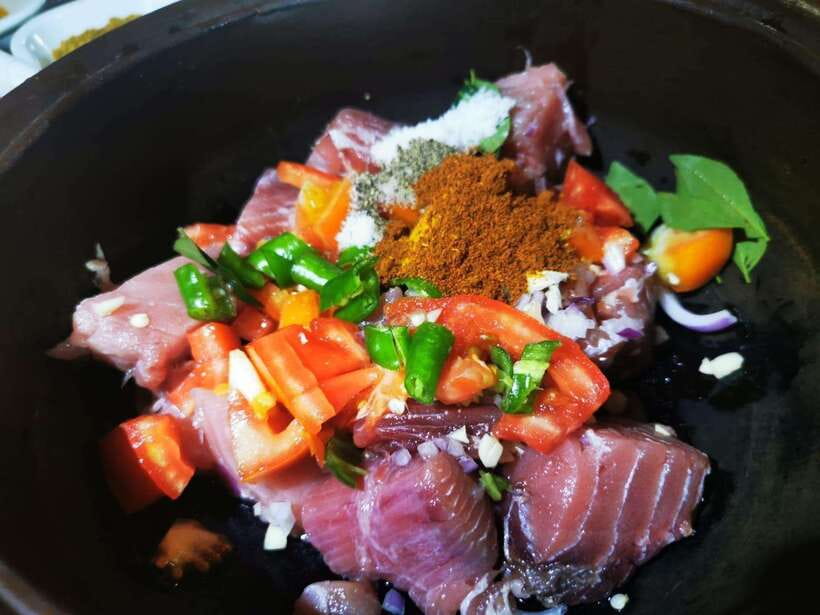
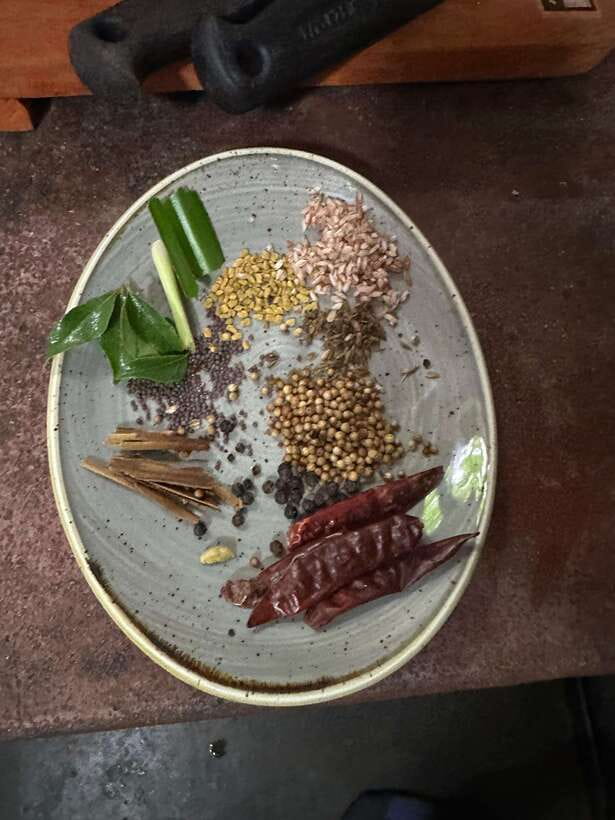
The standout skill here is how Sri Lankan cooking builds flavor through spices. Instead of treating spices like seasoning sprinkled at the end, you learn how blends are made and why certain ingredients belong together.
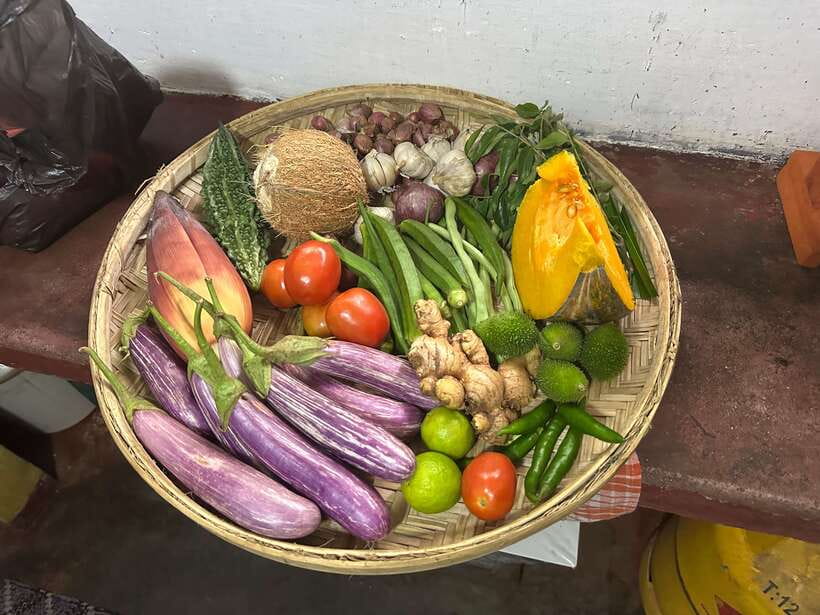
You’ll also hear explanations tied to what you’re working with. That could include how ingredients are chosen, how different spices affect taste, and what gives each dish its character. The result is that when you taste something later, you’re more likely to recognize the flavor logic behind it.
And yes, you’ll taste a lot of what you make. Many people come specifically for the teaching and the eating, and this class delivers on both.
Hands-On Cooking vs. Chef-Led Guidance: Set Your Expectations
This is where it pays to be honest with yourself before you book. If you want to do everything step by step for hours, this may feel too fast.
In actual practice, the chef drives much of the cooking. You still do real help—cutting, assisting, adding spices, and jumping in where you can—but the main cooking work isn’t a slow, patient demo where you take over every step alone. It’s more like working alongside someone who cooks for a family every day.
That setup is great if you want results quickly and you’d rather learn by participating than by repeating the same motion for an entire afternoon. It’s less ideal if your goal is total independence in the kitchen.
Vegan Options and Dietary Notes: How to Get the Right Menu
If you eat a specific way, tell the provider in advance. The class asks you to notify them about dietary restrictions or allergies, and that’s important for both safety and taste.
You can also request vegan dishes. In one session, guests cooked multiple vegan dishes after making that request. Even if you’re not vegan, this flexibility is a good sign: the kitchen can adapt recipes rather than forcing you into a basic substitute.
If you have allergies, don’t wait until the last minute. Send details ahead of time so you’re not dealing with last-minute changes while you’re standing in someone’s home kitchen.





The Meal and Desserts: What You Eat Matters Here
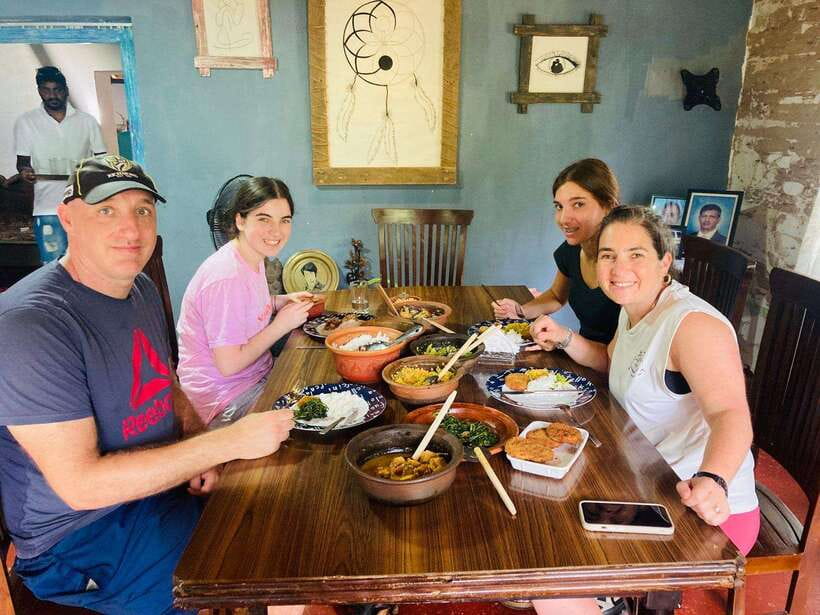
A lot of classes include a small tasting. This one usually turns into a proper meal: lunch or dinner, followed by desserts. That’s a big part of the value because you’re not paying mainly for information—you’re paying for food you actually eat.
Expect a full plate of Sri Lankan cooking you made with guidance. People also highlight extras like buffalo curd with treacle as a sweet treat, which goes beyond the standard cake-and-tea finish you might expect elsewhere.
One practical tip: don’t eat a heavy meal right before. Some people even recommend skipping breakfast or lunch beforehand so you can enjoy the food without feeling stuffed. You’ll burn a bit of appetite cooking, and the portions you’ll sit down to eat are the point.
Price and Value: Is $40 Worth It?
At $40 per person for about 3 hours, this class is priced like a mid-range activity—but it’s not just a show. You’re getting ingredients and equipment, a welcome drink, a full lunch or dinner with what you cooked, and dessert.
It also runs as a private group, which affects the value. You’re not blending into a crowd where questions get lost. Instead, you’re more likely to get direct attention, especially with spice work and recipe explanations.
And there’s another quiet value point: you’re eating in the same environment where it’s made. That home-kitchen setting can feel more personal and memorable than a restaurant-style cooking demo.
Getting to Kotapola: Meeting Point and Timing
No hotel pickup is included, so plan to reach the meeting point on your own. If you’re using a map, it’s easier that way. If you get stuck, there’s an English-speaking local contact who can help give directions over the phone.
Arrive about 15 minutes early. That gives you time to find the place, settle in, and start with the welcome drink without rushing.
Comfort matters here. Wear comfortable clothing and shoes you can move around in, because you’ll likely be standing and helping with prep. In a home kitchen, that’s not the moment to wear brand-new shoes.
Who This Class Suits Best (and Who Should Skip It)
This is a great match if:
- you want hands-on cooking with real guidance and strong food results
- you like learning how spice blends work, not just following instructions
- you’re traveling with a partner or small group and want a more personal experience
- you can handle that the chef leads most of the cooking while you assist
You might want a different style class if:
- you specifically want to cook completely independently, slow step by step
- you’re very short on time and can’t manage a 3-hour commitment away from your usual plans
- you’re looking for a restaurant cooking show with formal structure and no home-kitchen pace
Should You Book This Galle Cooking Class?
Yes, book it if your ideal day includes good food, practical instruction, and the kind of local hospitality that makes you feel at ease in someone’s kitchen. The best reason to go is the mix of spice learning plus a proper meal and desserts—especially if you’ll follow the simple advice to not arrive starving or overfed.
Skip it only if you’re expecting a slow, solo cooking workshop where you do every step yourself. For everyone else, this is the kind of activity that gives you something better than a souvenir: a set of flavors you’ll recognize later when you cook or order Sri Lankan food again.
FAQ
What is the location of this cooking class?
It takes place in Kotapola, Sri Lanka, near Galle.
How long is the cooking class?
The duration is 3 hours.
What does the price include?
The package includes a local culinary expert, cooking ingredients and equipment, a welcome drink, lunch or dinner with the prepared meal, and desserts.
Is hotel pickup or drop-off included?
No. Hotel pickup and drop-off are not included.
What language is the instructor?
The instructor is English.
Do I need to tell them about dietary restrictions?
Yes. You should notify them in advance if you have dietary restrictions or allergies. Vegan dishes can be requested.