Four hours in Wilpattu can change your whole day. This private 4×4 safari turns the park’s big-name wildlife into a focused, road-tested outing, with photo opportunities and an English-speaking guide to help you read the signs in the bush. I like the park’s villus lake system, because it gives your drive a real rhythm: stop, scan, listen, and keep your camera ready.
What I also like: the included pickup and drop-off from the Wilpattu main entrance area, plus a live English guide and an English audio guide, so you’re not guessing what you’re looking at. One consideration, though: if your guide sticks to a repetitive route or doesn’t share much energy, you can end up with fewer sightings and a long stretch of off-road time without much payoff.
In This Review
- Key things to know before you go
- Wilpattu’s secret weapon: the villus lakes
- What you’ll do in those 4 hours (and why the timing matters)
- The money math: $32 sounds low, but tickets are extra
- Hunuwilagama entrance: start strong, ask good questions
- Kudiramale Point: a photo stop with real safari logic
- Pomparippu and the Villu areas: where animal odds go up
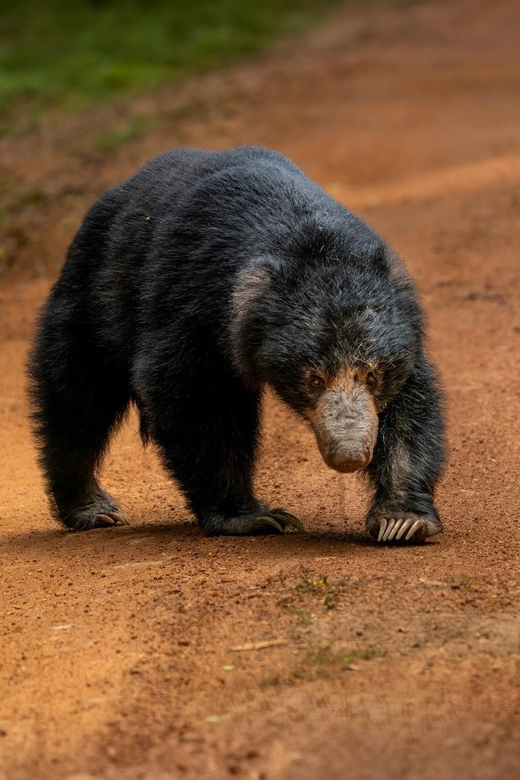
- The wildlife wish list: leopards and sloth bears, realistically
- The guide and jeep: comfort and spotting skills both matter
- Private does not mean risk-free: make it worth your 4 hours
- Morning vs afternoon: choose based on your style
- Who should book this safari (and who should skip)
- Should you book Tiger Safaris private Wilpattu?
- FAQ
- Where is the meeting point?
- How long is the safari?
- What’s included in the price?
- Are park entry tickets included?
- Do you have an English guide?
- What do I need to bring, and what’s not allowed?
Key things to know before you go
- Private 4×4 jeep time means you can spend the full drive hunting sightings instead of waiting around.
- Villus lakes (the park’s waterholes) are a key place to spot wildlife activity and birds.
- Kudiramale Point, Pomparippu, and Villu areas are built into the drive for variety in scenery and animal chances.
- Photo-friendly safari style so you can document what you see from the jeep.
- 4-hour duration keeps it brisk, which is great for energy, but wildlife results aren’t guaranteed.
Wilpattu’s secret weapon: the villus lakes
Wilpattu is one of Sri Lanka’s best-known safari parks for a reason: it has a network of natural lakes called villus. In practice, that matters because animals use water, and birds move fast when the light is right. You’re not just driving through forest and hoping for luck. You’re working a landscape where water points can guide your search.
If you’re the type who likes a plan but still wants nature to do its own thing, this kind of routing helps. You get repeated chances to spot different species: bigger mammals at water and smaller wildlife and birds drifting through the edges. And yes, patience counts here. Even when the day is quiet, villus areas still give you plenty to watch—especially bird activity.
You can also read our reviews of more tours and experiences in North Central Province.
What you’ll do in those 4 hours (and why the timing matters)
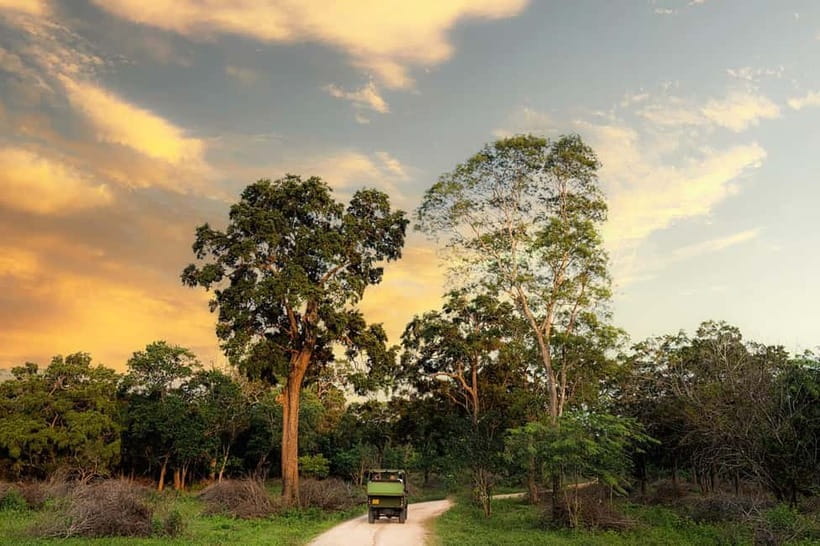
This safari runs for 4 hours, starting at Wilpattu National Park’s main entrance in Hunuwilagama. That’s a sweet spot for people who want a real safari session but don’t want half a day disappear into logistics.
Your drive includes:
- Photo stops and sightseeing time as you move through the park
- A guided safari component, with the guide helping you notice wildlife and track movement
- A mix of viewpoints and off-road sections, which is where you often get the best animal angles
The schedule also mentions sunrise/sunset depending on when you go. Morning trips typically focus on the early, calmer feeling of the day. Afternoon trips shift the light and the animal mood. You’ll still be scanning the same kinds of spots, but the timing changes what’s active.
The money math: $32 sounds low, but tickets are extra
The price is $32 per person for a private morning or afternoon safari. That’s not the full cost of your day in the park, though, because national park entry tickets are not included (about $37). Food and drinks aren’t included either.
So the realistic baseline is closer to:
- $32 safari cost
- + about $37 for park entry
= roughly $69 per person before you eat or buy water
Here’s why I still think the value can work. You’re paying for a 4×4 jeep with pickup/drop-off and guide support for a full wildlife-focused outing. In safari country, the transport and guiding are often the expensive part—especially if you want it private and in English.
Where the deal can feel less great is if you end up with a low-sighting day and your guide doesn’t actively help you spot things. Then you’re basically paying for motion and time. That’s not anyone’s fault in wildlife terms, but it’s a reason to be a smart shopper.
Hunuwilagama entrance: start strong, ask good questions
You meet at the Wilpattu National Park main entrance in Hunuwilagama. Starting from the main entrance is convenient because it’s a clear launch point, and your pickup and drop-off are tied to it.
Once you’re in the jeep, use the first minutes to set expectations with the guide. Ask what they’re aiming to find today—leopards, sloth bears, elephants, and the bird list are all part of the promise—but also ask them what they’ve been seeing around the villus areas that morning or afternoon.
That simple conversation can pay off. The more a guide actively scans and explains what to look for (tracks, movement, call patterns), the more likely you are to find wildlife even when it stays out of sight.
Kudiramale Point: a photo stop with real safari logic
Your route includes Kudiramale Point. The big value of a spot like this is that it gives you a structured pause: you stop long enough to take in sight lines and watch for movement.
Even without a guaranteed animal, viewpoint-style stops help you work the park. You’re not driving nonstop; you’re letting the guide’s observations and your own scanning line up. For photographers, these stops matter too because you get stable moments to frame an animal if it appears.
The one downside to any photo stop is simple: if the animal activity doesn’t line up with your timing, you may leave the stop seeing more scenery than wildlife. That’s the trade of safari life.
Pomparippu and the Villu areas: where animal odds go up
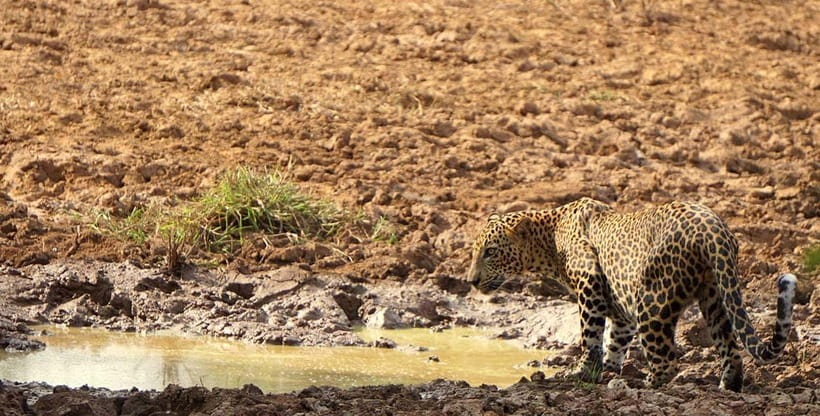
Your safari also heads to Pomparippu and the Villu areas, which is where the tour leans into what makes Wilpattu different. Since villus are water sources, the park’s wildlife patterns often tighten around them.
This is where you might see:
- Elephants moving through or visiting water
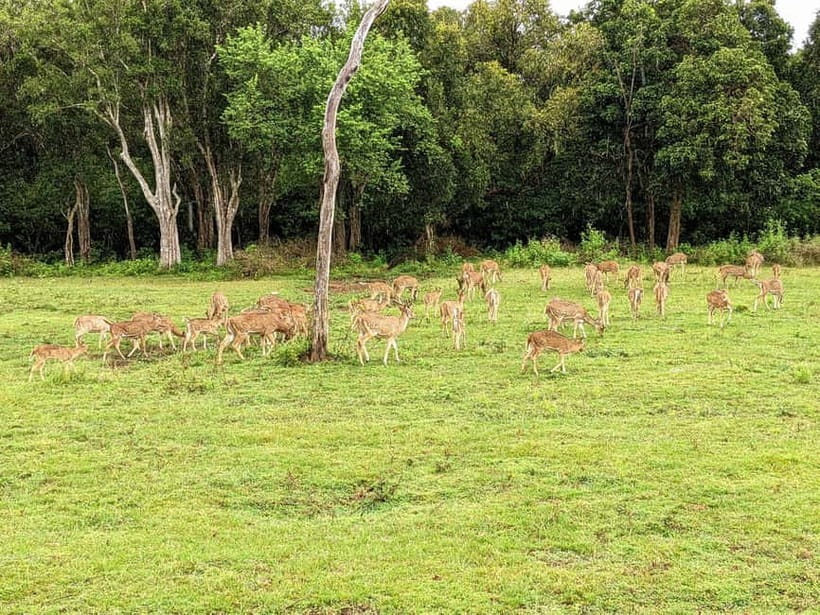
- Deer species such as spotted deer and barking deer
- Wild boar foraging in the edges
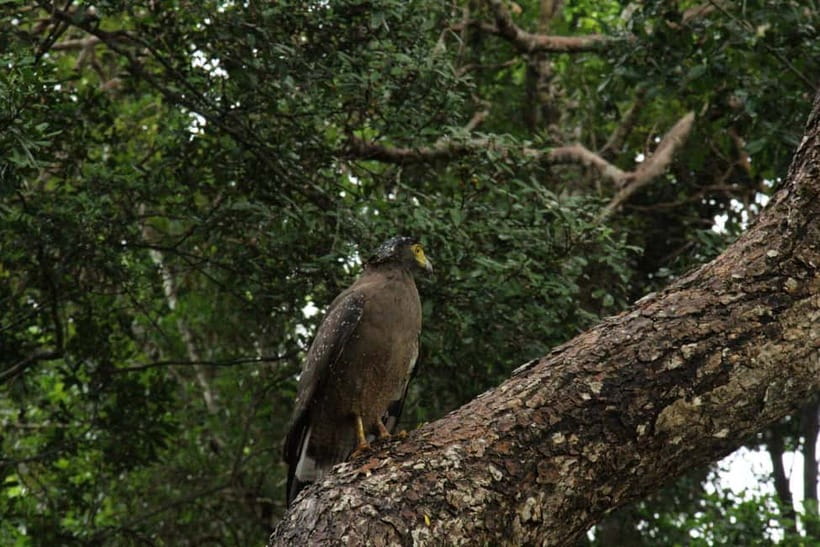
- Birds like peacocks, eagles, and the endemic jungle fowl
Bird life is especially important here. Even when larger animals are quiet, birds keep moving, and that motion helps you stay engaged. I like safari days where the birding is strong, because it means the day stays interesting even if the elusive big cats are having an off moment.
One more practical point: being able to take pictures from the jeep is mentioned as part of the experience. Still, remember that safari photo limits are real—sun glare, distance, and quick animal movement. Come prepared for a mix of sharp wins and distant silhouettes.
The wildlife wish list: leopards and sloth bears, realistically
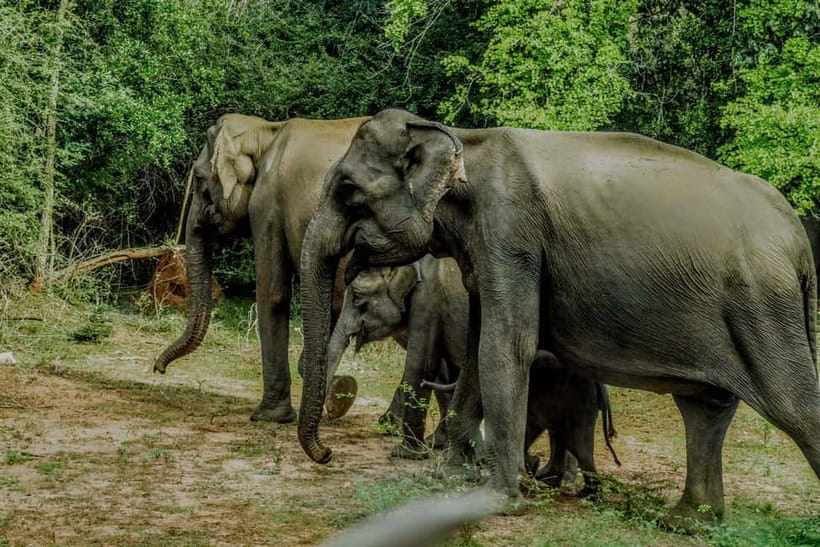
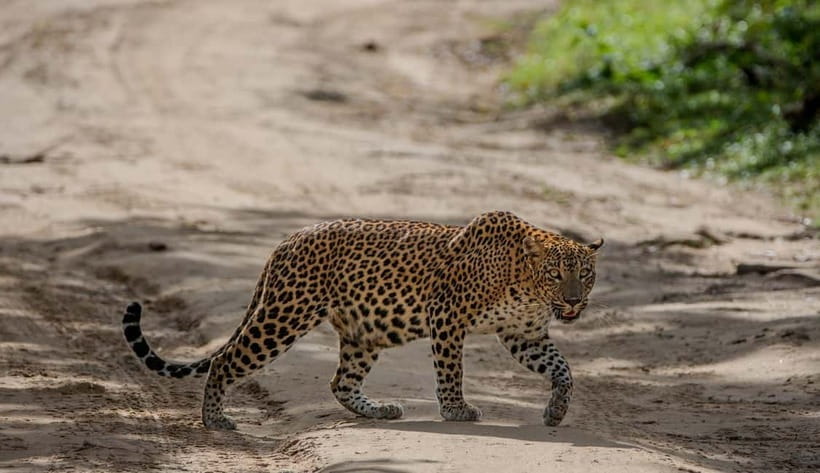
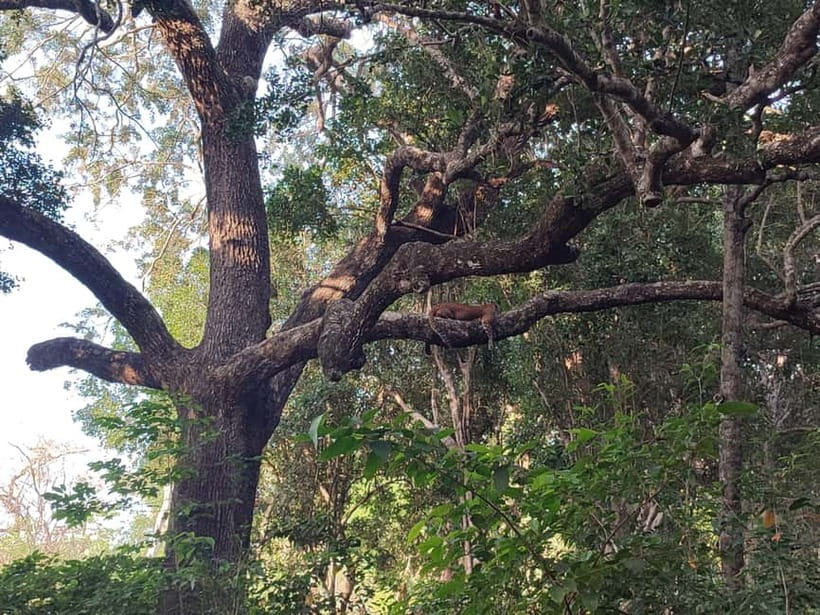
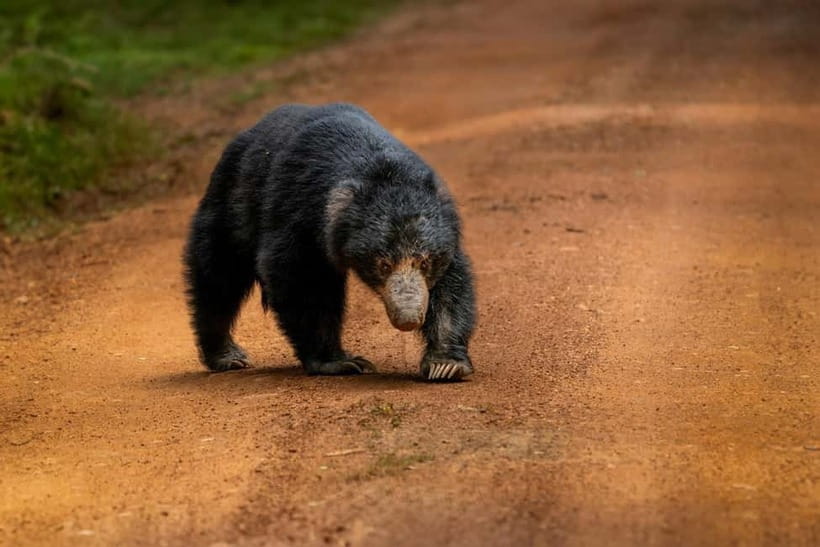
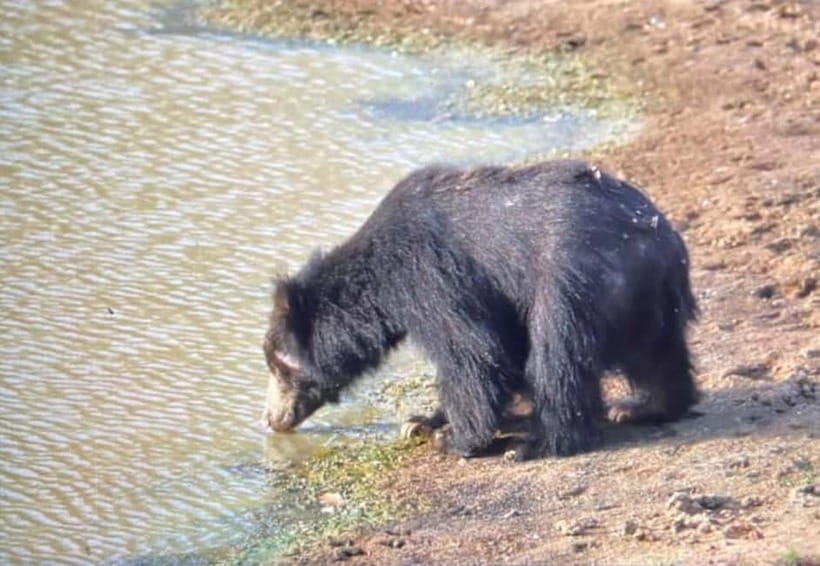
Wilpattu is known for elusive leopards and the chance of sloth bears. It also has elephants and lots of deer and bird species. That’s the promise.
But here’s the reality check you should plan for: leopards and sloth bears are not “sit and watch” animals on demand. Even with a good guide and the right jeep positioning, you can’t force them into view.
So how do you keep your expectations healthy? Focus on what you can control:
- Your time window (you’ve got 4 hours, which is solid)
- Your attention level (scan edges, listen for calls)
- Your willingness to accept partial wins (tracks, movement, birds, smaller mammals)
On a good day, you’ll get the big-name surprises. On a quiet day, you can still leave with a real sense of the park because of the villus activity and bird sightings.
The guide and jeep: comfort and spotting skills both matter
This safari uses a luxury 44 safari jeep, with an experienced driver and guide. It’s meant to be spacious and comfortable enough for off-road travel.
That said, comfort is personal. One common safari issue is that suspension and seating can vary by vehicle. If you’re sensitive to bumps, you may want to dress for it: sturdy shoes and layers, plus anything that helps you tolerate a rough patch.
On the spotting side, the difference between a good day and a forgettable one often comes down to how actively the guide searches. When the guide is scanning and calling out what might be nearby, you feel the safari shift from driving to hunting.
And the best guide behavior isn’t only saying what species you might see. It’s explaining how they’re noticing it—like pointing out movement patterns, the direction animals are likely to travel toward, and what’s worth watching at water.
Private does not mean risk-free: make it worth your 4 hours
Because this is a private safari, you should be able to get more attention than on a shared ride. But private still means you’re making choices: you’ll want to maximize the time you have, especially since the safari is relatively short.
Here’s how I’d do it:
- At the start, ask the guide what they’re prioritizing today.
- During the drive, stay awake and scanning even when it feels slow.
- Take a few photos, but don’t lose sight of the moment while you’re trying to get the perfect shot.
Also, be aware that routes can vary. If your guide ends up repeating the same track there and back, it can feel dull and reduce your chances of catching something new. You can’t fully control wildlife movement, but you can control whether you’re given a variety of scanning zones.
Morning vs afternoon: choose based on your style
You’re offered a choice of morning or afternoon. Morning has one clear advantage: the park is often calmer, and early light can make scanning easier around water and edges. The experience description specifically points to early morning pickup and the tranquility of the park as the day breaks.
Afternoon can be good too, especially if you prefer a later start and want a different animal mood. Since the schedule references sunset, some timing may line up with late-day light depending on your start time.
My practical advice: pick the option that matches your energy level and your willingness to get up early. If you’re fresh and can focus for scanning, you’ll likely get more from either time slot.
Who should book this safari (and who should skip)
This safari fits well if you:
- Want a private 4×4 safari with English guidance
- Care about birds and smaller wildlife as much as big mammals
- Prefer a shorter, structured outing rather than a full day
It may not fit if you have physical constraints. It’s noted as not suitable for pregnant women and people with back problems, which makes sense given off-road travel.
If you’re a photographer, you’ll like the photo-stop rhythm and the chance to frame animals and birds around villus areas. If you need a perfectly smooth ride, plan for bumps and bring whatever comfort tricks you can.
Should you book Tiger Safaris private Wilpattu?
If you want value and you’re okay with safari unpredictability, this can be a solid choice. The inclusions are clear: 4×4 jeep, experienced driver-guide, and pickup/drop-off from Hunuwilagama. The English support (live guide plus audio guide) also helps you understand what you’re seeing without guesswork.
Where I’d be cautious is if you’re expecting a guaranteed leopard sighting or a highly animated guide performance. Wildlife parks don’t run on promises. And safari outcomes often hinge on route variety and guide energy. If you end up with a repeated route and a slower scanning approach, you may feel like the 4 hours passed without much.
My decision rule: book if you can stay flexible about sightings and you value guidance and bird/animal spotting more than only the big-name animals.
FAQ
Where is the meeting point?
The meeting point is Wilpattu National Park main entrance in Hunuwilagama.
How long is the safari?
The safari lasts 4 hours.
What’s included in the price?
Pickup and drop-off from the Wilpattu National Park main entrance (Hunuwilagama), a luxury and comfortable 44 safari jeep, and an experienced guide.
Are park entry tickets included?
No. National park entry tickets are not included (about $37).
Do you have an English guide?
Yes. The live tour guide is English, and an English audio guide is included.
What do I need to bring, and what’s not allowed?
Bring your passport or ID card. Alcohol and drugs are not allowed.