Sri Lankan cooking feels like visiting a friend’s kitchen. In 3 hours with Chef Mohara Dole, I love the hands-on pace at the stove and the fact you leave with recipes you can actually repeat at home. The only catch: it’s a lot of food to learn in a short time, so you may feel like you’re moving fast if you prefer slow, step-by-step cooking.
This is a private, cultural-food experience in Colombo focused on real Sri Lankan meals—curries, different rice styles, and sambols—rather than a one-dish demo. Expect to cook a mix that can include loofah, eggplant, lotus root, chicken, seafood, and even beetroot, plus rices like basmati, red raw rice, and samba.
You’ll also get dinner ingredients handled for you (along with water and soda/pop), and the whole thing runs at one set window in the middle of the day. If you’re drinking alcohol, note it isn’t included, so plan your tastes accordingly.
In This Review
- Key Things I’d Mark on Your Shortlist
- Meeting Chef Mohara Dole in Colombo’s Home Kitchen
- What You’ll Cook: Curries, Rice Styles, and Sambols
- The 3-Hour Flow: Hands-On Cooking Without the Confusion
- Why the Take-Home Recipes Are the Real Souvenir
- Food Included: Lunch/Dinner Ingredients, Water, and Soda/Pop
- Price and Value: Getting More Than a Meal for $60
- Who This Cooking Class Is Best For
- Practical Tips for Getting the Best Experience
- Should You Book Cooking By Colour with Mohara Dole?
- FAQ
- How long is the Sri Lankan cooking experience in Colombo?
- What kinds of dishes will I learn to make?
- Is the tour private?
- What’s included in the price?
- Is alcohol included?
- Where does the experience start and end?
- What are the opening hours?
- Will I receive confirmation after booking?
- What’s the cancellation policy?
Key Things I’d Mark on Your Shortlist
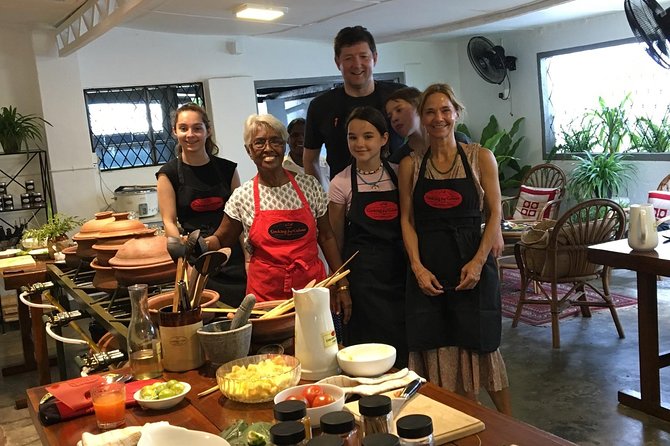
- Meet Chef Mohara Dole in her home cooking studio for a personal, welcoming class setting
- Cook a Sri Lankan variety pack: curries, rices (basmati/red raw rice/samba), and sambols
- Learn with recipes in hand so you can recreate what you made later
- Full meal focus with dinner/ingredients included, plus bottled water and soda/pop
- Private format means only your group joins, not a mixed crowd
Meeting Chef Mohara Dole in Colombo’s Home Kitchen
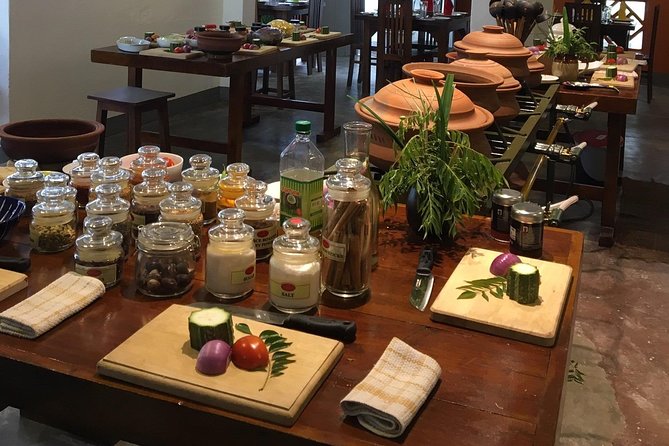
This cooking class is built around one strong idea: you shouldn’t just watch Sri Lankan food happen—you should help make it. Chef Mohara Dole leads the session, and the best sign is the way the class feels like a genuine welcome. One reviewer called out how warmly Mohara received them into her home and cooking studio, and that tone matters. It’s the difference between a stiff, performative cooking show and a real meal lesson.
What you’re buying with a private session (not a big group) is time with the person doing the cooking. In a place like Colombo, where you can easily eat Sri Lankan food out, the value here is learning the logic behind a typical plate: curry + rice + sambol side, in combinations that make sense for everyday eating.
The meeting point is in Sri Jayawardenepura Kotte, at 49 Park Ln, and the activity ends back at the same location. That round-trip setup is handy. You don’t have to figure out where to wander afterward while your spices (and hands) are still fresh from cooking.
One more practical note: the class runs in a midday slot—10:30 AM to 2:00 PM—and it operates across a wide date range. So if you’re trying to slot in one “do something real” experience that doesn’t eat your whole day, this fits neatly.
You can also read our reviews of more tours and experiences in Colombo.



What You’ll Cook: Curries, Rice Styles, and Sambols
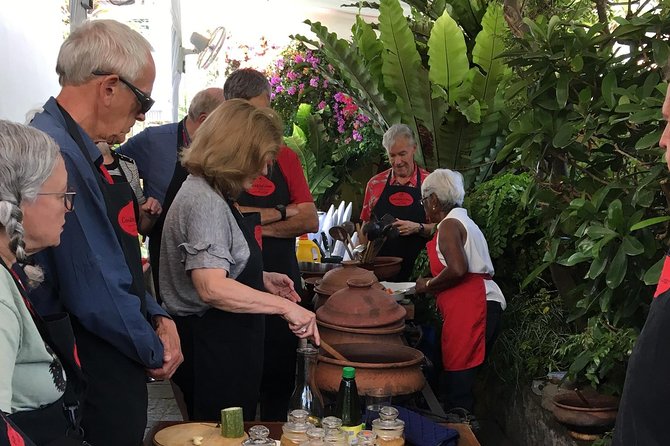
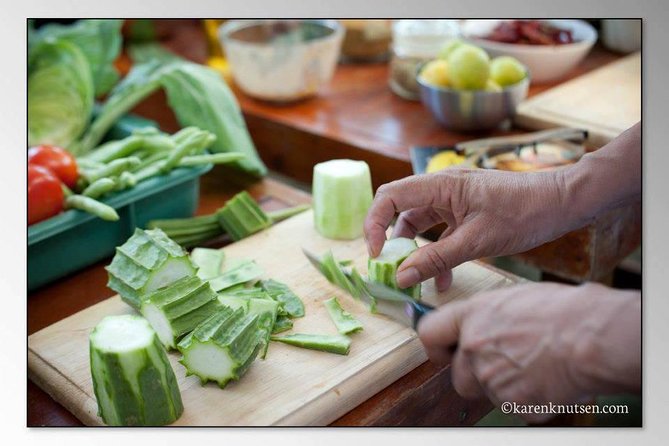
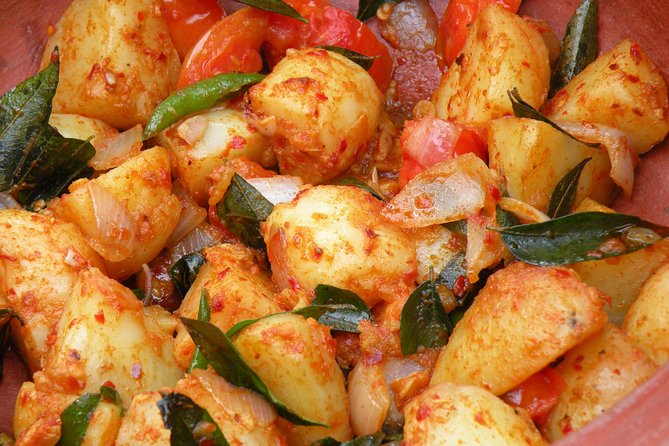
The menu is the star. You’re not just learning one curry and calling it a day. You’re set up to cook several traditional dishes in one 3-hour session, and the list includes vegetable options like loofah, eggplant, lotus root, and beetroot, plus protein choices such as chicken and seafood. That variety is more than “fun trivia”—it trains your palate and helps you understand how Sri Lankan cooking can shift depending on the main ingredient.
You’ll also make multiple rice types, including basmati, red raw rice, and samba. This matters because rice isn’t a background player here. Different rice styles can change the way the meal feels—especially when you’re eating curry with the rice you made yourself. Even if you don’t obsess over cooking science, learning different rice types gives you a practical toolkit for cooking at home, not just copying one dish once.
Then there are sambols. They’re part of the Sri Lankan meal structure you’ll see again and again, and learning sambols in a class like this helps you understand how Sri Lankan meals balance heat, crunch, and tang (the “make it taste alive” role that a side like this plays). Since you’ll be cooking them, you’ll also get a feel for why they pair so well with curries.
If you’re the type of traveler who only cares about flavor, you’ll still enjoy this. If you’re more of a method person—someone who wants to understand what makes one dish different from another—you’ll like it even more, because the lesson covers a spread: curry base, rice choice, and the side that completes the plate.
The 3-Hour Flow: Hands-On Cooking Without the Confusion
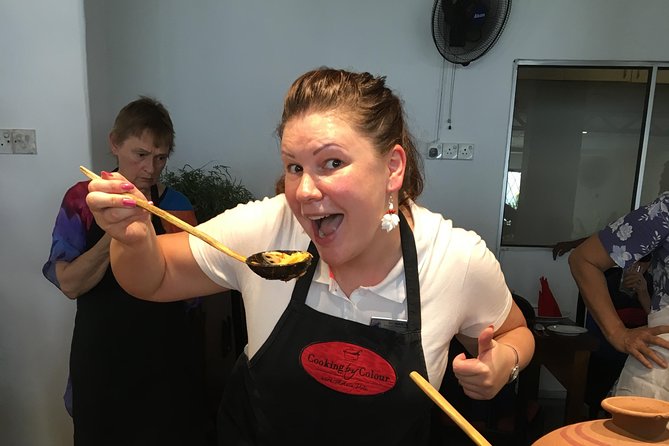
The session is described as a three-hour demonstration designed as a cultural adventure for food lovers. In practice, that usually means a mix of teaching and doing. You’ll join Chef Mohara as the meal comes together at the stove, and you’ll prepare and share a Sri Lankan meal during the class.
You should expect a pace that keeps you involved. The class isn’t just sit-and-watch. Reviews highlight that it’s hands-on, and that you cook multiple categories—meat, fish, and vegetables. That matters because it changes how you learn. When you’ve chopped, mixed, and cooked alongside the instructor, the final dishes make more sense afterward, and you’re more likely to cook them again at home.
Here’s a realistic consideration: 3 hours is short for learning several recipes. So even though you’ll cook many items, you might not get the slow, extra-practical version of every single step. Think of it like a concentrated sampler you can recreate later using the recipes provided. If your goal is “master every technique perfectly,” you may need to practice after the class.
Also, because this is a home-style cooking studio experience, the setup might feel different than a professional culinary school. That can be a positive. It’s often easier to ask questions and learn in a relaxed environment. Just go in expecting a working kitchen vibe.
Why the Take-Home Recipes Are the Real Souvenir
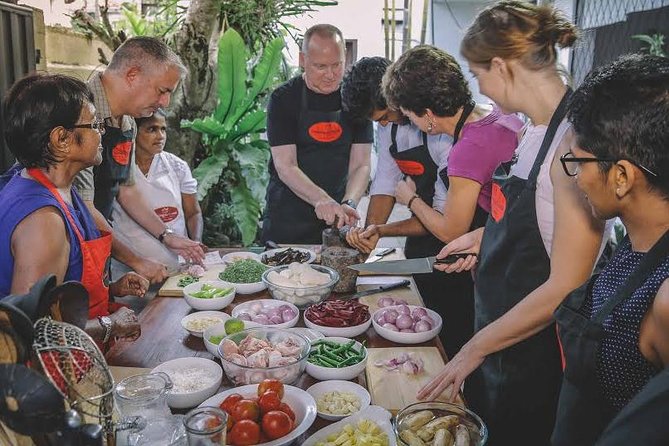
A lot of cooking tours hand you a nice memory. This one also hands you the recipes for the foods you cook. That’s a big deal for value, because it turns your experience into something you can use again.
You’ll receive the recipes of the dishes you prepare—covering the curries, rice styles, and sambols from the session. That means when you’re back in your own kitchen, you’re not relying on vague recollection or trying to reverse-engineer flavors from one restaurant meal.
One reviewer mentioned that Mohara is encouraging about guidance and that you can call for help if you need it. Even if you only use that once—say, you get stuck on one curry step—it’s a level of support that makes the class feel less like a one-off transaction and more like a transfer of knowledge.
If you’re cooking for friends, these recipes are also a clever way to share Sri Lanka without turning it into a random food experiment. You can follow the same structure you learned: curry paired with the right rice, plus a sambol side to finish the plate.
Food Included: Lunch/Dinner Ingredients, Water, and Soda/Pop
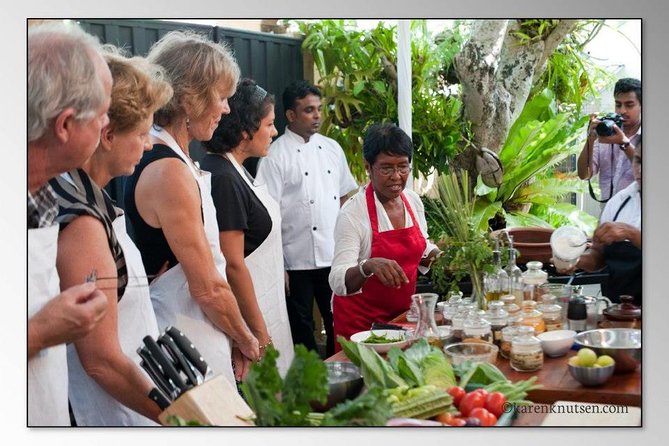
The included items are straightforward. You get dinner (and the all ingredients for lunch/dinner are provided), plus bottled water and soda/pop.
That’s part of why the price works for many people. You’re paying for a structured session plus the raw materials, not just the instructor’s time. In other words, you’re not showing up and then realizing you also have to pay for a full meal elsewhere.
Alcohol is the one thing not included. If you like pairing food with a drink, plan for that separately. But if you’re the type who prefers to focus on flavor and digestion and keep the experience clean and simple, you may not care much.


Price and Value: Getting More Than a Meal for $60
At $60 for about 3 hours, this class has a clear value proposition: you’re buying a guided, private, hands-on lesson that results in multiple dishes and take-home recipes.
Here’s how I think about the value:
- You’re not paying extra for ingredients you’ll cook with.
- You’re not just tasting; you’re making curry, rice, and sambols.
- You’re leaving with recipes for the dishes you cooked, which extends the value far beyond the day of the class.
- Your group is private, so the instructor can focus on you rather than juggling a mixed schedule of strangers.
The potential downside is time density. Because the class packs multiple dishes into a short window, you may not get the slowest version of “perfect technique.” But you can solve that by cooking your favorite dish again soon after, using the recipe you take home.
Also, since it ends where it starts, you’re likely to build it into a plan with less friction than some other experiences that require travel between locations.
Who This Cooking Class Is Best For
This is a strong match if you:
- Want a Sri Lankan cooking class in Colombo that’s hands-on rather than observational
- Like learning several dishes and categories (curries, rice types, sambols) instead of one specialty
- Plan to cook at home and want recipes—not just photos
- Prefer a private experience where the kitchen time feels personal
If you’re someone who hates chopping, stirring, or getting your hands involved, you might find a hands-on cooking session more work than you want. But if you’re curious and enjoy cooking, you’ll appreciate the direct approach.
It also fits well for travelers who are food-focused but tired of eating the same thing in different restaurants. This gives you the “how” behind the “what.”
Practical Tips for Getting the Best Experience
You don’t need special training, but you’ll enjoy the class more if you treat it like a real cooking session.
Wear comfortable clothes you don’t mind getting used to kitchen smells. Bring a phone/camera if you like, but remember you’re cooking—so expect a little mess and steam. If you have spice sensitivity or dietary constraints, you should ask ahead of time, because the class includes multiple specific ingredients and dishes.
Most importantly: come hungry, but not ravenous. You’ll cook and share a Sri Lankan meal as part of the experience. If you eat a huge breakfast right before, you’ll miss the joy of tasting what you made.
Finally, slow down during the recipe handoff. When you receive the recipes, skim them once right away so you know what you’ll repeat later. That’s when the class turns into something you can use.
Should You Book Cooking By Colour with Mohara Dole?
If your goal is a practical Sri Lankan food experience, I’d book it. This class has a rare combo: hands-on cooking, a broad menu (vegetables, curries, rice types, sambols), and recipes included so the learning lasts.
Skip it only if you mainly want a relaxing, purely observational activity, or if you’re very worried about the time density of learning several dishes in three hours. For most food travelers, though, this format is exactly what makes a cooking class worth doing.
My quick decision rule: if you’d cook Sri Lankan food at home even once—this class gives you the roadmap. If you’re unlikely to cook later, it’s still a great way to eat well and learn, but the “value after you return home” won’t matter as much to you.
FAQ
How long is the Sri Lankan cooking experience in Colombo?
It runs for about 3 hours.
What kinds of dishes will I learn to make?
You’ll learn traditional Sri Lankan dishes including multiple curries, rices, and sambols. The curries and rice types mentioned include loofah, eggplant, lotus root, chicken, seafood, beetroot, basmati, red raw rice, and samba.
Is the tour private?
Yes. It’s a private tour/activity, and only your group participates.
What’s included in the price?
Dinner and all ingredients for lunch/dinner are provided, along with bottled water and soda/pop.
Is alcohol included?
No. Alcoholic beverages are not included.
Where does the experience start and end?
It starts at 49 Park Ln, Sri Jayawardenepura Kotte, Sri Lanka, and ends back at the same meeting point.
What are the opening hours?
It operates Monday through Sunday from 10:30 AM to 2:00 PM.
Will I receive confirmation after booking?
Yes. Confirmation is received at the time of booking.
What’s the cancellation policy?
Free cancellation is available. You can cancel up to 24 hours in advance of the experience for a full refund. Cancellation less than 24 hours before start time isn’t refunded.