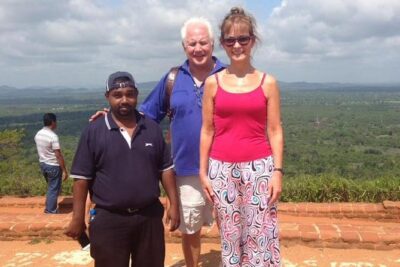
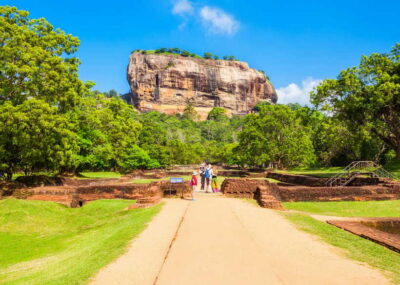
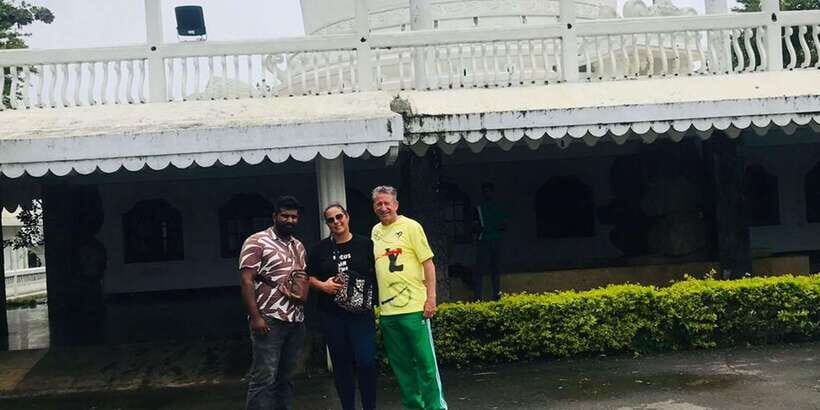
Wilpattu’s villus lakes turn a safari into real drama. This full-day drive through the park in a 4×4 is built for wildlife viewing at animal hotspots, with the chance to track down the Sri Lankan leopard and sloth bear. I especially like the small, purpose-built jeep setup and the way the route focuses on villus areas where animals naturally gather.
I also like the human touch: an English-speaking driver/guide who helps you read what you’re seeing, not just pass time in the park. When the team is strong (names like Asinka, Ashen, and naturalist Tharuka show up in past trips), the difference is huge. One drawback to plan for: the day’s rhythm can include longer breaks after lunch, which can cut into time looking for more sightings, so it helps to gently push for getting back on the trail.
In This Review
- Key highlights to know before you go
- Wilpattu’s villus system: why this safari targets real wildlife
- 4×4 jeep comfort and group size (max 6) in practice
- The day flow: what the 06:00–18:00 schedule feels like
- Morning: first looks at elephants, deer, and birds
- Midday circuit: reaching key viewpoints and wildlife corridors
- Afternoon to evening: where patience can pay off
- Kudiramale Point and Pomparippu: what those stops do for your odds
- Leopard and sloth bear chances: realistic expectations, better strategy
- Lunch timing and breaks: the one moment to manage
- Food and comfort: the “included” items that actually matter
- Price and value: $59 plus park tickets
- Who this safari suits best (and who should skip it)
- Tips to get more from your guide (without ruining the vibe)
- What to bring (and what to avoid)
- Should you book this full-day Wilpattu safari?
- FAQ
- What time does the full-day safari run?
- What’s the price, and what extra cost should I expect?
- Are meals included?
- Do you pick up and drop off?
- How many people are in each jeep?
- Is the guide language English?
- Is this safari suitable for pregnant travelers?
Key highlights to know before you go
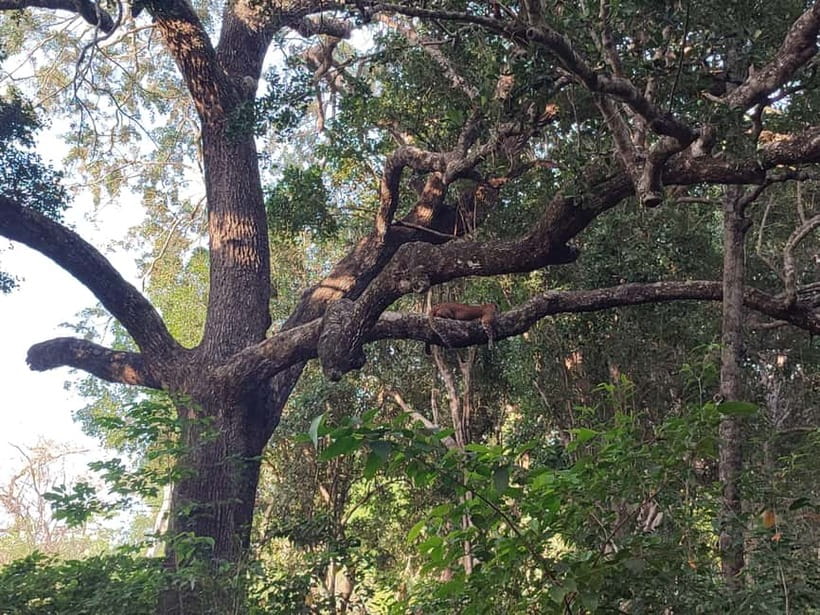
- Villus-focused route: you spend time around Wilpattu’s natural water points where wildlife concentrates.
- Luxury 4×4 with small group limits: max 6 passengers per jeep helps visibility and comfort.
- Meals included for a full 12 hours: breakfast, lunch, fruits, water, and cool drinks keep the day easy.
- Early start to evening finish: 06:00 to 18:00 gives you more daylight for animal activity.
- Park entry is extra: the safari price covers the day with guide and jeep, while park tickets are separate.
Wilpattu’s villus system: why this safari targets real wildlife
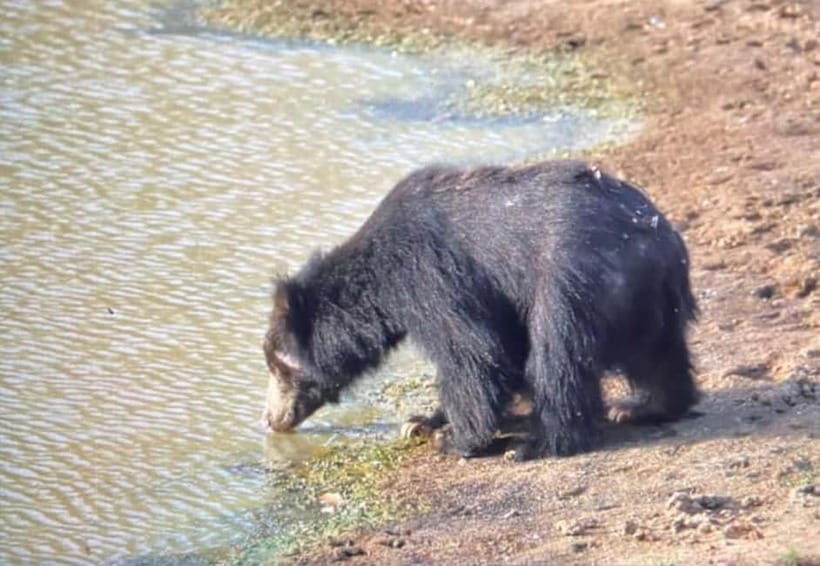
Wilpattu is famous for two things: big presence of wildlife and a park shaped by natural water points. Those water basins are often called villus, and that’s where the safari logic makes sense. Animals come to drink, to cool off, and to move along predictable routes. When you base your day around those areas, your odds of seeing elephants, deer, water buffalos, reptiles, and birds go up—because you’re not guessing randomly across the whole park.
This tour runs a long day—12 hours from 06:00 to 18:00—and that matters. In the morning, animals tend to be more active, and you get clearer light for photos. Late afternoon into early evening often brings more movement too, especially around water. If you’re hoping for the headline animals (leopard and sloth bear), that kind of time on the ground is one of the best “value upgrades” you can buy.
You can also read our reviews of more tours and experiences in North Central Province.
4×4 jeep comfort and group size (max 6) in practice
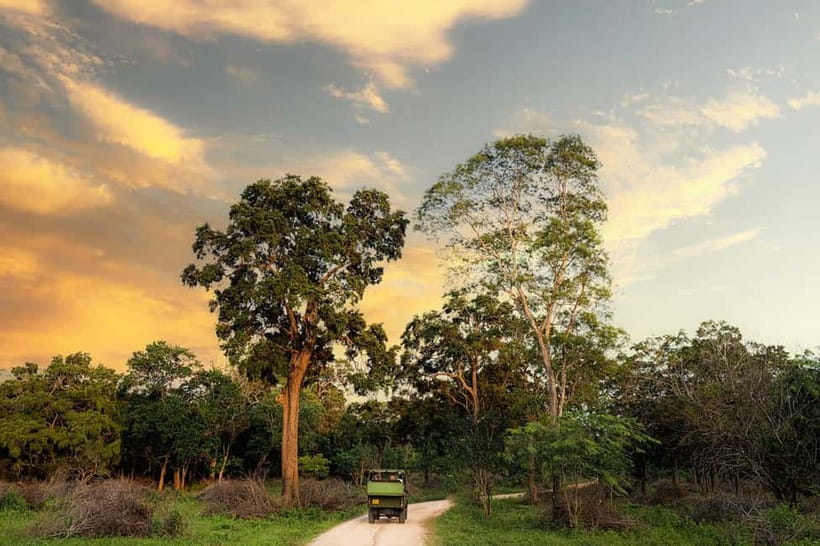
You ride in a spacious 4×4 safari jeep with a maximum of 6 passengers. That’s not just about comfort (though it helps when you’re bouncing around for hours). Smaller groups are practical: fewer people block each other’s view, and the driver can usually move with more flexibility without crowding.
Pickups are handled in two ways. If you’re near the Wilpattu area (within about 10 km), complimentary pickup and drop-off is offered. Also, the tour lists specific pickup/drop-off options at Galkadawala and Nochchiyagama. On safari days, that time window and the meeting point really affect how smoothly your morning starts—so I recommend confirming your exact pickup location before the day arrives.
One small but important detail: you should wait in the hotel lobby 10 minutes before the scheduled pickup time. On an early start day, “almost on time” can quietly become “late,” and late means you lose the best part of the day in the park.
The day flow: what the 06:00–18:00 schedule feels like
This is a full-day safari with a guided route and multiple park stops for sightseeing and photo moments. Even without a strict “checkpoint-only” feel, you can think of it as three phases: early search, middle-day circuit, and late-day opportunities.
Morning: first looks at elephants, deer, and birds
Your day begins early, and that’s when you’re most likely to spot wildlife before the heat settles in. Expect the guide to work the jeep through the park’s accessible routes while keeping an eye on signs: tracks, calls, and movement near water and shelter. This is also when bird activity can be strong—so if you like photography, you’ll appreciate the morning light and the calmer pacing.
This tour’s focus isn’t only big mammals. Deer and other smaller wildlife often show up first, and birds are frequently easier to track than something elusive like a leopard. It’s a good strategy: you build momentum with easier sightings, then chase the harder ones.
Midday circuit: reaching key viewpoints and wildlife corridors
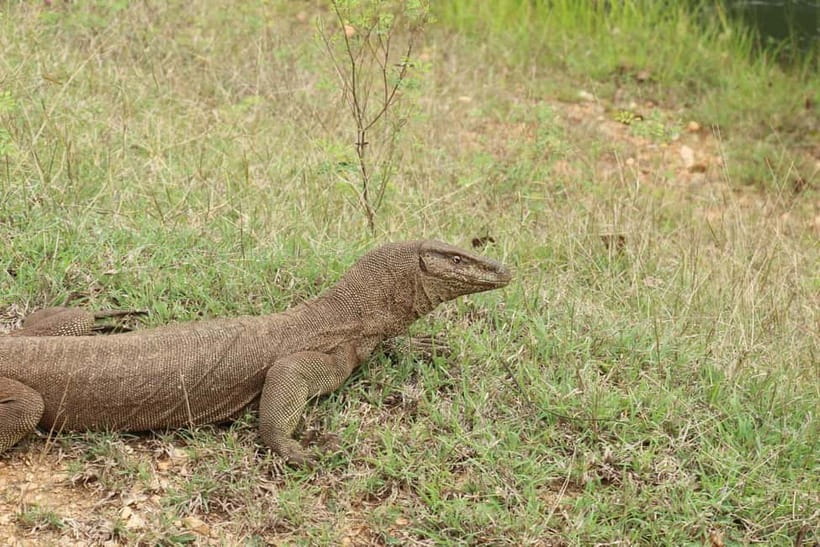
As the day moves toward midday, the route includes stops such as Kudiramale Point and Pomparippu, plus time around the villu areas. These places are chosen because they connect you to likely animal movement paths. Even when you don’t see the big cat instantly, you may still find water buffalos, crocodiles in the right conditions, monitor lizards, and other reptiles.
You’ll also notice the safari style is “guided sightseeing,” not just driving. That means you’re not left to stare out the window with no context. A good guide will help you understand what behavior looks like in the moment—whether animals are feeding, resting, or just passing through.
Afternoon to evening: where patience can pay off
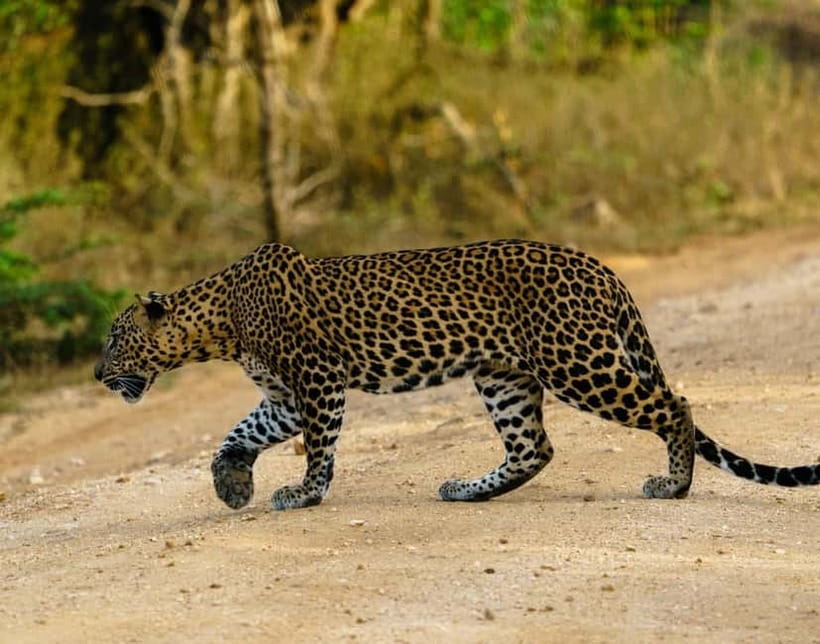
In the later part of the day, the safari mood changes. Animals may be more spaced out, but once they appear near water or paths, the chances of a great sighting can rise. This is where leopards often become possible—not guaranteed, but possible. The key is that you’re still in the park until 18:00, not forced to leave early.
The best payoff is that you’re also in position for different animals as the light changes. Even if a leopard stays out of view, you can still end the day with something memorable: a sloth bear sighting, a close elephant moment, or a strong birding stretch.
Kudiramale Point and Pomparippu: what those stops do for your odds
Stops like Kudiramale Point and Pomparippu are more than scenic breaks. In safari terms, each stop is a chance to “reset your eyes” and look from a place where visibility and animal access align.
When you’re doing a long safari, you want both:
- time driving (to find animals)
- time paused (to confirm you’re seeing what you think you’re seeing)
These stops usually help with both. If you’re into photos, paused viewpoints also let you wait for animals to move into a better angle. If you’re more into wildlife spotting than cameras, it’s still useful: you’re not rushed, and you can read the guide’s scanning method.
Leopard and sloth bear chances: realistic expectations, better strategy
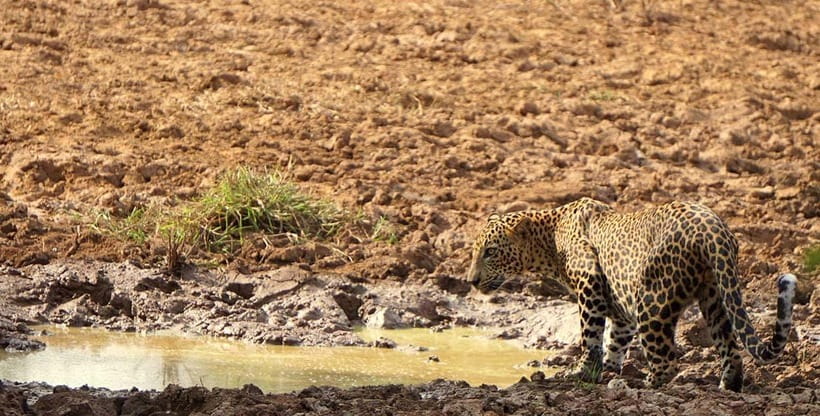
Wilpattu’s big draws are its leopards and sloth bears, and the tour’s stated aim is to showcase those animals along with other wildlife. That’s the right goal. But it’s also worth planning with realistic safari logic:
- Leopards are elusive. What you’re really buying is time in the right terrain, with a guide scanning consistently.
- Sloth bears are rare. When they show up, it’s usually because conditions and timing line up.
Where this tour can feel especially good is that it doesn’t only chase the big cat fantasy. You’re also likely to see:
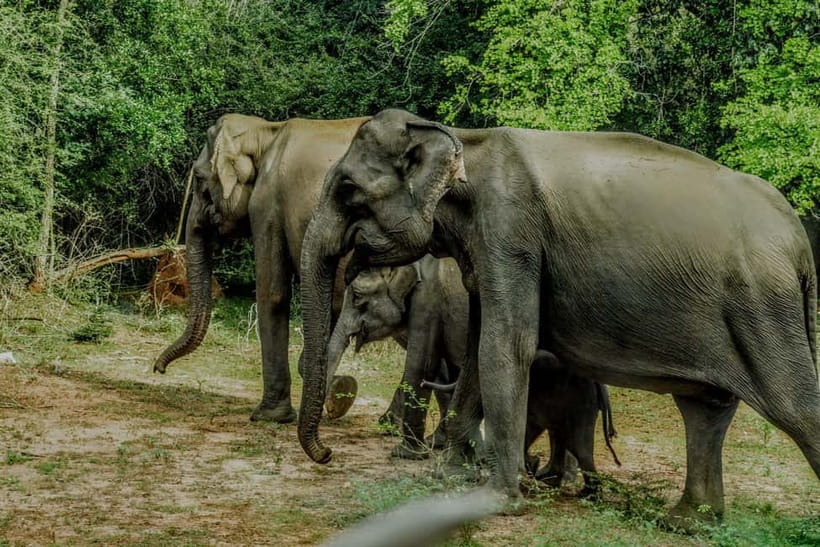
- elephants
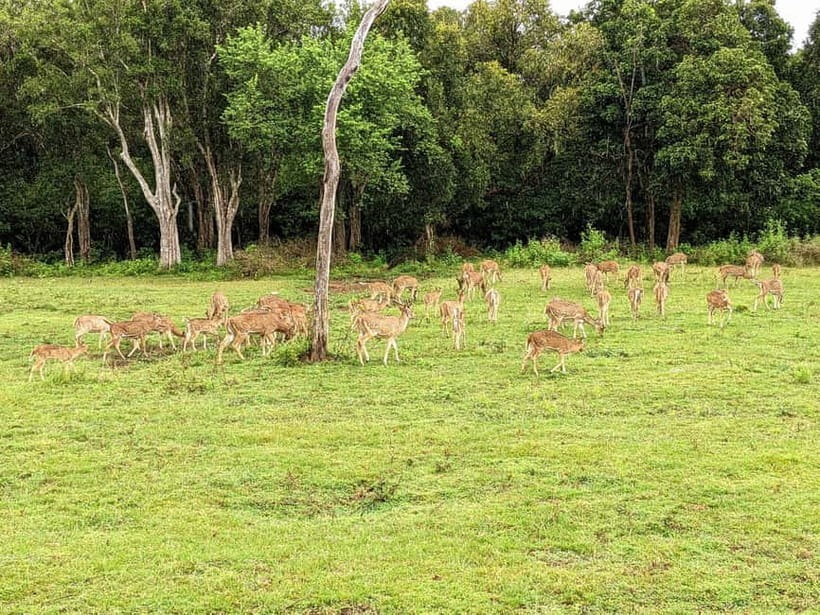
- spotted deer and other deer types
- water buffalos
- reptiles like crocodiles (and other sightings depending on conditions)
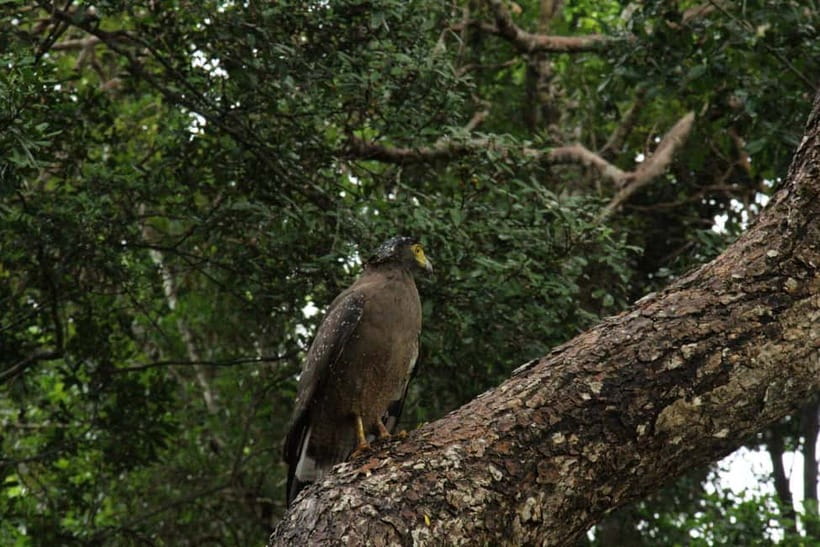
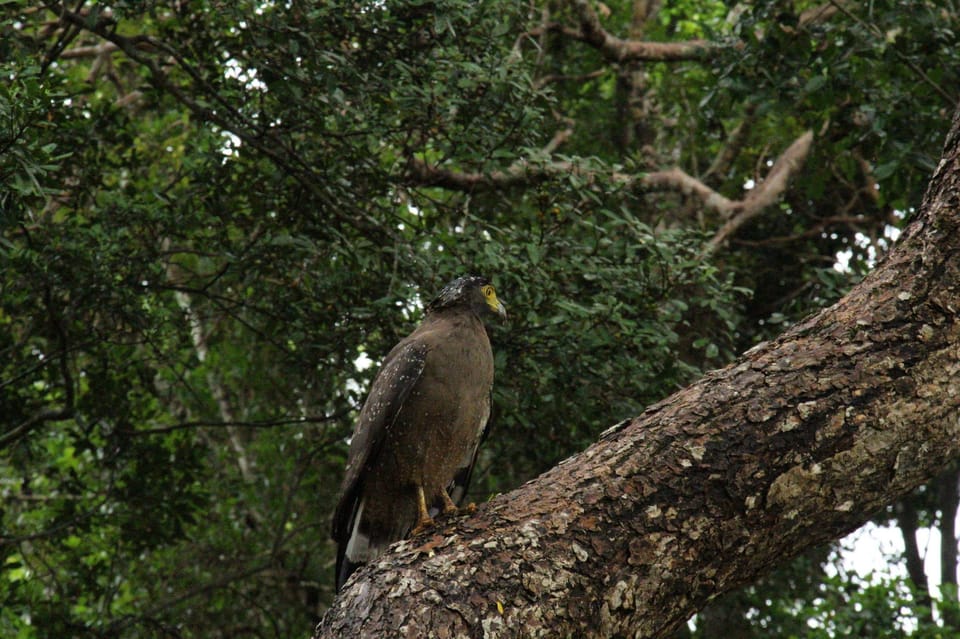
- lots of birds, including types the region is known for
That combination is what makes the day feel complete. If you get lucky with a sloth bear, it’s the kind of memory you’ll talk about for years. If you don’t, the day still has enough variety that you won’t feel like you paid only for one outcome.
Lunch timing and breaks: the one moment to manage
Here’s the part I’d plan for: midday pacing. One prior experience noted that after lunch, longer breaks can reduce time spent searching for animals. That doesn’t mean the safari is bad—it means you should be alert to what the guide is doing after lunch.
If you want the best chance at extra sightings, I’d do this: after lunch, ask (calmly) to get back in the jeep if the search feels like it’s slowing down. A good driver/guide will understand you want to stay in game mode. Your goal is simple: keep the day moving through wildlife zones, not stuck in a waiting rhythm.
Food and comfort: the “included” items that actually matter
A long safari can get stressful if you’re hungry or dehydrated. This package includes:
- breakfast
- lunch
- fruits
- water and cool drinks
That’s practical value. You’re in the park for hours, and food logistics can ruin a day if you have to figure it out on your own. With these meals included, you can focus on watching wildlife instead of managing snacks.
It’s also why I think the price is easier to justify than many “just transport” safari offers. You’re paying for the whole day, not only the ride.
Price and value: $59 plus park tickets
The safari price is listed at $59 per person for a 12-hour full day with a 4×4 jeep, driver/guide, and meals. The big extra cost is park entry tickets, listed at about $36 per adult (not included).
Here’s how I’d think about value:
- If you’re coming from farther away or you want hotel-area pickup, the bundled transport saves time and hassle.
- The meals included for a full day prevent extra spending and keep energy stable.
- The small jeep group limit (max 6) supports better viewing.
So the true total depends on park tickets, but the structure is still built to feel like a full-service safari day.
Who this safari suits best (and who should skip it)
This tour is a strong fit if you:
- want one full day in Wilpattu without complex planning
- care about comfort (spacious 4×4) and viewing
- like wildlife photography and want a guided route rather than a DIY drive
- prefer an English-speaking guide
It’s not suitable for:
- pregnant women
- people with back problems
That matters because safari roads and jeep movement can be rough. If mobility or comfort is a concern, take it seriously and consider a different format.
Tips to get more from your guide (without ruining the vibe)
A safari guide does more than point at animals. The best guides help you interpret speed, silence, direction, and behavior cues. If you get a guide like Asinka, Ashen, or naturalist Tharuka (names that have shown up in past experiences), you’ll likely benefit from clearer explanations and faster animal spotting.
Practical things you can do:
- Keep your eyes moving. Don’t stare at one spot for too long.
- Listen for cues from the guide. If they’re quiet, it often means they’re watching.
- After lunch, be ready to stay active. If breaks drag on, gently ask to get back to searching.
Also note the tour doesn’t allow alcohol and drugs, so keep the day focused on wildlife and comfort.
What to bring (and what to avoid)
Bring:
- your passport or ID card
You’ll want to be ready for a full day outside:
- comfortable clothes and closed shoes (you might get dirt and heat)
- a camera if you’re into photos
- water is provided, but basic personal comfort items help too
Avoid alcohol/drugs on safari. The rules are clear, and it keeps everyone aligned.
Should you book this full-day Wilpattu safari?
I’d book it if you want a straightforward, guided Wilpattu day that aims at leopard and sloth bear while still delivering plenty of other wildlife and birds. The included meals, long hours, and 4×4 comfort make it feel like more than a drive—it’s a structured safari day.
Skip it (or think hard) if you’re sensitive to long midday breaks or if your comfort needs are strict, since it’s not suitable for people with back problems and the jeep ride is part of the experience.
If you go, set your expectations like a safari pro: you’re buying time, route logic, and expert scanning—not a guaranteed leopard at 3:00 pm. With that mindset, the day has a very good chance of being worth every dollar.
FAQ
What time does the full-day safari run?
The safari runs from 06:00 to 18:00, for a total of 12 hours.
What’s the price, and what extra cost should I expect?
The safari price is $59 per person. Park entry tickets are not included and are about $36 per adult.
Are meals included?
Yes. Breakfast, lunch, fruits, water, and cool drinks are included.
Do you pick up and drop off?
Yes. Complimentary pickup and drop-off are offered, including within about 10 km in the Wilpattu area. Pickup/drop-off options also list Galkadawala and Nochchiyagama. You should wait in the lobby about 10 minutes before pickup.
How many people are in each jeep?
Each 4×4 safari jeep has a maximum of 6 passengers.
Is the guide language English?
Yes. The live tour guide is listed as English.
Is this safari suitable for pregnant travelers?
No. It is not suitable for pregnant women.