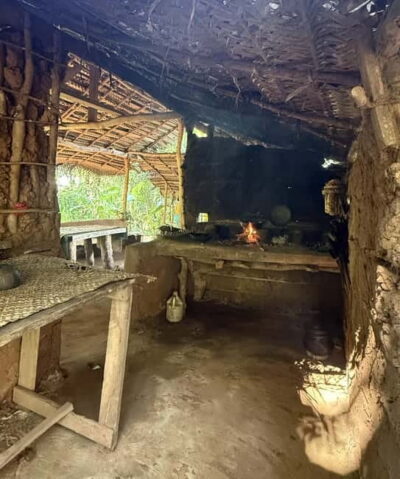
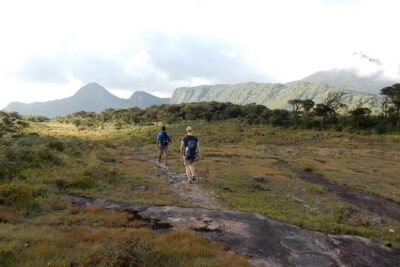
Wilpattu’s leopards keep the morning electric. From Anuradhapura you get a long, guided day in a park known for Willus lakes and high leopard odds, with customized safari jeeps doing the heavy lifting. I like that the 10 to 12 hours on the move leaves you real time to find animals, and that you’re kept fed and watered without turning it into a picnic-company treadmill. One catch: the English level can vary in practice, so if you want lots of species talk, bring your questions early.
This is a private-group safari, so the rhythm stays in your control, not in the control of a big shared bus. Expect pickup around 5:00 am, then a long game-drive day that focuses on wildlife viewing in Wilpattu National Park.
If you’re someone who hates early starts, this may feel like a lot. If you’re a morning person—or at least a coffee person—your day has a good shot at being one of the more memorable wildlife days you’ll do in Sri Lanka.
In This Review
- Key reasons to go
- Anuradhapura pickup at 5:00 am: why it matters
- Wilpattu National Park and the Willus lakes: what you’re really paying for
- The 10–12 hour game drive: what you can realistically see
- Customized safari jeeps and the guide’s job (and limitations)
- Breakfast, packed lunch, and staying sane in the midday heat
- Price and value: is $117 worth it?
- Who this Wilpattu safari suits best
- Should you book this full-day Wilpattu safari from Anuradhapura?
- FAQ
- What time does the safari pickup start?
- How long is the tour?
- Where can I be picked up and dropped off?
- What wildlife might I see in Wilpattu?
- Is the Wilpattu entrance ticket included?
- What does the tour include?
- What is not included?
- What payment methods are accepted for entrance fees?
- Is the tour private?
- Can I cancel for a refund?
Key reasons to go
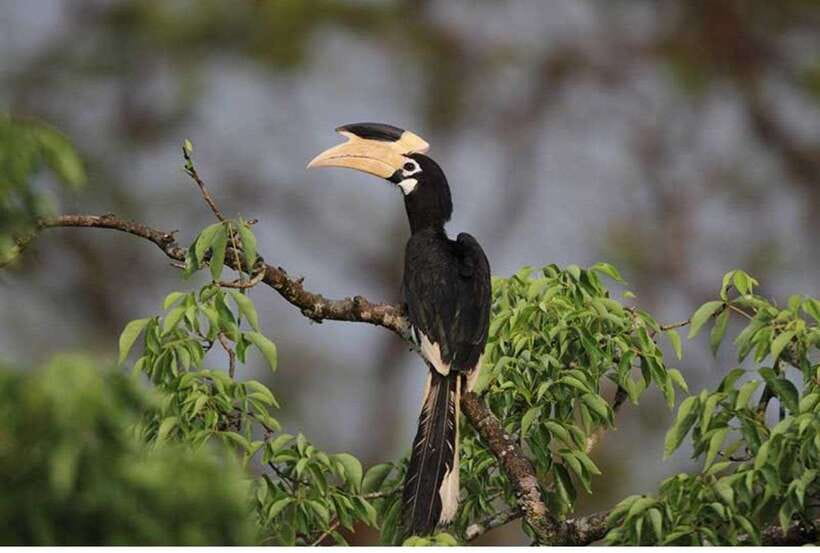
- Willus lakes shape the safari: Those natural waterholes make the scenery and animal watching more interesting than a plain dry-forest drive.
- A long 10 to 12 hour search window: You’re not rushing through; you’re given time to track movement and react to sightings.
- Customized safari jeeps: The ride is set up for wildlife viewing, not sightseeing comfort in a city way.
- Light food plus water during the day: You stay functional through a long stretch, which matters in a hot, dusty park.
- Less-chaotic feel than some other parks: If you’re tired of constant vehicle congestion, Wilpattu can feel calmer.
Anuradhapura pickup at 5:00 am: why it matters
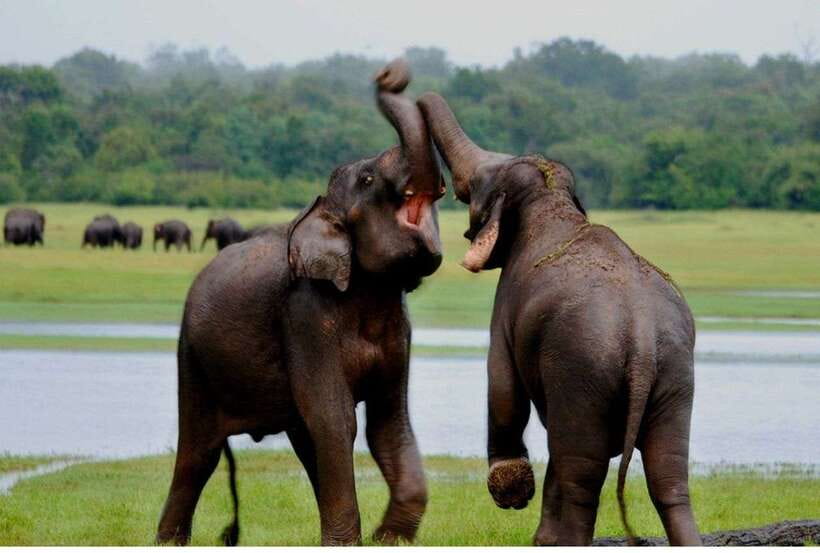
Your day starts early, with pickup at about 5:00 am from your hotel area. The common pickup zones are Anuradhapura, Galkadawala, Mihintale, and Pahala Maragahawewa—so you’re not spending half the morning crossing the island.
This matters because Wilpattu’s best activity often comes when the light is still cooperative and animals are deciding whether to move, rest, or water. That early departure also means you’re less likely to feel like you’re arriving “late” and only seeing what’s left.
You’re also guaranteed hotel pickup and drop-off, either by safari jeep or a comfortable vehicle depending on distance. For me, that reduces decision fatigue. You show up, you drive, you watch.
You can also read our reviews of more tours and experiences in North Central Province.
Wilpattu National Park and the Willus lakes: what you’re really paying for
Wilpattu is huge—about 130,000 hectares—and that size affects everything. More space means more potential routes, more different habitat pockets, and a better chance of matching animals to water, shade, and cover.
The park’s signature feature is the Willus, natural lakes. In practice, they give the safari a visual anchor: you’re not only hunting in a flat, same-looking forest. Water pulls animals in unpredictable ways, and those Willus locations can turn a “slow” drive into a productive one.
The day is focused on wildlife viewing in this specific kind of terrain. The highlights most people chase are leopards, plus other large animals you might spot depending on where the day’s sightings concentrate.
The 10–12 hour game drive: what you can realistically see
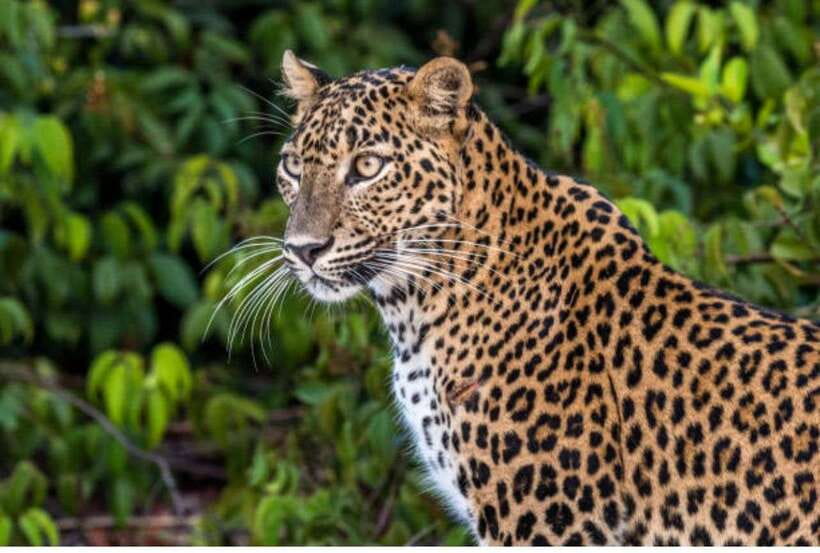
You’ll spend roughly 10 to 12 hours on safari time inside the park. That long window is the main reason this tour works as more than a quick checkbox. With this much time, your guide can adjust the route based on signs and what other sightings suggest.
Here’s what you’re most likely to keep an eye out for:
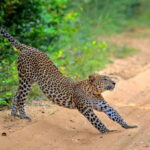
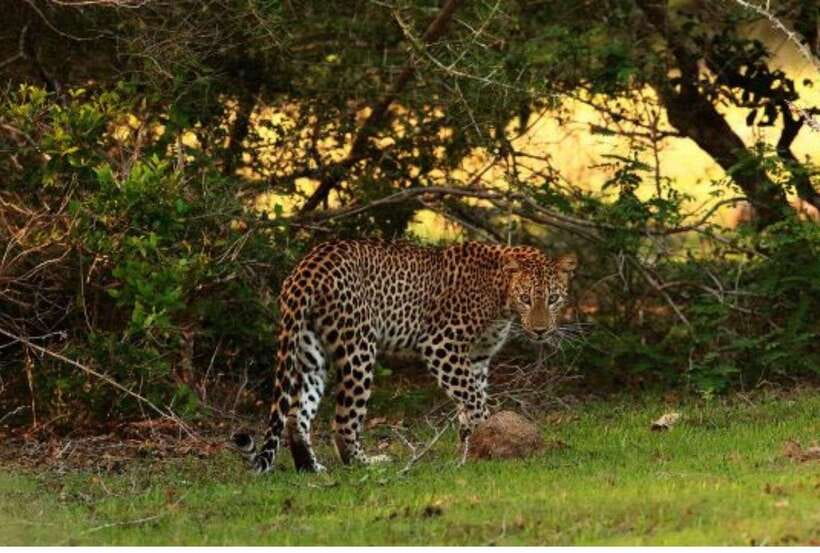
- Leopards: Wilpattu is known worldwide for its leopard population, and this is the reason many people choose this park over others.
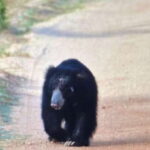
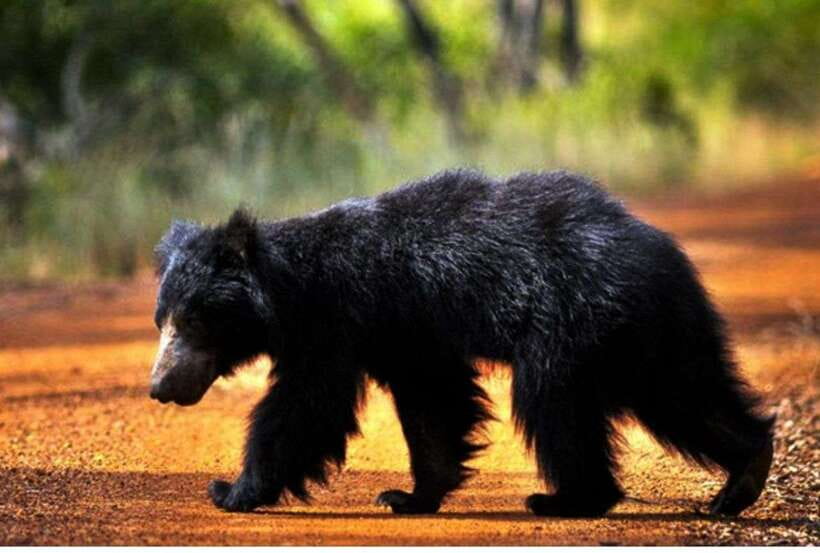
- Sloth bears: Look for movement near cover, especially as the light changes.
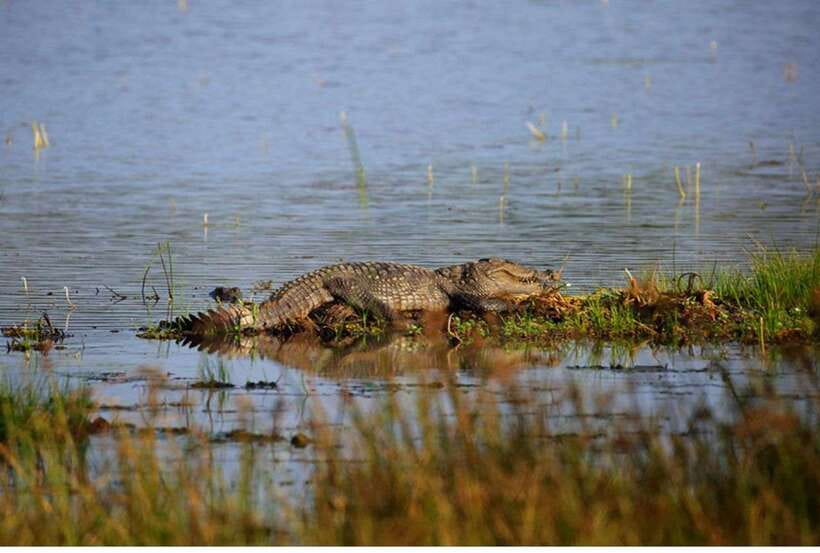
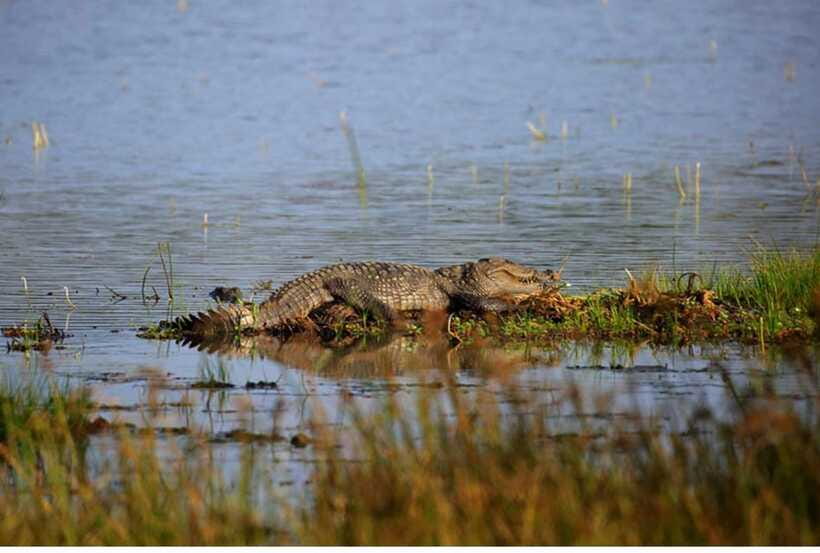
- Crocodiles: You may spot them around water areas when the route passes likely zones.
- Spotted deer and wild pigs: These are the smaller anchor sightings that tell you the food chain is active.
In real-world safari terms, you should expect a mix of big wins and quieter stretches. In some days, animals appear at distance, and your reward is patience and sharp scanning—not instant “roar and reveal” moments.
One more practical note: carry your own viewing tool if you have one. I saw a strong suggestion from past participants to bring binoculars, and that’s smart. Many sightings are quick, and binoculars help you confirm what you’re seeing without chasing every movement with your eyes.
Customized safari jeeps and the guide’s job (and limitations)
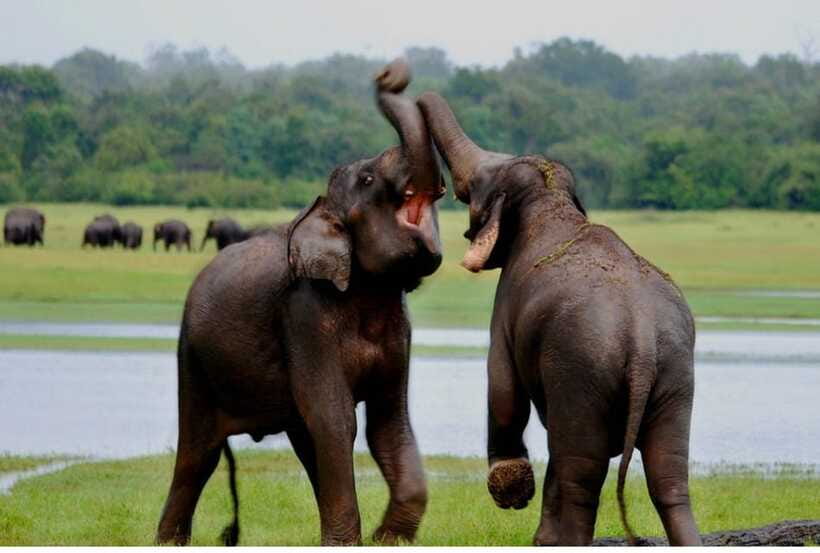
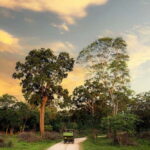
This safari uses customized safari jeeps, built for wildlife viewing. That affects how you scan, how you stop, and how much time you spend with your eyes outside the vehicle rather than stuck inside traffic.
Your day also includes an English live tour guide. In theory, that’s where you get the story behind the animals—what to watch for, how to interpret tracks, and where the animals might be at different times.
In practice, the English experience can be inconsistent. Some people reported great English and strong help from both guide and driver, including lots of effort to find animals. Others noted a more limited ability to explain what they were seeing. My advice: don’t wait until you’re lost in the middle of the park to ask questions. Ask early, ask simply, and if language is a hurdle, focus on learning from what you can see and from guidance on where to look next.
The best safari guides do two things:
- They keep searching strategically, not randomly.
- They help you see more than you’d notice on your own.
Even when English isn’t perfect, a driver who knows where to position the jeep and how to read animal behavior can make a big difference.
Breakfast, packed lunch, and staying sane in the midday heat
A full-day safari means the food has to work with the schedule. You’ll have breakfast plus a packed lunch, along with water and refreshments during the day.
This isn’t a restaurant stop format. It’s more like: eat when it fits the driving and scanning rhythm, then get back to the park. That’s why the “light cuisine” approach matters. Heavy meals can slow you down and make you feel sluggish at the exact moment animals might appear.
A couple of practical lessons from past experiences are worth taking seriously:
- Food quality can be a real plus, with some participants praising the lunch and support for dietary requirements.
- Comfort breaks and timing can feel a bit approximate, so it’s wise to ask what the rough plan is for meals and stops at the beginning of the day.
If you’re the type who gets cranky without a strict timetable, be flexible. This is wildlife time, not museum time.

Price and value: is $117 worth it?
The price is listed at $117 per person for a full day. On top of that, Wilpattu entrance costs are shown as approximately US$38 per person, with cash or card accepted—and there’s also wording that suggests entrance fees may be part of an all-inclusive package.
Because those details look mixed, I’d treat it like this: confirm in writing (or with the operator) whether the Wilpattu entrance ticket is included in your exact booking. That one check can prevent an awkward surprise at the gate.
Now, the value logic:
- This tour includes hotel pickup and drop-off, fuel/driver charges, parking fees, and all government taxes.
- You also get a full day inside a large national park, plus breakfast and packed lunch and water.
- You’re paying for time, transport, and the infrastructure that lets you actually do a long safari day from Anuradhapura.
So even if you add the entrance ticket, you’re still paying mostly for the day itself: the vehicle, the driver and route planning, and access to a serious wildlife region. If you’ve done day safaris before that feel rushed or poorly organized, this one’s length and focus are the best markers of value.
Who this Wilpattu safari suits best
This is a strong fit if you want:
- One long wildlife day instead of two short drives.
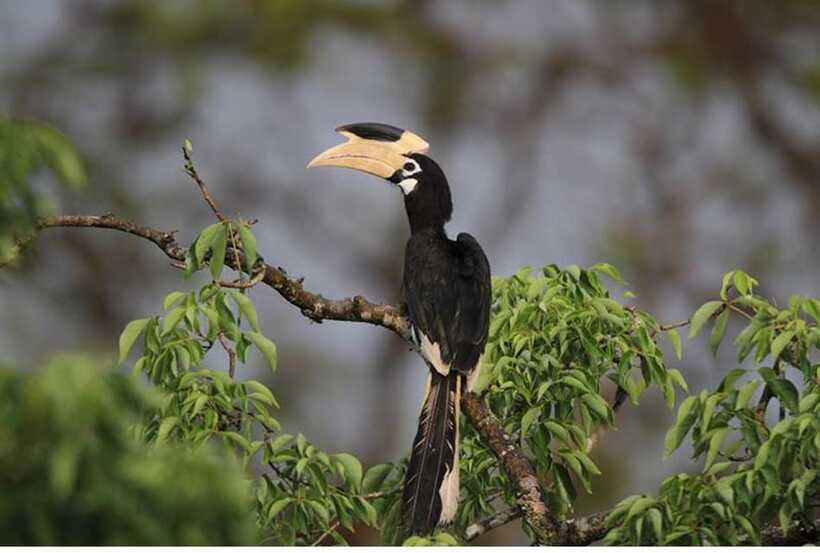
- A park that’s specifically famous for leopards and that also offers other big mammals and lots of birds and smaller wildlife.
- A calmer vehicle setup than the more crowded park experience people sometimes associate with other destinations.
It’s also a good choice if you’re traveling with someone who values comfort and continuity. You’re in a private group, so you’re not stuck waiting for strangers who need extra time to find their shoes.
If you’re traveling as a family, the structure helps because you’re not doing the logistics yourself—but the early start still matters. If you’re a “maximum action only” safari person, remember that animal sightings depend on luck and timing. The tour’s real advantage is the sustained search.
Should you book this full-day Wilpattu safari from Anuradhapura?
I’d book it if you’re excited by the idea of a long day chasing wildlife in leopard country and you’re okay with an early morning. The best part is the time: roughly 10 to 12 hours gives your guide room to react to animal movement, and the Willus lakes make the park more than just a generic drive.
I would hesitate only if you need guaranteed fluent English explanations throughout the day, or if you strongly dislike uncertainty around day flow. For peace of mind, ask about English comfort at the start and confirm whether the Wilpattu entrance ticket is included in your booking.
One last smart move: bring binoculars if you can. In a park this large, they help you turn partial glimpses into real sightings—and that’s where the magic usually lives.
FAQ
What time does the safari pickup start?
Pickup is scheduled for around 5:00 am from your hotel area in Anuradhapura or nearby pickup locations.
How long is the tour?
The full tour day is about 12 hours, with roughly 10 to 12 hours spent on safari inside Wilpattu National Park.
Where can I be picked up and dropped off?
Pickup options include Anuradhapura, Galkadawala, Mihintale, and Pahala Maragahawewa. Drop-off options include Galkadawala, Mihintale, Pahala Maragahawewa, and Anuradhapura.
What wildlife might I see in Wilpattu?
You can look out for leopards, sloth bears, crocodiles, spotted deer, and wild pigs. Other sightings can include elephants and other animals around the park.
Is the Wilpattu entrance ticket included?
Entrance fees are listed as not included with an approximate cost of US$38 per person, but the package description also mentions entrance fees may be included. Confirm what your exact booking covers.
What does the tour include?
The package includes hotel pickup and drop-off, a full-day safari in Wilpattu (entrance ticket may be separate), customized safari jeeps, breakfast and packed lunch, water and refreshments, parking fees, fuel surcharge and driver charges, and all government taxes.
What is not included?
Entrance fees to Wilpattu National Park (approx. US$38 per person) are listed as not included, plus any other expenses not stated in what’s included.
What payment methods are accepted for entrance fees?
Entrance fees can be paid with cash or card.
Is the tour private?
Yes, it’s listed as a private group, with a live tour guide in English.
Can I cancel for a refund?
Yes. Free cancellation is offered up to 24 hours in advance for a full refund.