Your day is a full loop of Sri Lanka in one go. This Kandy to Sigiriya tuk tuk safari strings together temples, village life, spices, and a rock climb—so you’re not stuck in only one kind of scenery. I love how the route keeps you moving at a human pace, and how the guide support is genuinely helpful, especially with local context from Asham. One thing to consider: it’s an 8-hour day, and the rock choice can mean serious stairs and heat.
I also like that you get both culture and nature in the same plan: the Dambulla Cave Temple side is all about stone, paintings, and statues, while the village and wildlife safari segments point you toward real-life Sri Lanka beyond the famous sites. If you’re hoping for a slow, relaxed day with minimal walking, this may not feel like it—especially if you go for Sigiriya Lion Rock or even the steeper rock option.
In This Review
- Key points that make this tour worth a look
- Kandy to Sigiriya by tuk tuk: the route that keeps the day moving
- Matale Hindu Temple: a quiet spiritual start before the big names
- Dambulla Cave Temple and the Golden Temple: why this stop earns its reputation
- Herbal cinnamon and spice garden: learn the flavors, but watch the shopping trap
- Sigiriya village safari plus wildlife safari: the day turns human, then wild
- Sigiriya Lion Rock or Pidurangala Rock: pick your climb and expect stairs
- Back to Kandy: your final window and how to use it
- Price and value: is $45 per person actually fair?
- Who this tuk tuk safari suits best (and who should skip it)
- Practical tips before you go (so the day stays fun)
- Should you book this Kandy to Sigiriya tuk tuk safari?
- FAQ
- What is the duration of the Kandy to Sigiriya tuk tuk tour?
- How much does the tour cost?
- What time does the tour start?
- Where do I get picked up?
- What language does the driver/guide speak?
- What major sites are included on the route?
- Is a spice garden visit included?
- Is there a wildlife component?
- Do I climb Sigiriya or Pidurangala?
- What should I bring, and is cash required?
Key points that make this tour worth a look
- Asham-style guide attention: the day stays smooth, and you get practical advice at the right moments.
- Dambulla Cave Temple (UNESCO): cave paintings and statues in a place you can’t really reproduce with photos.
- Herbal Cinnamon and Spice Garden: a sensory stop where you learn the spices behind Sri Lanka’s flavor profile.
- Sigiriya Village Safari: a hands-on look at rural life and traditional craftsmanship.
- Wildlife safari time: you shift from ruins and temples to spotting flora and fauna in their habitat.
- Sigiriya or Pidurangala Rock: you choose your climb effort and reward view.
Kandy to Sigiriya by tuk tuk: the route that keeps the day moving
This tour is built like a proper day-trip circuit: you start in Kandy, work your way through cultural stops, then finish with the big scenery moment at Sigiriya (or the alternative rock). The tuk tuk format matters here. You’re not stuck in a rigid “bus day,” and you can usually take breaks without the whole group losing momentum.
You’ll be riding with a comfortable, well-maintained tuk tuk and an English-speaking guide/driver who stays engaged throughout the day. That’s a big quality-of-life factor when you’re hopping between sites where you’d otherwise need to ask a hundred questions or guess what’s important.
Because it’s an all-in-one plan, you should plan like it’s active: wear breathable clothes, expect walking and uneven ground at religious sites, and bring water. This is not a “sit back and watch” kind of tour.
You can also read our reviews of more tours and experiences in Dambulla.


Matale Hindu Temple: a quiet spiritual start before the big names
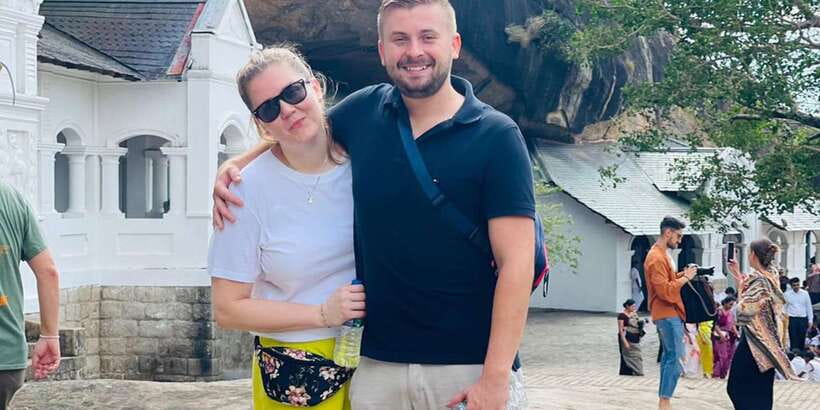
The day kicks off with a visit to the Matale Hindu Temple, which is a nice contrast to the more famous drawcards on this route. It sets a respectful tone early, and it’s also a way to see Sri Lanka’s religious life beyond the big-ticket heritage sites.
What you’ll likely notice is the feeling of being among worshippers, not just watching a monument. That changes the whole vibe of the day. Even if you’re not deep into Hindu symbolism, being there helps you understand the living side of culture—people go to places like this as part of daily spiritual routines.
A practical note: religious sites often ask for basic etiquette (covering appropriately, staying mindful in quiet areas). Dress for comfort and modesty, then adjust as needed.
Dambulla Cave Temple and the Golden Temple: why this stop earns its reputation
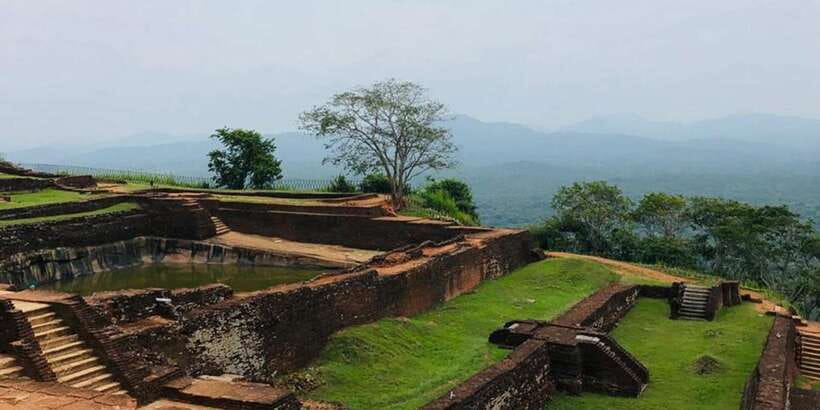
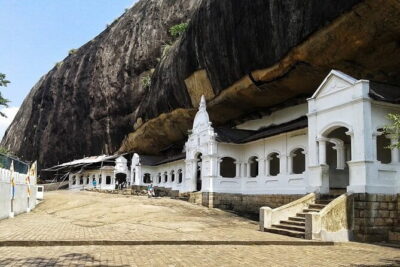
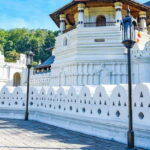
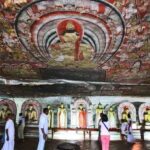
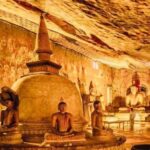
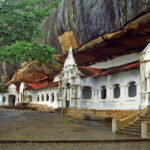
Next comes Dambulla Cave Temple, including the Royal Cave Temple area and the Golden Temple component. This is UNESCO-listed heritage, and the reason it matters is simple: you’re seeing art and sacred imagery built into natural rock spaces.
The cave setting changes how you experience the paintings and statues. You’re not looking at a flat museum wall—you’re moving through a place designed to feel like a shrine. The statues and cave paintings give you layers to notice, and even without a super detailed background, a good guide helps you pick out what you’re looking at.
Time here is generous in the plan, around two hours, which is about right. It gives you room to walk at your pace, pause for photos, and absorb what’s in front of you without feeling chased.
One drawback to keep in mind: caves can be cooler but still involve steps and uneven surfaces. If you have any mobility issues, plan your pace carefully and use the handrails where they’re available.
Herbal cinnamon and spice garden: learn the flavors, but watch the shopping trap
Then you hit the Herbal Cinnamon and Spice Garden, guided, with a focus on Sri Lankan spices. This is one of those stops that’s either memorable or forgettable—depending on what you like.
If you enjoy learning what’s behind flavors (and you like smelling herbs and spices in real form), you’ll probably find this time useful. Cinnamon and related spices are a big deal in Sri Lanka’s food, and a guided explanation helps the garden feel more than just a break in the itinerary.
Here’s the balanced part: one of the best pieces of practical advice from the experience is to be careful with the selling angle. Some people feel the garden can turn into an upsell moment with overpriced items. You don’t need to reject it entirely—just treat it like a sensory learning stop. Enjoy the aromas, ask questions, and if you decide to buy, keep your budget tight.
If you’re not into shopping at all, plan to spend your time watching and learning, not browsing.
Sigiriya village safari plus wildlife safari: the day turns human, then wild
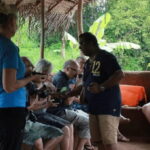
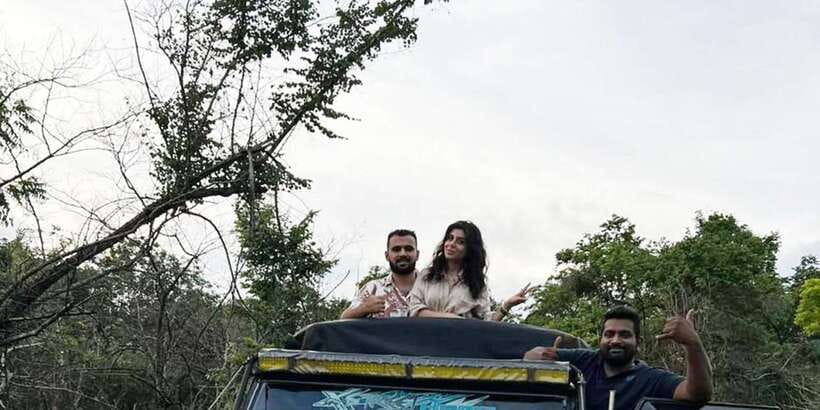
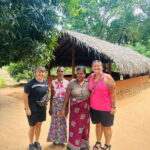
After temples and spices, the tour moves into rural life with a Sigiriya Village Safari. This is one of the most praised elements, and for good reason. You get cultural interactions that feel more personal than the typical “look and move on” sightseeing.
This is where you see craftsmanship and everyday life in a way that helps you understand the region’s rhythms. Instead of being only a visitor to stone monuments, you’re a temporary participant in the local story—listening, observing, and asking questions. It also helps break up the rock-climb intensity later.
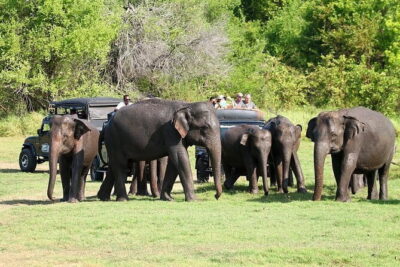
Then the plan shifts again to a wildlife safari segment, focusing on spotting flora and fauna in their natural habitat. Wildlife time adds unpredictability, which is a welcome change after predictable cultural stops. It’s also a reminder that this whole area isn’t only about heritage—it’s a living ecosystem.
A practical thought: wildlife spotting can never be guaranteed. What you can count on is the chance to see the environment up close. Go with curiosity, not expectations of a specific animal.

Sigiriya Lion Rock or Pidurangala Rock: pick your climb and expect stairs
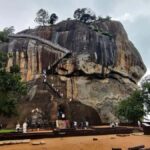
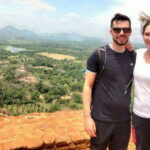
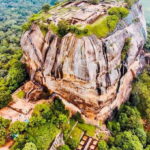
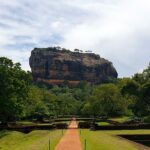
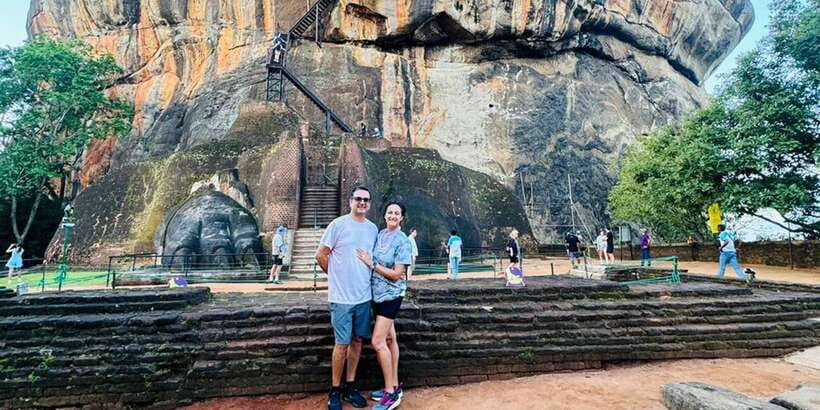
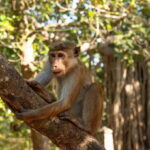
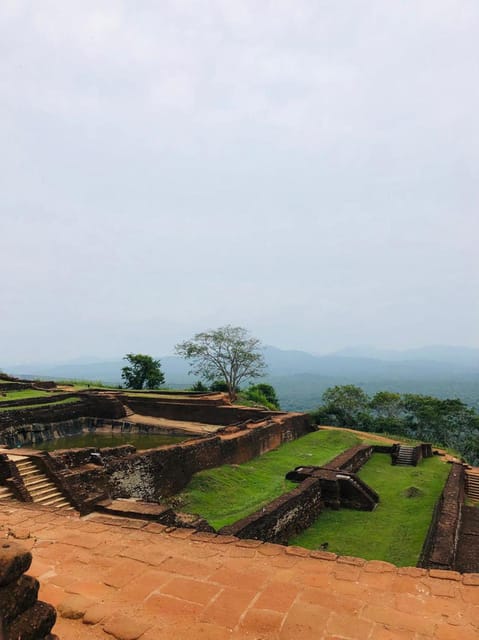
The final big payoff is choosing between Sigiriya Lion Rock and Pidurangala Rock for climbing. This choice can make or break the day depending on your fitness level and comfort with stairs.
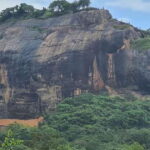
If you choose the smaller rock option (often the steeper, shorter-feeling climb), plan for about one hour of climbing time and expect it to be steep. Wear comfortable clothes you can move in, and bring water. Sun matters here more than you’d think, even if the morning started cool.
If you choose Sigiriya Lion Rock, expect a bigger commitment. The main point is not just “harder,” but “more time and more stairs.” Even if the exact difficulty varies, your body will feel the difference. You’ll want a calm mindset and the kind of pacing that lets you stop when needed.
My tip: if you want the view but you’re not chasing max effort, the rock choice is your lever. Choose the climb that matches your day-energy. You’ll enjoy the views more when you’re not suffering the whole last hour.
Back to Kandy: your final window and how to use it
The tour returns to Kandy with a two-hour window for a visit, then you’re brought back to your starting area. This part is valuable because it prevents the day from ending abruptly after the hardest physical segment.
That extra time can help you reset, grab a snack, or simply wander at your own pace. Since the plan includes drop-off flexibility (hotel or a central location), you’re not forced into another long transfer right away.
If you’re the type who likes to see one more slice of the city, this is when you do it. If you’re tired, it’s also the time to rest without feeling like you “missed” something—you already did the big sites.
Price and value: is $45 per person actually fair?
At $45 per person for a full 8-hour day, the value depends on what you care about. If you want a guided route that covers major heritage spots plus rural life plus safari time, it’s a strong deal. You’re paying for convenience, local guidance, and the fact that multiple distant segments are handled in one plan.
You’re also getting real support from the guide. One highlight was how Asham stayed attentive and even gave helpful advice about how to use your time at different places. That kind of guidance can save you from wasting money or wandering into the wrong area at the wrong time.
Where the value can feel uneven is if you dislike spice-garden-style shopping moments. Since the garden is part of the experience, you can’t remove it. But you can manage it—focus on the learning and keep purchases optional.
In plain terms: this is good value for a well-organized day that mixes big names with real interactions, as long as you’re okay with active walking and stairs.
Who this tuk tuk safari suits best (and who should skip it)
This tour fits best if you want a packed but not chaotic day where you see multiple types of Sri Lanka: temples, spices, village life, wildlife habitat, and a rock climb. It also suits you if you enjoy having a guide who stays involved—Asham-style attention makes a difference when you’re moving between very different settings.
It’s less ideal if you’re someone who wants minimal walking, flat terrain only, or a very calm day with few physical demands. Even the cave and temple walking can add up, and the rock options mean stairs.
Also, the tour is not suitable for pregnant women, and it doesn’t allow pets (assistance dogs are the only exception mentioned). If that applies to you, you’ll need a different plan.
Practical tips before you go (so the day stays fun)
Bring the basics that this kind of day-trip needs:
- Change of clothes, especially if you’ll be sweating
- Camera
- Cash, including small bills
Cash matters because some stops ask for cash. Also pack sunscreen, and plan for water and snacks. One of the smartest pieces of advice that came out of this experience was to come prepared like it’s a long, hot day—because it is.
Clothing tip: if you’re doing either rock, wear comfortable shoes and clothes you can climb in. Avoid sandals that slip. The “steep” part is real, especially on the smaller rock option.
Should you book this Kandy to Sigiriya tuk tuk safari?
Book it if you want one day that combines major heritage sites with rural culture and a real nature segment, all without the hassle of juggling multiple tickets and drivers. The guide attention and the way the day is paced are the reason this works for many people—Asham’s support helps you spend time where it counts.
Skip it (or choose a different style tour) if stairs and heat stress you out, or if you hate any shopping-heavy stops. And if the idea of climbing isn’t your thing, you may want to reconsider the rock segment choice.
If you’re flexible and you come prepared—especially with cash, water, sunscreen, and comfortable climbing clothes—this is a strong way to connect Kandy to Sigiriya in a single, memorable day.
FAQ
What is the duration of the Kandy to Sigiriya tuk tuk tour?
The tour duration is listed as 8 hours.
How much does the tour cost?
The price is $45 per person.
What time does the tour start?
Starting times vary, so you’ll need to check availability to see the exact pickup start time.
Where do I get picked up?
Pickup is included from Kandy. You should wait in the hotel lobby 30 minutes before the scheduled pickup time.
What language does the driver/guide speak?
The driver is listed as English.
What major sites are included on the route?
The plan includes the Matale Hindu Temple and the Dambulla Cave Temple (including the Golden Temple area).
Is a spice garden visit included?
Yes. You get a guided tour of a Herbal Cinnamon and Spice Garden.
Is there a wildlife component?
Yes. The tour includes a wildlife safari experience.
Do I climb Sigiriya or Pidurangala?
You can choose between climbing Sigiriya or Pidurangala Rock.
What should I bring, and is cash required?
Bring a change of clothes, a camera, and cash. Cash is recommended because most places ask for cash and small bills.