One day. Three ancient sites. Big views. This tour strings together the Cultural Triangle highlights with a Sigiriya climb, Dambulla cave murals, and Polonnaruwa sights, all starting with an early pickup from Kandy. Along the way you also get a hands-on stop that goes beyond monuments: the Matale Spice Garden and a wood-carving workshop.
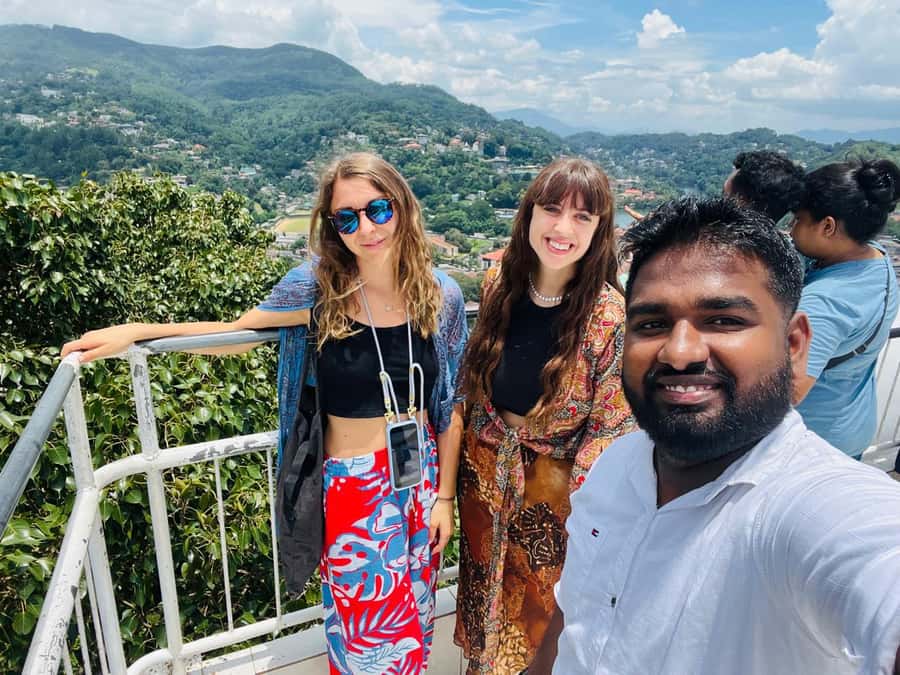
What I like most is how much you cover without feeling totally rushed, thanks to a small group limited to just 3 participants and a live English guide. In the feedback I saw strong praise for guides like Sachintha and Menuka for safety, flexibility, and answering questions in a way that makes the sites click.
One drawback to plan for: Sigiriya takes a fair bit of walking and climbing, and it may be tough if you have vertigo or fear of heights. It’s also not a good fit for wheelchair users, and it isn’t recommended if you have back problems or are pregnant.
In This Review
- Key things to know before you go
- Why this Kandy day tour makes sense (and what you’re trading for)
- Matale Spice Garden: learning Sri Lanka’s flavors in plain sight
- Dambulla Cave Temple: UNESCO murals you should take your time with
- Sigiriya Rock Fortress: the climb, the views, and the crowd math
- Polonnaruwa and the Gal Vihara: when ruins become sculpture
- Wood carving workshop: watching craft, not just buying souvenirs
- How the day fits together: timing, transport, and walking reality
- Guides who make it feel personal: Sachintha and Menuka
- Value vs. expectations: what you’re really getting
- Who should book this tour (and who should skip)
- Should you book this Kandy-to-Cultural-Triangle day tour?
- FAQ
- What time does pickup from Kandy start?
- Is this tour guided, and in what language?
- How many people are in the group?
- How long is the day tour?
- What should I bring?
- Is smoking allowed during the tour?
- What if I have vertigo or I’m pregnant?
Key things to know before you go
- Small group (max 3): More personal attention than typical bus tours.
- 7:30 Kandy pickup: A proper early start to beat the worst crowds and heat.
- UNESCO Dambulla Cave Temple: Ancient Buddhist murals and statues in a temple setting.
- Sigiriya Rock Fortress climb: Panoramic views, but real steps and uneven terrain.
- Polonnaruwa’s Gal Vihara: A standout stop for Buddha statues in an ancient city layout.
- Spice garden + wood carving factory: You get local craft and everyday culture, not just ruins.
Why this Kandy day tour makes sense (and what you’re trading for)
If you’re based in Kandy and want the Cultural Triangle hits without changing hotels, this one-day plan is a practical choice. You’re covering Sigiriya, Dambulla, and Polonnaruwa in a single push, which is efficient for time—especially if you’re on a tight schedule.
The trade-off is that it’s a long day. Expect a sequence of walking, ticket lines, sun exposure, and a couple of sites where you’ll want to pause for photos and details. If you’re the kind of traveler who likes slow browsing, you’ll need to keep your expectations realistic: this is a “see a lot, see it well” day, not a relaxed Sunday stroll.
You can also read our reviews of more tours and experiences in Dambulla.

Matale Spice Garden: learning Sri Lanka’s flavors in plain sight
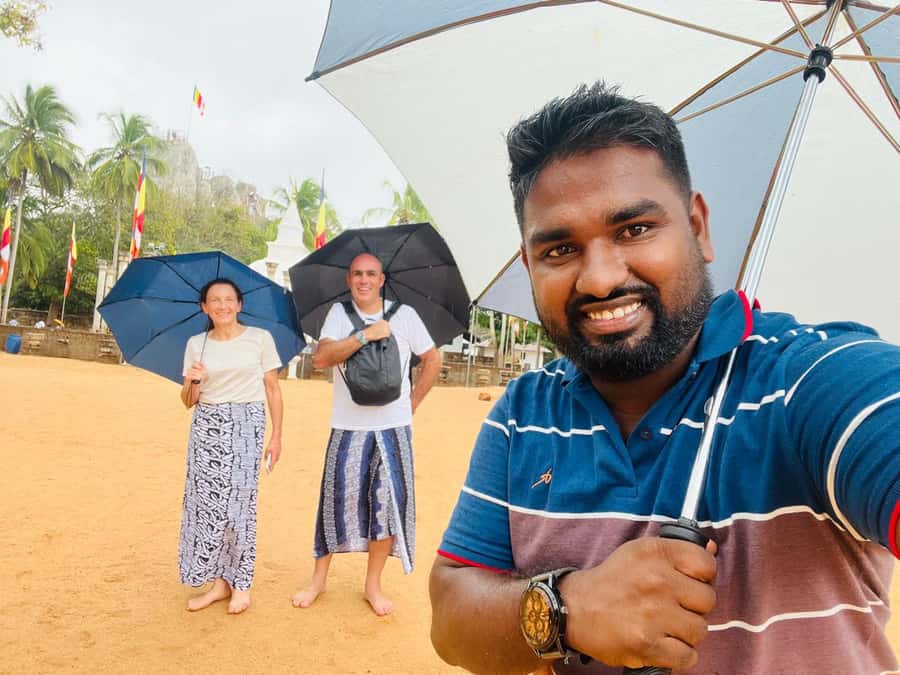
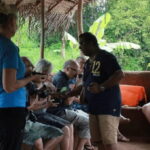
Your day starts with a stop at the Matale Spice Garden. This is one of those experiences that can either feel touristy or genuinely useful, depending on how the guide explains it. Here, the idea is simple: you walk through the garden and learn how Sri Lanka’s famous spices are connected to everyday life—smell, taste, and local knowledge.
What I like about this stop is the timing. You do it before the temples and the rock fortress, when your energy is still high and you’re not yet foot-sore from major sightseeing. Also, it sets context for what you’ll see across Sri Lanka: different regions and traditions shaped by the same land.
Practical advice: wear breathable clothes and use your hat and sunscreen early. Even if the garden itself isn’t intense walking, you’ll still be in open sun. Bring water and actually drink it—heat builds up fast when you’re going from site to site.
Dambulla Cave Temple: UNESCO murals you should take your time with
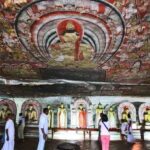
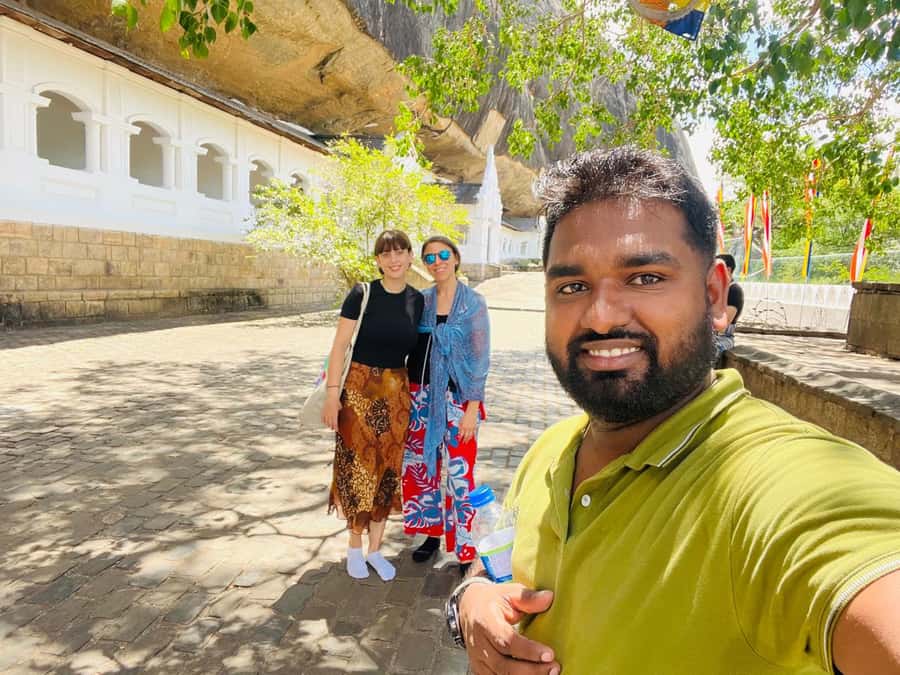
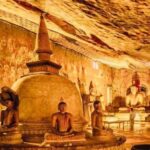
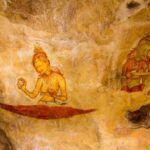
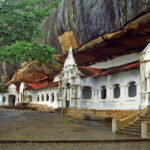
Next is the Dambulla Cave Temple, a UNESCO World Heritage site known for its Buddhist murals and statues. This is the kind of place where the first glance is impressive, but your second and third look are where it gets meaningful. You’ll notice the scale of the rock-carved space, and the way the artworks help tell stories about belief and devotion.
A heads-up that keeps you from ruining the experience: follow temple etiquette and treat the place with respect. That means keeping your voice down, dressing appropriately for a religious site, and moving carefully in crowded sections. Photography is allowed, but you should avoid flash inside the temples—flash can feel intrusive and it’s also just not practical when others are trying to see.
One thing you’ll be glad for on a day like this: a live English guide. When you have someone pointing out what you’re actually looking at, these cave interiors stop being a “pretty background” and start becoming a real viewing experience.
Sigiriya Rock Fortress: the climb, the views, and the crowd math
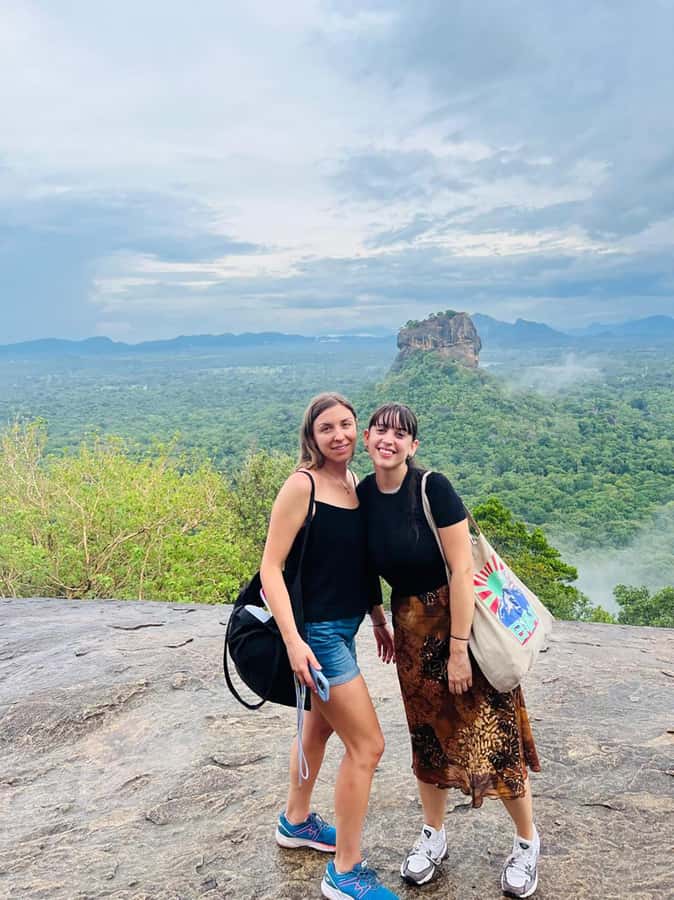
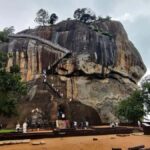
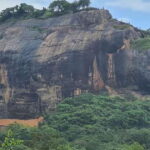
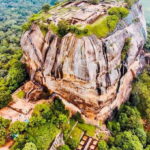
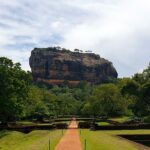
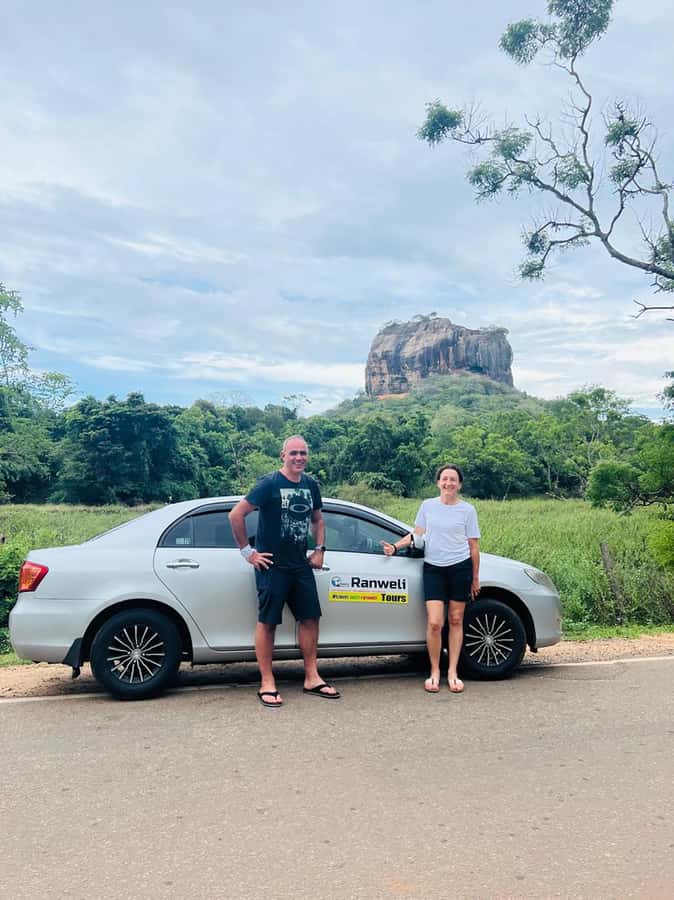
Then comes the signature moment: climbing the Sigiriya Rock Fortress, often called Lion Rock. This is the part that draws people in. The climb is steep in places, the steps can feel endless, and the terrain isn’t perfectly smooth. But once you’re up high, the panoramic views are exactly what the marketing promises.
What makes this stop work on a tour is that you’re not just climbing—you’re also learning its historical significance along the way. That transforms it from a physical challenge into a story you can picture.
Crowds are real here. Plan for a busy atmosphere, especially at the main viewpoints. If you’re sensitive to crowds, go at the pace your body allows and take short breaks when you need them. The goal isn’t to sprint; it’s to stay steady so the final views feel rewarding instead of exhausting.
Safety and suitability matter. The climb may be challenging if you have vertigo or fear of heights. It’s also a day with a significant amount of walking, so comfortable shoes are non-negotiable.
Polonnaruwa and the Gal Vihara: when ruins become sculpture
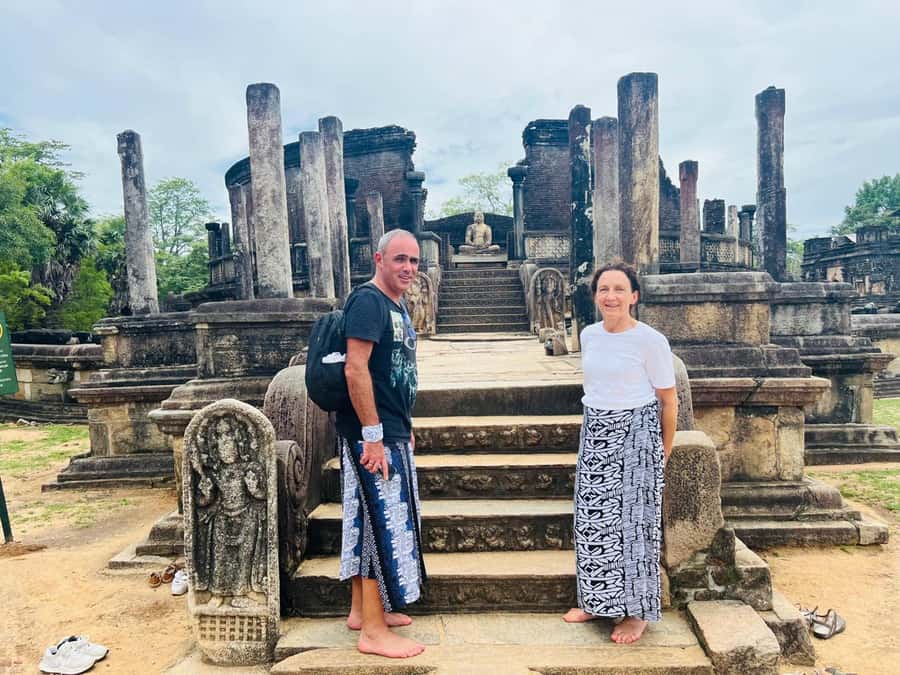
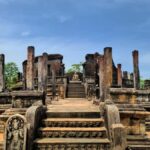
After Sigiriya, your day includes the ancient city of Polonnaruwa, including Gal Vihara. This is a strong complement to Dambulla and Sigiriya because it’s a different kind of visual experience. Dambulla is about cave interiors and painted surfaces; Polonnaruwa shows Buddhist art in built forms across an ancient city.
Gal Vihara is a highlight because it’s centered on large Buddha statues in a single viewing context. The way the figures sit together helps you understand the space as more than isolated monuments. It’s a calm, architectural kind of impact—less “climb and conquer,” more “stop and look.”
What I’d suggest for this part of the day: give yourself a few slow minutes. Polonnaruwa can blur if you’re rushing between stops. When you slow down just a bit, you’ll start noticing layout, statue grouping, and the overall feel of the site.

Wood carving workshop: watching craft, not just buying souvenirs
Between the big-ticket ruins, the tour makes room for something more hands-on: stopping at a wood carving factory and watching skilled craftsmen create wood carvings. This is one of those stops that often gets skipped on “ruins only” days, but it adds real value.
Why it matters: you’re seeing technique. You can understand the craft better when you watch hands working, not when you just browse finished items. Even if you don’t buy, it’s a chance to connect the region’s creative traditions with what you’ve seen in temples and stone.
If you do want a souvenir, go in with eyes open. Look at details and ask questions about process if your guide has time. Quality usually shows up in the fine work, not in fast mass-production.
How the day fits together: timing, transport, and walking reality
This is a full day tour, with pickup from Kandy at a 7:30 start and a return to Kandy in the evening. That early departure is what makes the plan workable. It also helps you manage heat and crowds, especially for the big sightseeing moments.
You should plan for:
- A significant amount of walking (comfortable shoes are essential).
- Sun exposure (bring a hat and sunscreen).
- Long stretches sitting in transport between sites.
The good news: the tour uses a live English guide and includes pickup, so you aren’t stuck sorting logistics on your own. The small group also helps with pacing. You’re less likely to feel like you’re being herded into a stampede.
Guides who make it feel personal: Sachintha and Menuka
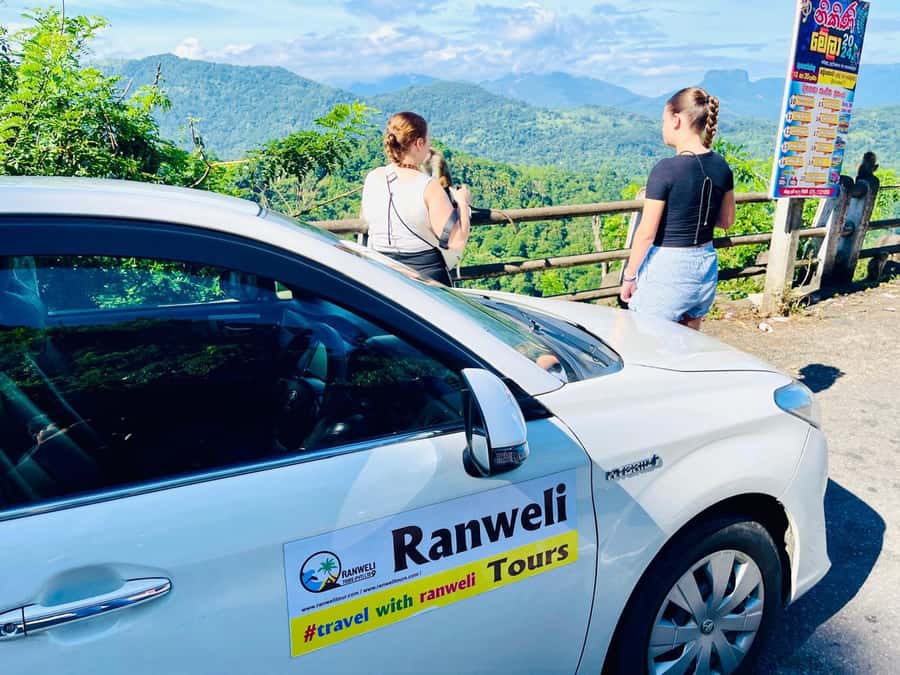
What stood out in the feedback wasn’t just that guides were present—it was how they guided. People praised guides like Sachintha for caring attention, and Menuka for driving safely and adapting the route based on priorities.
That last point is practical. When you’re visiting multiple major sites in one day, your priorities can change on the ground: one person may care more about views, another about murals or statue details. A good guide helps you spend time where it actually matters to your group.
So if you value someone who can explain what you’re seeing and keep the day smooth, this tour’s guide focus is one of its strongest selling points.
Value vs. expectations: what you’re really getting
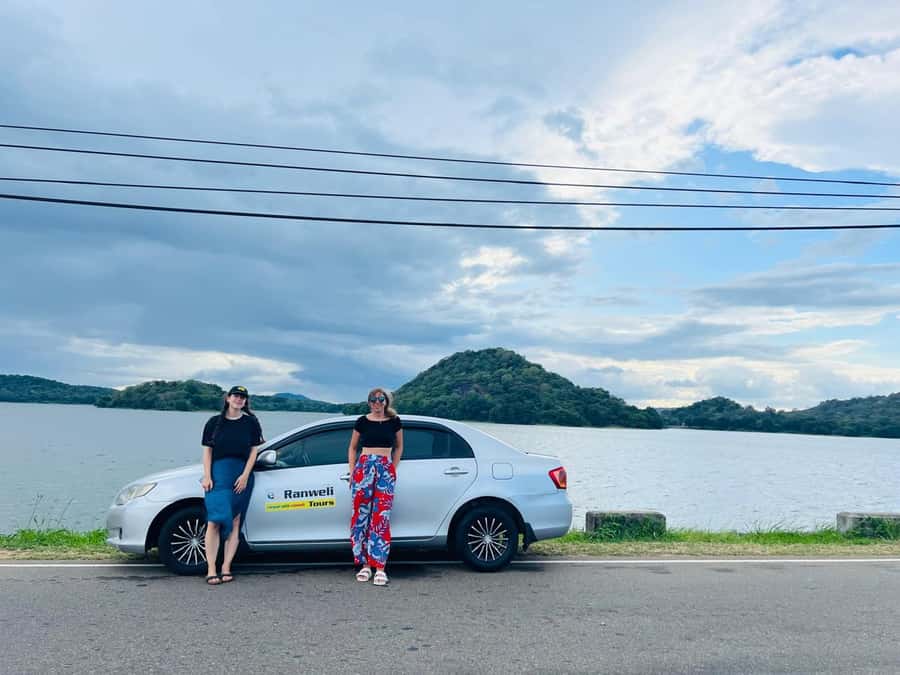
There’s no single “best” way to do these sites from Kandy—some tours go faster with less explanation, others stretch into multiple days. This one-day format is best viewed as a value play for time: you’re getting multiple Cultural Triangle icons plus a spice garden and craft stop in the same day.
The value becomes clearer when you compare what’s included:
- A live English tour guide
- Pickup from Kandy at 7:30
- Major sights: Dambulla Cave Temple, Sigiriya Rock, and Polonnaruwa (including Gal Vihara)
- Cultural extras: Matale Spice Garden and wood carving
- A small group experience, capped at 3 participants
The expectation check: you’ll be busy. If your ideal trip is slow and low-stress, you might prefer splitting it into more than one day. But if you want a concentrated hit of Sri Lanka’s cultural highlights, this format is efficient and well-rounded.
Who should book this tour (and who should skip)
This tour fits you if:
- You want to see Sigiriya, Dambulla, and Polonnaruwa in one day from Kandy.
- You like guided context, not just photo stops.
- You prefer a small group size.
You should probably skip or choose another plan if:
- You’re pregnant, have back problems, or use a wheelchair.
- You have vertigo or strong fear of heights (Sigiriya climbing may be challenging).
- You hate crowded viewpoints and long walking days.
If you’re on the fence, think about your limits. You don’t need to be an athlete, but you do need to be comfortable with uneven terrain, steps, and spending several hours outdoors.
Should you book this Kandy-to-Cultural-Triangle day tour?
If you’re based in Kandy and want the headline sites without extra hotel transfers, I think this is a smart book. You get major UNESCO-level stops, a signature rock fortress climb, and the kind of cultural side visits (spices and wood carving) that make the day feel more like Sri Lanka than a checklist.
I’d only hesitate if you know Sigiriya climbing is not your thing—vertigo, fear of heights, or mobility limits. For everyone else, bring the right gear, pace yourself, and treat the temples respectfully. Done well, this is the kind of day that turns into real memories, not just photos on your phone.
FAQ
What time does pickup from Kandy start?
Pickup is included with a 7:30 start time.
Is this tour guided, and in what language?
Yes. There is a live tour guide speaking English.
How many people are in the group?
The group is limited to 3 participants.
How long is the day tour?
It’s valid for 1 day, and it returns to Kandy in the evening.
What should I bring?
Bring comfortable shoes, a hat, a camera, sunscreen, and water.
Is smoking allowed during the tour?
No. Smoking is not allowed.
What if I have vertigo or I’m pregnant?
This tour is not suitable for people with vertigo and it is also not suitable for pregnant women. It’s also not recommended for wheelchair users or people with back problems.