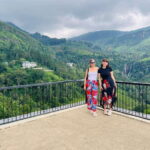
Rice fields, a lake ride, and lunch you’ll remember.
This short tour gives you a real taste of rural Sri Lanka—paddy fields on foot, a traditional cart ride, then a calm catamaran glide. You also get the kind of cultural context you’d struggle to piece together on your own, especially the practical talk around chena cultivation and how villagers live with the land.
I like how the day is well organized and keeps moving without feeling rushed, which matters when you’re combining transport, walking, and food. I also love that you’re not just watching—there’s a hands-on cooking demonstration and tasting afterward. One heads-up: the bullock cart segment may tug at your heart if you’re uncomfortable seeing working animals up close, and I think that’s a fair consideration.
In This Review
- Key highlights you’ll actually feel
- Why Dambulla Village Feels Different From the Usual Day Trips
- Pickup to Paddy Fields: How the 4 Hours Are Set Up
- Dambulla Guided Walk: Views First, Context Close Behind
- Bullock Cart Ride Through Green Rice Country
- Catamaran Time on the Lake: Quiet Water and Bird Spotting
- Chena Farming: Learning the Land’s Logic, Not Just the Facts
- Cooking Demonstration in a Rural Home, Then a Lunch Built from Local Ingredients
- Transport, Timing, and the Comfort Factor (What $30 Really Buys)
- Who Should Book This Tour, and Who Might Skip It
- Should You Book This Dambulla Village Odyssey?
- FAQ
- How long is the Dambulla Village Tour with Traditional Lunch?
- Where are the pickup and drop-off locations?
- What’s included in the price?
- Do you get a lunch on the tour?
- Is the tour private or shared?
- What language is the guide?
- What should I know about cancellation and weather?
Key highlights you’ll actually feel
- Bullock cart ride through green paddy fields, slow-paced and close to village life
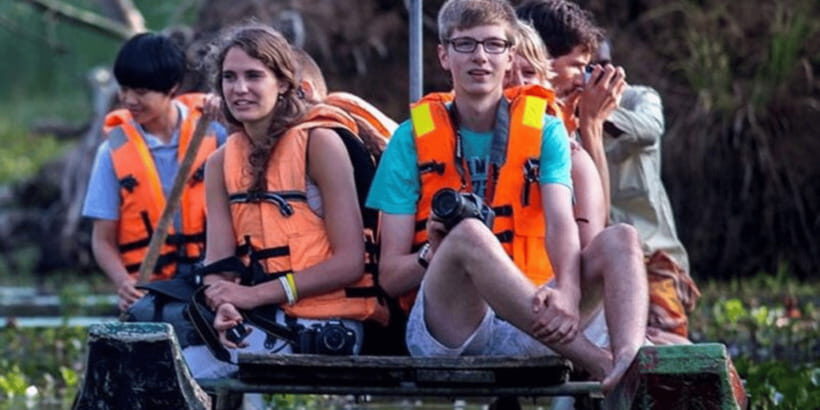
- Catamaran ride on the lake, often with birds around you if conditions are right
- Guided village walk plus a safety briefing so you know what’s going on
- Chena farming lessons explained in a way that connects food and land
- Hands-on Sri Lankan cooking demo followed by lunch with local ingredients
Why Dambulla Village Feels Different From the Usual Day Trips
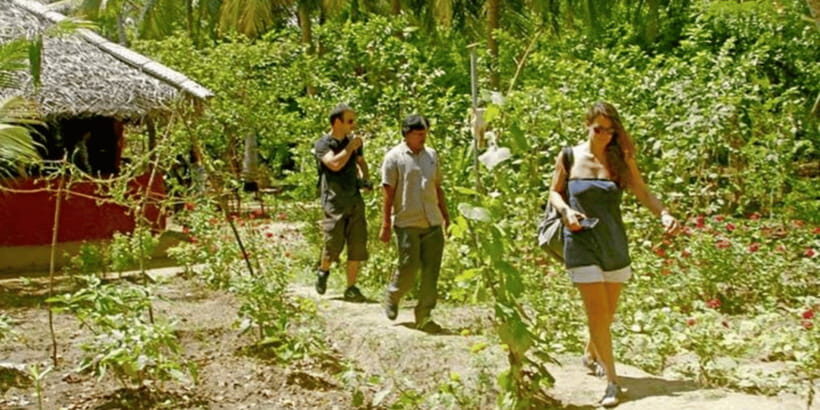
Most Sri Lanka day trips hit the big sights and call it culture. This one is more about the everyday rhythm—how farming, food, and community hang together. You spend your time on rural roads, in the fields, and on the water, not just in a temple courtyard with a long line.
The whole trip is built around simple, traditional ways of moving through the area. That makes it feel “lived in,” not staged. And when you add the chena farming explanation and a real cooking demo, the lunch stops being an afterthought and becomes the point of the story.
The format also helps: you get a guided experience with a local guide and a clear flow, so you’re not doing guesswork between stops. For most people, that alone is worth choosing a tour over DIY.
You can also read our reviews of more tours and experiences in Dambulla.

Pickup to Paddy Fields: How the 4 Hours Are Set Up
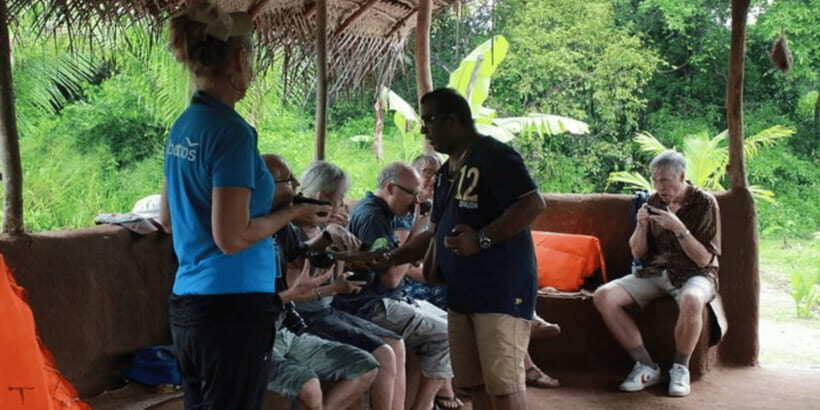
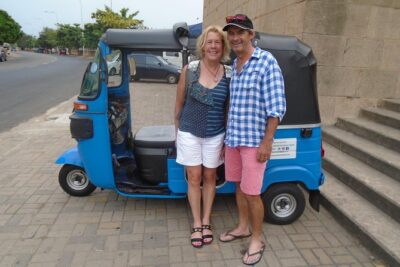
Your day starts with hotel pickup and drop-off by tuk-tuk, with four pickup options: Kandalama, Dambulla, Sigiriya, or Habarana. Then you ride by tuk-tuk for about an hour to reach the starting area around Dambulla, where the guided part begins.
Once you’re there, expect a structured sequence: guided sightseeing and walking for around 75 minutes, with stops that fit what you’re moving through (fields, viewpoints, and village areas). You’ll also get a safety briefing—important because you’re switching between walking, riding, and boarding a small boat.
After the outdoor and transport time, the schedule shifts into food and home cooking. The lunch and cooking demonstration together take about 1.5 hours, so you’re not stuck eating quickly and running off. When that’s done, you’re back on the tuk-tuk for about 1.5 hours before drop-off at one of the four locations.
This pacing matters. A lot of short tours squeeze in too much and you end up tired and under-informed. Here, the “learn + do + eat” rhythm is the whole design.
Dambulla Guided Walk: Views First, Context Close Behind
During the guided segment, you’ll get a mix of scenic views and a walk through the village area. This part is where your guide helps you connect what you see—fields, the layout of rural life, and day-to-day farming work—to the bigger idea of how people survive and thrive here.
Even the short walk is useful because it sets expectations for the rides that come after. If you know what you’re looking at—what chena farming is, why certain areas are cultivated differently—you’ll enjoy the cart and boat parts much more.
If you prefer tours that give you a short “why this matters” explanation rather than just pictures, you’ll like this portion.
Bullock Cart Ride Through Green Rice Country
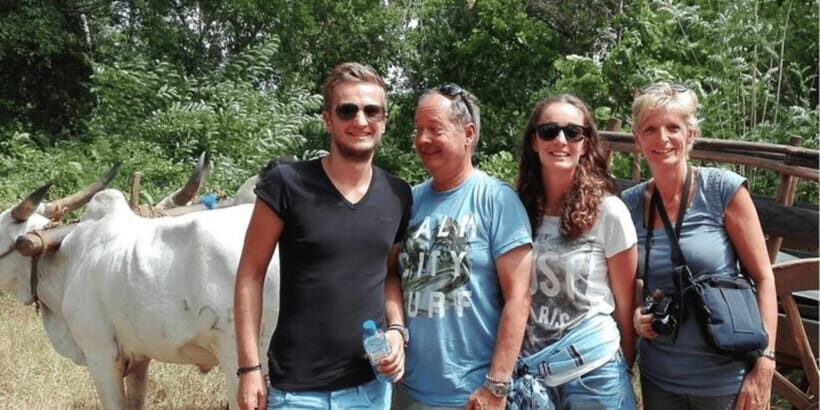
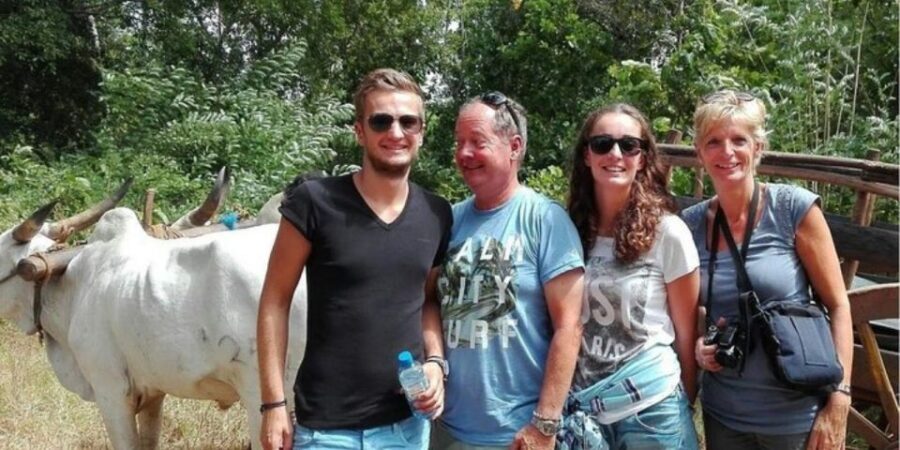
The bullock cart segment is the iconic feeling piece of the tour. You travel through the countryside in a traditional way, with plenty of time to look around rather than being bounced past everything at speed.
From the experience itself, the vibe is slow and close. One reason this works well on a 4-hour itinerary is that it gives you contrast: walking on land, then switching to a steady ride that keeps you relaxed enough to take in the paddy fields.
Practical note: the cart experience involves an animal on the trip. One traveler specifically felt sympathy for the ox and thought that portion could be improved or shortened. I’d take that seriously if you’re sensitive to animal welfare or you prefer tours that avoid working animals.
Still, for many people, this is the most “hands-on tradition” moment on the schedule—just go in with eyes open and be comfortable with the trade-off.
Catamaran Time on the Lake: Quiet Water and Bird Spotting
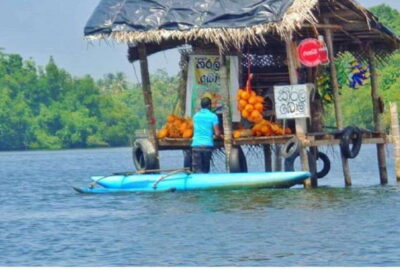
Then comes the water. You’ll glide across the lake on a traditional catamaran ride, guided and paced for sightseeing. This is the reset button on the day—after fields and carts, the water gives you a calm, open view and a different set of wildlife cues.
One standout detail from real experience: people have seen many birds during the catamaran segment. That’s not guaranteed every day, but it’s the kind of bonus that happens when you’re not rushing and you’re actually out there on the water.
You also get a better sense of how the local environment shapes daily life. In places like this, water isn’t decoration—it’s part of how farming and community work. Seeing the area from the lake helps the chena talk later make more sense.
A small consideration: you might feel the ride is a bit short if you’re hoping for a long, photo-heavy cruise. One reviewer wished the boat portion could last longer. I’d call it enjoyable and scenic, not a full-day boating experience.


Chena Farming: Learning the Land’s Logic, Not Just the Facts
Chena is an ancient agricultural practice, and this tour uses it to connect people to the land. You’ll learn about chena cultivation as part of the guided rural experience, with explanations that fit the setting you’re in—paddy areas, village structures, and fields you can actually see.
Why that matters: a lot of “agriculture” tours talk abstractly. Here, you’re moving through the landscape and then getting the meaning behind what you see. When you can point to the environment and say, this is why they farm this way, the information sticks.
It’s also a better fit than museum-style culture lessons. You get the logic of local agriculture, and you understand why food and farming aren’t separate topics—they’re the heart of village life.
If you’re the type who enjoys a practical explanation—how land use works, what people do and why—you’ll likely find this is the most educational part of the day besides the cooking.
Cooking Demonstration in a Rural Home, Then a Lunch Built from Local Ingredients
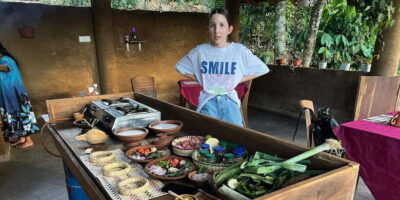
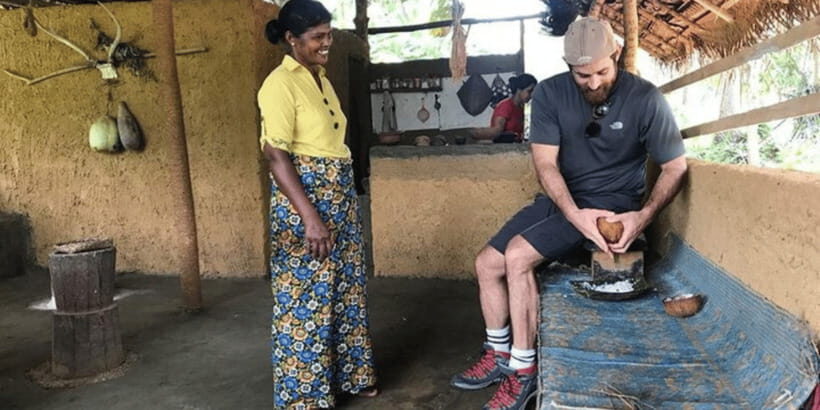
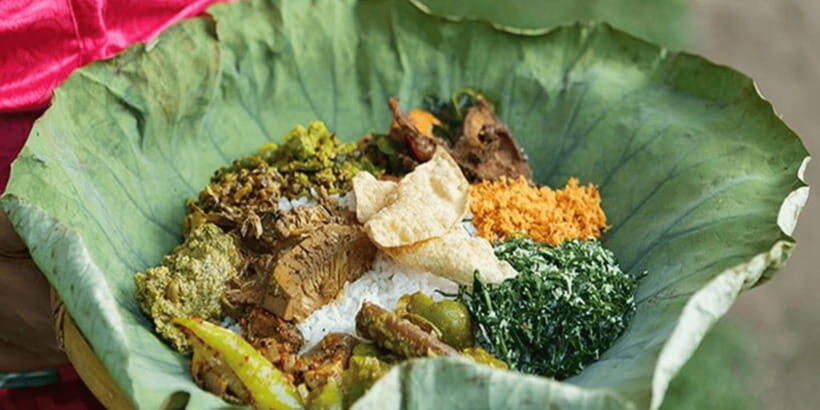
This is the part you’ll most likely talk about later. You’ll step into a welcoming rural home for a traditional cooking demonstration, then enjoy an authentic Sri Lankan lunch made with fresh, local ingredients.
The value here isn’t only that lunch is included. It’s that you watch how the food comes together and get a chance to taste what you helped learn about. That transforms lunch from a meal into a mini cultural lesson you can literally put in your mouth.
If you like food experiences that are interactive—asking questions, learning basic techniques, and understanding ingredients—you’ll get more out of this than a standard buffet lunch.
Now, keep expectations grounded: it’s a cooking demo, not a professional culinary workshop. But on a 4-hour tour, it hits a sweet spot between storytelling, practicality, and eating something real.
And yes, people have rated the lunch highly—often describing it as excellent—and they’ve found the cooking process genuinely interesting to watch.
Transport, Timing, and the Comfort Factor (What $30 Really Buys)
At about $30 per person, you’re paying for more than transportation. You’re getting:
- Pickup and drop-off by tuk-tuk from Kandalama/Dambulla/Sigiriya/Habarana
- A local English-speaking guide
- Two traditional experiences (bullock cart and catamaran)
- A cooking demonstration plus lunch and local snacks
- All government taxes
In other words, you’re bundling multiple activities that would cost time and money if you tried to stitch together separately. For a short trip, that makes the price feel fair.
The time length helps too: it’s only 4 hours total, so it’s a good add-on when you want a cultural “dose” without giving up your whole day. It’s also a good match if you’re already based near Dambulla, Sigiriya, or Kandalama and want something different from temples and rock views.
Comfort-wise, expect that the day includes walking plus open-air rides. Wear comfortable shoes and bring something light for sun or occasional breeze on the water.
Who Should Book This Tour, and Who Might Skip It
I’d recommend this tour if you want a countryside day that includes both movement and meaning. It’s ideal for food lovers, people curious about farming, and anyone who likes traditional experiences (cart ride, water ride) paired with real local hospitality.
It also works well for families traveling with kids, since children 4 years + 11 months and younger are complimentary when accompanied by a paying adult. (All children must be accompanied by an adult.)
I’d think twice before booking if you strongly dislike the presence of working animals. The bullock cart segment can be emotionally tough for some people, and one traveler specifically felt that part could be removed or handled differently.
Should You Book This Dambulla Village Odyssey?
If you want a short, well-structured rural experience with a strong food component, I’d say book it. The combination of guided walking, bullock cart and catamaran rides, chena farming context, and a hands-on cooking demo makes it more complete than most “scenic + lunch” half-days.
Choose it especially if you care about getting your money’s worth through inclusion: lunch, snacks, rides, guide, and taxes are all part of the package. And based on what people highlight most—organization, a fun catamaran ride (including birds), and excellent lunch—this tour has earned its reputation.
Just go in with clear expectations: it’s traditional, sometimes involves animals up close, and the water segment is enjoyable but not long. If you’re okay with that, it’s a very solid way to spend a few hours in the Dambulla countryside.
FAQ
How long is the Dambulla Village Tour with Traditional Lunch?
The tour lasts about 4 hours.
Where are the pickup and drop-off locations?
You can be picked up from Kandalama, Dambulla, Sigiriya, or Habarana, and dropped off at those same four locations.
What’s included in the price?
It includes hotel pickup and drop-off by tuk-tuk, a local guide (English), bullock cart and traditional catamaran rides, a traditional cooking demonstration with an authentic Sri Lankan lunch (plus local snacks), and all government taxes.
Do you get a lunch on the tour?
Yes. You’ll enjoy an authentic Sri Lankan lunch prepared using local ingredients, along with local snacks and tasting during the cooking demo.
Is the tour private or shared?
It’s a private group tour.
What language is the guide?
The live tour guide is English.
What should I know about cancellation and weather?
You can cancel up to 24 hours in advance for a full refund. The activity may be canceled due to inclement weather, with the option to reschedule or receive a refund.