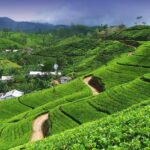
Tea hills, real work, and a quick factory tour. This one-day experience in Nuwara Eliya mixes hands-on tea plucking with a guided look at how Ceylon tea is made. You also get a structured tasting so you can connect what you see in the factory to what you taste in the cup.
What I really like is the hands-on plucking. You’ll feel the dew-kissed leaves as you select the freshest tips, then learn why altitude, rain, and sun matter for the flavor. You also get clear tea-grading context, including terms like orange pekoe and broken leaf, which makes the whole process click faster.
One thing to consider is value for money. The factory portion can feel brief for the price, and at least one person was surprised by how shop-focused the experience can become. If you’re price-sensitive, it’s worth thinking through what you want most: the plucking part, or a longer factory visit.
In This Review
- Key highlights that matter
- Tea Plucking From Nuwara Eliya: why this experience works
- Morning pickup and the ride up into tea country
- Picking tea leaves: what you learn with your hands
- Tea factory time at Pedro: what happens between the leaves and the cup
- What you should mentally prepare for
- The tasting room: how to compare flavors like a tea nerd
- A heads-up about snacks
- The plantation photo moment and the tea shop finale
- Price and value: is $53 per person fair for what you get?
- Who this tour suits best (and who should skip it)
- What to bring and how to make the most of the day
- Should you book the Tea Plucking & Tea Factory tour?
- FAQ
- Where does the tour pickup happen?
- How long is the tour?
- How long do you spend at Pedro Tea Factory?
- Is the tour private?
- What’s included in the price?
- What language is the guide?
- What should I wear?
- What tea styles do you taste?
- Is there cancellation flexibility?
- Do I need to pay upfront?
Key highlights that matter
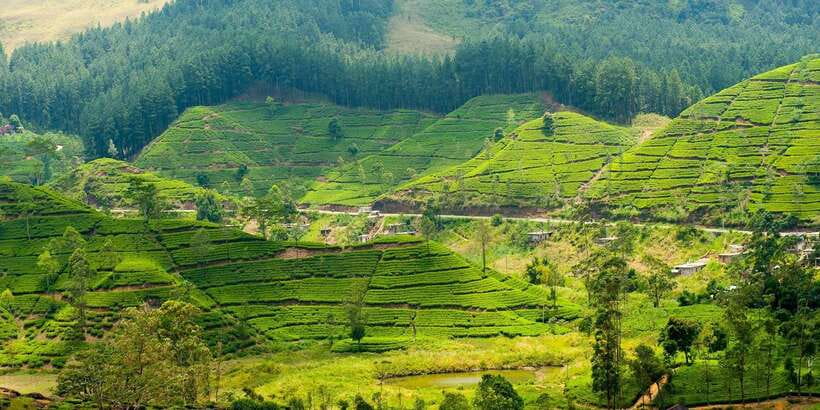
- Dew-on-the-leaf plucking: You’ll pick the tips that tea makers prize.
- Tea grading vocabulary: Orange pekoe vs broken leaf becomes more than trivia.
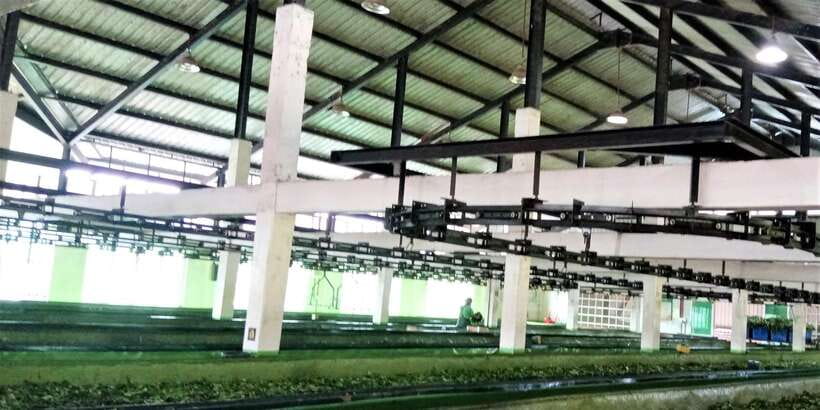
- Vintage factory machinery: Withering, rolling, oxidation, and drying are shown step by step.
- Tasting with a flavor lens: You’ll be guided to notice notes like caramel, floral notes, and hints of citrus.
- Photo time in the plantation: You’ll likely end up taking pictures in the tea rows.
- Shop-driven ending: There’s time to browse and buy packaged teas after tasting.
Tea Plucking From Nuwara Eliya: why this experience works
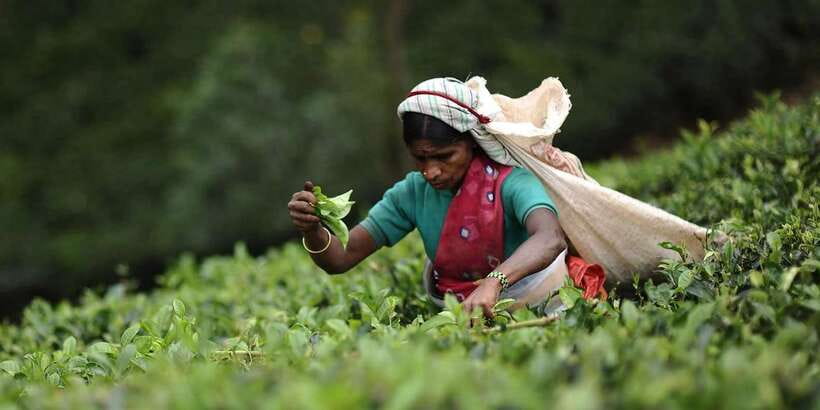
If you’ve only ever seen tea as a bag on a shelf, this tour helps you connect the dots. The early part is all about picking leaves the way skilled pluckers do—quick hands, careful selection, and a rhythm that you can feel once you’re holding the woven basket. It’s not just a photo opportunity. It’s active and sensory.
Then comes the factory side. Watching tea processing in stages makes the cup easier to understand. Withering, rolling, oxidation, and drying sound technical, but the guide will translate what each step changes. You’ll leave with a better sense of why Ceylon tea can taste bright, floral, or darker and more robust, depending on how it’s processed and graded.
You also get a guided tasting room moment, where you can compare different teas rather than sipping something vaguely pleasant and moving on. If you like food experiences that teach you how to taste, you’ll appreciate that.
You can also read our reviews of more tours and experiences in Nuwara Eliya.


Morning pickup and the ride up into tea country
Your day starts with pickup from Nuwara Eliya. You’ll go by air-conditioned vehicle, which matters here because tea country can feel chilly in the morning but still get warm once the sun climbs. The tour also includes bottled water, so you’re not scrambling for basics.
Private transportation is a big practical advantage if you’re short on time or want things to feel organized. With a private group setup, you don’t have to worry about merging into a big crowd during the stops. It’s also usually easier to stay on schedule when you have one group moving as a unit.
What to do before you go:
- Wear comfortable walking shoes. You’ll be on uneven ground at least some of the time.
- Bring a hat and sunscreen. Even in the hills, sun can catch you.
- Stick to light clothing, but keep something warm or a layer you can add if the morning is cool.
Picking tea leaves: what you learn with your hands
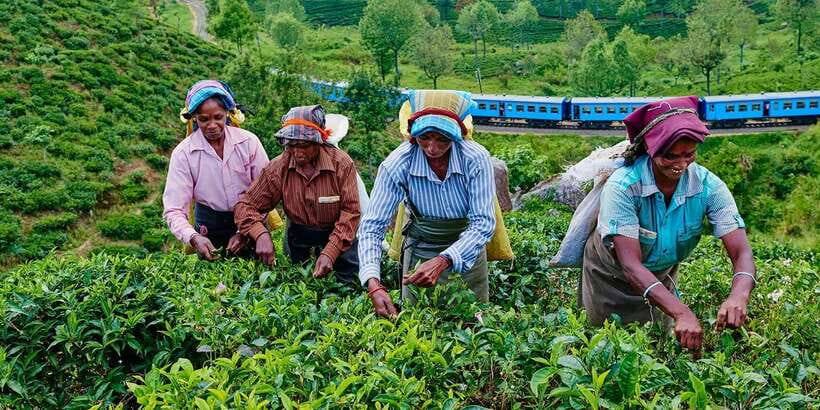
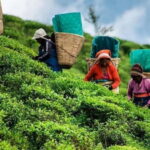
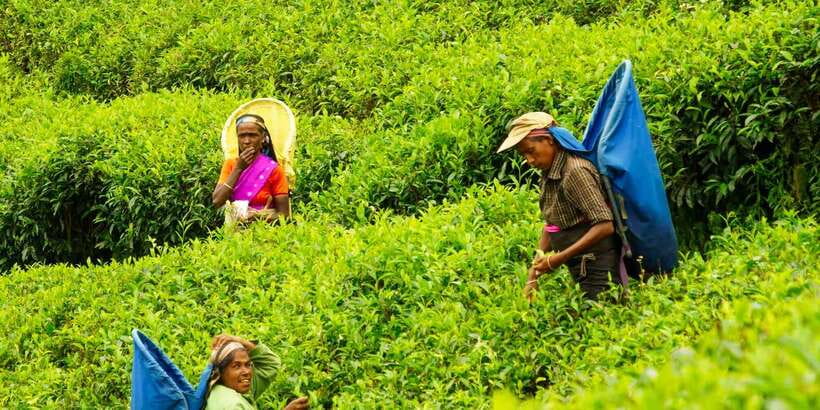
The tea plucking part is the heart of the experience. You’ll stop at a tea estate, then don a traditional woven basket and join skilled pluckers. This is where the tour earns its value—because you get to do the work instead of just watch.
When you pluck, you’re selecting fresh tips, and that’s the key idea. You’re not tearing leaves at random. You’re choosing the top growth because it affects quality. The tour leans into sensory detail: you’ll feel dew-kissed leaves between your fingers and learn how that morning freshness connects to quality.
You’ll also pick up the flavor logic behind tea variety and grading. The guide will talk about how altitude and weather contribute to Ceylon’s distinctive flavor. Even if you’ve heard that Sri Lanka produces great tea, it’s different when you understand why hills matter for the plant.
And here’s a practical detail that makes the experience stick: you’ll learn tea grades such as orange pekoe and broken leaf. The names sound old-school, but once you connect them to how tea is harvested and processed, they become useful language when you’re standing in a shop later.
Tea factory time at Pedro: what happens between the leaves and the cup
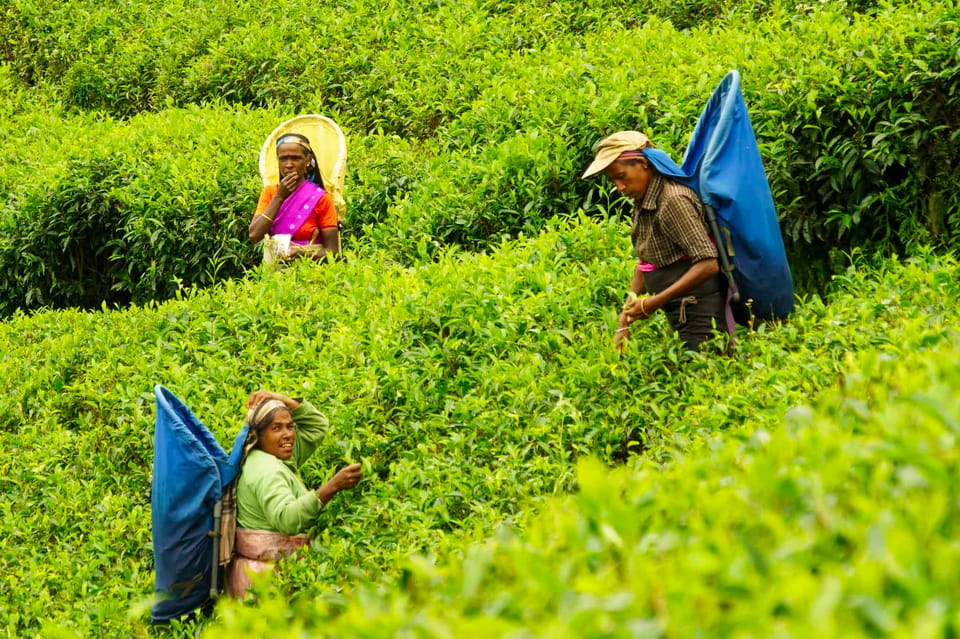
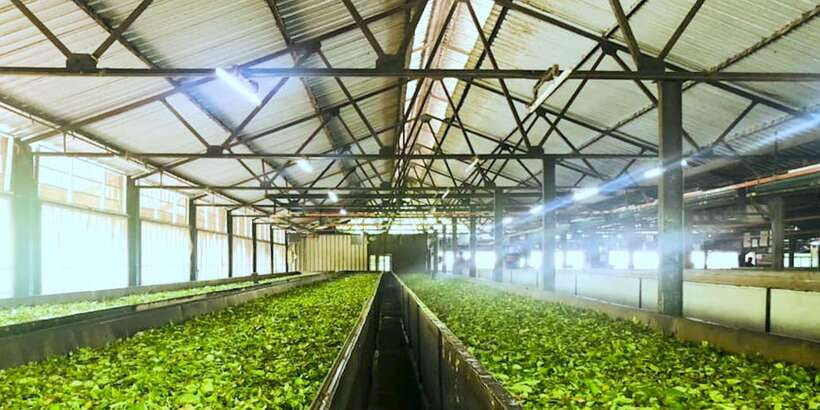
Next you head to Pedro Tea Factory, where you’ll spend about 2 hours. The factory visit is guided and structured around the main processing steps:
- Withering
- Rolling
- Oxidation
- Drying
Seeing these steps in order is helpful because tea is not one thing. It’s an end result shaped by how you treat the leaves after plucking. Withering dries and softens. Rolling breaks down cell structure and helps release compounds. Oxidation is where chemical changes develop flavor and color. Drying locks things in.
One of the standout visuals is the vintage machinery. It’s not just nostalgia—it’s a reminder that the process has long relied on solid, repeatable equipment. If you like watching how traditional methods work, you’ll probably enjoy this section more than you expect.
What you should mentally prepare for
The factory experience can feel brief compared with the price, especially if you’re imagining a long, deep plant-to-cup tour. The good news is that the tour is focused: you get the main stages and a tasting room afterward. The tradeoff is time. If you want hours of factory wandering, you might feel the schedule is tight.





The tasting room: how to compare flavors like a tea nerd
After the machinery and process, you’ll move into a tasting room. This is where the tour helps you connect your experience to your palate.
You’ll sample multiple teas, including both lighter and darker styles—think delicate white tea as well as more robust black tea. The guide will also point you toward how to notice differences, not just whether you like something.
Flavor cues you’ll be guided to look for include:
- caramel notes
- floral undertones
- hints of citrus
This is one of the most practical parts of the day. A tasting without guidance can become random. With guidance, you start to build a personal map: this step and this leaf type can lead to this aroma. Even if you don’t end up becoming a tea connoisseur, you’ll leave with better instincts for what to buy later.
A heads-up about snacks
Some tours like to add small extras in the factory area. In this case, you may find that the tasting includes more than just tea samples. The overall tone is still shop-adjacent, so go in expecting sales energy after the tasting.
The plantation photo moment and the tea shop finale
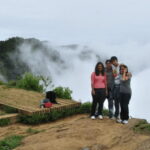
Once processing and tasting are done, there’s time to move through the plantation for photos and then toward the tea shop area. That shop time is part of the tour’s design. You can choose from teas packaged in a way that’s meant for sharing—good if you’re grabbing gifts or bringing back something for friends who think they only know tea bags.
This is also where value questions often show up. If you feel like you’re paying mostly for a quick factory stop followed by shop time, you may not love the price. If, however, you care most about learning to pluck and tasting with guidance, the shop stop becomes the natural ending rather than the main event.
My advice: decide in advance what you want from the shop. If you want to treat it like a tasting recap, you’ll enjoy it more. If you want a bargain or a long negotiation, you might feel boxed in by how the experience is structured.
Price and value: is $53 per person fair for what you get?
At $53 per person for a one-day, private-group tour, the price isn’t low. Whether it feels worth it depends on what you value.
Here’s how I’d evaluate the value based on what’s included:
- Air-conditioned vehicle from Nuwara Eliya
- WiFi on board and bottled water
- A tea plucking experience (the hands-on part)
- A guided visit to Pedro Tea Factory
- A guided tea tasting session
- English-speaking live guide
- Private group setup
If the plucking session is the main reason you’re going, the package can make sense, because it bundles transport, a guide, and hands-on time. If you’re mainly drawn to an extended factory walkthrough, you might find the schedule too short—especially since the factory visit is only part of the day.
Then there’s the issue of perceived shop motivation. Some people feel the intent is to funnel purchases at the end. You don’t have to buy. But if you’d rather avoid pressure, go with a budget and a plan for what you’ll purchase—or skip the buying and treat it as observation.
Who this tour suits best (and who should skip it)
This tour is best for you if:
- you want a hands-on tea-plucking experience rather than only watching
- you enjoy guided food or drink tasting where someone helps you notice flavors
- you’re in Nuwara Eliya and want a day that’s organized and not overly complicated
- you prefer private-group logistics
You might want to look elsewhere if:
- you expect a long, deep factory tour as the main attraction
- you’re very price-sensitive and want the most time per dollar
- you dislike tours that end in shopping zones
It also works well as a short, meaningful add-on to a Sri Lanka itinerary when you want one day that feels specific and local.
What to bring and how to make the most of the day
Keep the experience comfortable and sweat-free with simple choices:
- Comfortable walking shoes are a must
- Light clothing, plus a hat
- Sunscreen, because even in the hills you’ll be outdoors
- Water is provided, but bringing a small personal snack you like can still help if you get hungry during the longer morning gap
For the tasting portion, bring a mindset change: take notes if you’re the type. You don’t have to write a lot—just think caramel vs floral vs citrus. That helps you later when you’re staring at rows of packaged tea.
For the plucking part, listen to the guide’s technique. Tea plucking is physical and repetitive. If you copy the method, you’ll pick leaves more neatly and feel more confident in a short time.
Should you book the Tea Plucking & Tea Factory tour?
Book it if you want the combination: plucking with guidance + factory steps + a tasting you can actually use. At $53, it’s a meaningful spend, but the structure matters. The hands-on work and the guided tasting are the pieces most likely to feel satisfying afterward.
Hold off—or at least sanity-check your expectations—if your main goal is a long, detailed factory visit. The factory segment is about 2 hours, and the end of the experience can tilt toward shopping. If that’s not your style, do a quick comparison with other ways to visit the tea factory area on your own and see what fits your budget.
If you do book: go in planning to enjoy the plucking, take the tasting seriously, and treat the shop as optional rather than compulsory.
FAQ
Where does the tour pickup happen?
Pickup is from Nuwara Eliya.
How long is the tour?
The activity is listed as 1 day.
How long do you spend at Pedro Tea Factory?
The schedule shows a 2-hour visit at Pedro Tea Factory.
Is the tour private?
Yes, it’s a private group.
What’s included in the price?
It includes air-conditioned vehicle, WiFi on board, private transportation, bottled water, tea plucking experience, visit to a tea factory, and a tea tasting session.
What language is the guide?
The live tour guide is English.
What should I wear?
Wear comfortable walking shoes and light clothing, since there’s a moderate amount of walking.
What tea styles do you taste?
You’ll taste a variety of teas, including white tea and black tea.
Is there cancellation flexibility?
Yes. You can cancel up to 24 hours in advance for a full refund.
Do I need to pay upfront?
The listing offers Reserve now & pay later, meaning you can reserve your spot and pay nothing today.