Mist or sun, Horton Plains hits hard. Prebooking your Horton Plains National Park entrance with a guide turns a maybe-chaotic morning into a steady walk straight to World’s End and Baker’s Falls, with time to learn what makes these montane grasslands tick.
I love two things here. First, you can skip the gate line and pay online by credit card without exchanging cash. Second, the hike follows a clear, well-marked circular route that takes you past the key highpoints—so you’re not guessing where the magic views are.
One drawback to plan for: the trail experience can be let down by toilets. The route is manageable, but facilities along the way weren’t great, so I’d treat bathroom breaks as something you manage early, not something you count on mid-hike.
In This Review
- Key highlights you’ll care about
- Prebooking at Ohiya: less waiting, more real mountain time
- The 3 to 4 hour walk: a moderately strenuous loop with big payoffs
- Mini World’s End: the early viewpoint that sets expectations
- World’s End: the precipice view you plan your timing around
- Baker’s Falls: cooling spray for the late-morning legs
- The guide’s real value: ecology and archaeological finds, not just directions
- Trail comfort reality check: mist, cold mornings, and bathrooms
- Price and value: what you pay for, and what you still need to handle
- Who this is best for (and who should skip it)
- Should you book the Horton Plains entrance with a guide?
- FAQ
- What is the duration of the Horton Plains experience?
- Where do I redeem the ticket?
- What’s included in the price?
- Is pickup/drop-off included?
- What time does the park experience run?
- Can I cancel for a full refund?
Key highlights you’ll care about
- Prebook to dodge ticket lines at the gate and start your walk on schedule
- 6-mile circular trail (about 9.5 km) with a moderate challenge and clear signage
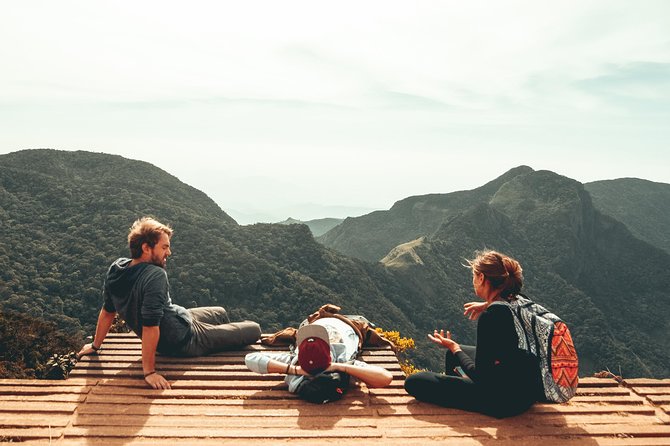
- World’s End + Mini World’s End for the precipice views people come for
- Baker’s Falls adds cooling water spray as the walk progresses
- Small groups (up to 8 people) make it easier to stay together and follow the route
- A guide who connects ecology and archaeology so the park feels more than scenic photos
Prebooking at Ohiya: less waiting, more real mountain time
If you’re headed to Horton Plains from the Ohiya area, prebooking is the smart move. It saves you the time sink of lining up at the entrance, and it removes cash hassle because you can handle payment online with your credit card.
Your ticket gets redeemed at Horton Plains (lasang). If you booked through a Viator/TripAdvisor option, you’ll need to exchange the voucher at the starting point—your booking confirmation alone is not the official ticket.
Timing matters more than you might expect. The park’s opening window runs daily from 8:00 AM to 3:00 PM, and the recommendation is to arrive early so mid-morning mist doesn’t swallow the views. That advice isn’t just for hikers who love photos; it changes what you can actually see from the escarpments.
Also keep logistics in mind: the guided experience doesn’t include pickup/drop-off from the park gate. Some services may mention pickup, but the listed price doesn’t cover getting you to the gate, so plan on traveling there independently (Ohiya or Pattipola are both referenced as entrance points).
You can also read our reviews of more tours and experiences in Nuwara Eliya.



The 3 to 4 hour walk: a moderately strenuous loop with big payoffs
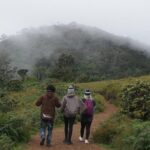
Once you’re inside, you follow an approximate 6-mile (9.5-kilometer) circular trail. It’s well-marked, and the effort level is described as moderate, so you’re walking enough to work up a chill-damp sweat, not doing anything technical.
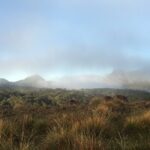
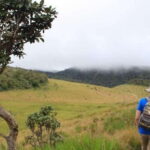
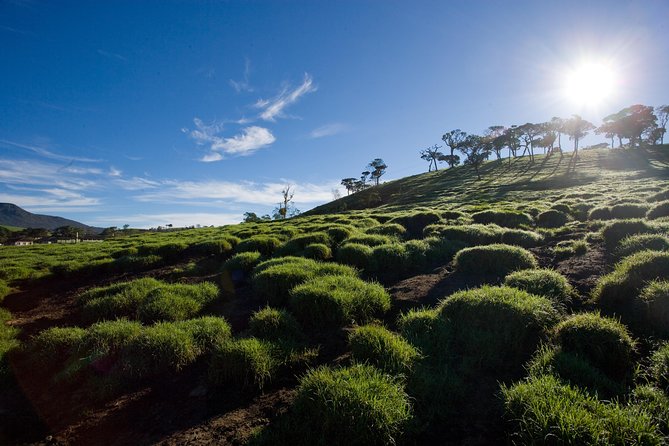
This is the kind of hike where the route keeps you interested. You’ll cross montane grasslands and cloud forest, and you’ll reach three major scenic anchors: Mini World’s End, World’s End, and Baker’s Falls.
If you’re doing the guided option, your guide can help you stay on track and explain what you’re seeing as you go. Even on a well-marked trail, a guide can make the experience feel less like following arrows and more like understanding why these spots matter.
You’ll spend about 3 hours on the main scenic trek and then exit the park. That makes it easy to slot into a day’s plan in Nuwara Eliya, without needing an all-day commitment.
Mini World’s End: the early viewpoint that sets expectations
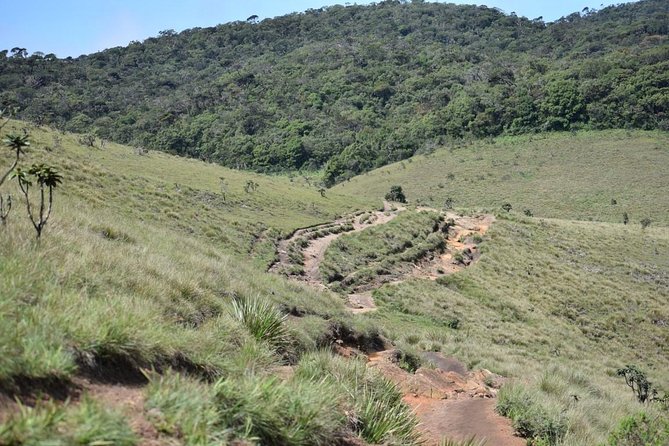
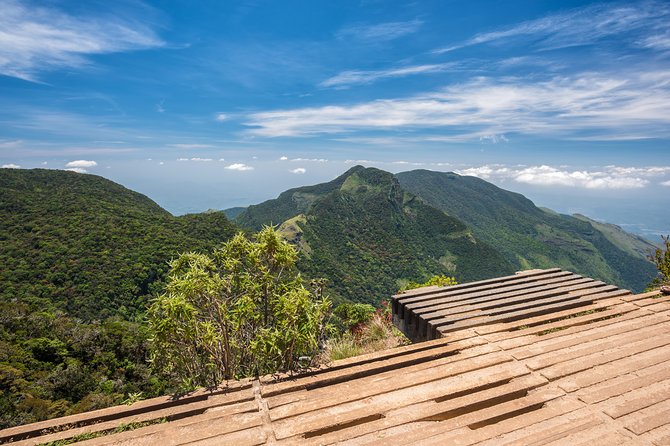
Mini World’s End is like your warm-up to the bigger drop-off ahead. From this first escarpment point, you get a strong sense of the park’s scale and the way the mist can change the view from minute to minute.
This is where arriving early really earns its keep. When the conditions are clear, you’ll get the kind of wide-open horizon feel that turns a hike into a memorable morning. When clouds roll in, the same spot can feel more mysterious than disappointing—it just changes what you’ll see.
Also, this part of the walk is a good moment to start scanning for wildlife. The park experience includes chances to spot things like samba deer, monkeys, and exotic birds. You’re not guaranteed a sighting, but the route gives you real opportunities if you pause and look.
World’s End: the precipice view you plan your timing around
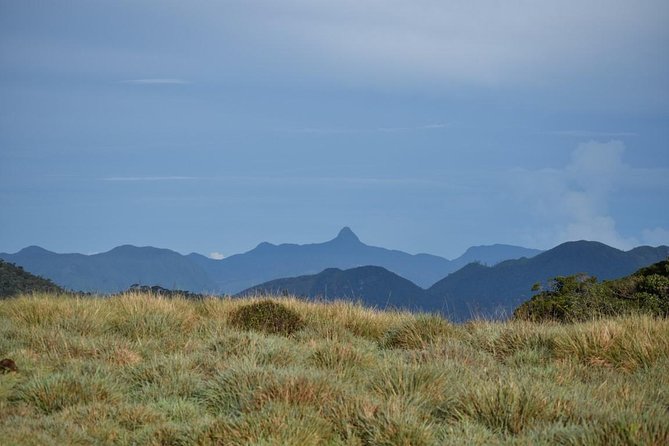
World’s End is the headline act, and it’s exactly the kind of place where the “don’t sleep in” advice makes sense. The views from the precipice are a main highlight, and you’ll likely spend time standing at the edge as you take in the broad outlook.
In practical terms, this is where mid-morning mist can either make your morning or blunt it. That’s why prebooking is only half the plan. The other half is starting early so you reach these viewpoints while visibility is still good.
From here, the walk also feeds into the next payoff: water. While you’re focusing on the big overlook, it’s worth paying attention to where the trail leads next, because Baker’s Falls is coming.
And if you’re hiking with a guide, this is also the place to ask quick questions. A good guide can point out what the ecology looks like at different spots and how the park’s natural features connect with what’s been found there historically.
Baker’s Falls: cooling spray for the late-morning legs

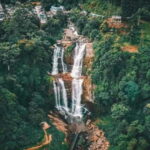
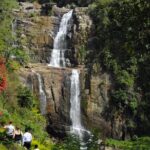
After the escarpments, Baker’s Falls adds a totally different vibe. Instead of the wide view, you’re dealing with water sounds and cooling spray from cascading water—the kind of sensory change that helps when your legs start feeling the trail.
The falls are described as an idyllic natural waterfall, and it’s easy to see why this stops people from rushing through. Even if you’re not the type to linger, you’ll probably want a few minutes just to watch the water and let the cooler air reset your body.
This also helps explain why the total time is only 3 to 4 hours. The trail hits major variety fast—viewpoints, grasslands and forest, then waterfall energy—so you don’t feel like you’re grinding through hours of sameness.
As you walk near the falls, keep your eyes open for wildlife again. The same habitats that support deer, monkeys, and birds also tend to keep things moving, even if you only catch brief glimpses.





The guide’s real value: ecology and archaeological finds, not just directions

A guided upgrade is worth considering if you want more than “walk and look.” The guided experience is specifically framed as a chance to learn about the park’s local ecology and the archaeological finds discovered in the area.
On a trail like this, most people can follow the route. The guide’s job is to make you notice. You’ll be walking through montane grasslands and cloud forest, and a guide can explain what’s likely growing there, how the habitats relate, and why the region has yielded archaeological discoveries.
It’s also helpful simply for flow. With a small group (maximum 8 people), your guide can keep everyone together without turning it into a speed march. That matters because mist, crowds, and stopping for views can otherwise scatter a group fast.
If you prefer self-paced travel, there’s an option to visit independently. But if you’re the type who enjoys understanding what you’re seeing while you walk, the guide is the difference between “nice hike” and “I get why this place feels special.”
Trail comfort reality check: mist, cold mornings, and bathrooms
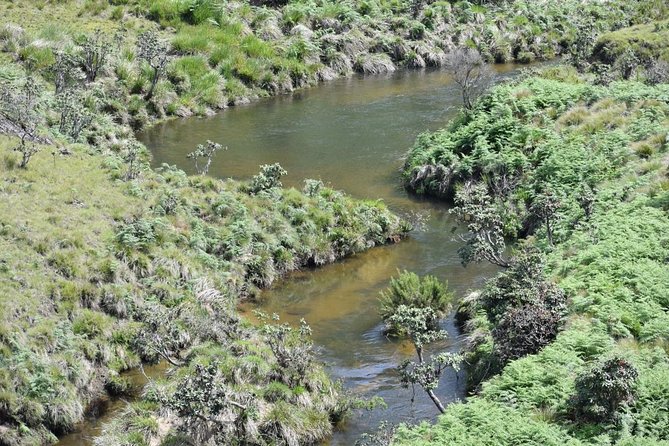
Expect weather swings. The park is known for mid-morning mist that can limit views, so build your day around a clear plan: arrive early, reach the escarpments, then continue through the rest of the loop.
Cold is part of the story, especially at the start. One helpful takeaway is that starting early means you may feel the cold more, but even once the sun is up it’s still not a deal-breaker. In other words: don’t fear an early start, but do respect that mornings can feel sharper than you expect.
Now for the part you should not ignore: toilets. The route navigation may be brilliant, but reports weren’t kind about toilets. I’d treat this as a “plan around it” situation. Go before you set out, limit your water only if that’s your personal strategy, and don’t assume you’ll find something comfortable right when you need it.
This isn’t meant to scare you off. The hike is still described as worth the money and genuinely memorable. It’s just that comfort isn’t the main feature—views and nature are.
Price and value: what you pay for, and what you still need to handle
At $120 per person, this isn’t a bargain-basement outing. It is, however, priced around a bundled experience: you’re paying for the entrance ticket plus a guide.
That inclusion matters. Without the guide, you’d still need an entrance ticket, and you’d still need someone who can help you interpret what’s going on around you. If you value time saved at the gate and want the route explained in context—ecology and archaeological finds—this package starts to feel like it’s doing real work, not just adding markup.
Group size is capped at 8 people, which also supports value. Smaller groups generally keep the experience calmer and easier to manage, especially at viewpoints where people stop and start.
What isn’t included is equally important. Pickup/drop-off from/to the park gate isn’t included, and food and drink aren’t covered either. So budget for getting yourself to Ohiya or Pattipola and bring what you need to stay comfortable for a 3-hour scenic trek.
If you’re booking far in advance, you’re in good company—this experience is often booked about 96 days ahead on average. That’s a sign of popularity, but it also means planning early helps you lock in your preferred time window.
For peace of mind: cancellation is free up to 24 hours in advance for a full refund. That’s useful if weather or plans shift.
Who this is best for (and who should skip it)
This Horton Plains guided experience makes the most sense if you want three things in one go:
- A time-efficient start (prebooking to avoid gate lines)
- A guided walk through the main highpoints with context on ecology and archaeological finds
- A moderate hike that’s long enough to feel like an outing, not a full-day ordeal
It’s also a solid fit if you like fresh mountain air and big viewpoints, since World’s End and Mini World’s End are built into the route. And if you’re traveling with family, the experience is described as unforgettable for people of different paces, as long as everyone can handle the moderate trail.
I’d think twice if bathroom comfort is your top priority. The toilets are a known weak point, and no hike is fun if you spend the day worrying about that.
Should you book the Horton Plains entrance with a guide?
I’d book it if you’re aiming to get more out of Horton Plains than just scenery. The prebooking saves time, the guide adds meaning, and the loop format hits the key viewpoints—Mini World’s End, World’s End, and Baker’s Falls—within about 3 hours of walking.
If you’re more independent and you’re happy to navigate on your own, you might choose a ticket-only approach. But if you want interpretation on the ecology and archaeological finds while you walk, the guided option is the value driver here.
My final advice is simple: reserve early, plan for an early start to chase clearer views, and be ready for basic facilities. Do that, and Horton Plains turns into one of those mornings you’ll remember for the way the air, views, and waterfall spray all hit in the same half-day.
FAQ
What is the duration of the Horton Plains experience?
It runs about 3 to 4 hours (approx.). The scenic trek is roughly 3 hours, and the experience ends when you exit the park.
Where do I redeem the ticket?
You redeem your ticket at Horton Plains (lasang), Sri Lanka.
What’s included in the price?
The price includes the entrance ticket to the national park and a guide.
Is pickup/drop-off included?
Pickup/drop-off from or to the park gate is not included.
What time does the park experience run?
It operates daily from 8:00 AM to 3:00 PM.
Can I cancel for a full refund?
Yes. You can cancel up to 24 hours in advance for a full refund. If you cancel less than 24 hours before the start time, the amount paid is not refunded.