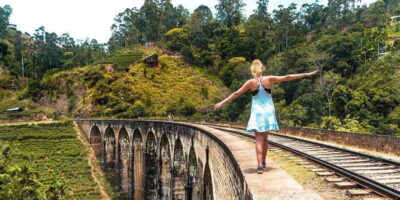
Salt pans and tsunami memory in one circuit.
This small-group Hambantota City Tour is built like a fast, smart orientation to the area—history in plain language, plus everyday work you can actually see. I especially like the mix of places: salt production, coastal defense history, and the fisheries harbour. You also get a licensed guide in an air-conditioned vehicle, which makes the pacing comfortable instead of stressful.
My other favorite part is the stop-by-stop focus. Each segment runs about 30 minutes, so you’re not stuck in one place forever, yet you still get guided context at every stop. One possible drawback: the whole thing is only about 3 hours, so it can feel a bit tight if you want to linger (and the Heritage Museum is closed on Sundays).
In This Review
- Key highlights worth planning for
- A 3-hour orientation to Hambantota’s main stories
- Hambantota City: Markets and everyday flow in the half-hour start
- Hambantota Salt Factory: Where traditional methods meet big-scale production
- The 2004 tsunami-affected area: Memorials, survival stories, and rebuilding
- Martello Tower: British coastal defense plus photo-friendly views
- Hambantota Heritage Museum: Artifacts, crafts, and interactive learning (Sunday caution)
- Fisheries Harbour: See daily work and the catch up close
- Price and value: Is $55 for 3 hours a good deal?
- Who this tour suits best (and who should choose something else)
- If you book: small tips to get more out of every stop
- Should you book this Hambantota City Tour?
- FAQ
- How long is the Hambantota City Tour?
- Where does the tour start?
- What are the main stops on the tour?
- Is the Heritage Museum open every day?
- What’s included in the price?
- Is mobile ticketing available?
- How big is the group?
- What is the cancellation policy?
Key highlights worth planning for
- Air-conditioned transport with WiFi and bottled water to keep the tour comfortable in warm weather
- Six focused stops in ~3 hours, each with guided context and a clear purpose
- Hambantota Salt Factory shows both traditional and modern salt-production methods
- Tsunami-affected area visit includes memorial sites and survival/rebuilding stories
- Martello Tower blends historical exhibits with coastal views
- Fisheries Harbour ending lets you see daily fishing activity and the local catch
A 3-hour orientation to Hambantota’s main stories

The value of this tour starts with timing. For about 3 hours, you cover the city, salt industry, the 2004 tsunami impact area, a British-era coastal fortification, a heritage museum, and the fisheries harbour. That’s a lot of ground for one ticket—but it’s not random. The sequence gives you a “how Hambantota works” and “what shaped it” narrative.
Group size matters too. With a maximum of 33 people, you should still feel like you’re part of a guided experience rather than being swallowed by a large crowd. The tour also uses a mobile ticket, which is handy when you’re juggling heat, phones, and tight schedules.
This is the kind of tour I’d point to if it’s your first time in the area and you want a grounding overview without building an entire day around transportation and deciding where to go next.
You can also read our reviews of more tours and experiences in Hambantota.



Hambantota City: Markets and everyday flow in the half-hour start
You begin at Hambantota Port (43FW+HX, Hambantota) and move straight into the city. The first stop is focused on getting your bearings: you’ll get an overview of Hambantota City, a sense of how the city has grown with modern development, and a look at main attractions and local markets.
In practice, this kind of start helps you read the rest of the tour. Once you’ve seen what the city feels like day to day, it becomes easier to understand why the salt works and fisheries harbour are so important. Markets also tend to show you what people are actually buying and using right now, not just what you’ll find in photos.
The only caution here is simple: half an hour moves fast. If you’re hoping to stroll deep into one market lane, you may wish you had more time—but as a kickoff, it does the job.
Hambantota Salt Factory: Where traditional methods meet big-scale production
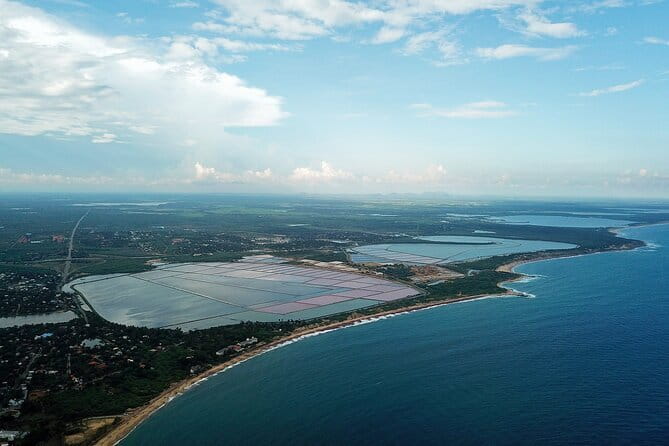
Next comes the Hambantota Salt Factory, one of the largest salt producers in Sri Lanka. This stop is built around observation and explanation: you’ll learn about both traditional and modern methods of salt production and see the expansive salt pans stretching across the area.
For value, this is one of the best stops. It’s not just sightseeing; it’s “how it’s made.” The guided tour of the salt production process, plus a historical and economic look at why salt matters, gives you context you can’t get from a quick photo stop.
What you’ll likely notice is how production links to the environment. Even without getting overly technical, the scale of the pans and the idea of turning natural conditions into a staple product makes the industry feel real. If you like practical, work-focused travel—industries, ports, production steps—this is the moment that tends to click.
Practical thought before you go: salt areas can be bright. Bring sunglasses if you have them. And if you’re sensitive to sun and glare, plan to take a moment to rest in shade when you can.
The 2004 tsunami-affected area: Memorials, survival stories, and rebuilding

Then the tour turns to something heavier. You’ll visit a tour of the tsunami-affected area in Hambantota, including a historical overview of the 2004 tsunami, stories of survival and rebuilding, and a visit to memorial sites and affected areas.
This stop gives the trip its emotional center. It’s also where good guiding matters most. Even when you’re only there about 30 minutes, you can learn how the event changed the community and why remembrance and rebuilding are part of the story, not an add-on.
If you’re visiting with family, or you’re someone who prefers to process carefully, I’d treat this as the time to slow down mentally. You’ll be moving through memorials and meaningful places, so take your cue from the guide and don’t rush your questions.
One consideration: this is not a “light” stop. If you’d rather keep your day mostly upbeat, plan your schedule so you don’t stack stressful activities right after this.
Martello Tower: British coastal defense plus photo-friendly views

After the tsunami visit, you head to Martello Tower, a coastal defense structure built by the British in the early 19th century. Here the focus becomes historical context and a bit of scenery: you get a guided tour, historical exhibits and displays, and scenic coastal views.
This is a smart counterbalance. After a sobering stop, you get a clearer sense of the coast’s strategic role over time. The tour highlights the tower’s strategic significance, which helps you understand why such a structure would exist here instead of treating it as just an old building.
Also, tower stops often work well for photography without requiring you to be a “serious photo person.” If you like wide coastal angles or want a clear landmark to remember, this is likely a highlight.
Keep expectations grounded: a tower visit is only about 30 minutes, so it’s more about seeing the main exhibits and taking in the views than reading every detail.




Hambantota Heritage Museum: Artifacts, crafts, and interactive learning (Sunday caution)

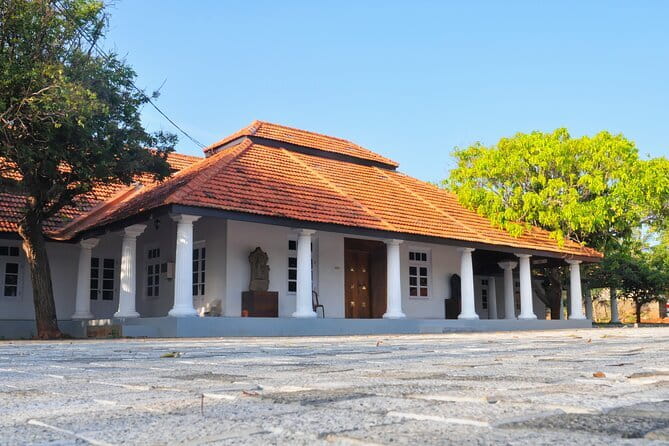
Next is the Hambantota Heritage Museum, where you’ll explore artifacts and exhibits that tell the story of the region’s past. The museum includes traditional crafts and a mix of exhibits and educational materials, with interactive elements mentioned as part of the experience.
This stop is especially valuable if you want something more than outdoor viewing. Museums can help you connect the city’s present-day industries with its cultural and historical roots—how people live, what they make, and how traditions carry forward.
There’s one big planning detail: the museum is closed on Sundays. If your trip falls on a Sunday, you’ll want to either choose another tour day or expect that this stop may not run as described. It’s not a dealbreaker, but it’s essential information for your schedule.
If you’re short on time and you usually skip museums, I’d still recommend this one because it’s guided and designed for learning in a set time window.
Fisheries Harbour: See daily work and the catch up close
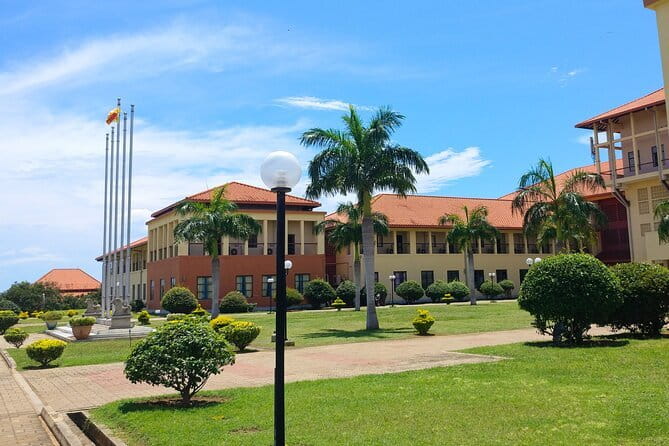
You end at the Hambantota Fisheries Harbour, and this is where the tour feels most current. The stop includes a guided look at the harbour activities, an explanation of local fishing practices, and the chance to see the daily catch and interact with fishermen (when that’s possible).
For many people, this final stop is the “oh, that’s how the city earns a living” moment. It connects directly to your earlier stops: industries don’t exist in isolation here. You see the work and understand its place in daily life.
You’ll also get the natural bonus of being near the water—fresh sea air and an atmosphere shaped by real schedules (boats, unloading, and daily routines). Even within a short visit, it’s usually the kind of ending that makes the whole tour feel grounded instead of purely historical.
One consideration: harbours can be active and uneven. Wear comfortable shoes you don’t mind getting a bit dusty. Also, if you’re planning to interact with people, keep your questions respectful and quick; this is their workday.
Price and value: Is $55 for 3 hours a good deal?
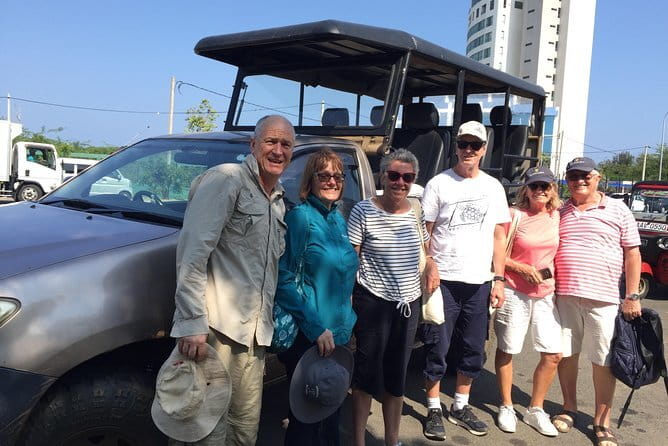
At $55 per person for about 3 hours, this tour is priced for a short, organized experience with real guidance and transport included. The key value pieces are:
- Air-conditioned vehicle (big deal in warm weather)
- WiFi on board (helpful for maps, messages, and coordination)
- Bottled water
- Parking fees included
- Licensed tour guide
Because admission is listed as free at each stop, you’re not stacking extra costs for tickets once you arrive. The tour also has a maximum group size of 33, which keeps it from feeling like an all-day bus tour.
So is it worth it? If you’re trying to hit the highlights without spending time arranging separate transport to a salt factory, a tower, a museum, and a harbour, yes. The itinerary is built to reduce friction and give you context in one go.
If, on the other hand, you prefer slow travel and want to linger for an hour+ at each stop, you may find the pacing a little tight. That’s not a flaw—it’s just a mismatch of style.
Who this tour suits best (and who should choose something else)
This is a great fit if:
- you’re in Hambantota for a short visit and want an overview with guided explanations
- you like learning how industries work—especially salt production and fishing
- you want a respectful look at the tsunami’s impact, with memorial context
- you enjoy a mix of outdoors viewing and museum learning
It may be less ideal if:
- you’re the type who needs a lot of time at one place (like a long museum session)
- you’re visiting on a Sunday and museum time matters deeply to your plan
- you’d rather travel independently and explore at your own pace
If you book: small tips to get more out of every stop
Bring a basic comfort kit: sunglasses, light clothing, and water beyond what’s provided if you know you drink a lot. If you’re sensitive to heat, use shade when it’s available—this tour is quick, so you’ll feel the sun more than you would on a slow day.
Also, keep your mindset flexible. This itinerary intentionally shifts tone—from city markets to salt production to tsunami remembrance to a coastal defense tower, then to museum learning and ends with fishing activity. When you let the stops flow, you’ll get more meaning from the sequence.
And for the interactions at the harbour: smile, be polite, and ask short questions. You’ll get better answers and leave a better impression.
Should you book this Hambantota City Tour?
If you want a high-efficiency introduction to Hambantota—covering modern city life, a major salt industry, tsunami remembrance, British-era coastal history, local heritage, and the fisheries scene—this tour is a smart use of time. The included air-conditioned transport, guided stops, and free admission at each segment make the $55 price feel practical rather than padded.
I’d skip it only if you’re trying to build a slow, unstructured day or you’re visiting on a Sunday and the Heritage Museum stop is a must for you. Otherwise, it’s the kind of tour that helps you understand a place quickly—and then, if you’re curious, you can return later for longer independent visits.
FAQ
How long is the Hambantota City Tour?
It’s about 3 hours.
Where does the tour start?
The start point is Hambantota Port at 43FW+HX, Hambantota, Sri Lanka.
What are the main stops on the tour?
You’ll visit Hambantota City, Hambantota Salt Factory, a tsunami-affected area, Martello Tower, the Hambantota Heritage Museum, and the Hambantota Fisheries Harbour.
Is the Heritage Museum open every day?
No. The museum is closed on Sundays.
What’s included in the price?
The tour includes an air-conditioned vehicle, WiFi on board, bottled water, parking fees, and a licensed tour guide.
Is mobile ticketing available?
Yes, the tour uses a mobile ticket.
How big is the group?
The tour has a maximum of 33 travelers.
What is the cancellation policy?
Free cancellation is available up to 24 hours before the experience start time for a full refund. If you cancel less than 24 hours before, the amount paid isn’t refunded.