Four parks, one tight wildlife schedule. This half-day safari is interesting because it packs Bundala, Yala, Udawalawe, and the Elephant Transit Home into about four hours, with a guided route and jeep transport designed for safety and comfort. It’s a practical way to see Sri Lanka’s wildlife variety without turning the day into a long slog.
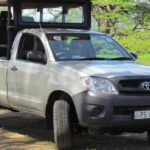
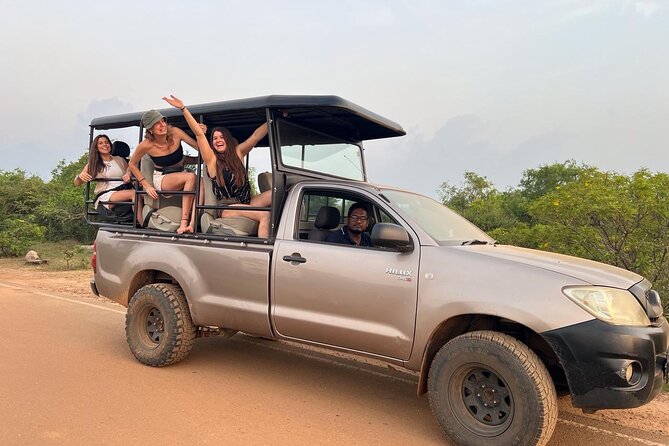
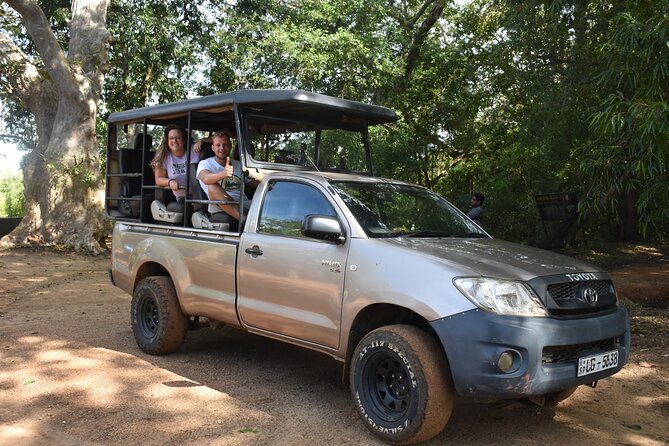
I love the converted Toyota safari jeeps. They’re set up for a comfortable ride in the bush, and the tour explicitly focuses on keeping you safe during the drive and viewing time. That matters when you’re bouncing along in search of animals.
I also like the simple, show-up-ready flow: pickup offered and a mobile ticket. One possible drawback is the entrance-fee math: the tour price notes entrance fees for only one attraction, while the itinerary labels some stops as admission included and others as admission free, and it also says extra parks can require an additional fee (estimated $35 per person per park).
In This Review
- Key Highlights You’ll Feel on Day One
- Half-Day Safari in Yala: What You Actually Get in 4 Hours
- Pickup and Mobile Ticket: The Logistics That Don’t Waste Your Time
- Converted Toyota Safari Jeeps: Comfort and Safety on Safari Roads
- Kamal Safari Bundala Park: Migrating Birds From September to April
- Yala National Park: Leopard Potential Plus Bird and Amphibian Variety
- Udawalawe National Park: Elephants Are the Main Event
- Elephant Transit Home (ETH): The 40-Minute Stop With Real Meaning
- Price and Entrance Fees: Does $89 Actually Cover the Day?
- What’s Not Included: Lunch (and Why It Matters)
- Best For: Who This Half-Day Safari Fits
- Book or Skip: Should You Choose This Half-Day Route?
- FAQ
- How long is the Half Day Safari Guided Tour?
- Where does the tour take place?
- What stops are included in the itinerary?
- Is pickup included, and what transportation do you use?
- What is included in the tour price?
- Is lunch included?
- Do I get a mobile ticket?
- If I visit more than one park, do I pay extra entrance fees?
Key Highlights You’ll Feel on Day One
- Converted Toyota luxury safari jeeps: built for comfort and safety on bumpy safari roads.
- Four wildlife stops in ~4 hours: Bundala, Yala, Udawalawe, then ETH without long downtime.
- Bundala’s seasonal bird action: northern migratory period from September to April.
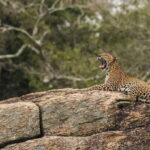
- Yala’s leopard reputation: the park is closely associated with leopards plus lots of birds and mammals.
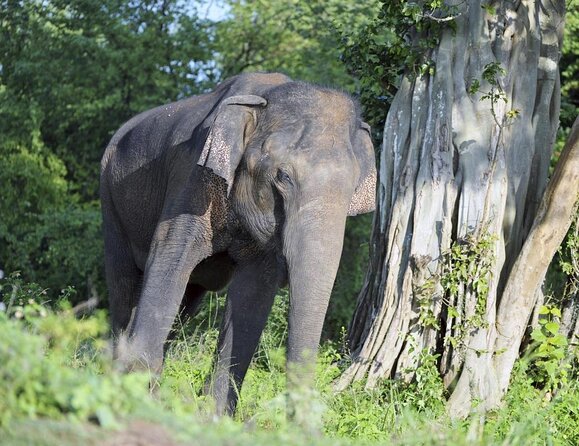
- Udawalawe’s big-elephant numbers: more than 600 wild elephants recorded in the last survey.
- Elephant Transit Home (ETH): a short but meaningful 40-minute stop with 60+ young elephants.
Half-Day Safari in Yala: What You Actually Get in 4 Hours
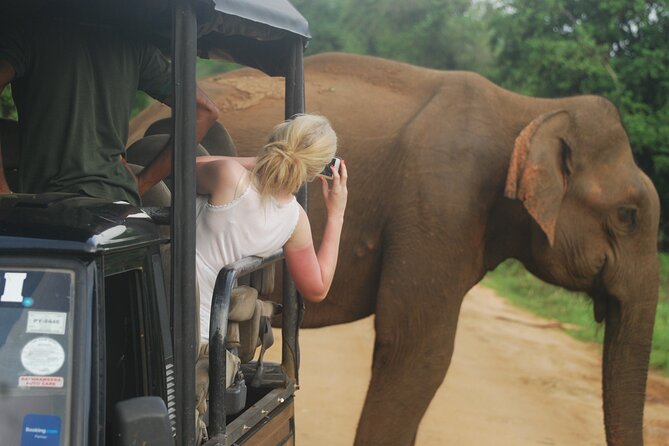
This is a true half-day plan. You’re looking at about 4 hours total, which is ideal if you want wildlife time but you still need the rest of the day for beaches, a train ride, or just sleep that you’ll earn later.
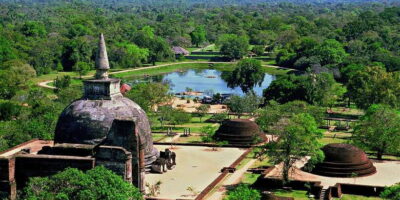
The route is built around variety. Instead of spending the whole time in one park, you move from Bundala to Yala to Udawalawe, then finish at the Elephant Transit Home (ETH). That mix gives you a better shot at seeing different species and habitats, even when weather or sightings don’t cooperate.
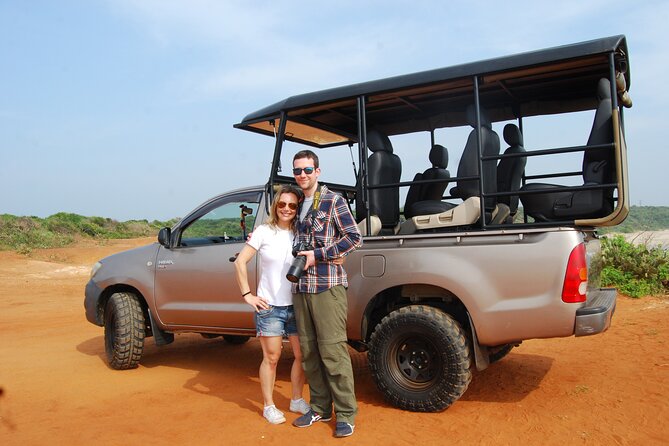
And yes, you’ll be in a jeep for much of it. The tour specifically uses converted Toyota luxury safari jeeps, so the ride is part of the experience, not a punishment.
You can also read our reviews of more tours and experiences in Yala National Park.
Pickup and Mobile Ticket: The Logistics That Don’t Waste Your Time
You don’t have to build the day yourself. Pickup is offered, and the operator provides a mobile ticket, which is exactly the kind of detail that keeps safari mornings from becoming a scavenger hunt.
Because it’s private transportation, you’re not stuck waiting around for other groups. The schedule is tighter than a full-day safari, so having transport lined up helps you actually reach each stop on time.
The other small advantage: if you’re traveling with kids, older family members, or anyone who gets grumpy before breakfast, this kind of structured start reduces stress. Safari days get better when your energy isn’t burned on logistics.
Converted Toyota Safari Jeeps: Comfort and Safety on Safari Roads
A lot of safari trips live and die by the vehicle. Here, the tour emphasizes converted Toyota luxury safari jeeps and puts safety front and center. That doesn’t guarantee you’ll get perfect sightings, but it does make the drive more tolerable and the experience more controlled.
You’ll be spending time moving between parks and viewing areas. In a half-day format, comfort matters because you’ll feel it faster. The ride style matters too: safari jeeps are built for visibility and access, and this one is aimed at keeping you comfortable while you look for animals.
If you don’t love being bounced around, this is one of the reasons the tour is worth considering. Comfort isn’t just a perk; it helps you stay focused on what you came for.
Kamal Safari Bundala Park: Migrating Birds From September to April
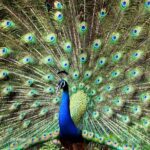
Bundala is your first stop, and it’s the one that comes with a clear seasonal angle. The tour notes that many migratory birds arrive during the northern migratory period from September to April. If you’re traveling in those months, you’ll likely get more bird variety than you would outside that window.
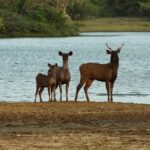
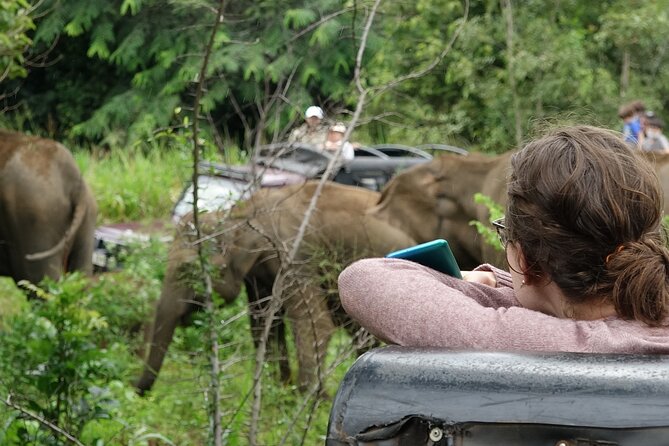
Bundala is also described as a good place for mammals, including Asian elephants. That’s important because it means you’re not only chasing birds. Even if birdwatching is the headline, the park has a mix that can keep the viewing interesting.
Timing is tight here: the stop is about 1 hour, and the itinerary marks an admission ticket included. That’s enough time to scan for motion and patterns, but it also means you’ll want to stay alert. In a short stop, you don’t get a long walk-or-wait buffer.
Potential drawback: because it’s one hour, you might not have time to linger if the best action is far from where you first park. In a half-day safari, you’re basically riding the timing the driver sees from the road.
Yala National Park: Leopard Potential Plus Bird and Amphibian Variety
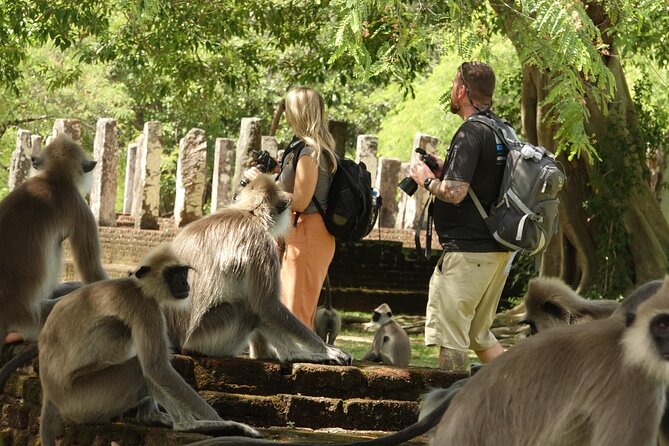
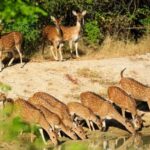
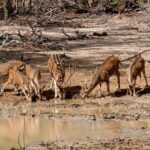
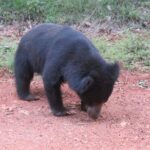
Next up is Yala National Park, described as one of Sri Lanka’s older national parks and also called the second biggest park in the country. The tour also points out variety beyond mammals—especially birds and amphibians.
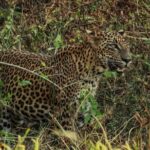
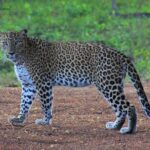
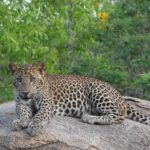
This is where Yala’s reputation kicks in. The material you’re given associates Yala with leopards, calling it something like a leopard paradise. Even if you don’t get a leopard sighting, it’s still a strong park choice because you’re hunting across layers: birds in the air and trees, amphibians in suitable habitats, and mammals on the move.
The time here is also about 1 hour, and the itinerary lists Yala as admission free. That’s a useful cost detail. At $89 per person, having some stops showing as free helps the day feel more balanced.
One consideration: with only an hour, you’re not “solving” Yala. You’re sampling it. If you’re the kind of person who wants slow, patient scanning for a specific animal, this route is less of a deep search and more of a concentrated sampler.
Udawalawe National Park: Elephants Are the Main Event
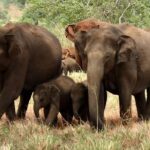
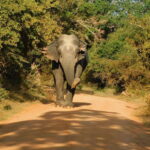
Then the route moves to Udawalawe National Park, and the focus is clear: elephants. The tour notes that more than 600 wild elephants were recorded during the last survey, which tells you this isn’t just “maybe elephants.” It’s a park built around that probability.
The stop is about 1 hour, and the itinerary marks admission free for Udawalawe. So you get a full viewing block without paying another ticket at this specific stop, according to the plan you’re given.
Udawalawe’s elephant reputation is also why this half-day format can work well. When you go somewhere where the animal is the draw, you spend less time hoping and more time watching. Elephants tend to be easier to spot than shy species that stay hidden for long stretches.
One caution, though: even with a strong elephant park, sightings still depend on where the animals are at that time of day. With limited viewing time, your best strategy is keeping your attention wide—don’t stare at one spot waiting for miracles. Scan, look for movement, and give yourself permission to enjoy what you can see right now.
Elephant Transit Home (ETH): The 40-Minute Stop With Real Meaning
You end at Elephant Transit Home (ETH), described as the first elephant transit home in Sri Lanka. This part of the itinerary is only 40 minutes, but it’s the kind of stop that often makes safari days feel more complete.
The tour notes that more than 60 babies and young elephants are currently living there. That age detail matters because it shifts ETH from a random roadside stop to a place with a specific focus: young elephant care and transition.
The itinerary also labels admission here as included. So your last stop isn’t a pay-on-your-way add-on, at least as laid out in the tour info you have.
Why it’s valuable in a half-day safari: you’re not only looking for wildlife in the wild. You’re also seeing an elephant story tied to conservation and human effort. It adds context to what you’ve been watching in the parks.
The only drawback is time. Forty minutes goes quickly. If you’re the kind of person who likes reading every sign and processing every detail, you may feel a little rushed.
Price and Entrance Fees: Does $89 Actually Cover the Day?
The price is $89.00 per person, with pickup offered and a mobile ticket. It includes all fees and taxes, private transportation, and entrance fee (1 attraction only), plus it notes admission ticket included at some stops.
Here’s the key value question: what exactly is covered at each location? Your itinerary labels admissions like this:
- Bundala National Park: admission ticket included (1 hour)
- Yala National Park: admission ticket free (1 hour)
- Udawalawe National Park: admission ticket free (1 hour)
- Elephant Transit Home (ETH): admission ticket included (40 minutes)
At the same time, the information also includes a warning that if you want to visit more than one park, you may need to pay entrance fees separately, estimated at $35 each person per park.
So how do you make this work for you? You don’t overthink the day. You verify what fees are included for the exact stops you’ll do that day. The itinerary already suggests some admissions are covered and some are free, but the separate-parks note is there for a reason—extra additions can change the total.
Value-wise, this is still a strong deal if the inclusions match the itinerary you’re following. You’re paying for transport plus multiple wildlife stops plus ETH, and you’re not paying for lunch, which keeps the price lower but changes what you’ll need to plan.
What’s Not Included: Lunch (and Why It Matters)
Lunch is not included. With a 4-hour outing, you might still catch a meal after you return, but you’ll want a plan for it.
If you’re traveling with a tight schedule, don’t treat lunch as an afterthought. Safari days can run on animal time. When the itinerary ends, you’ll be hungry, and hungry is when people start making rushed decisions.
Plan to eat before you go or right after you come back. That’s the most practical way to keep the day enjoyable.
Best For: Who This Half-Day Safari Fits
This tour makes the most sense for people who want wildlife variety without dedicating a full day. If you’re short on time, moving between towns, or you already have big plans later, the 4-hour structure is a real advantage.
It also fits well if you care about comfort. The focus on converted Toyota luxury safari jeeps and safety helps make the ride easier to handle, especially if you’re not thrilled by long, uncomfortable drives.
And if elephants and birds are your priorities, this route is built for you. You get bird season potential in Bundala (September to April), elephant emphasis in Udawalawe, and young elephants at ETH.
It’s less ideal if you want deep, slow searching in one single park. Here, you’re sampling three parks plus ETH. You’ll see a lot of possibilities, but you won’t get the long-form patience of a full day in just one area.
Book or Skip: Should You Choose This Half-Day Route?
I’d book it if you want a structured, efficient wildlife hit. The strongest reasons are the comfortable Toyota jeeps, the multi-park variety, and the fact that ETH adds a meaningful conservation angle at the end.
I’d hesitate if you’re the type who is very sensitive to surprises in total cost. With the entrance-fee notes mixing “entrance fee for 1 attraction only” with an itinerary that marks some stops as free, you’ll want to confirm what’s included for your exact set of stops. Also, remember that lunch isn’t included, so you’ll need to plan food.
If you can handle quick stops and you’re excited about a sampler approach—this can be a smart, good-value safari day.
FAQ
How long is the Half Day Safari Guided Tour?
It runs for about 4 hours (approx.).
Where does the tour take place?
The safari is in Yala National Park, Sri Lanka, with stops that also include Bundala National Park, Udawalawe National Park, and the Elephant Transit Home (ETH).
What stops are included in the itinerary?
You’ll visit Bundala National Park, Yala National Park, Udawalawe National Park, and Elephant Transit Home (ETH).
Is pickup included, and what transportation do you use?
Pickup is offered, and the tour includes private transportation using converted Toyota luxury safari jeeps.
What is included in the tour price?
The tour includes all fees and taxes, private transportation, and entrance fee (1 attraction only). The itinerary also lists admission as included at Bundala and ETH, and admission as free at Yala and Udawalawe.
Is lunch included?
No. Lunch is not included.
Do I get a mobile ticket?
Yes. The tour includes a mobile ticket.
If I visit more than one park, do I pay extra entrance fees?
The information says that if you want to visit more than one park, you may need to pay entrance fees separately, estimated at $35 each person per park.
If you want, tell me your travel month and whether you’re more focused on birds, leopards, or elephants, and I’ll help you judge whether this mix makes sense for your priorities.