That first spout at sea feels unreal. This Mirissa whale watching tour puts blue whales, sperm whales, and dolphins on your morning horizon, with an easy transfer from Hikkaduwa, Galle, or Ahangama. I love that it’s built around small-group time on the water (limited to 8 people) and includes expert commentary plus safety gear and refreshments. The one watch-out: it’s an early start and it’s not a good match if you’re prone to seasickness.
You’ll meet the crew, get outfitted with what you need, and head out early aboard a well-equipped boat from the Kotapola area. I also like the eco-friendly, respectful viewing style, including a clear rule that you don’t touch the marine life. If you want zero hassle, this is a strong option since pickup and drop-off are included—just be ready to spend a few hours not eating a full meal on the way.
In This Review
- Key highlights to know before you go
- Mirissa whale watching, with pickup that actually saves time
- What you can realistically expect to see (blue whales, sperm whales, dolphins)
- Early morning timing: why it starts before you feel ready
- Boat comfort and safety gear you’ll appreciate once you’re out there
- The English commentary: turning sightings into something you understand
- Stops and flow: how the day runs from pickup to drop-off
- Price and value: what $87 includes (and what it doesn’t)
- Who this tour is best for (and who should skip it)
- What to bring: your “don’t forget” list for the sea
- Booking call: should you book the Mirissa whale watching tour?
- FAQ
- Where are the pickup and drop-off locations?
- How long is the whale watching tour?
- What wildlife can you expect to see?
- Is food included?
- What should I bring, and can I touch the animals?
- Is the tour okay for young children or motion sickness?
Key highlights to know before you go
- Small group size (max 8) keeps the experience feeling personal instead of chaotic
- Pickup and drop-off from Hikkaduwa, Galle, or Ahangama saves you from figuring out transport
- Expert English commentary helps you understand what you’re actually seeing out there
- Safety gear and refreshments included so you’re not scrambling once you’re on the boat
- Eco-friendly, respectful wildlife viewing with a clear no-touch rule
- 4 to 5 hours total makes it doable even on a packed coastal itinerary
Mirissa whale watching, with pickup that actually saves time
If you’re staying around Hikkaduwa, Galle, or Ahangama, the best part of this tour isn’t only the whales. It’s the logistics. You get a transfer that handles the back-and-forth, so you’re not timing buses, hiring a driver last minute, or worrying about where to meet.
The tour is run by Api machan tours, and the format is straightforward: pickup, sail out early, whale watching with commentary, then drop-off back where you started. Total time on the day is about 4 to 5 hours, which is a sweet spot. Long enough to have a real shot at sightings, short enough that your afternoon stays flexible.
The price is $87 per person, and for that you’re not just paying for time on the boat. You’re also paying for included pickup and return, safety gear, refreshments, and live English guidance. Meals aren’t included, but you’ll at least have something to keep you comfortable during the outing.
You can also read our reviews of more tours and experiences in Hikkaduwa.


What you can realistically expect to see (blue whales, sperm whales, dolphins)
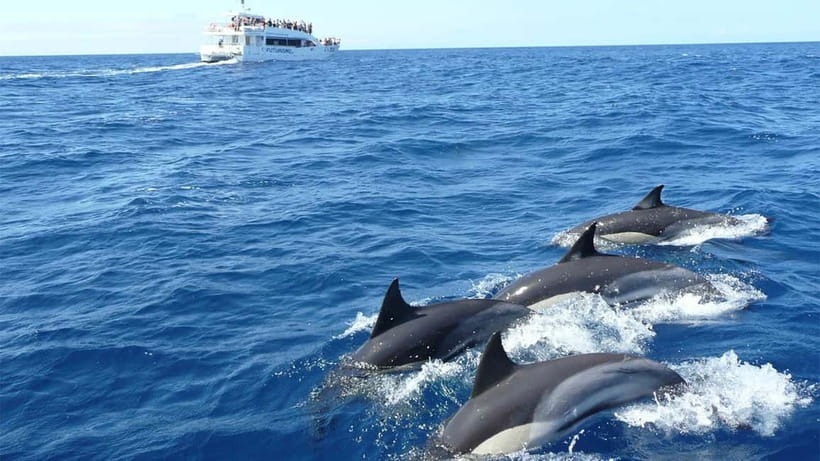
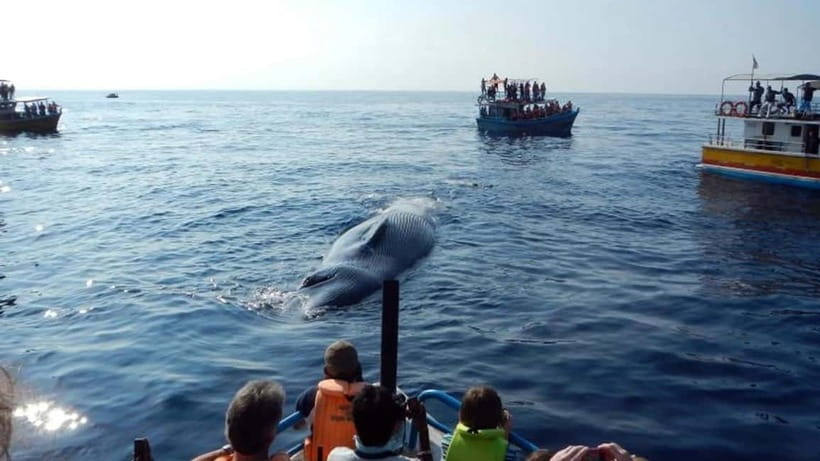
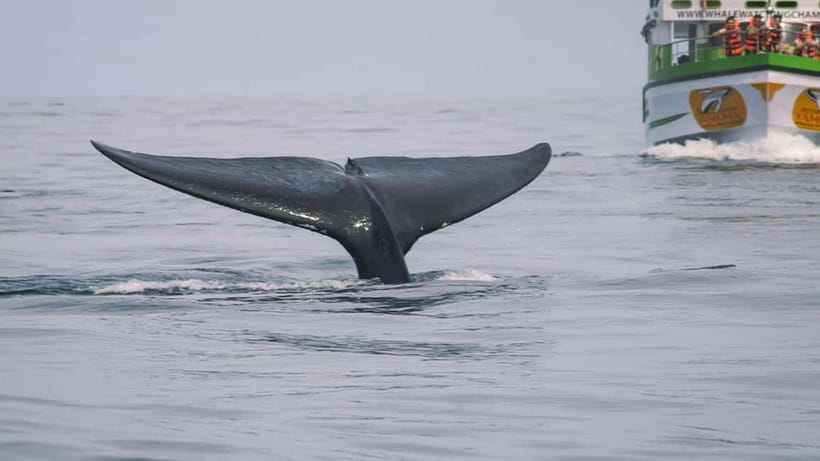
This tour is built around specific wildlife: blue whales, sperm whales, and dolphins. That’s the headline, and it’s what the crew’s watching for once you’re offshore.
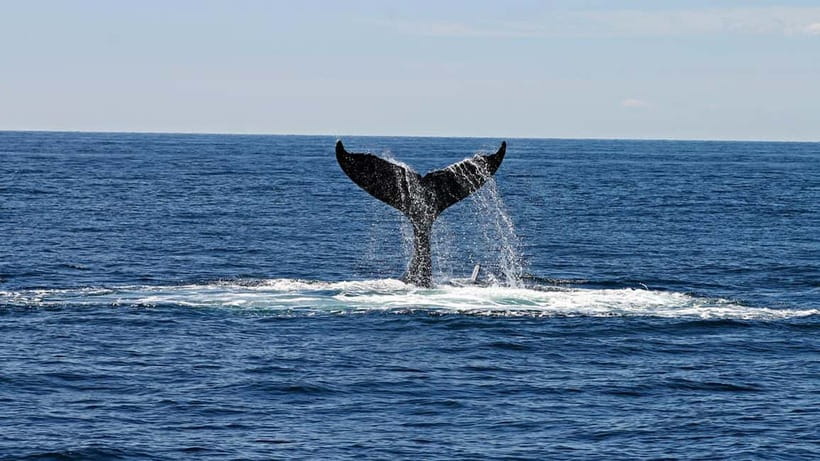
On the water, your job is simple: keep a steady eye out for telltale signs. With whales, it’s all about those quick moments—spouts cutting the air, then the tail and body shifting before they disappear again. For dolphins, it’s usually more movement and quick changes in direction.
A practical note: wildlife sightings are never guaranteed on the ocean. Still, this is clearly organized for whale spotting, with an experienced crew and expert commentary designed to help you identify what you’re seeing in real time.
Also, the tour’s viewing rules are clear: touching marine life isn’t allowed. That matters because it keeps the experience respectful and safer for both you and the animals.
Early morning timing: why it starts before you feel ready
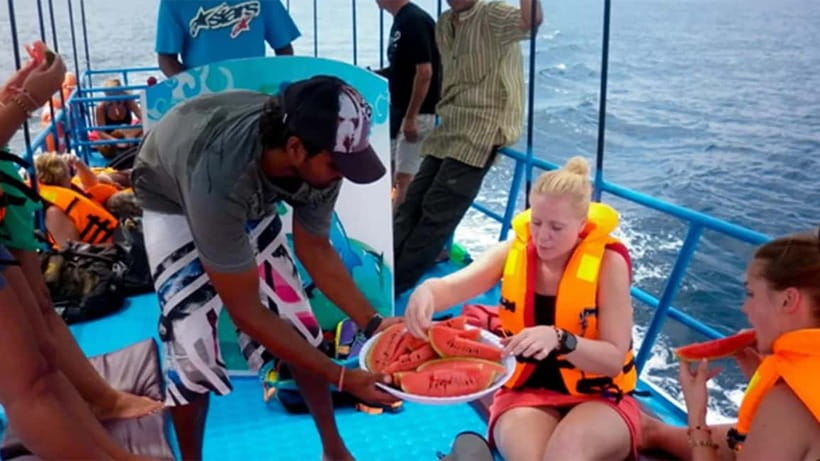
This is an early morning departure. That can be annoying if you like to roll out late on vacation, but there’s a reason boat tours do this. You’ll be heading out when the day is just getting going, and that can make a big difference for spotting activity on the water.
The schedule also helps you avoid losing an entire day to travel. Instead of pushing your whale watching to the afternoon when your energy is lower, this tour keeps it concentrated—sail, watch, learn, and head back with time left for the rest of your coastal plans.
If you’re the type who needs a slow start, pack like a pro. Bring your hat and sunscreen, and bring what you need to stay comfortable in a marine setting where you’ll likely be exposed to sun and sea spray.
Boat comfort and safety gear you’ll appreciate once you’re out there
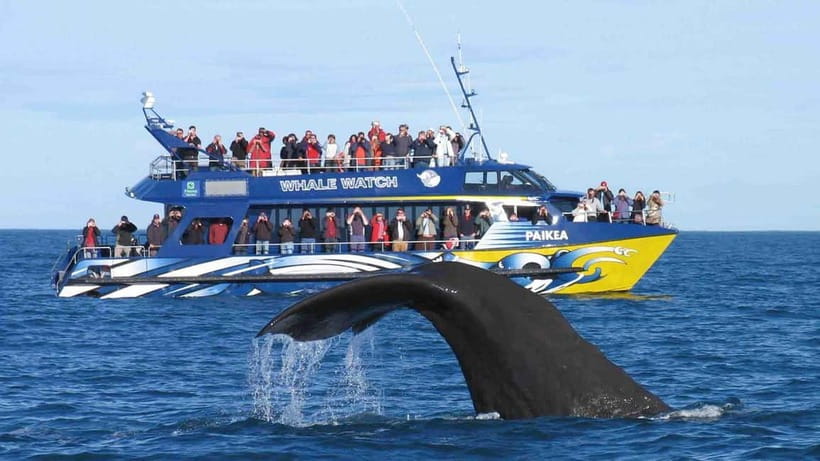
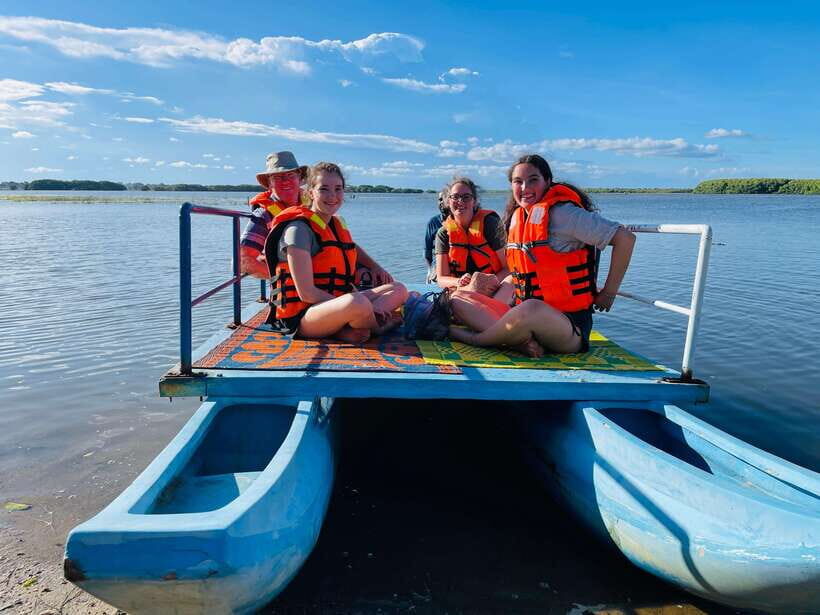
The boat is described as well-equipped, and you’ll have safety gear provided. That combination is a big deal for whale watching. These tours happen at sea, and you want your operator to treat safety as part of the experience rather than an afterthought.
You also get refreshments during the tour. Meals aren’t included, so don’t plan this as your full food day. But the refreshments help you stay focused on spotting instead of turning hungry and cranky mid-session.
Crew experience matters too. You’re told the crew is experienced and that safety and the well-being of ocean inhabitants are priorities. You’ll feel that in the way the trip is run—especially when it comes to maintaining respectful distances and following the no-touch rules.
One more reality check: this tour is not suitable for people prone to seasickness. If you know you get motion sick, this is the moment to be honest with yourself. Don’t tough it out hoping it will be fine.
The English commentary: turning sightings into something you understand
Seeing whales is one thing. Knowing what you’re looking at is what makes it stick.
You’ll have live tour guide commentary in English, and the tour is set up to help you learn about the marine life while you watch. That’s especially helpful because whales don’t hang around for long camera sessions. The difference between a great memory and a confusing one often comes down to whether you can interpret behavior—spouts, movement, and the timing of surfacing.
The commentary also keeps you from just staring blankly at open water. You’ll have a running sense of what the crew is looking for and why it matters.
And because the group is small—limited to 8 participants—you’re more likely to actually hear instructions and questions clearly, instead of being buried in a big crowd.



Stops and flow: how the day runs from pickup to drop-off
This tour doesn’t feel like a multi-stop sightseeing route. It’s more like a clean loop around the sea.
First, you’re picked up from one of three locations: Galle, Hikkaduwa, or Ahangama. The tour includes hotel-area pickup for Hikkaduwa, and drop-off is offered in Ahangama, Hikkaduwa, or Galle. That “home to home” design is what makes the day easy.
Then comes the main event: about 4 hours of whale watching on the water. That window is where sightings happen in bursts. You’ll likely spend some time scanning and repositioning, and then you’ll get the payoff when a whale or dolphin comes into view.
After the tour, you return to your drop-off point. The pacing keeps it simple: no extra detours, no scrambling to find transport when you’re tired and sunburned in the best way.
Price and value: what $87 includes (and what it doesn’t)
Let’s talk money in practical terms.
At $87 per person, this tour includes:
- Pickup and drop-off from your chosen area (Hikkaduwa, Galle, or Ahangama)
- The whale watching portion
- An experienced crew
- Safety gear
- Refreshments
- Expert commentary in English
- A small group setting (up to 8 people)
What’s not included: meals.
So where does the value land? It’s strongest if you would otherwise spend money and time on transport to Mirissa and back. If you’re staying in the area, this package reduces friction. The safety gear and guided interpretation also raise the value. You’re not just buying a boat ride; you’re buying structure and guidance for a high-interest activity.
If you arrive hungry, plan to eat before pickup or after you return. Since meals aren’t included, treat those refreshments as a bonus, not a full meal replacement.
Who this tour is best for (and who should skip it)
This is a good fit if you:
- Want a morning wildlife activity that doesn’t eat your whole day
- Care about respectful wildlife viewing and clear rules (especially the no-touch policy)
- Like having English guidance so sightings feel meaningful, not random
- Prefer a small-group boat experience (limited to 8)
You may want to skip it if:
- You have kids under 6 years old (not suitable)
- You’re prone to seasickness
- You need a full meal during the outing (refreshments are included, meals are not)
If you’re traveling as a couple or small group and you don’t want a big-boat crowd, the small-group limit is a real advantage.
What to bring: your “don’t forget” list for the sea
The tour gives you safety gear, but you bring comfort items.
Pack:
- Hat
- Camera
- Sunscreen
- Binoculars (helpful for spotting and tracking)
And because it’s an ocean morning, dress for sun and sea spray. Even when the sun feels mild at first, it can hit fast once the boat is moving.
Don’t bring plans to touch wildlife. Touching marine life isn’t allowed, and that rule is part of keeping the viewing eco-friendly and respectful.
Booking call: should you book the Mirissa whale watching tour?
I’d book it if you’re staying around Hikkaduwa, Galle, or Ahangama and you want a well-structured whale watching day with pickup, English commentary, and a small group. The value isn’t only the chance to see blue whales, sperm whales, and dolphins. It’s also the fact that safety gear, refreshments, and transportation are built into the price.
I’d skip it if seasickness is a regular problem for you, because the tour isn’t suitable for people prone to it. And if you travel with kids, remember it’s not for children under 6.
If you fit the sweet spot, this is the kind of trip that turns into a story you’ll still tell later: a morning at sea, clear viewing rules, and expert guidance helping you make sense of the wildlife you came for.
FAQ
Where are the pickup and drop-off locations?
Pickup and drop-off are available from Hikkaduwa, Galle, and Ahangama. Pickup options include Galle, Hikkaduwa, and Ahangama, and drop-off is offered in Ahangama, Hikkaduwa, and Galle.
How long is the whale watching tour?
The tour lasts about 4 to 5 hours total, with roughly 4 hours spent on whale watching.
What wildlife can you expect to see?
The tour focuses on seeing blue whales, sperm whales, and dolphins in their natural habitat.
Is food included?
Refreshments are included, but meals are not included.
What should I bring, and can I touch the animals?
Bring a hat, camera, sunscreen, and binoculars. Touching marine life is not allowed.
Is the tour okay for young children or motion sickness?
Children under 6 are not suitable for this tour. It also isn’t suitable for people prone to seasickness.
If you want, tell me where you’re sleeping (Hikkaduwa vs Galle vs Ahangama) and your tolerance for choppy water, and I’ll help you decide which pickup point makes the most sense for your schedule.