Udawalawe turns a normal day into wild-life time. This safari pairs a 4×4 jeep drive through Udawalawe National Park with a visit to the Elephant Transit Home during feeding hours, so you get both nature and conservation in one trip. I particularly like the chance to see Asian elephants close-up in their habitat and the way your English-speaking guide helps you read the park. One key drawback to plan for: park and transit home entry fees are not included in the tour price.
You’ll start from beach towns like Hikkaduwa, Galle, Weligama, Mirissa, and Tangalle, then head inland early for the best odds at elephant sightings. Expect a small-group feel, comfortable A/C transport, and a long game drive with wildlife such as buffalo, deer, crocodiles, and lots of birds. If you’re sensitive to bumpy roads, build in extra patience—this safari is on real park tracks.
In This Review
- Key highlights at a glance
- Udawalawe National Park safari: why elephants steal the show
- South-coast pickup and the drive inland (A/C helps)
- The 4×4 jeep game drive: what you’ll see and how to watch
- Your guide makes or breaks the safari (and the best ones find the angles)
- Elephant Transit Home feeding times: conservation with a real-world purpose
- Timing choices: morning vs midday trade-offs
- Food, water, and the small things that save your day
- Price and value: what $27 doesn’t include
- Who should book Udawalawe from the south coast (and who might want to think twice)
- Should you book this Udawalawe safari from Hikkaduwa, Galle, Weligama, Mirissa, or Tangalle?
- FAQ
- Is the Udawalawe National Park entry fee included?
- Is the Elephant Transit Home entry fee included?
- What’s included in the tour price?
- Do I need to bring food or drinks?
- What time is the Elephant Transit Home feeding?
- How long does the safari take?
Key highlights at a glance
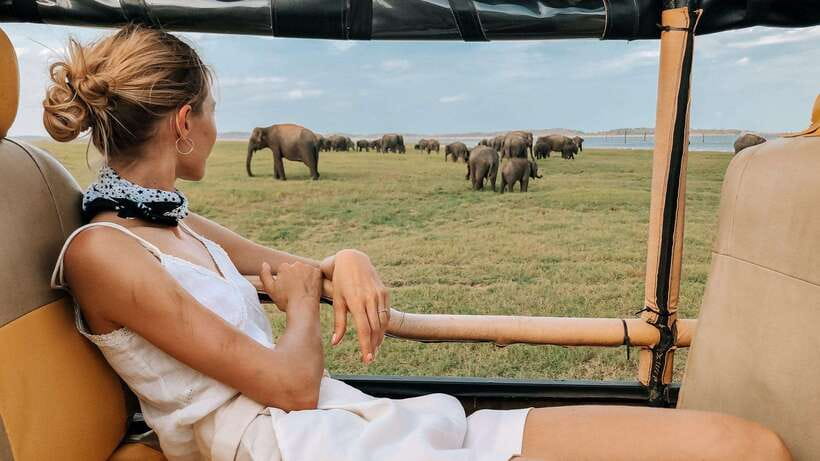
- Elephants in the wild: Udawalawe’s famous Asian elephant herd is often the star of the day
- 4×4 jeep viewing: high-up jeeps make it easier to spot wildlife from a distance
- Wildlife beyond elephants: buffalo, deer, crocodiles, and many bird species
- Elephant Transit Home feeding: see orphaned young elephants being cared for at scheduled times
- Local guide interpretation: better spotting and more meaning from what you see
- Pickup from the south coast: convenient transfers from multiple towns in the Galle–Mirissa–Tangalle region
Udawalawe National Park safari: why elephants steal the show
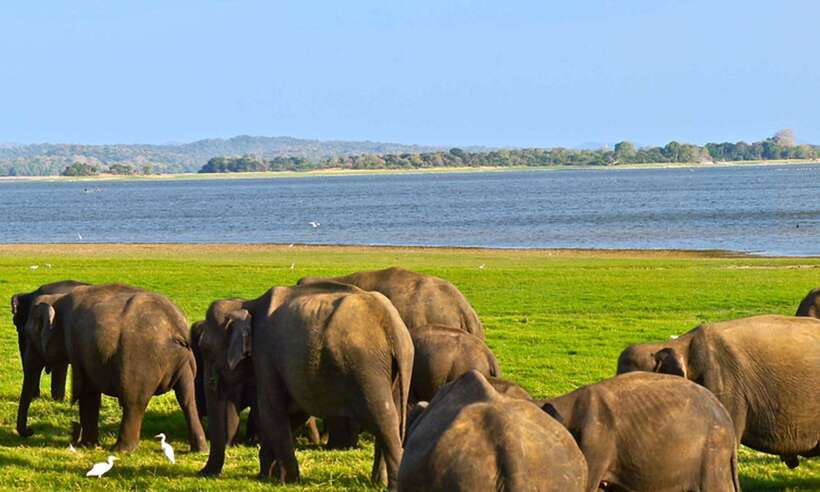
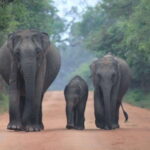
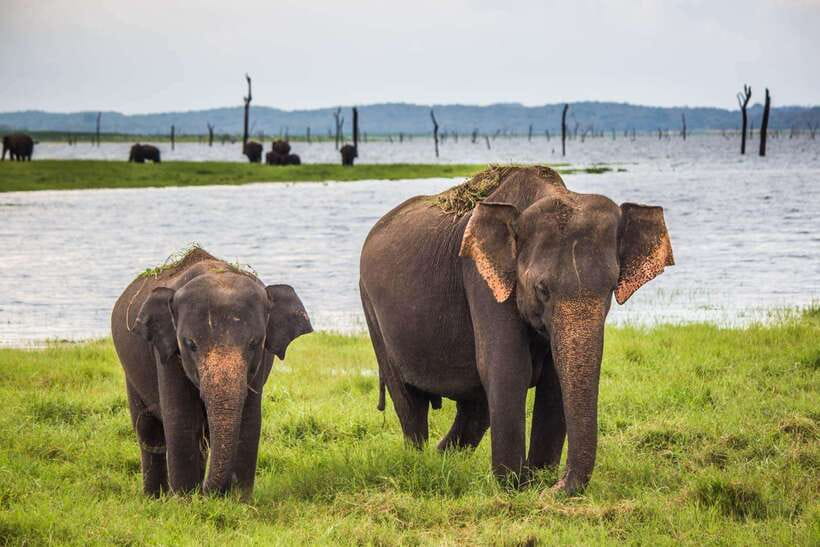
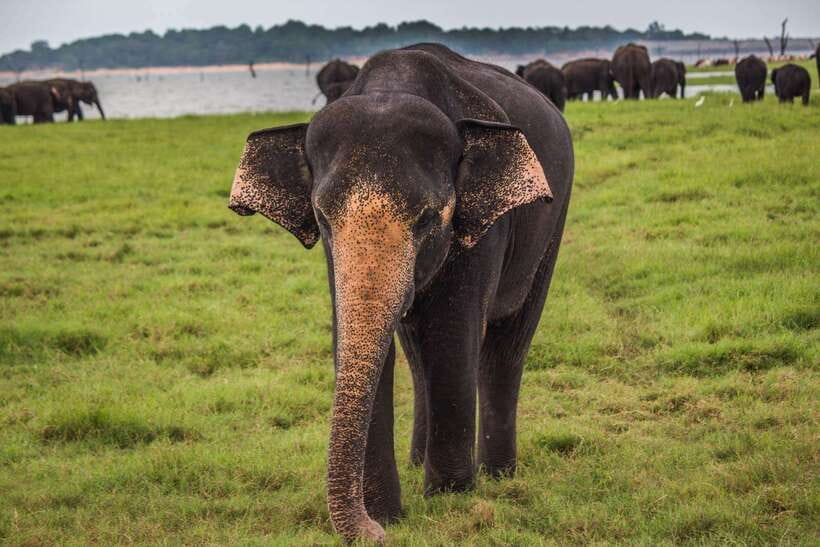
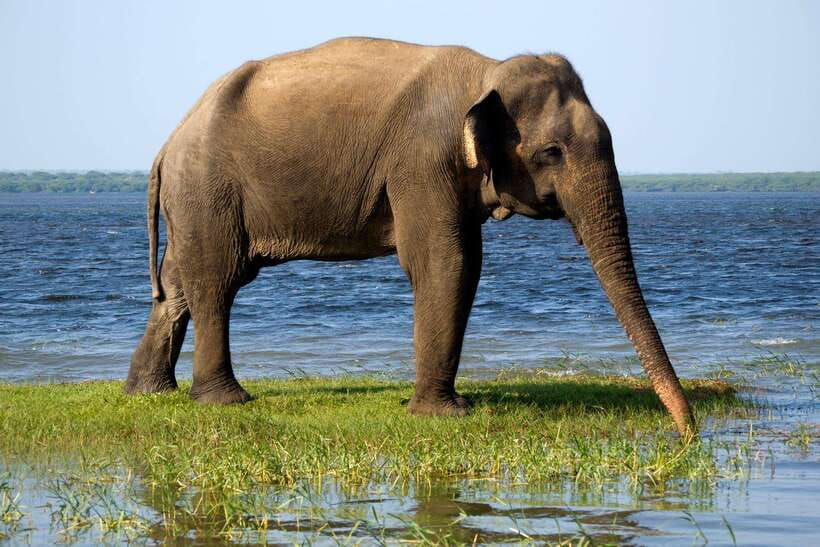
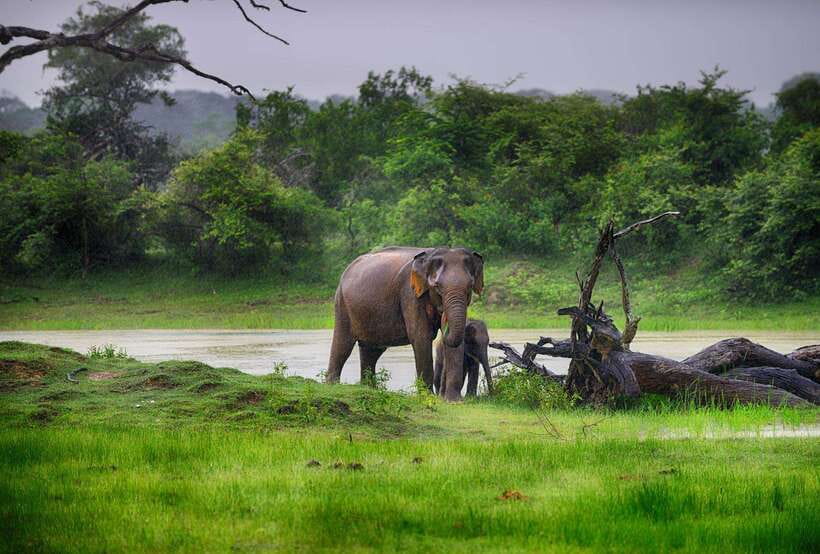
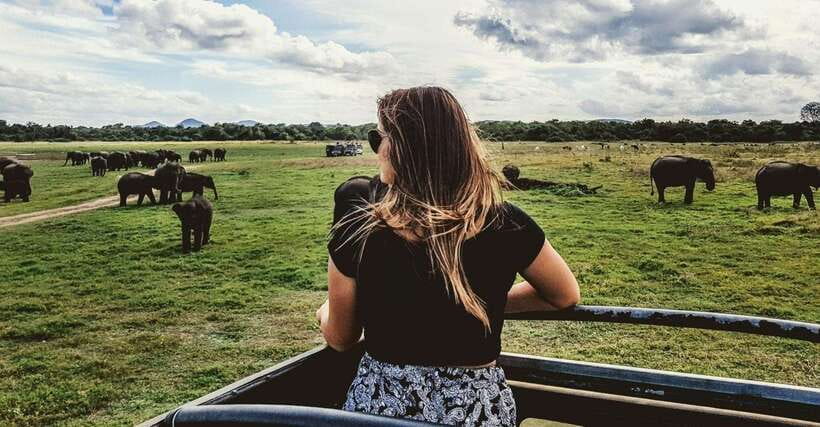
Udawalawe National Park is one of the best places in Sri Lanka to focus your time on elephants without guessing too much. The park is known for its 400-strong Asian elephant herd, and that matters because you’re not just chasing a random sighting. The whole safari is designed around giving you the best shots at seeing elephants in natural behavior—feeding, walking edges of water, and moving through open areas.
I also like that the day isn’t only about elephants. When the herd is near, your guide can help you notice the smaller signs too: tracks near water, movement in scrub, and birds reacting to what the elephants are doing. That’s where Udawalawe turns into a real wildlife safari, not a one-animal checklist.
Still, wildlife isn’t a guarantee. Some days are elephant-heavy, other days bring more variety. The upside is that Udawalawe tends to deliver enough sightings that even a “slower” day still feels like you went on a real safari.
You can also read our reviews of more tours and experiences in Hikkaduwa.
South-coast pickup and the drive inland (A/C helps)
This tour is built for convenience on Sri Lanka’s southern coast. You’re collected from areas like Hikkaduwa, Galle, Unawatuna, Thalpe, Habaraduwa, Ahangama, Weligama, Mirissa, Matara, Hiriketiya, and Tangalle, then transported to Udawalawe in an air-conditioned vehicle.
The practical value here is simple: you don’t need to figure out timing, route, or separate transport. You just get in, get comfortable, and focus on the day ahead.
One thing to know: pickup can be very early depending on your chosen start time. In real-world operation, some slots mean you’ll be asked to be ready in the dark, and a few people have reported last-minute pickup-time messages. If you hate early mornings, consider choosing the later option when available—and accept that midday can be hotter.
Also, the roads to the park can be bumpy. The good news is that people have used rain covers when weather turns, and the jeeps are set up for viewing. The caution is for anyone who gets carsick easily on rough drives—this is not a smooth city-commute road.
The 4×4 jeep game drive: what you’ll see and how to watch
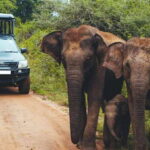
Once you reach Udawalawe, you’ll switch to a customized 4×4 jeep for the park safari. This is where the trip earns its keep. The jeeps are set up for wildlife viewing, and the higher seating helps you spot animals without constantly leaning or craning your neck.
So what’s actually out there? Your best targets include:
- Asian elephants moving through open areas and near water
- Water buffalo and other grazing wildlife that share similar habitats
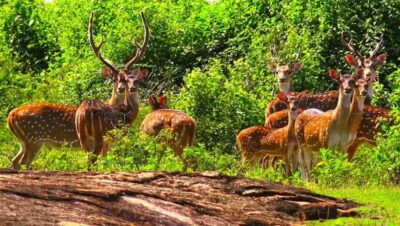
- Deer that show up in quieter corners and edges of vegetation
- Crocodiles near water in some parts of the park
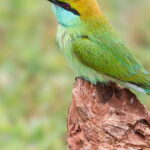
- Birdlife—often the kind of bird spotting you’d miss on your own
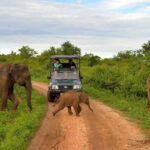
Elephants can appear remarkably close on good days. The key is to let your driver position the jeep safely and calmly, then enjoy the details: trunk movements, ears flicking, dust settling as they move.
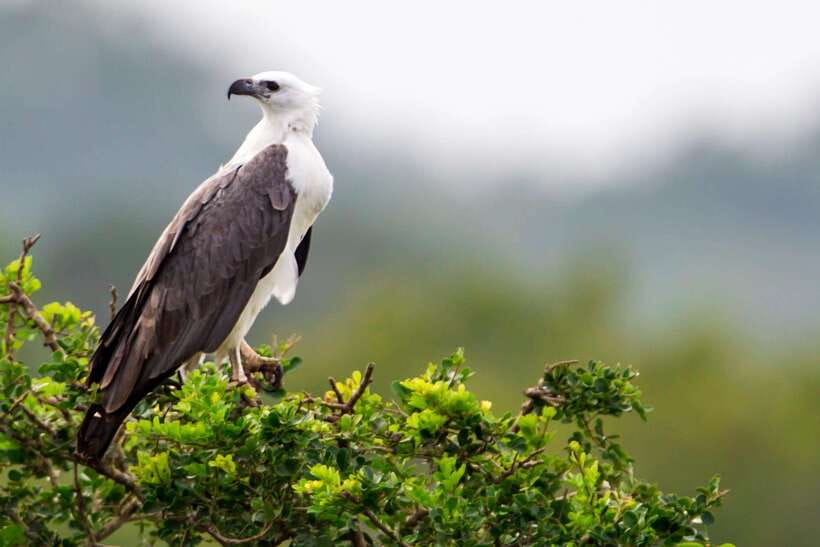
And don’t ignore the “small stuff.” When you’re looking for elephants, it’s easy to forget the park’s rhythm. That’s how people end up seeing additional surprises like peacocks, eagles, mongooses, and even less common sightings. Some guides are especially good at steering you toward places where animals are actively using the space rather than just passing through.
A useful tip: bring a light layer even if it’s warm near the coast. Mornings inland can feel cooler, and you’ll be sitting longer in the jeep.
Your guide makes or breaks the safari (and the best ones find the angles)
You get a driver/guide for the safari with English interpretation. This matters more than people expect, because spotting wildlife isn’t only about sight—it’s about timing and knowing where animals like to be.
In particular, some guides have a clear talent for finding less crowded viewing angles. You want your jeep to be in a position where you can see movement and still have time to take photos without the stress of constantly changing spots.
From names that have shown up often in real safaris from this region—Pathum, Mahesh, Koshala, Sheehan, and Janaka—the common theme is clear: they focus on explanation, not just driving. That means you’ll understand what you’re looking at: which birds to watch for, what elephant behavior can signal, and why certain areas are worth slowing down.
If you’re serious about photos, this kind of guidance helps you get better frames with less wasted time. And if you’re new to safaris, it helps you avoid the common mistake of staring only at the biggest animal while missing everything else that makes Udawalawe feel alive.
Elephant Transit Home feeding times: conservation with a real-world purpose
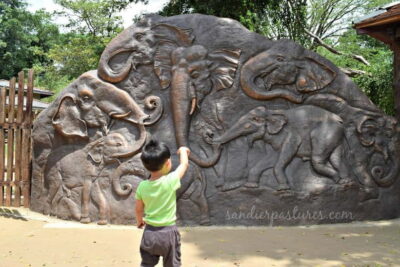
After the safari, the plan includes a visit to the Elephant Transit Home during feeding times: 10:30 AM, 2:30 PM, or 6:00 PM. This is the part of the day that adds meaning.
Here’s what you should expect: young orphaned elephants are cared for, fed, and prepared as part of a conservation effort meant to give them a future back in the wild. It’s not a theme-park scene. It’s a close look at how Sri Lanka manages elephant rescue and rehabilitation.
If you come in only expecting selfies with big animals, this stop tends to hit differently. It gives context to why you’re seeing so many elephants in protected habitats. It also makes your safari feel less like entertainment and more like a window into how wildlife and people share the landscape.
Practical note: the Elephant Transit Home entry fee is not included in the package (about 6 USD, based on the info provided). Bring cash or be ready to pay onsite, and plan a little extra time for this part of the schedule.

Timing choices: morning vs midday trade-offs
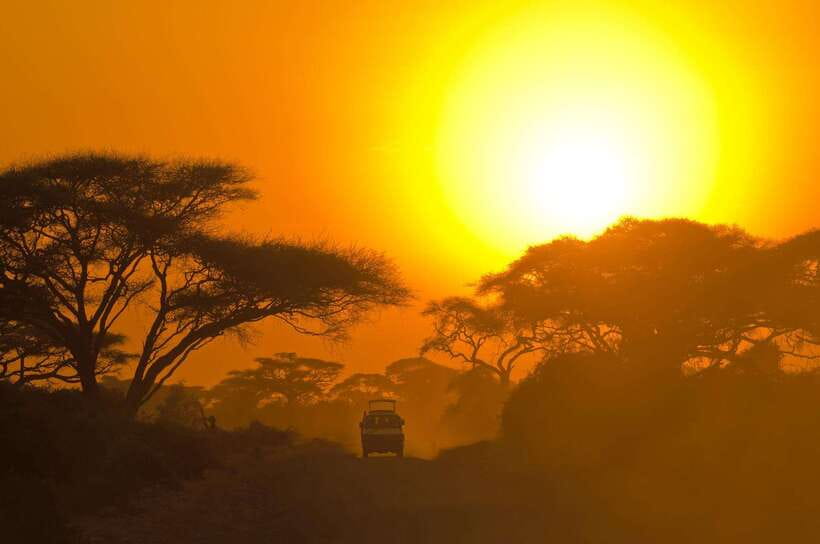
Udawalawe rewards early starts. Many safaris are designed for early departures because animals are often more active then, and the light can make viewing easier.
That said, timing is a trade:
- Morning: better odds for wildlife activity, plus the most classic safari vibe
- Midday: fewer jeeps in some spots, but it can be hotter and more tiring
- Evening: another option, but your drive and viewing conditions may differ by schedule
If you’re flexible, I’d choose a time that balances comfort with wildlife activity. If you have limited vacation days, prioritize the slot that keeps the experience from becoming rushed.
Also watch the weather. One report noted heavy rain during the safari, but the jeep had covers and people stayed dry enough to keep seeing animals. Still, wet conditions can affect roads and visibility, so accept that your guide might adjust where you spend time.
Food, water, and the small things that save your day
Food and drinks are not included. That’s not a deal-breaker, but you do need to think ahead.
If you’re doing a long inland drive plus a game drive, bring:
- water you can access easily
- a few snacks (something non-messy)
- anything you need for comfort in the jeep (sun hat, light rain layer)
A small stop is sometimes useful, but you shouldn’t count on a sit-down meal being part of the plan. Build your energy for an all-day feel.
Also, pack for the elephant viewing reality:
- keep your phone/camera protected from dust and spray
- wear shoes you don’t mind if it gets muddy near park areas
- don’t plan on long breaks once the safari is underway
Price and value: what $27 doesn’t include
The headline price is listed at about $27 per person, but you should treat it like a transportation + safari package, not the full ticket total.
Not included:
- Udawalawe National Park entry fee (about 36 USD)
- Elephant Transit Home entry fee (about 6 USD)
- Food and drinks
When you add those entry fees, you should expect a higher day cost than the base price suggests. That’s normal for Sri Lanka tours, but it’s worth planning your budget so the day stays stress-free.
Now for the value part. You’re paying for:
- pickup and drop-off from a wide set of south-coast towns
- air-conditioned travel to Udawalawe
- a jeep safari in the park
- a driver/guide with English interpretation
- highway toll charges
For many people, the value is the total time saved. Doing Udawalawe on your own means extra planning, more transport logistics, and likely less effective spotting. With this format, you spend more of the day focused on wildlife and less time on logistics.
One more value note: it’s offered as a small group when available. That usually means you spend less time waiting around and more time watching.
Who should book Udawalawe from the south coast (and who might want to think twice)
This safari fits you well if:
- you want an elephant-focused day without chaining together multiple private services
- you’ll appreciate a guide who helps you spot animals and understand what you’re seeing
- you’re traveling from the Galle–Mirissa–Tangalle zone and want simple pickup/drop-off
- you like a trip with a purpose, thanks to the Elephant Transit Home feeding session
It’s less ideal if:
- you get motion sick on rough roads
- you don’t want to pay entry fees onsite (because both the park and transit home require extra payment)
- you’re only interested in seeing elephants and want a shorter, less structured day
Also, if you’re sensitive to crowds, plan with timing in mind. The park can be busier in some time windows, so your guide’s choice of where to stop can heavily influence how peaceful your viewing feels.
Should you book this Udawalawe safari from Hikkaduwa, Galle, Weligama, Mirissa, or Tangalle?
If your goal is a strong wildlife day with elephants plus a meaningful conservation stop, I’d say yes. The combo of Udawalawe jeep viewing and Elephant Transit Home feeding gives you two sides of the same story: animals in their habitat and the rescue work that supports them.
Book it if you’re ready for:
- early driving (sometimes very early)
- bumpy park roads
- extra onsite fees for the park and transit home
- a day with no included meals
If you want the best experience, plan to bring snacks and water, choose a timing slot you can handle comfortably, and go into the jeep drive ready to notice more than just the biggest animals. Udawalawe rewards that mindset fast.
FAQ
Is the Udawalawe National Park entry fee included?
No. The Udawalawe National Park entry fee is not included, and it’s listed as about 36 USD.
Is the Elephant Transit Home entry fee included?
No. The Elephant Transit Home entry fee is not included, and it’s listed as about 6 USD.
What’s included in the tour price?
Hotel pickup and drop-off from the listed south-coast areas, transportation by air-conditioned vehicle, a jeep safari in Udawalawe National Park, a driver/guide, and highway toll charges.
Do I need to bring food or drinks?
Yes. Food and drinks are not included, so you should plan to bring your own snacks and water.
What time is the Elephant Transit Home feeding?
You visit during one of these feeding times: 10:30 AM, 2:30 PM, or 6:00 PM.
How long does the safari take?
The duration is listed as 3 to 8 hours, depending on the starting time and availability.