Getting underwater can be less scary than you think. The combo of one-on-one coaching and calm-water practice makes this feel controlled, not chaotic. One thing to consider: it’s not suitable if you have certain health issues or claustrophobia.
I like how this experience is set up for beginners, with clear steps from check-in to skills practice to a guided open-water session off Hikkaduwa. You’ll get full gear rental and an English-speaking certified instructor, plus a debrief afterwards to talk through what you felt and what you should do next time.
If you’re hoping to just jump straight in with zero training, this is not that kind of day. You’ll do the basics first, in shallow water, because they build confidence fast—and that takes a bit of your 3 hours.
In This Review
- Key Highlights You’ll Feel Right Away
- Finding Coral Sands Hotel and Starting On Time
- The Safety Briefing That Actually Makes Sense
- Equipment Included: What You Wear, What to Check, What to Expect
- Calm-Water Practice in a Pool or Shallow Lagoon
- Open-Water Session Off Hikkaduwa: What You’ll See
- Why One-on-One Coaching Changes Everything
- Debrief, Refreshments, and Optional Photos
- Price and Value: Why $91 Can Be a Fair Deal
- Who This Fits Best (and Who Should Skip It)
- What to Bring to Stay Comfortable
- A Few Handy Expectations Before You Go Under
- Should You Book This in Hikkaduwa?
- FAQ
- How long is the Discover Scuba experience in Hikkaduwa?
- Where do I meet for the activity?
- Do I need any scuba experience before I go?
- What scuba equipment is included?
- Will I practice before going into open water?
- Are refreshments included after the session?
- Can I purchase photos or video of the experience?
- Is basic insurance included?
Key Highlights You’ll Feel Right Away
- One-on-one instruction that keeps your pace comfortable and your questions on time
- Confined-water practice in a pool or shallow lagoon so skills click before open water
- Beginner-friendly approach with no prior experience required
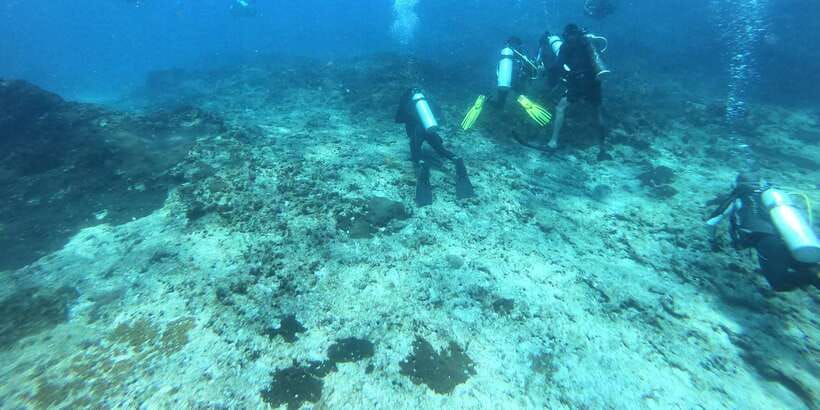
- Guided open-water experience off Hikkaduwa to see coral and fish safely
- Debrief + optional photo/video so you can process the experience (and capture it)
- Basic insurance included for extra peace of mind
Finding Coral Sands Hotel and Starting On Time
This experience starts at International Diving School’s PADI 5-star scuba center inside Coral Sands Hotel in Hikkaduwa. The advantage of a hotel-based meeting point is simple: it’s easy to orient yourself, grab what you forgot, and arrive without a frantic scavenger hunt.
Plan to arrive with your swimwear ready and your change of clothes packed. Towels aren’t provided, and you’ll want something dry for the ride back and the first post-session minutes when you’re still a little cold and floaty-brained.
Also note it’s English instruction. If you’re comfortable in English, you’ll likely get the full benefit from the safety talk and skill corrections, which is where many first-timers either relax or spiral.
You can also read our reviews of more tours and experiences in Hikkaduwa.



The Safety Briefing That Actually Makes Sense
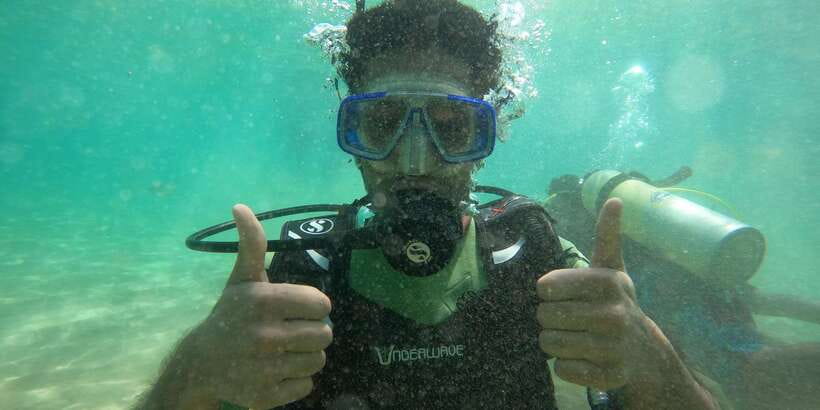
Before you get suited up, you’ll get an introduction covering scuba principles and the main safety procedures. This is not the vague, scary kind of briefing. It’s the practical checklist version: what to expect, how to communicate, and what to do if something feels unfamiliar.
The key skills they cover are the ones that keep you calm under water:
- breathing underwater,
- equalizing pressure,
- clearing your mask.
If you go in with a mindset of learning, this part feels like a quick orientation—like getting your bearings fast—rather than homework you must memorize.
And since you’re with certified instructors throughout, you’re not left to figure it out alone. That matters a lot on a first attempt.
Equipment Included: What You Wear, What to Check, What to Expect
You don’t just pay for a slot—you get scuba equipment rental included. That standard kit is:
- mask
- fins
- snorkel
- wetsuit
- scuba gear
Before heading into the water, the instructor will walk you through the gear so you feel comfortable with what each piece does. This is where first-timers often overthink: they assume the kit will be complicated. In reality, once you know what to adjust and why, it becomes less intimidating.
Practical tip: wear something you can rinse later if needed, and keep your pockets empty during the session. You’ll likely finish a little damp even if the water is calm.
Also remember the rules: no touching marine life. You’re there to observe, not grab or test. That keeps you safe and protects the ocean.
Calm-Water Practice in a Pool or Shallow Lagoon
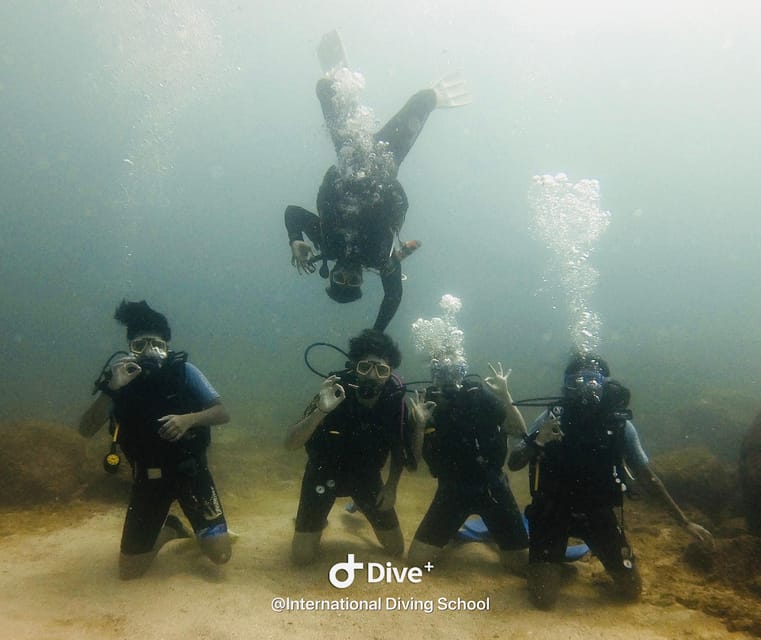
This is the part I’d defend even if someone tried to convince you to skip it. The confined-water practice gives you a controlled place to get the hang of breathing and buoyancy before you’re out where conditions feel more real.
They typically use a pool or shallow lagoon for this stage. You’ll practice skills like:
- breathing underwater without panicking,
- equalizing pressure,
- clearing your mask if water gets in.
Why this matters for you: your body needs a minute to stop treating the situation as a threat. Shallow water does that work for you. You’re not fighting deep-water fear at the same time as learning equipment.
If you’re nervous, this stage should be your confidence builder. Ask questions. Repeat steps. Take the instructor’s corrections seriously because they’re tailored to help you feel steady, not to deliver a performance.
Open-Water Session Off Hikkaduwa: What You’ll See
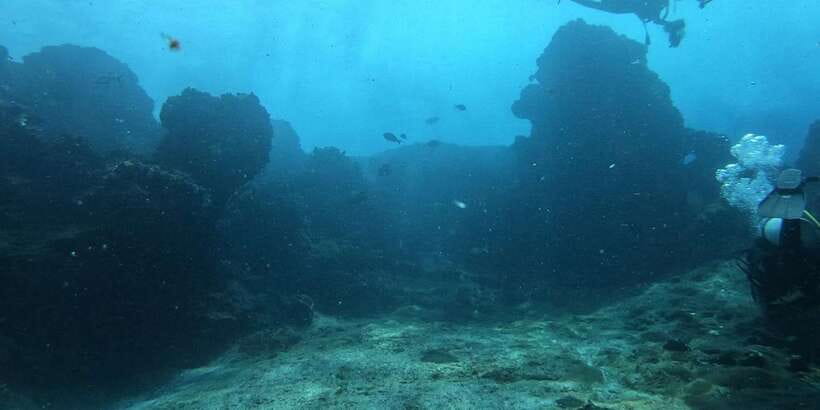
After training, you’ll move into the guided open-water experience in the waters off Hikkaduwa. This is where the day turns from skills practice into the reason you signed up: seeing coral and colorful fish while you feel weightless.
The underwater focus here is marine life and coral reefs with fish around you. You don’t need advanced buoyancy skills yet; the instructor keeps things structured, and your prior calm-water work is what helps you enjoy the moment instead of constantly worrying about your breathing.
What you should mentally prepare for:
- You’ll be focused on basic control (breathing, buoyancy, staying relaxed).
- You’ll still notice animals and scenery—just not in a fast “tourist mode” way.
- If you feel overwhelmed, your best move is to communicate with your instructor quickly, not to muscle through it.
You’ll likely come back thinking, Wow, that wasn’t as hard as I feared. That’s the training paying off.





Why One-on-One Coaching Changes Everything
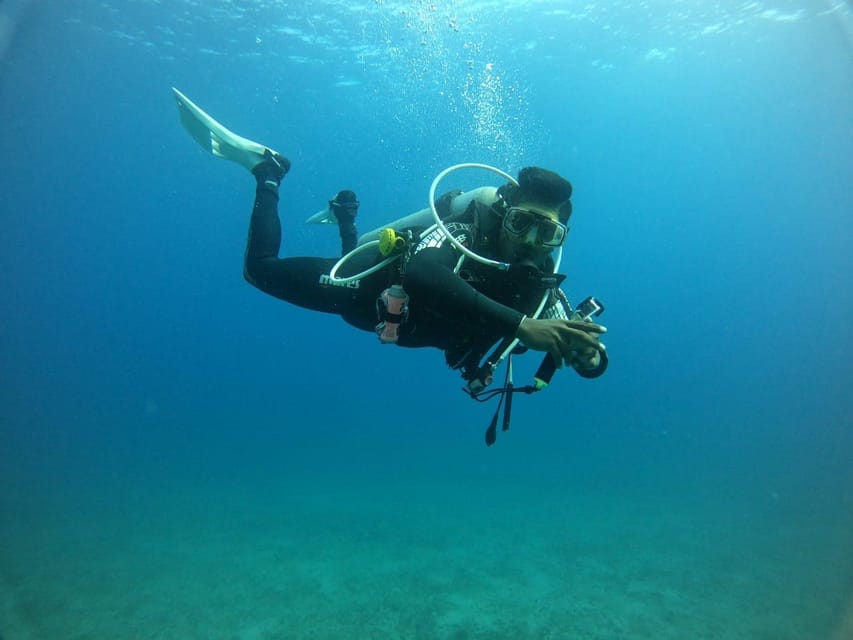
The experience is described as personalized instruction with certified guidance throughout. In plain terms, you’re not paying to be part of a group that moves on without you.
One-on-one time helps you in two big ways:
- You get fixes for your exact problem (mask fit, breathing rhythm, equalizing timing).
- You can ask questions while they’re still relevant, instead of remembering them later when you’re already underwater.
For a first-time scuba experience, that reduces stress. Stress is the enemy of good learning because it makes breathing feel harder and buoyancy feel confusing.
And because there’s a post-session debrief, you’ll have a chance to talk through what worked and what didn’t. That turns the day into a step-by-step learning story, not a one-time event.
Debrief, Refreshments, and Optional Photos
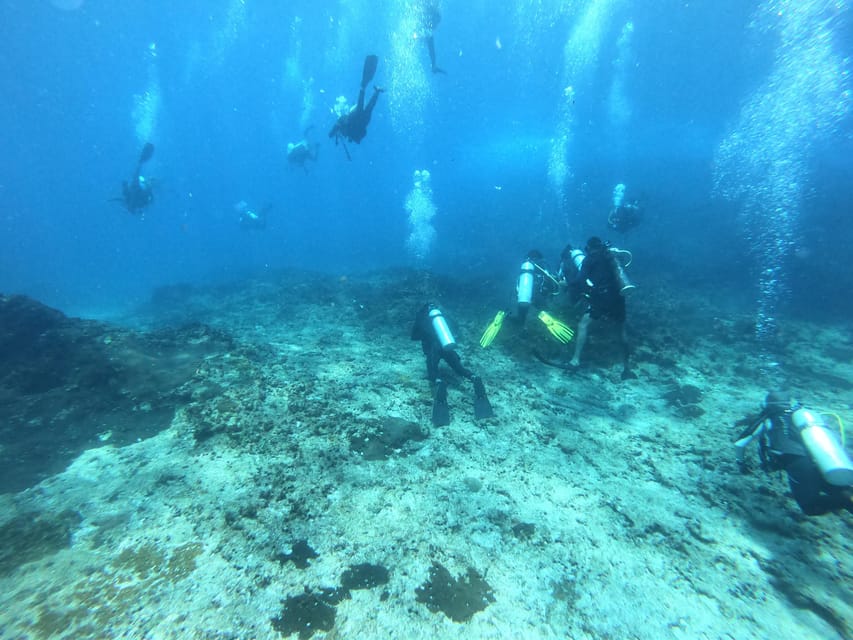
After your open-water portion, you’ll return for a debrief with your instructor. This is where you can ask questions and review your experience. I like this part because it turns emotions into clarity. You can learn what you should do next time without guessing.
Light refreshments are provided—snacks and drinks to help you reset after the water time. It’s also a good moment to warm up and let your brain stop buzzing.
Photos and/or videos are available for purchase. They’re not included automatically, so if you want to capture the moment, keep an eye on the options after the session.
Souvenir shopping may also be part of the wrap-up, and it’s nice to have something tangible to remind you of the day.
Price and Value: Why $91 Can Be a Fair Deal
At $91 per person for a 3-hour beginner program, you’re paying for more than “someone taking you in the water.” In this package, the value comes from three things working together:
- Instruction plus training time: safety briefing, skill practice in calm water, then guided open water.
- Gear rental: mask, fins, snorkel, wetsuit, and full scuba gear are included.
- Debrief and basic insurance: you get supervision, post-session Q&A, and insurance coverage included for peace of mind.
If you were to add gear rental and a private teaching session on your own, the cost would usually add up quickly. Here, it’s bundled into a beginner-friendly format with the full progression built in.
Not everything is included, though. Meals are not provided beyond light refreshments, and underwater photos/video are an extra purchase. Also, additional dives or advanced courses aren’t included in the base price—so if you want more than one underwater session, you’ll need an add-on option.
Still, for first-timers, the $91 price feels geared toward learning and confidence, not just ticking a box.
Who This Fits Best (and Who Should Skip It)
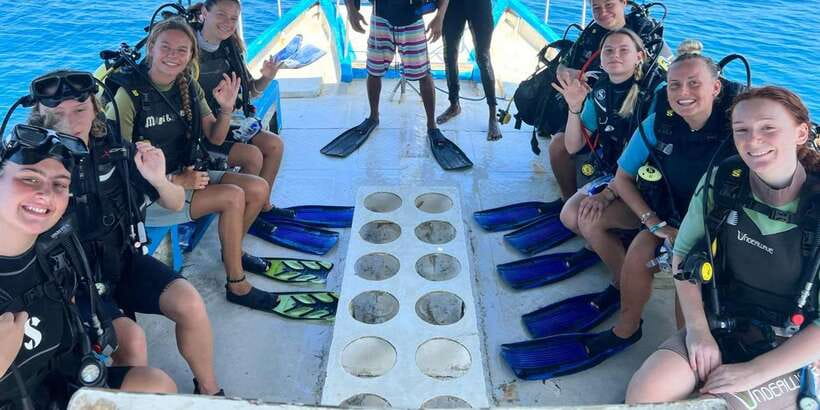
This is designed for beginners, no prior experience required. That’s a great match for people who want to try scuba in a structured way and gain skills safely.
But it’s also clearly not for everyone. It’s not suitable for:
- children under 10,
- people with mobility impairments,
- people with claustrophobia,
- people with heart problems,
- people with vertigo,
- people with respiratory issues,
- people with epilepsy,
- people with pre-existing medical conditions,
- people with high blood pressure,
- people over 70.
If any of those apply, don’t treat this as a casual activity. The safest move is to choose a different water activity and ask a medical professional first about scuba suitability.
Also keep in mind the behavioral rules: no touching marine life, no touching animals, and no touching plants. That’s for safety and protection, and it shapes how the experience feels—more like observation with training, less like interaction.
What to Bring to Stay Comfortable
The experience is set up so you bring personal basics and they handle the specialized gear. You should bring:
- change of clothes,
- beachwear,
- biodegradable sunscreen,
- food and drinks.
Yes, food and drinks are on your list. Even with refreshments included after the session, you’ll be happiest if you can eat before you head out and keep hydrated. Sun and heat are real factors in Hikkaduwa.
Also skip alcohol and don’t bring drugs, since they’re not allowed. Explosive substances aren’t allowed either. And while you might be tempted to lather up strong sunscreen, keep to biodegradable sunscreen as requested.
What you don’t bring: towels and swimwear aren’t provided. If you arrive dry but without the right clothes, you’ll lose time and energy that you could have spent relaxing before your skills practice.
A Few Handy Expectations Before You Go Under
You’ll be learning while you’re doing. That means you might feel slightly awkward at first, especially with breathing and mask-clearing. That’s normal.
Here’s how to set yourself up mentally:
- Expect instructions, not just freedom.
- Practice equalizing pressure calmly. Don’t rush it.
- Treat buoyancy like a slow conversation with the water, not a battle.
Most first-timers come away happy they stayed curious. The training flow—safety briefing, equipment check, calm-water practice, guided open-water time, then debrief—keeps you from getting thrown into the deep end, literally or emotionally.
Should You Book This in Hikkaduwa?
I’d book this if you want a beginner-friendly way to experience scuba with structured training and real support. The one-on-one coaching and confined-water practice are the standout value points, because they reduce fear and help you enjoy the ocean sooner.
Skip it if you fall into the listed “not suitable” categories, especially claustrophobia or relevant medical concerns. And if you’re expecting a long, advanced underwater exploration, remember this is a starter program with one guided open-water session.
If you want a confidence-building first try, this is a smart way to spend 3 hours on the coast—gear included, instructor guidance included, and a debrief so you leave with skills, not just photos.
FAQ
How long is the Discover Scuba experience in Hikkaduwa?
It lasts 3 hours total, from arrival and check-in through training, the guided open-water experience, and the post-session debrief.
Where do I meet for the activity?
The center is based inside Coral Sands Hotel in Hikkaduwa.
Do I need any scuba experience before I go?
No. It’s designed for beginners and no prior experience is required.
What scuba equipment is included?
The package includes mask, fins, snorkel, wetsuit, and scuba gear rental.
Will I practice before going into open water?
Yes. You’ll do confined water practice first (in a pool or shallow lagoon) to learn key skills before the guided open-water experience.
Are refreshments included after the session?
Yes. Complimentary drinks and snacks are provided after your dive training.
Can I purchase photos or video of the experience?
Yes. Photos or videos are available to purchase, but they’re not included in the base price.
Is basic insurance included?
Basic insurance coverage is included as part of the experience.