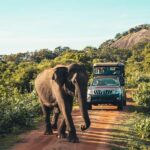
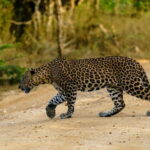
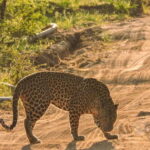
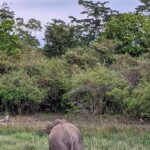
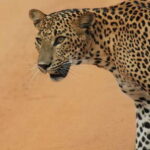
Leopards aren’t guaranteed, but this jeep ride delivers. From Hambantota Port or your hotel pickup, you head straight into Yala National Park in a 4×4 to hunt for elephants, sloth bears, and that special moment when you realize you’re watching Sri Lanka’s wildlife in the real wild, not on a screen. What I like most is the focused, guided search—your driver is actively steering you through the park’s best areas—and the chance to see animals plus birds on one efficient day.
One consideration: leopard sightings are never promised. Depending on animal movement and how many jeeps are in the same area, you may get a glimpse from farther out rather than a dramatic, close-up view.
In This Review
- Quick hits: what makes this Yala 4×4 safari stand out
- Hambantota Port pickup to Yala: why the logistics matter
- Ruhunu Yala National Park in a 4×4: what you’re really paying for
- Your Yala wildlife checklist: elephants, leopards, sloth bears, and friends
- Leopard viewing reality: patience beats expectations
- Entrance fees and budgeting: is this good value?
- What the 5-hour format feels like on the ground
- Comfort tips for a jeep safari (seatbelts and sun are real)
- Best for who: when this Yala safari fits your trip style
- Should you book the Hambantota-to-Yala 4×4 safari?
- FAQ
- Where does the Yala safari pickup happen?
- How long is the tour?
- What vehicle do you use for the wildlife safari?
- Is the Yala National Park entrance fee included?
- How much are the Yala entrance fees?
- Is food included in the tour price?
- Are there guides and is the tour in English?
- What animals might I see during the safari?
- Do you drop back at the cruise port or hotel?
- What is the cancellation policy?
Quick hits: what makes this Yala 4×4 safari stand out
- Hambantota Port or hotel pickup makes it easier to fit Yala into a cruise or short stay
- A 4×4 jeep safari designed for rough roads and wildlife spotting
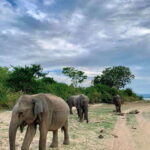
- Big-herd elephants and frequent predator searching are the theme, not just a random drive
- Sloth bears, crocodiles, wild buffalo, and more keep your eyes busy the whole time
- Strong bird potential with both resident and winter visitors in the mix
- English-speaking guidance so you can actually understand what you’re seeing
Hambantota Port pickup to Yala: why the logistics matter
This trip is built for people based around Hambantota—including cruise passengers. You’re picked up from the Hambantota Port or from hotels in the Hambantota area, then you’re taken into Yala for a single, concentrated wildlife session.
Why that matters: Yala is not a quick walk-in stop. If you’re short on time, having transport handled means you can spend your hours where it counts—inside the park—rather than losing daylight to organizing connections.
Also note the duration: 5 hours. That’s enough for real safari time, but it’s not the kind of tour where you can casually stop and still see everything. The schedule is tight, so expect a day that feels more like a mission than a leisurely nature stroll.
You can also read our reviews of more tours and experiences in Hambantota.
Ruhunu Yala National Park in a 4×4: what you’re really paying for
The heart of the experience is the jeep safari through Ruhunu Yala National Park, covering a huge area (about 126,786 hectares). The park sits beside the Indian Ocean, and that coastal setting matters because it shapes the habitat—where animals choose to move, feed, and rest.
In practical terms, a 4×4 jeep is what you want here. The road surfaces and park tracks can be uneven, and wildlife viewing often happens off the main drive lanes. A driver who knows how to position the jeep safely and legally is a big part of your success.
Your guide/driver is also doing more than driving. They’re searching for a set of standout species—leopards, sloth bears, and elephants—and while you can’t control wildlife behavior, you can control how intelligently you search. That’s where guided navigation and local road knowledge (including when to scan, when to stop, and when to move on) pays off.
Your Yala wildlife checklist: elephants, leopards, sloth bears, and friends
Yala is famous for animals that draw you in because they’re both common enough to be possible and wild enough to feel unforgettable. On this safari, the target cast includes:
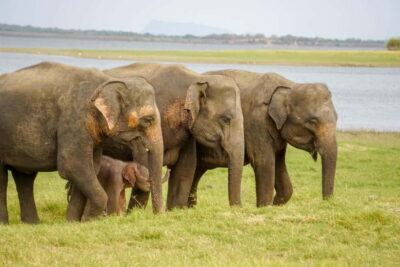
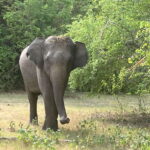
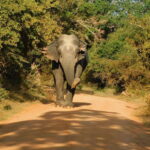
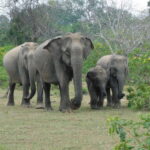
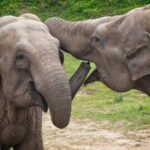
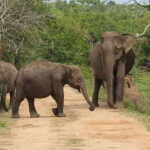
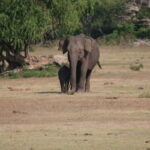
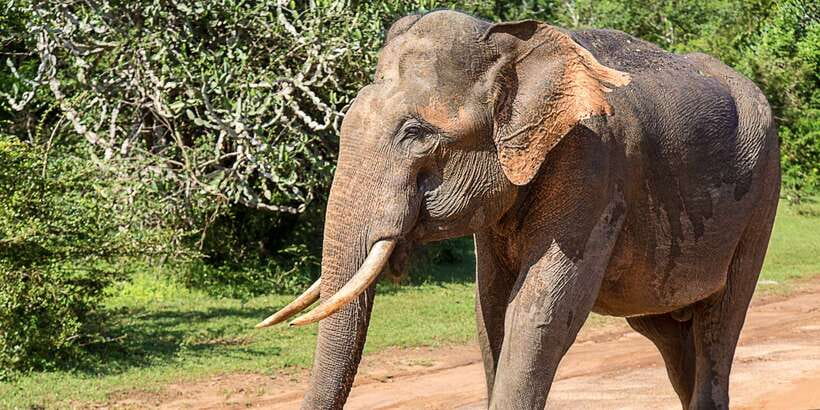
Elephants: Often seen in big groups, and they can be surprisingly close on the day you hit the right area. Even if you’ve seen elephants before, Yala’s herds have a different feel because you’re watching them use the space like they own it—moving with purpose, pausing to feed, and blending into the scenery until someone spots the movement first.
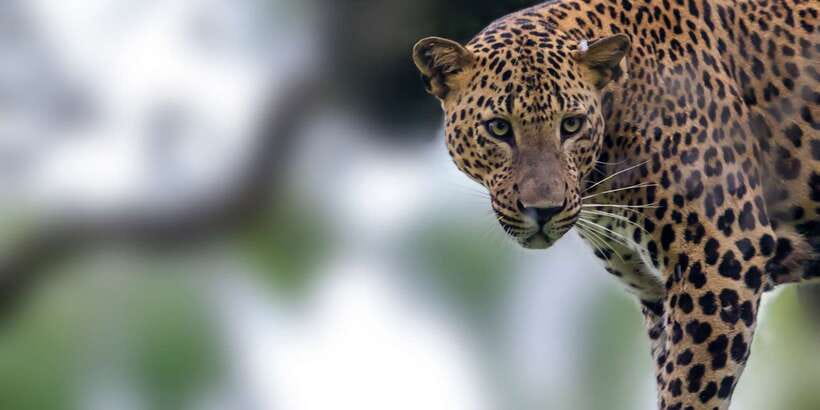
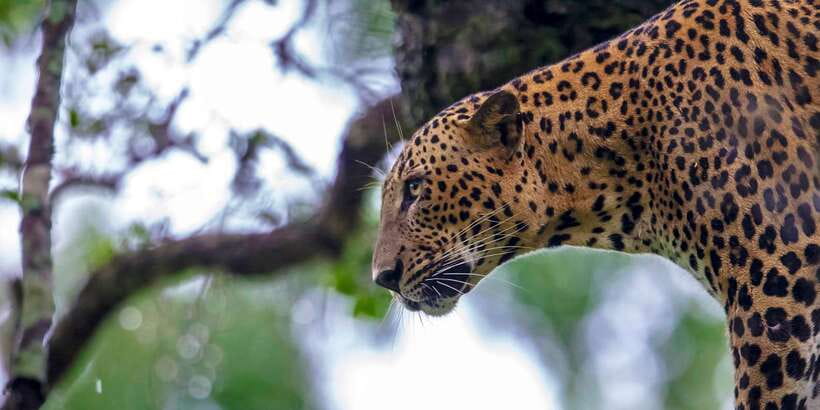
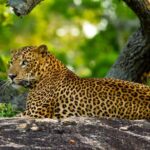
Leopards: Yala is one of Sri Lanka’s best places for leopard odds. Still, treat it as a search, not a guarantee. In some cases, you might find yourself looking at a leopard area where multiple jeeps are already present, and that can reduce how close you can get.
Sloth bears: These are a major reason people book Yala. They’re not always easy to spot quickly, but the point of the safari is that your driver is actively scanning for them.
Crocodiles and wild buffalo: If you’re lucky (or positioned well), you may spot reptiles near water and buffalo out on feeds and trails. When you see them, it often feels like the park is multitasking—big mammals and predators in the same day, sometimes even in the same general stretch.
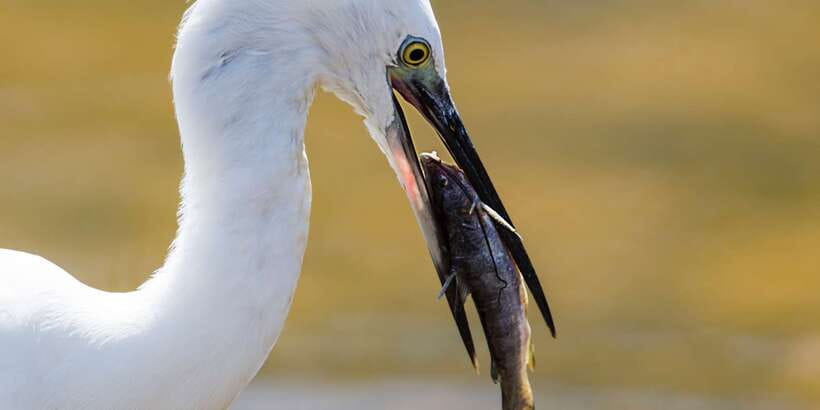
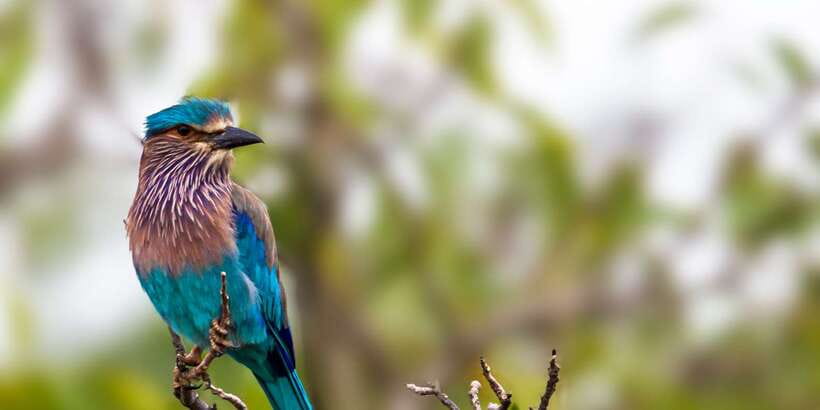
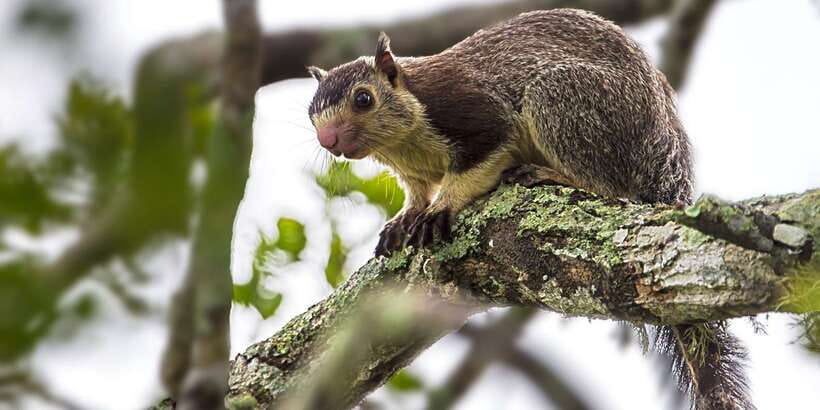
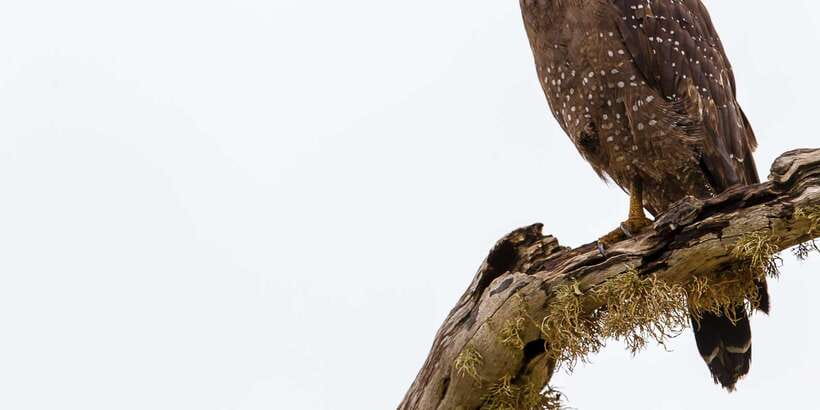
Other animals and birds: You may also see spotted deer, sambhur, mongoose, wild boar, and more. And birds matter here too: the area records more than 130 bird species with both resident and winter visitors. That means even on days when a big mammal doesn’t show up instantly, you’re not staring at empty air—you’re watching a living ecosystem full of movement.
Leopard viewing reality: patience beats expectations
Here’s the honest safari truth: leopard encounters are shaped by timing and crowd behavior. If leopards are in the area, other jeeps may already be there, and you might have to view from a distance because everyone is respecting safety and park rules.
So I recommend you adjust your mindset before you go:
- Focus on spotting signs first—movement in tall cover, a pause in animal activity, or attention changes in the herd.
- Be ready to accept a “good enough” look. Sometimes you get a clear view even when it’s not close. That’s still a real leopard sighting.
- When you stop, stay alert. The animal might move in the minute after you think nothing is happening.
In short: aim for the leopard. But if you don’t get the close-up storybook moment, you can still have a very full safari day through elephants, crocodiles, sloth bear searching, and lots of bird life.
Entrance fees and budgeting: is this good value?
The listed price is $48 per person, but the park entrance and service fees are not included. You’ll need to budget about Sri Lankan Rupees 13,000 (roughly $40–$43 per person).
Let’s talk value in real terms. If you only look at the $48 number, it can feel like a bargain. But once you add the Yala entry fees, the trip becomes closer to around $88–$91 per person, assuming you don’t buy food/drinks.
That’s still a fair amount for a guided 4×4 safari in a high-demand park, especially if you’re starting from Hambantota Port or a nearby hotel and don’t want to spend time arranging your own transport. The main thing is to arrive ready with enough cash/card options for the park fee, so you’re not dealing with confusion at the entrance.
Also remember: food & drinks aren’t included. That affects value too. Bring water and simple snacks so you can stay comfortable during long viewing pauses.
What the 5-hour format feels like on the ground
This is not a whole-day safari with multiple meal stops. It’s a 5-hour outing that aims to pack in maximum wildlife time.
A typical flow you should expect:
- Pickup from your Hambantota base (port or hotel)
- Drive toward Yala / Ruhunu Yala
- Safari time in the park with regular scanning and vehicle repositioning
- Wildlife stops as opportunities appear
- Return to the pickup point for drop-off
One practical point: in safari time, breaks aren’t always automatic. You may need to ask about a restroom or stretching stop if the route is long and you’ve already been sitting for a while. If you’re sensitive to long seated periods, plan ahead with water, timing, and a calm attitude.
Comfort tips for a jeep safari (seatbelts and sun are real)
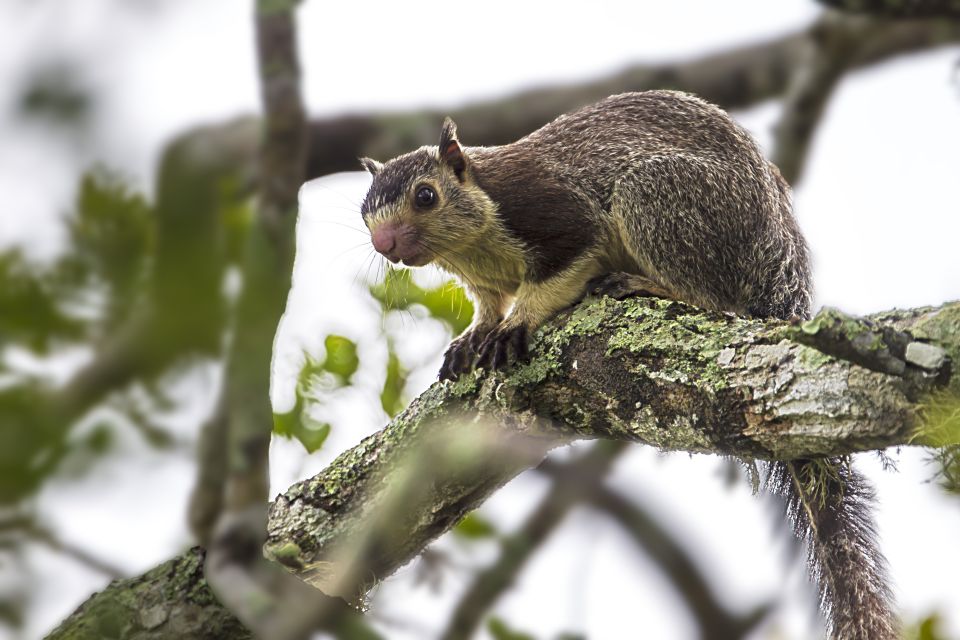
A jeep safari is exciting, but it’s still time in a vehicle. Based on past issues people flagged, don’t be shy about checking the basics on arrival:
- Ask whether seatbelts are available and usable in your vehicle.
- Bring something for sun and heat. Even if you catch early shade, the park can get bright quickly.
- Wear shoes with grip. Jeep stops can be sudden when the driver spots something.
I also suggest you pack small, practical extras: sunglasses, a hat, and a light layer for airflow. Wildlife viewing is often slow and then suddenly fast—your comfort helps you stay focused instead of irritated.
Best for who: when this Yala safari fits your trip style
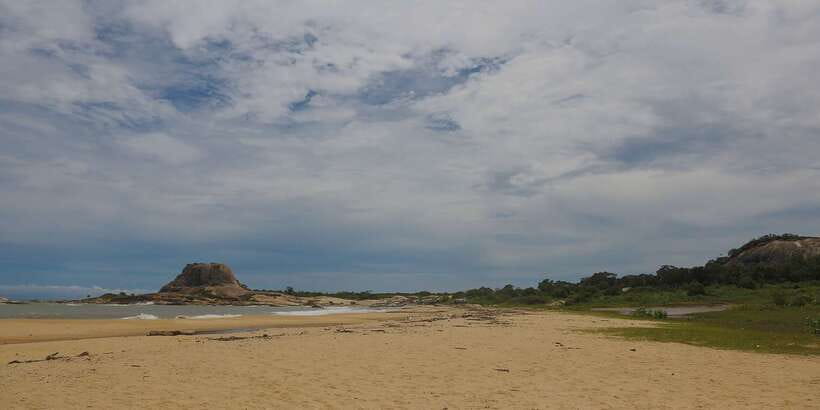
This tour is a strong match if:
- You’re staying around Hambantota (or stopping there on a cruise) and want an easy path into Yala.
- You want a guided safari with a driver focused on finding specific animals like elephants and leopards.
- You prefer a focused, single outing over multi-day planning.
It may be less ideal if:
- You’re traveling only for one species and only accept perfect odds. Leopards aren’t guaranteed, and sightings can be affected by how close vehicles can get.
- You really need frequent, guaranteed stops for comfort. This is a safari that runs on sightings, not a schedule full of amenities.
If you’re flexible, you’ll likely end up loving it. When the park is working, it can deliver elephants, crocodiles, sloth bear searching, and birds in the same day—and that’s a pretty satisfying wildlife mix for a short trip.
Should you book the Hambantota-to-Yala 4×4 safari?
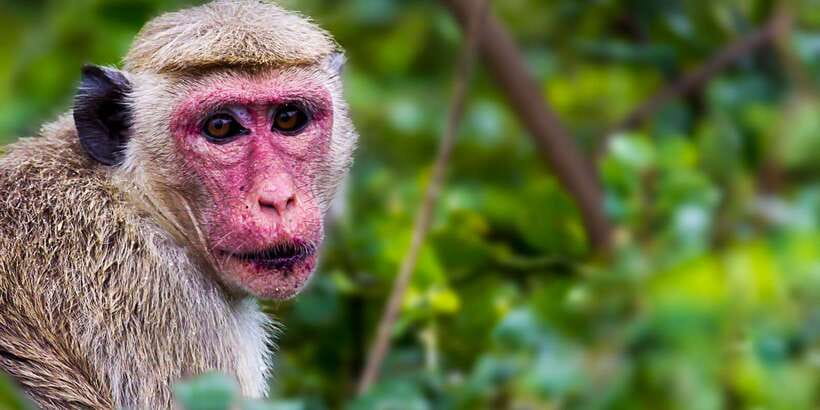
I think you should book this safari if you’re short on time and want a straightforward, pickup-based way to reach Yala National Park from Hambantota Port or hotels. The value comes from the guided 4×4 wildlife search and the chance to see multiple categories of animals—big mammals plus crocodiles plus lots of birds—without needing to figure out transport yourself.
Just go in prepared for two realities. First, you need to budget the Yala entrance fee separately. Second, you should treat leopards as a possibility, not a promise. If you can accept that—and keep your eyes sharp—you’ll have a memorable day of Sri Lanka’s real wilderness.
FAQ
Where does the Yala safari pickup happen?
You can be picked up from the Hambantota area hotels or from Hambantota Port if you’re arriving by cruise ship.
How long is the tour?
The safari experience lasts about 5 hours.
What vehicle do you use for the wildlife safari?
The wildlife safari is done by 4×4 jeep.
Is the Yala National Park entrance fee included?
No. Entrance and service fees for Yala are not included in the package.
How much are the Yala entrance fees?
The entrance and service fees are listed as Sri Lankan Rupees 13,000 per person, approximately $40–$43 per person.
Is food included in the tour price?
No. Food & drinks are not included.
Are there guides and is the tour in English?
Yes. There is a live tour guide and the language provided is English.
What animals might I see during the safari?
You may see leopards, elephants, sloth bears, crocodiles, wild buffalo, spotted deer, sambhur, mongoose, wild boar, and many birds.
Do you drop back at the cruise port or hotel?
Yes. The service includes pickup and drop-off, including Hambantota Port and Hambantota area hotels.
What is the cancellation policy?
Free cancellation is available up to 24 hours in advance for a full refund.