Polonnaruwa by bike is one of those rare plans that feels both active and deeply historic. You get a smooth Tuk-tuk ride out to the site, then a guided mountain-bike loop that brings the 12th century to life, from the Royal Palace area to the rock-cut Buddhas at Gal Viharaya. I particularly like how this tour balances big monuments with short, practical stops for photos and walking. One drawback to keep in mind: the entrance ticket to the Ancient City is extra (about US$30 per person), and bike condition can vary, so it’s smart to do a quick safety check before you ride.
You’ll start in the morning from Dambulla, Kandalama, Habarana, or Sigiriya, then spend roughly 3.5 hours cycling with an English-speaking guide. The route is designed to be manageable for most people (not a long grind), so you’re not arriving at temple time totally wrecked. Still, it’s outdoors in Sri Lanka heat, so even with refreshments included, plan to hydrate and protect yourself from the sun.
In This Review
- Key Things to Know Before You Ride Polonnaruwa
- Getting From Your Hotel to Polonnaruwa Without Stress
- Riding Polonnaruwa: How the 3.5 Hours Feel On the Ground
- Royal Palace and Nissankamulla Palace: Power You Can See
- Gal Viharaya and Thuparama Stupa: Sacred Stone, Iconic Silence
- Lankathilaka Stupa, Vatadage, and Rankoth Vehera: Details That Reward Patience
- Price and Value: What $95 Covers (and What It Doesn’t)
- Bike Comfort and Safety: Don’t Skip the Quick Check
- Who This Tour Is Best For (and Who Might Want a Different Style)
- Should You Book This Bike Tour to Polonnaruwa?
- FAQ
- FAQ
- Where does the tour pickup from?
- Where do you get dropped off?
- How long is the tour?
- What time does the tour start?
- Is the tour guide English-speaking?
- What is included in the price?
- Are entrance fees to Polonnaruwa included?
- Is this a private group tour?
- What type of bikes are used?
- Is there any cancellation flexibility?
Key Things to Know Before You Ride Polonnaruwa
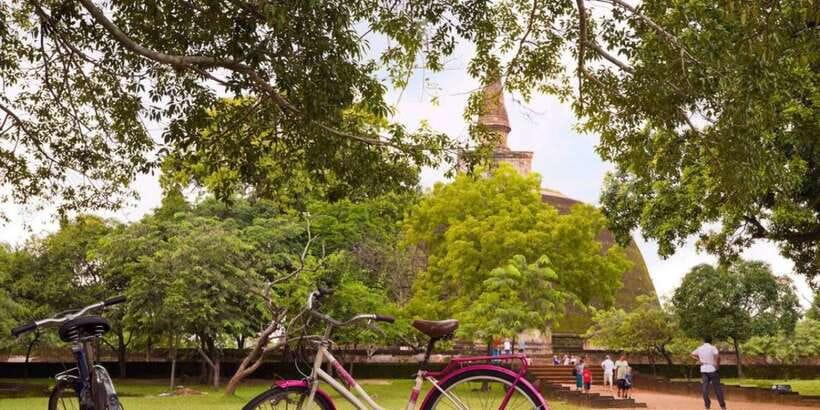
- Tuk-tuk pickup + private vehicle: You’re collected from your hotel and transported to Polonnaruwa, then returned afterward.
- Mountain bike + guide: You ride with a cycling guide, plus guidance at the major monuments so you actually know what you’re seeing.
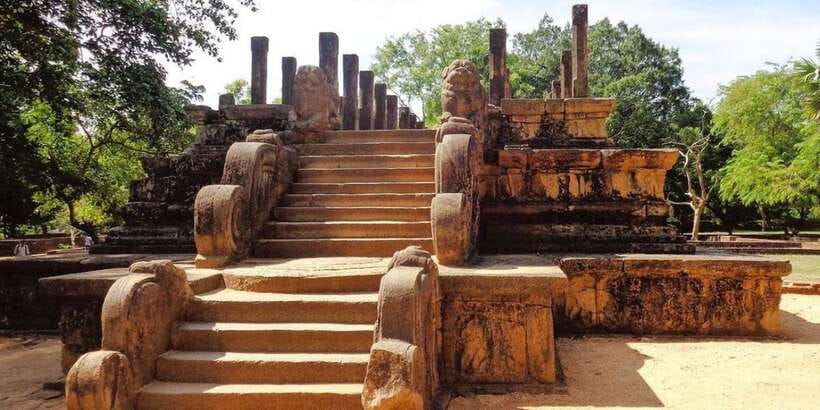
- Big-ticket sights, grouped smartly: Royal Palace, Nissankamulla Palace, Gal Viharaya, Thuparama stupa, Lankathilaka stupa, Vatadage, Rankoth Vehera, and the Parakramabahu Statue.
- Three focused hours on bikes: The ride portion is about 3.5 hours, so it feels like a day highlight without dragging on.
- Entrance fees are not included: Budget for the Ancient City ticket separately (around US$30 per person).
- Check the bike early: A prior guest reported brake/gear trouble and a puncture on return—rare, but it’s worth a quick pre-ride check.
Getting From Your Hotel to Polonnaruwa Without Stress
This is not one of those “figure it out yourself” days. You’re picked up from hotels in Dambulla, Sigiriya, Habarana, and Kandalama, then driven by air-conditioned private vehicle to the Polonnaruwa area. In practice, that means you spend your energy on the site, not on transport hassles.
Your day is set up for a morning start. Pickup begins at 08:00, and the cycling portion starts around 10:00. That timing matters. Polonnaruwa is easier to enjoy earlier, before the heat climbs and the crowds thicken, and you’ll have a calmer rhythm as you hop on and off the bike.
The tour keeps the day tidy: after cycling and monument visits, you return to your hotel at about 13:00. If you’re staying in the Cultural Triangle zones (Dambulla/Sigiriya area), this is a great way to add a major UNESCO-style site without losing the rest of the day.
You can also read our reviews of more tours and experiences in Polonnaruwa District.
Riding Polonnaruwa: How the 3.5 Hours Feel On the Ground
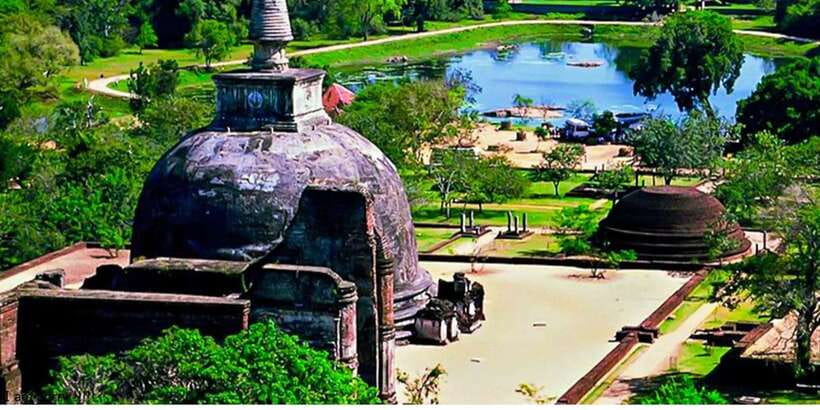
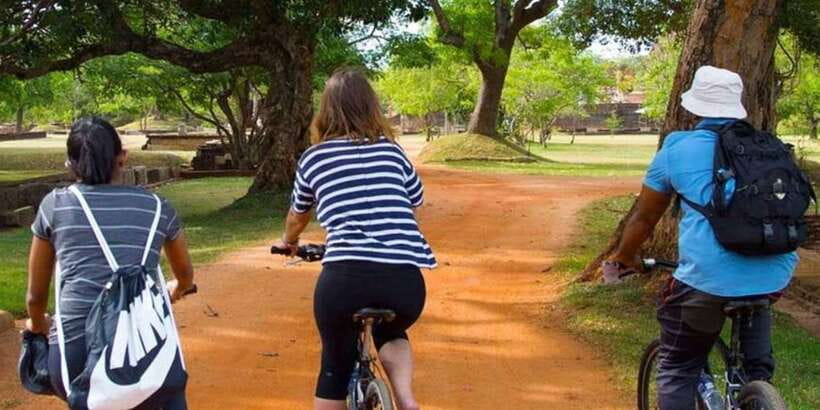
The heart of the experience is about 3.5 hours inside Polonnaruwa’s Ancient City area. You’ll bike through the main clusters of palaces, temples, dagobas, and stupa zones, stopping for guidance, photos, and short walks when needed.
What I like about this format is that it’s not just sightseeing from a vehicle window. Cycling helps you see the spacing between structures—how the builders laid out ceremonial space, how the palaces connect to nearby shrines, and how stone carvings repeat across different buildings.
Also, the route is designed to be rideable. One verified booking described it as not difficult or long, which is exactly what you want for a site day: enough movement to keep it fun, but not so much that your legs turn into noodles before you reach the big temples.
Still, remember: it’s outdoors, and you’re mixing bike riding with walking. If you’re the type who dislikes stopping often, plan for a steady pattern of ride → pause → guided explanation → ride again. That’s part of the value here: the guide helps you connect details to meaning instead of just pointing at impressive stone.
Royal Palace and Nissankamulla Palace: Power You Can See
The tour’s palace stops are where Polonnaruwa feels most like a living political center rather than only a set of ruins. You’ll visit the Royal Palace first, then move to the Nissankamulla Palace, both tied to the 12th-century era.
At the Royal Palace, the big idea is scale and layout. Even in ruins, you can sense how rulers organized authority—where ceremonies would happen, where important gatherings likely took place, and how the palace complex worked as a statement of control. If you like architecture that communicates politics, this stop hits.
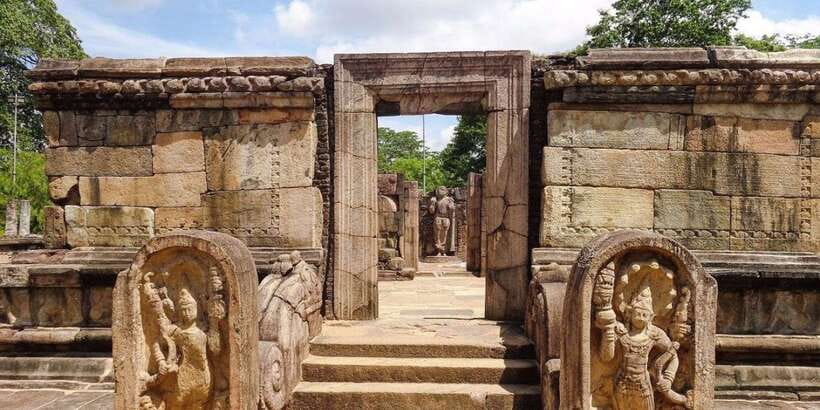
Then comes Nissankamulla Palace, where the focus shifts from size to craft. The guide points out the carved work that makes this palace memorable. The carvings aren’t random decoration; they’re visual storytelling, showing skill and artistic priorities of the time. It’s also a chance to slow down, look closely, and see why this site is famous beyond just its age.
Practical tip: bring your phone fully charged and ready for photos. Even if you’re not a shutterbug, these carvings and palace angles are the kind you’ll want to revisit later on your screen.
Gal Viharaya and Thuparama Stupa: Sacred Stone, Iconic Silence
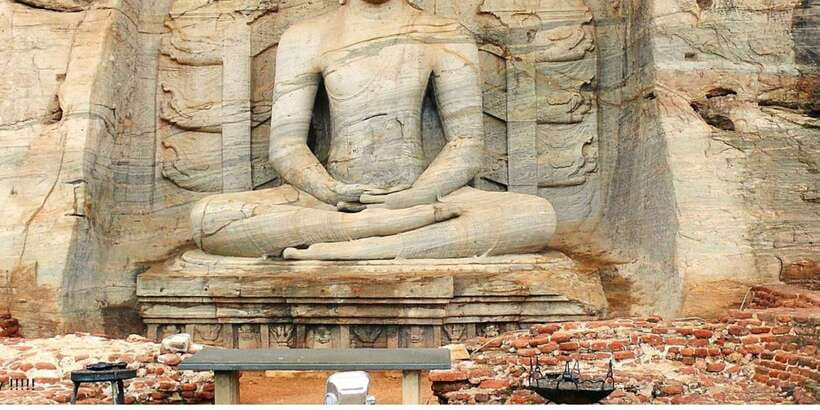
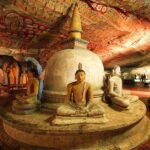
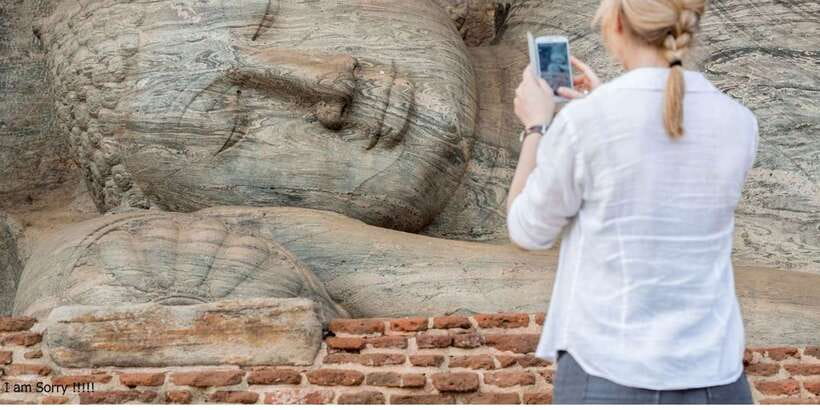
If there’s one stop that defines Polonnaruwa for most first-timers, it’s Gal Viharaya. The tour takes you to the rock-cut temple that includes four Buddha statues carved into rock. This is one of those places where the setting does half the work. The stone feels permanent, like it’s always been there, and your perspective changes as you circle and look from different angles.
The best part of going with a guide here is clarity. Instead of guessing what you’re looking at, you learn how these statues fit into the spiritual purpose of the complex and why this area became a signature of the site.
Next is Thuparama Stupa, which adds a different kind of spiritual geometry. Where Gal Viharaya is about rock-cut imagery, the stupa gives you a structure that functions as a focus for devotion. Stupas can feel repetitive to the untrained eye, but a guide can point out what makes this one stand apart—its design choices and the role it played in the broader temple landscape.
Lankathilaka Stupa, Vatadage, and Rankoth Vehera: Details That Reward Patience
After the headline monuments, the tour keeps the momentum going while still giving you chances to connect architectural dots. You’ll see:
- Lankathilaka stupa, known for its unique design
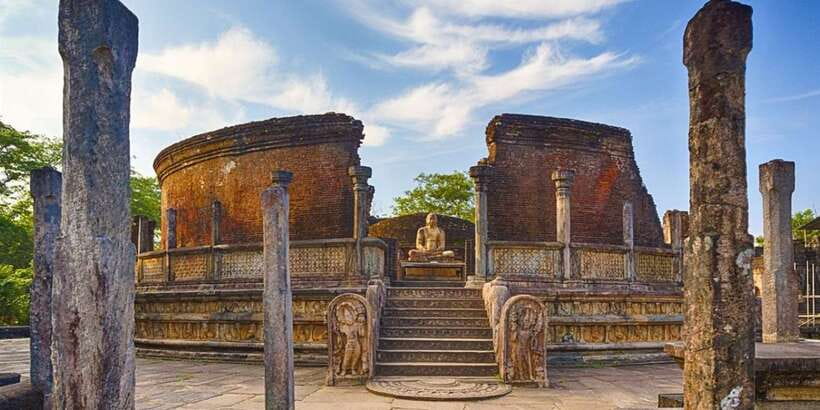
- Vatadage, which stands out for its distinctive structure
- Rankoth Vehera, another major monument in the Polonnaruwa complex
These stops can be tempting to skim past if you’re impatient. But this is where biking helps: you can move efficiently between areas, then take a few minutes to actually look. Up close, you start noticing how builders repeated themes while changing details. You also begin to understand the site as a planned network—palace areas, meditation and worship spaces, and ceremonial landmarks all woven together.
You’ll also encounter the Parakramabahu Statue, a reminder of the name associated with the era. Even if you’re not a deep-dive archaeology person, a figure like this helps you anchor the stonework to a real historical identity.
Price and Value: What $95 Covers (and What It Doesn’t)
The package price is $95 per person, and the description sets clear expectations about what’s included. What you’re paying for is more than just the ride.
Included items:
- Hotel pickup and return via air-conditioned private vehicle
- Mountain bike charges
- Cycling guide during the tour (English)
- Fuel surcharge and driver charges
- Parking fees
- Complimentary refreshments and water
- All government taxes included
Not included:
- Entrance fees to the Ancient City of Polonnaruwa, approximately US$30 per person
- Anything not specifically mentioned under included items
So is it good value? For me, it stacks up well if you want three things at once: guided monument explanations, bike transport that keeps you from doing everything on foot, and door-to-door logistics from the Sigiriya/Dambulla area.
If you’re comfortable organizing your own transport and you don’t need a guide, you might find cheaper options. But if you care about understanding what you’re seeing—especially across multiple palace and temple clusters—paying for a guide and a smooth ride is often the difference between a “cool ruins day” and a “now I get it” day.
One more budgeting note: make sure you carry cash or a payment method for the entrance ticket. The tour price won’t cover it.
Bike Comfort and Safety: Don’t Skip the Quick Check
One potential issue comes from a negative experience shared by a verified booking: the bicycles were reportedly in poor condition, including problems with gears, brakes, and a puncture during the return, which led to walking until the taxi arrived.
That doesn’t mean every departure is like that. But it does mean you should treat bike safety as a real priority, not a footnote.
Here’s how I’d handle it:
- Ask the guide to let you check brakes before you ride.
- Test gears while stationary so you’re not stuck mid-route.
- Do a quick look at tires for visible wear.
- If anything feels off, speak up immediately and ask for a replacement bike.
This kind of precaution takes 2 minutes. It can save you from a stressful ride in heat.
Who This Tour Is Best For (and Who Might Want a Different Style)
This bike tour works best if you want:
- A private group experience with an English live guide
- A way to cover multiple Polonnaruwa highlights without walking the entire day
- A manageable ride pace with stops that actually explain what you’re seeing
It’s also ideal for people staying in the Dambulla/Sigiriya/Habarana/Kandalama area who don’t want to wrestle with transport logistics.
You might consider another option if:
- You have major mobility limitations that make mixing bike riding with walking difficult
- You prefer fully vehicle-based touring and don’t want bike-handling at all
- You’re sensitive to heat and know you’ll struggle without frequent breaks (even though refreshments and water are included, the day is still outdoors)
Should You Book This Bike Tour to Polonnaruwa?
I’d book it if you want a well-structured morning plan that combines guided monuments with an efficient way to move between key highlights. The lineup—Royal Palace, Nissankamulla Palace, Gal Viharaya, Thuparama stupa, plus Lankathilaka, Vatadage, Rankoth Vehera, and the Parakramabahu Statue—hits the core Polonnaruwa story without feeling rushed.
I’d hesitate only if you’re unwilling to do a bike safety check at the start or if you’re trying to avoid paying the additional entrance fee. And if you’re traveling on a hot day, I’d still carry your own small water backup even though refreshments and water are included.
FAQ
FAQ
Where does the tour pickup from?
Pickup is available from hotels in Dambulla, Sigiriya, Habarana, and Kandalama.
Where do you get dropped off?
Drop-off is available in Habarana, Dambulla, Kandalama, and Sigiriya.
How long is the tour?
The duration is 5 hours, with the cycling and site time around 3.5 hours.
What time does the tour start?
Pickup begins at 08:00, and the bike tour portion starts around 10:00.
Is the tour guide English-speaking?
Yes, the live tour guide is listed as English.
What is included in the price?
Transportation by air-conditioned private vehicle, mountain bike charges, a cycling guide, fuel and driver charges, parking fees, complimentary refreshments and water, and government taxes are included.
Are entrance fees to Polonnaruwa included?
No. Entrance fees to the Ancient City of Polonnaruwa are not included and are approximately US$30 per person.
Is this a private group tour?
Yes, it’s a private group.
What type of bikes are used?
The tour includes mountain bike charges, so you’ll be using a mountain bike.
Is there any cancellation flexibility?
Free cancellation is listed as available up to 24 hours in advance for a full refund.