Two UNESCO sites in one long, satisfying day. I love that the route pairs Polonnaruwa’s well-preserved 12th-century ruins with the big-ticket views from Sigiriya Rock Fortress, all guided in English and kept moving by an air-conditioned vehicle. It’s one of those days where you can actually connect the dots between royal power, stone architecture, and the dramatic geography of Sri Lanka.
What really works is the balance: Polonnaruwa is compact and walkable, so the “what you’re seeing” clicks fast. Then Sigiriya earns its fame with golden granite, palace remains tied to King Kashyapa, and frescoes you can’t help but stop for.
One consideration: it’s a full day with extra entrance fees, and the Lion Rock climb is physical—this tour isn’t a good fit if you have back problems.
In This Review
- Key Highlights You’ll Feel on the Ground
- Polonnaruwa First: How a Walkable Royal Capital Makes Sense
- What You’ll Actually See in Polonnaruwa’s 12th-Century City Core
- The Local Lunch Break That Keeps Your Day Enjoyable
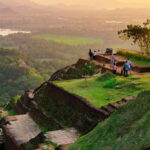
- Sigiriya Lion Rock: The Climb, the Views, and King Kashyapa’s Remains
- Timing Tips: How to Make a 10-Hour Day Feel Less Grueling
- Price and Value: What You’re Paying For (and What You Still Need)
- Getting Ready: Shoes, Temple Rules, and What to Bring
- Who Should Choose This Tour, and Who Should Skip It
- A Note on the Experience Provider
- Should You Book This Sigiriya and Polonnaruwa Day Trip?
- FAQ
- How long is the Sigiriya Fortress & Polonnaruwa guided tour?
- Where do they pick you up and drop you off?
- What is included in the tour price?
- Are the entrance tickets included?
- Is lunch included, and is there a spending limit?
- What should I bring for the tour?
- Who should not book this tour?
Key Highlights You’ll Feel on the Ground
- Polonnaruwa’s 12th-century stone monuments are surprisingly easy to understand as you walk.
- A compact, garden-like layout means less wandering and more seeing the important parts.
- A local lunch is built into the plan, with a 2,500 LKR per person limit.
- Sigiriya Lion Rock rewards effort with palace ruins and frescoes near the summit.
- Hotel pickup and drop-off keeps the day smooth, even across longer drive times.
Polonnaruwa First: How a Walkable Royal Capital Makes Sense

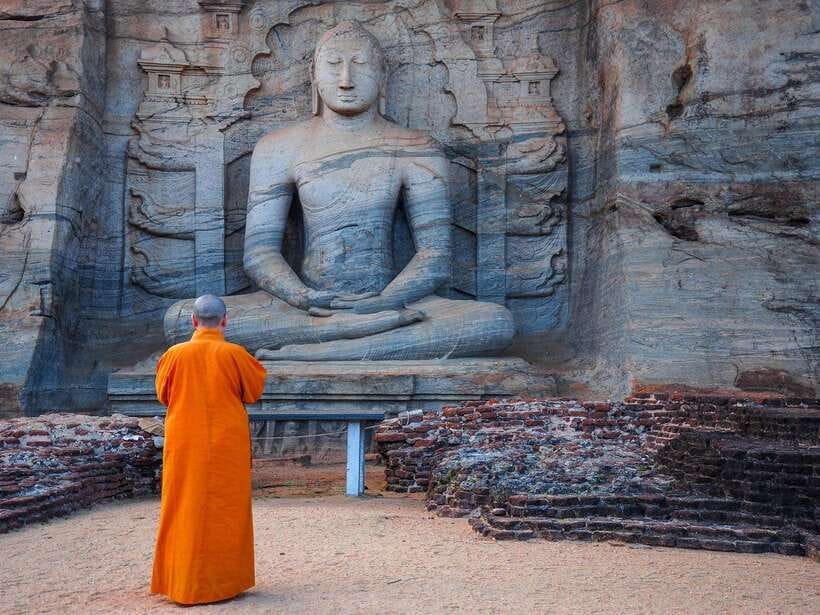
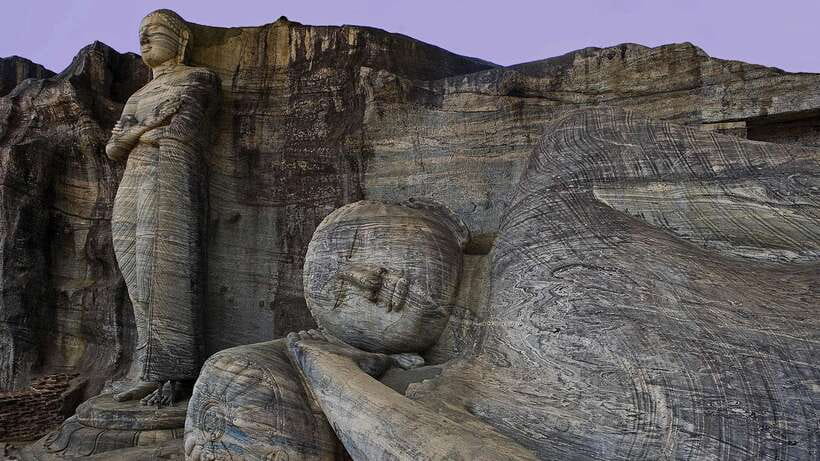
Polonnaruwa is the kind of site you want when you only have one day. You’re stepping into the kingdom period at a time when stone building reached real maturity, and the ruins are preserved enough that it doesn’t feel like you’re guessing every detail. I like that the layout is compact, so your guide can point out what each royal monument likely meant without losing the group in a maze of scattered ruins.
Another reason Polonnaruwa works so well is timing and scale. It’s younger than Anuradhapura and that age difference shows in the architecture and planning you’ll notice as you move around. Instead of feeling like you’re seeing random remnants, you can read the city as a designed place—monuments set within that more planned feel, almost like the ruins were made to be walked through.
If you care about history but don’t want a lecture, this order is smart. Starting in Polonnaruwa sets your mental baseline for what royal power looked like in stone—then Sigiriya later feels less random and more like a dramatic extension of the same story.
You can also read our reviews of more tours and experiences in Sigiriya Lion Rock.


What You’ll Actually See in Polonnaruwa’s 12th-Century City Core
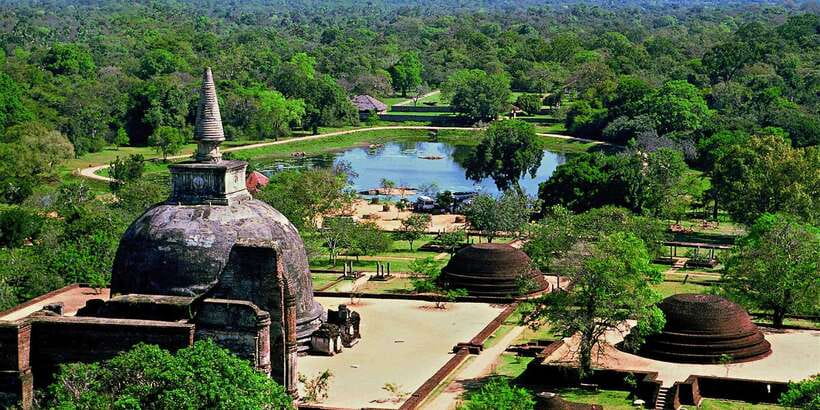
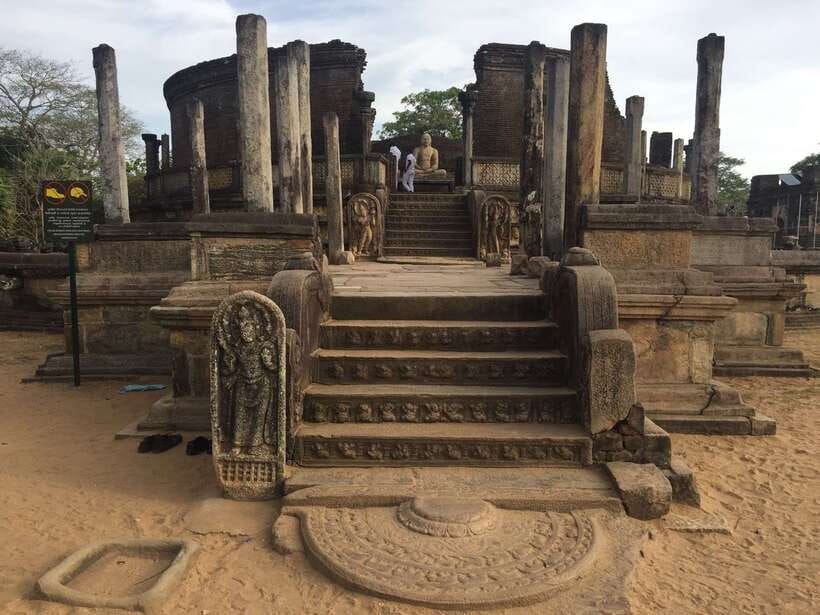
You’ll spend about two hours exploring the Polonnaruwa Ancient City with an English-speaking guide. The time matters here because Polonnaruwa isn’t just a “walk and hope” stop. Your guide can highlight the well-preserved elements that make the site stand out, like royal monuments and architectural details that hold up well today.
Think of the best way to experience it as moving in short loops: stop, look, listen, then walk again. That rhythm is what makes Polonnaruwa feel easier than you might expect, even in Sri Lanka’s sun. The ruins’ compact setting helps your brain build a map quickly, so you’re not just collecting photos—you’re building understanding.
This is also one of those locations where the stone itself is part of the show. Compared with more fragmented archaeological sites, Polonnaruwa gives you enough intact structure to sense how the buildings were meant to be used. Even if you’re not a hardcore archaeology fan, you’ll still feel the confidence of the builders.
The Local Lunch Break That Keeps Your Day Enjoyable

After Polonnaruwa, you’ll stop for lunch at a local restaurant. The plan includes lunch with a limit of 2,500 LKR per person, which is a practical detail worth knowing ahead of time.
I like lunch built into a cultural tour like this because it keeps the day from turning into a scavenger hunt for food. At the same time, that LKR cap is your reminder to keep expectations realistic: if you’re the type who orders extra sides or heavier menu items, you might want to choose carefully so you don’t run into extra charges.
For me, the sweet spot is to treat lunch as “fuel, not a mission.” Eat well, hydrate, and save your energy for the Lion Rock climb.
Sigiriya Lion Rock: The Climb, the Views, and King Kashyapa’s Remains
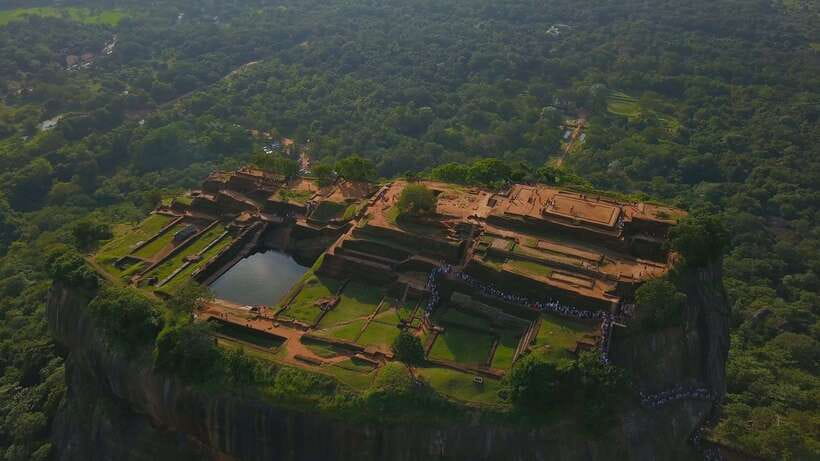
Then comes the main event: Sigiriya Rock Fortress and the Lion Rock climb. You’ll spend around two hours here with a guided route that mixes sightseeing with hiking. Even if you’ve seen photos, standing near the rock in real life hits different. The granite looks almost unreal against the surrounding plains, and the scale makes it obvious why this site became a symbol of royal ambition.
Sigiriya is a UNESCO World Heritage Site, and it earns that status in three big ways:
- The golden granite rock itself
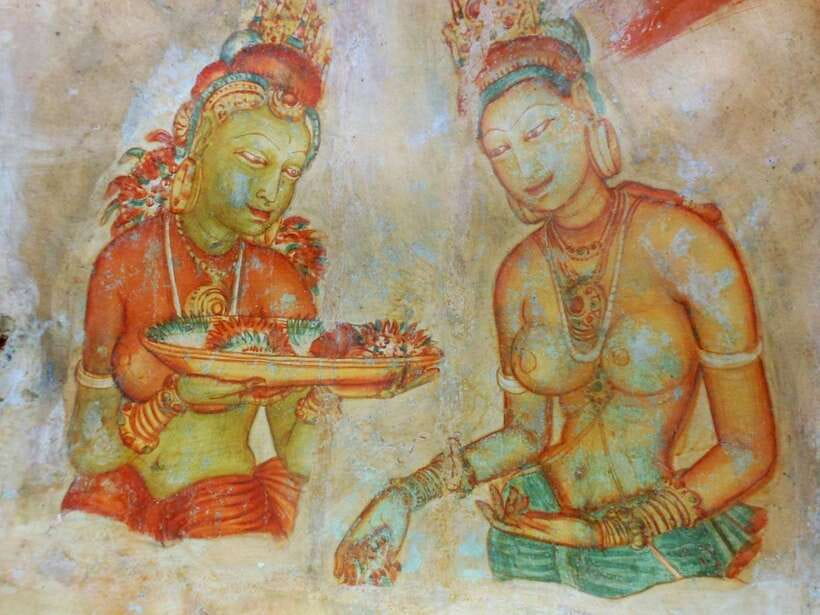
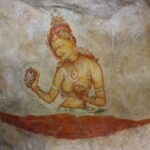
- Ancient frescoes tied to the palace era
- The remains of King Kashyapa’s palace near the summit, dating to the 5th century
Your guide’s job here is important, because the rock can be visually overwhelming. You’ll want help connecting what you see on the ground to what it likely represented in the palace layout. As you move upward, you’ll start noticing how the surviving structures and decorative traces fit into the story of power and performance that Sigiriya is famous for.
And yes—the views are the payoff. When you finally get higher, the sightlines make everything feel more intentional. You understand why the site demanded effort: it wasn’t built just to be admired from afar; it was built for a ruler to command the landscape.
Timing Tips: How to Make a 10-Hour Day Feel Less Grueling

This is a 10-hour tour, and the “right” way to handle that is to think of it as three blocks: travel, Polonnaruwa, Sigiriya. The walking is real, but the structure of the day helps you manage it.
A practical approach I recommend:
- Plan to start early in the day emotionally—meaning, keep breakfast light and hydrate before you head out.
- Wear shoes you can trust on uneven surfaces. Comfortable footwear matters more than anything you packed.
- Bring sun protection and assume you’ll need it, even if the weather looks calm.
Also, remember that this isn’t a slow museum pace. The schedule is designed to fit two major landmarks. That’s why the English guide is useful—you’ll get orientation fast, instead of spending your time trying to interpret stonework alone.
Price and Value: What You’re Paying For (and What You Still Need)
The tour price is listed at $70 per person for a 10-hour day with hotel pickup/drop-off and an English-speaking guide. That’s not just a “transport fee.” You’re paying for guided sightseeing at both sites and the convenience of an air-conditioned vehicle for the transfers.
Here’s the budget reality check: entrance fees are not included. You’ll need to budget for:
- Polonnaruwa entry: USD 30
- Sigiriya entry: USD 35
So the add-on totals USD 65 for tickets. Lunch is included, but it’s capped at 2,500 LKR per person, and government taxes are included in the tour price.
When does this feel like good value? If you want:
- a guide to help you understand what you’re seeing at both landmarks,
- a smooth day with pickup and drop-off options, and
- zero planning stress for the drive between sites.
If you’re traveling solo and trying to maximize every dollar, you could potentially do the sites independently. But if you value time and clarity, this format usually feels fair—especially because both sites are important, and both benefit from a guide’s context.
Getting Ready: Shoes, Temple Rules, and What to Bring
You’ll want to show up prepared for outdoor walking and temple etiquette. Bring a passport or ID card, plus comfortable shoes, sunglasses, and a sun hat. That last one matters because Sigiriya’s climb happens in open areas and bright light.
Temple rules apply too. When you visit Buddhist and Hindu temple areas on this tour, plan on removing footwear and hats. Shoulders and knees should also be covered.
Also note the basic restrictions: pets aren’t allowed and smoking isn’t allowed. Not hard rules, just ones that keep the day smooth for everyone.
Who Should Choose This Tour, and Who Should Skip It
This tour is a good match if you want a guided, efficient route through two of Sri Lanka’s top cultural stops. It’s also ideal if you prefer clear structure over self-planning—pickup options are available from Habarana, Dambulla, Kandy, and Anuradhapura, and you’ll be dropped back in one of those areas after the day.
It’s not a good fit if:
- you’re pregnant, or
- you have back problems.
The Lion Rock part is the likely reason. Even if you’re in decent shape, the climbing and uneven steps can be hard on certain bodies. If that’s you, consider a lighter alternative rather than forcing it.
A Note on the Experience Provider
This tour is run by Beyond Escapes. What matters for you as a traveler is the practical side: an air-conditioned vehicle for long transfers and a live English guide during the sightseeing portions.
One thing I especially like about this style of operator is that it keeps your day focused on two landmarks instead of turning it into a long list of stops. That makes your time feel earned when you arrive at Polonnaruwa and again when you reach the heights at Sigiriya.
Should You Book This Sigiriya and Polonnaruwa Day Trip?
I’d book it if you want a structured, high-impact day with an English guide and you’re comfortable with a full 10-hour outing. The combination is strong: Polonnaruwa helps you understand the royal stone world, then Sigiriya gives you the drama—fresco traces, palace remains of King Kashyapa, and a view that feels worth the climb.
I would hesitate if you’re trying to avoid additional ticket costs, because entrance fees add up. And if your back doesn’t like stairs or rocky steps, I’d respect that warning and choose a different format.
FAQ
How long is the Sigiriya Fortress & Polonnaruwa guided tour?
The tour lasts 10 hours.
Where do they pick you up and drop you off?
Pickup and drop-off options include Habarana, Dambulla, Kandy, and Anuradhapura.
What is included in the tour price?
It includes hotel pickup and drop-off by an air-conditioned vehicle, an English speaking guide during sightseeing, lunch at a local restaurant (with a limit of 2,500 LKR per person), and all government taxes.
Are the entrance tickets included?
No. Polonnaruwa Ancient City entry is USD 30 and Sigiriya Rock Fortress entry is USD 35, and both are not included.
Is lunch included, and is there a spending limit?
Yes, lunch is included at a local restaurant, with a limit of 2,500 LKR per person.
What should I bring for the tour?
Bring a passport or ID card, comfortable shoes, sunglasses, and a sun hat. Also, cover shoulders and knees at Buddhist and Hindu temple areas, and remove footwear and hats there.
Who should not book this tour?
It is not suitable for pregnant women or people with back problems.