Leopards are the whole point here. This Wilpattu safari is built around the park’s Golden Hours, when visibility and animal activity tend to line up best. I really like that you’re not just cruising for photos—you’re actively working a strategy for leopard spotting, with an English-speaking guide who can explain what you’re seeing (and why).
Two more things I love: the safari jeep is kept small (up to 6 passengers), and in the best scenarios you can end up with a very personal setup like one group that reported getting the jeep mostly to themselves. One possible drawback: the park entry ticket and food/drinks are not included, so you’ll want to plan for that cost and bring water/snacks if you’re sensitive to hunger during a long wildlife drive.
In This Review
- Key Takeaways Before You Go
- Wilpattu Safari in 4 Hours: What the Timing Really Does
- From Your Hotel to the Park: Pickup and Jeep Comfort
- Golden Hours Leopard Strategy: How You Actually Hunt Here
- What You’ll Drive Through: Forests, Lagoons, Grasslands, and Scrub
- Wildlife Chances Beyond Leopards: Elephants, Sloth Bears, and More
- Getting the Most Out of Your Guide: Questions, History, and Real Explanations
- Price and Value: Why $37 Can Make Sense (and When It Won’t)
- What to Bring for a Better Safari Day
- The Real Tradeoffs: What You Gain and What You Give Up
- Should You Book This 4-Hour Wilpattu Safari?
- FAQ
- Do I need to pay the Wilpattu National Park entry ticket separately?
- What is included in the price?
- How long is the safari?
- What times do the safaris run?
- Is the guide available in English?
- What animals does the safari focus on?
- How does the leopard-spotting plan work?
- Is food included?
- How many passengers are in each safari jeep?
- Is there free cancellation and a pay-later option?
Key Takeaways Before You Go
- Golden Hours leopard focus: your best leopard-hunting window is built into the timing.
- Small-group jeep rides: up to 6 passengers per safari jeep, so it’s easier to hear your guide.
- Habitat variety inside Wilpattu: you’ll move through forests, scrub, grasslands, and lagoons to find animals.
- A guide who talks: expect explanations about wildlife and even some history along the way.
- Extra time can happen: one departure reportedly ran a bit longer than expected when the moment was good.
- Bring basics: entry ticket, and food/drinks are on you.
Wilpattu Safari in 4 Hours: What the Timing Really Does
A 4-hour safari sounds short, but Wilpattu is the kind of place where timing matters more than total hours. The tour is structured so you’re hunting in either the first part of the morning or the final part of the afternoon, using the park’s Golden Hours for maximum chances.
If you pick the morning option, you’re usually collected around 5:30am, with the park opening at 6:00am. The early start is not just for sunrise photos—it also means you’re in position while animals are more active and before the day’s heat pushes them deeper into cover.
Choose the afternoon option and your hunt runs from about 2:00pm until the park closes at 6:00pm. This window can be great for sighting different animals as conditions change and animals shift around to feed and water. Either way, you’re aiming to use the time when odds feel best, not just when it’s convenient.
You can also read our reviews of more tours and experiences in Anuradhapura.


From Your Hotel to the Park: Pickup and Jeep Comfort
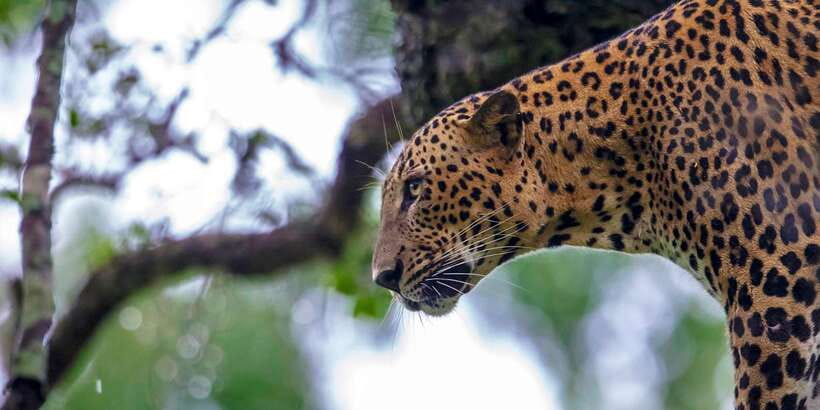
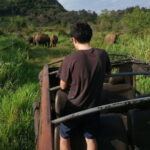
You’ll get pickup and drop-off from your hotel area (or from the park entrance if that’s the meeting point). Then you’ll head in with a private 4WD safari jeep and a live guide. With a maximum of 6 passengers per jeep, you’re not stuck in a crowded truck where you can’t hear wildlife chatter or ask questions.
What this means for your experience is simple: smaller groups let your guide react faster. If an animal is spotted, the jeep can reposition without turning the whole ride into a slow negotiation with everyone’s schedule. You also tend to get better “hunt technique,” like the driver scanning ahead with an eagle-eye approach rather than just following a route.
One strongly praised detail from past departures was how sharp some drivers can be—spotting wildlife in places where other jeeps were passing by. If you get that kind of driver/guide pairing, your odds jump fast because you’re reacting to animals you’d never notice on your own.
Golden Hours Leopard Strategy: How You Actually Hunt Here
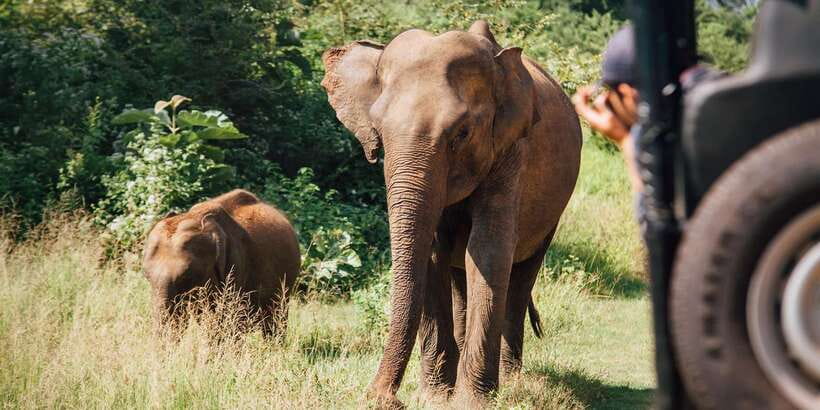
The tour isn’t random. You’ll focus leopard spotting during a defined two-hour block, either at the start of the day or at the end. The idea is to use the best light and the best activity window to search for Wilpattu’s famous predators.
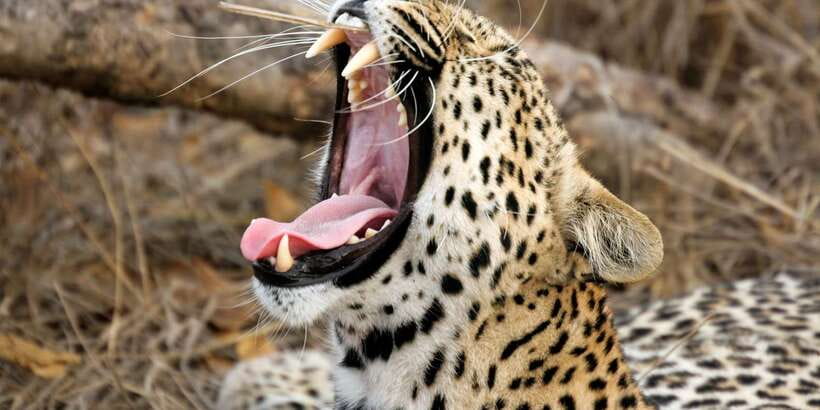
Wilpattu is known for holding leopards in a relatively concentrated way, and that changes how you should think about the safari. You’re not looking for the one miracle sighting that happens “someday.” You’re working the areas most likely to connect leopards with cover and movement—then re-checking as the light shifts.
Your guide and driver navigate the park’s roads and tracks while scanning for signs. When leopards are in the area, you’ll often get more than one look—one stop might be a brief glimpse, and another might be a longer watch. The goal is patience matched to positioning.
Also, you should know that the term “golden hours” is practical, not poetic. Early light and late light can help you see through haze, spot movement sooner, and notice animals that are half-hidden. So even if you’re not a serious photographer, the timing is still doing real work for your eyes.
What You’ll Drive Through: Forests, Lagoons, Grasslands, and Scrub
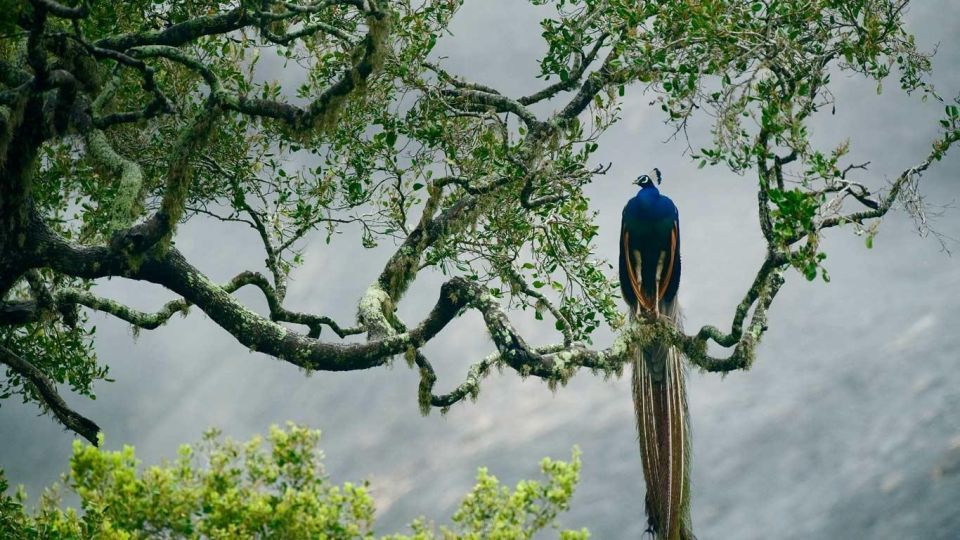
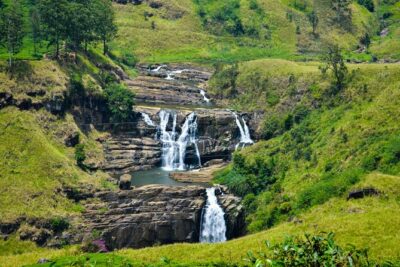
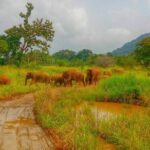
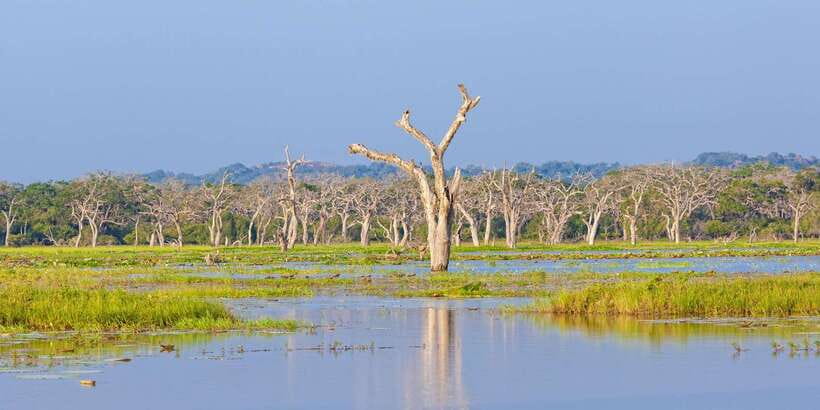
Wilpattu isn’t one “type” of scenery. Your jeep takes you through multiple habitat types—light forests, scrubs, grasslands, lagoons, and a range of other environments where different animals behave differently.
Here’s why that matters for your spotting chances:
- In lighter forest areas, animals can be easier to detect when they move between open patches and tree cover.
- Scrub and grasslands can reveal tracks, feeding spots, and watchful positions where predators wait.
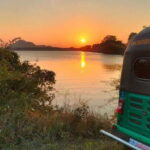
- Lagoons are key because water draws wildlife. If you time it right, you might catch elephants or other animals moving to drink.
- The variety also helps your guide adapt. When one area doesn’t produce sightings, the route changes based on what’s happening in front of you.
Your guide isn’t just taking you from point A to point B. You’re searching across a big range of territory where the animals may not be close together—but the park’s layout creates multiple “contact zones” where you can repeatedly check for activity.
Wildlife Chances Beyond Leopards: Elephants, Sloth Bears, and More
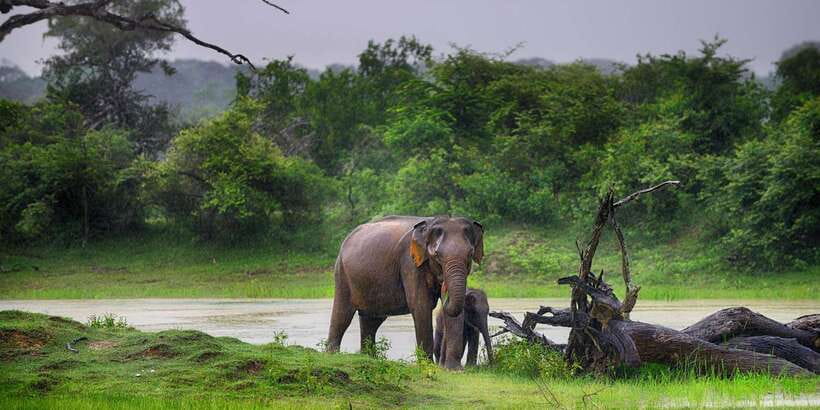
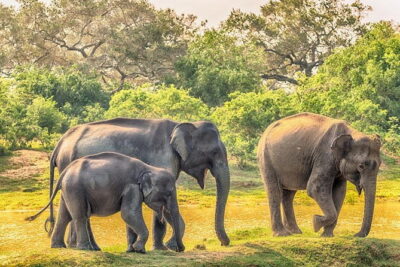
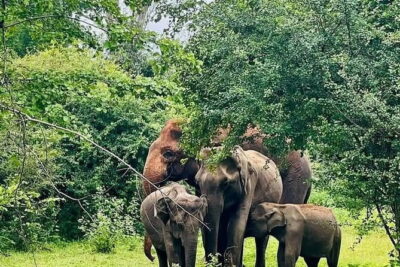
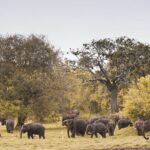
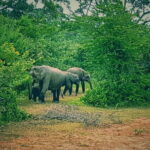
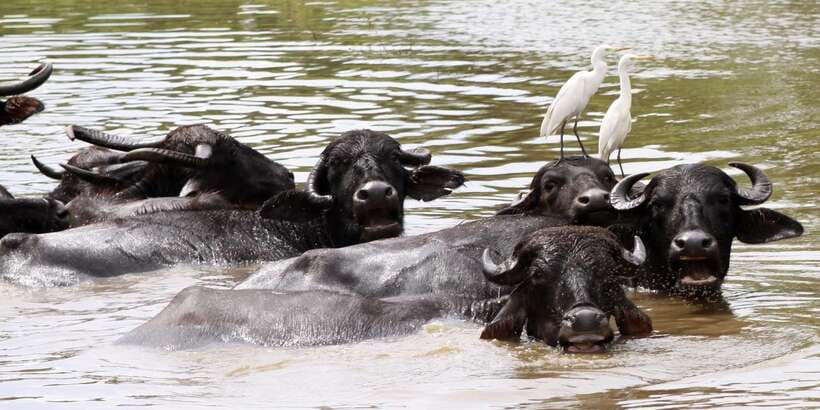
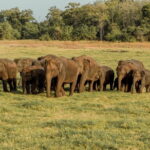
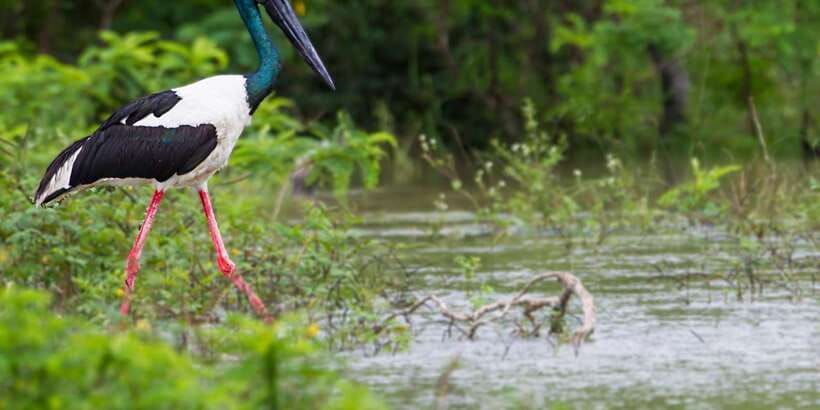
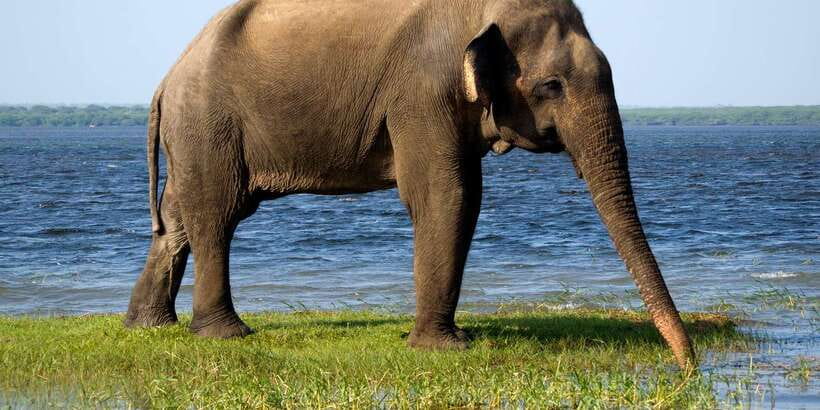
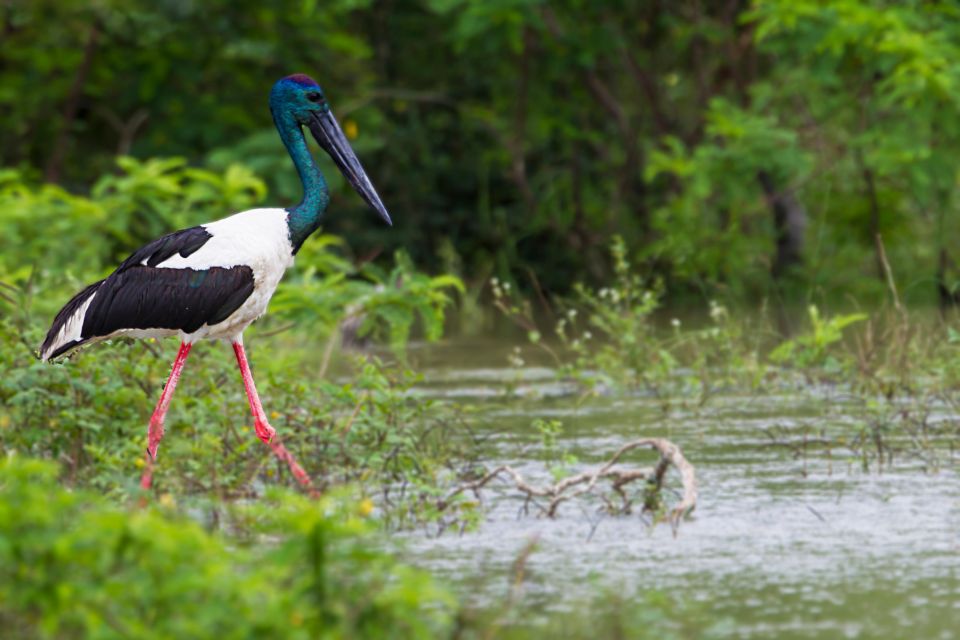
Leopards are the headline, but Wilpattu offers enough variety to keep your safari alive even if leopards stay out of sight that day. The park’s animal list includes elephants, sloth bears, sambars, jackals, spotted deer, peacocks, crocodiles, and water buffalo. You might also see additional wildlife depending on where activity is happening.
Elephants are a good example of why a guide matters. Even when elephants are not right out in the open, your guide can interpret the situation—what direction they’re moving, whether the area feels active, and how long to wait before giving up.
Sloth bears and other ground-oriented animals can be tougher because they may linger in cover. That’s where a patient, consistent search strategy helps. And for predators like leopards, you’re often relying on positioning and timing more than luck alone.
I also like that this safari is not just a “drive and hope” experience. The guide is there to spot and explain what you’re seeing, including behavior. That turns the ride into something closer to wildlife learning than wildlife lottery.



Getting the Most Out of Your Guide: Questions, History, and Real Explanations
A big part of the value on this safari is the live guide. You’ll have time to talk with your guide, ask questions, and learn about wildlife and even some local context and history. That matters because a leopard sighting can last seconds or it can last minutes—and knowing what you’re watching can make it feel like a whole story instead of just a quick dot in the distance.
One guide name that came up in past feedback was Tharinda, praised alongside excellent spotting ability and helpful guidance. Another strongly liked detail: a driver reportedly loaned binoculars to make viewing easier. If you’re bringing your own binoculars, great. If not, you might find your guide can help you see better—but don’t count on it for every departure.
Language is English, but a practical consideration: some guides may have tighter English than others, and that can affect how much you understand in real time. My advice is to ask your key questions early—like what to look for, how animals move in the area, or what a particular track/sign might mean. You’ll get more out of the safari that way.
Price and Value: Why $37 Can Make Sense (and When It Won’t)
At $37 per person for a 4-hour safari, you’re paying for a very specific mix: hotel pickup/drop-off, transportation in a safari jeep, and a live guide. The not-included items matter: you’ll still need to pay the Wilpattu National Park entry ticket onsite, and you’ll handle your own food and drinks.
So is $37 a fair value? In my view, it can be, because you’re buying time in the park with an active guide and driver, not just renting a vehicle and figuring out where to go. In places like Wilpattu, knowing where to look and when can change your experience fast.
When the price feels less attractive is when you show up hungry with no water plan, or if the extra onsite costs catch you by surprise. Since food and drinks aren’t included, plan for that upfront. If you’re traveling with a group, also remember the jeep cap (up to 6 passengers) affects how personal the experience can feel. Smaller doesn’t automatically mean better, but it usually improves the “you’re paying for attention” part of the safari.
What to Bring for a Better Safari Day
Because food/drinks aren’t included, your comfort depends a lot on what you pack. I’d treat this like any early-morning or late-afternoon wildlife outing: keep it simple, keep it practical.
Bring:
- Water (you’ll want it, especially if you choose the morning option)
- A small snack if you know you get hungry fast
- Sun protection for the morning or afternoon light
- A light layer (early starts can feel cooler)
- Any viewing gear you prefer (binoculars if you have them)
If you’re aiming for leopard spotting, also keep your expectations flexible. Leopards may be present and still not show well from a moving jeep. Your best move is to stay patient and listen to your guide when they explain what behavior or location suggests.
The Real Tradeoffs: What You Gain and What You Give Up
Every safari has tradeoffs, and this one is no different.
What you gain:
- Time targeting through Golden Hours planning
- A small-group jeep setup (max 6)
- A guide who can talk you through wildlife and history
- Access to multiple habitats in a short window
What you give up:
- You’re only in the park for a limited stretch, so if conditions are slow (or leopards are sleeping), you may not get as many sightings as you’d like
- Food/drinks are not included, so you’ll rely on what you bring
- There’s no guarantee of any specific animal appearing, even when your guide is working hard for leopards
If you’re the type who wants maximum chance through sheer hours, a longer option (like a full-day version) can make sense. But for many visitors, a 4-hour Wilpattu safari is an efficient way to get serious wildlife time without giving up your whole day.
Should You Book This 4-Hour Wilpattu Safari?
I’d book this if you want focused wildlife time in Wilpattu without overcommitting your schedule. The structure around Golden Hours and leopard spotting is a real advantage, especially if you’re traveling with limited days. The small jeep size and the chance to ask questions of a live guide also add up to more than just driving around.
Skip it (or consider a longer option) if you hate the idea of extra onsite costs for entry tickets and you don’t want to handle your own food/drinks. Also, if you’re expecting nonstop action the whole time, reset your expectations: wildlife doesn’t follow a timetable.
If you’re flexible, pay attention to the guide’s explanations, and show up ready for early or late light, this is a very practical way to experience Wilpattu—and a strong shot at seeing leopards.
FAQ
Do I need to pay the Wilpattu National Park entry ticket separately?
Yes. The entry ticket is not included and can be paid onsite.
What is included in the price?
Pickup and drop-off, transportation in a safari jeep in the national park (max 6 passengers per jeep), and a live guide.
How long is the safari?
The duration is 4 hours.
What times do the safaris run?
The morning option begins around 5:30am, and the afternoon option starts around 2:00pm and runs until the park closes at 6:00pm.
Is the guide available in English?
Yes, the live guide is provided in English.
What animals does the safari focus on?
The safari is geared toward spotting leopards, and you may also see elephants, sloth bears, water buffalo, sambars, jackals, spotted deer, peacocks, and crocodiles.
How does the leopard-spotting plan work?
Your guide focuses on leopard spotting during the park’s Golden Hours, using either the first 2 hours or the last 2 hours depending on whether you choose morning or afternoon.
Is food included?
No. Food and drinks are not included.
How many passengers are in each safari jeep?
Each safari jeep has a maximum of 6 passengers.
Is there free cancellation and a pay-later option?
Yes. You can cancel up to 24 hours in advance for a full refund, and you can reserve now and pay later.