In This Review
- A short oxygen-powered lesson
- Key Highlights I’d Put First
- Nilaveli Makes Sense for Your First Scuba Session
- Two Beginner Formats: 2 Hours vs 3 Hours (6 m or 12 m)
- The shorter option (about 2 hours, shallower)
- The full DSD-style option (about 3 hours, deeper)
- Optional extra boat swims cost more
- What Happens During Your 1:30 pm Start
- Instructors Matter More Than Gear (And Here They’re Named)
- What’s Included (and What You’ll Pay For Separately)
- The Reef Experience: What to Expect From Beach to Boat
- Price and Value: Does $84.37 Really Add Up?
- Who This Is Best For (And Who Should Rethink It)
- Should You Book This Beginner Scuba Session in Nilaveli?
- FAQ
- How long is the beginner scuba session?
- What depth will I reach?
- Is this a scuba certification course?
- What are the minimum age and fitness requirements?
- What’s included in the price?
- Is lunch included?
- What happens if weather is bad or I cancel?
A short oxygen-powered lesson
A first-time scuba session can feel like a superpower. Here in Nilaveli, Sri Lanka, you get a PADI-led introduction that stays friendly and structured, with training on land and in controlled water before you head out to a nearby coral reef area from the beach. It’s designed for people who want to experience breathing underwater without jumping straight into a full certification path.
Two things I really like: the teaching is built around basic dive theory plus hands-on practice in confined water, and the whole experience runs with rental equipment and comfort touches included (coffee/tea, snacks, bottled water). You also keep things simple with a private transport pickup and a small max group size of 15.
One consideration: this isn’t a certification course, and you’ll still need reasonable physical fitness and comfort following instructions closely. If you’re sensitive to water conditions or unsure about your comfort level, this is the kind of activity where you should think ahead and talk with the staff.
Key Highlights I’d Put First
- PADI-led beginner training with theory + confined-water practice before open water
- Two time options: shorter session (about 2 hours, shallower) or full DSD-style session (about 3 hours)
- Beach-to-reef format near Nilaveli, with a boat portion up to set depths depending on the option
- Rental equipment included, plus snacks and coffee/tea so you’re not scrambling
- Small group size (max 15) and instruction from named, patient staff like Norbert and Alan
- Lunch is not included, so plan food timing if you’re doing the afternoon slot
You can also read our reviews of more tours and experiences in Sri Lanka.



Nilaveli Makes Sense for Your First Scuba Session
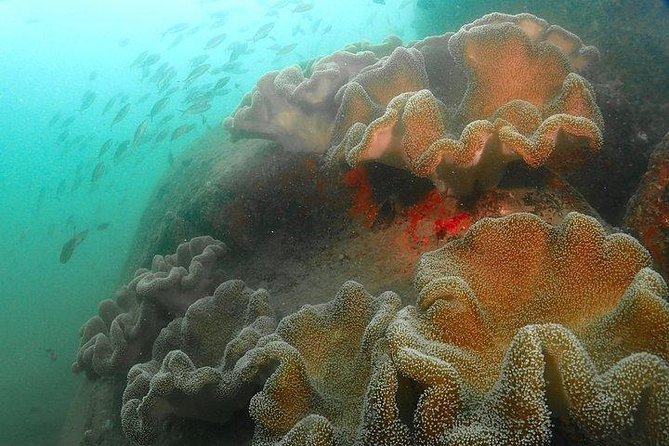
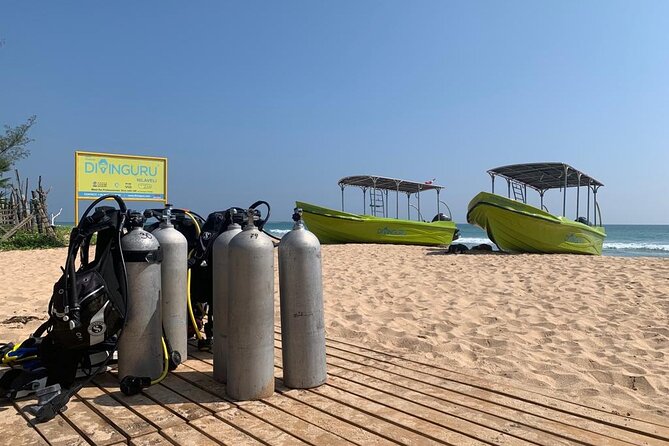
Nilaveli is one of those Sri Lanka beach bases that works well for beginners because the schedule stays compact and you’re not spending half the day on logistics. Your session starts at Divinguru Nilaveli, a PADI 5 Star IDC resort, and the plan focuses on getting you comfortable fast—then getting you out toward the coral reef area.
What matters for you as a first-timer is the pacing. You’re not thrown into open water instantly. Instead, the instruction is set up to help you understand what’s happening with breathing, buoyancy control, and basic safety signals before you ever go beyond the training zone. That structure is why this setup often feels less intimidating than improvising on your own.
Also, small group size helps. With up to 15 people, you’re more likely to get the kind of attention that makes a difference when you’re learning. In the feedback I reviewed, the tone is consistently calm and professional—people like Alan, Norbert, and Elis are described as patient and clear, which is exactly what you want at the start.
Two Beginner Formats: 2 Hours vs 3 Hours (6 m or 12 m)
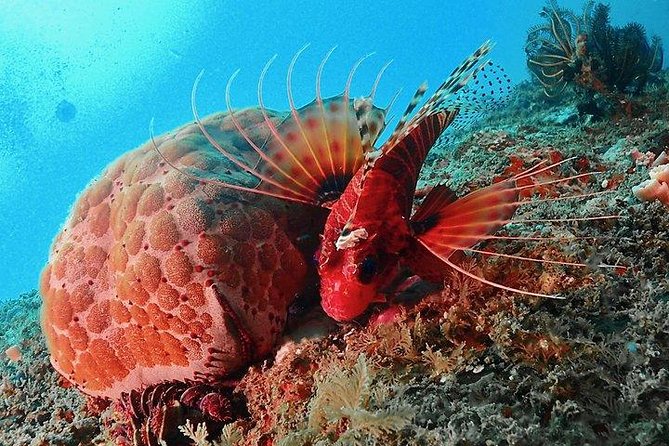
This experience is described as an introduction for non-certified people, so think of it as an underwater trial with real instruction—not a “random snorkel with gear.” The provider offers two beginner formats that differ mainly in how long you spend training and how deep you go during the boat portion.
The shorter option (about 2 hours, shallower)
The shorter format includes:
- basic dive theory (the essentials)
- short confined-water training
- one boat swim up to 6 m
- led by a PADI professional (described as a PADI divemaster level role in the details)
This is a solid choice if you want the core experience quickly and you’d rather not spend extra time on additional steps. If you’re nervous, shorter can feel more manageable. If you’re excited and want more practice time, the longer option may be a better fit.
The full DSD-style option (about 3 hours, deeper)
The longer format is closer to a full “try-and-prepare” program and includes:
- basic dive theory lesson
- confined-water training in a swimming pool or confined open water
- one boat swim up to 12 m
- led by a PADI dive instructor (as stated in the format description)
This is the one if you want a more complete ramp-up before the deeper part of the day. You’ll also appreciate the extra time if you learn slowly or just need more reps to feel steady.




Optional extra boat swims cost more
If you add an additional boat swim beyond what’s included, the details say there’s an extra 50 Euro fee per additional boat dive/boat swim with the PADI instructor. That’s not “hidden”—it’s explicitly part of the pricing logic—so when you plan your budget, decide early whether one boat swim is enough for your comfort level.
What Happens During Your 1:30 pm Start
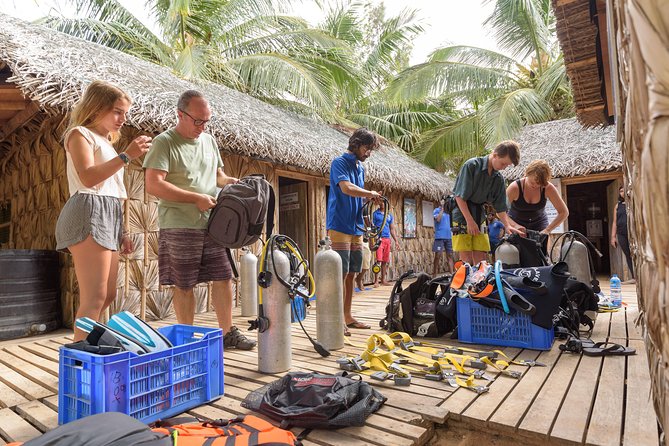
This specific listing shows a 1:30 pm start time and ends back at the meeting point. The broader program timing is described as running at 8:30 am or 1:30 pm, so your day is set up either for a morning or afternoon session. Since yours is 1:30, you’ll want to think about meal timing and energy.
Even without a long day itinerary, you should expect the session to feel like three steps:
- Briefing + basic theory (so your gear use and breathing make sense)
- Confined-water training (practice under supervision)
- Boat swim to the reef area (the “wow, I’m really doing this” moment)
The key is that each step feeds the next one. Theory helps you follow commands. Confined-water practice lets you test breathing and control movements with support. Then the reef part is where you put it all together at the chosen depth.
In feedback, people frequently highlight that instructors explain everything first, then guide you calmly while you try the movements. Elis, for example, is described as friendly and helpful while walking people through what to do and practicing breathing in the swimming pool before moving onward. That’s exactly how you want this day to flow.
Instructors Matter More Than Gear (And Here They’re Named)
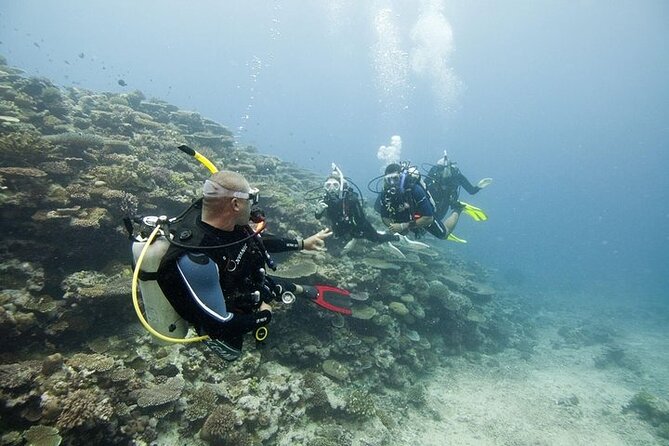
Gear gets you underwater. Instructors get you safe and confident.
At Divinguru Nilaveli, the beginner experience is led by PADI professionals, and the names that show up repeatedly in the feedback are a good clue about the teaching style:
- Norbert: praised for being patient and a great teacher during the beginner session
- Alan: mentioned as amazing for first-time participants and described as calm and fun (even from people who later went on to certification)
- Elis: described as friendly, with clear explanations and step-by-step guidance
- Rob: referenced as part of the staff for professionalism and support
- Adam, Ella, Ellie: described as kind and helpful alongside the main instructor
You also learn something important from the way the center operates: they keep the environment calm. In the feedback I reviewed, the repeated themes are patience, clarity, and a focus on safe procedures first. That matters because beginners often don’t need more “information”—they need the right cue at the right time, plus someone who can adjust when your body reacts differently than expected.
One smart detail from the info: there’s a note that the staff can work around mixed skill needs in family groups. The example involved three children starting for the first time while an adult did a refresher, and the team was described as helpful in advance. You’ll still want to plan for what’s realistically possible, but the vibe is that they’ll try.
What’s Included (and What You’ll Pay For Separately)
For the price shown—$84.37 per person—you’re getting more than just “a spot in a boat.” The included items are practical for first-timers who don’t want surprise charges:
- Rental equipment
- Bottled water
- Coffee and/or tea
- Private transportation
- Snacks
That’s meaningful value. For most people, your biggest friction point on a first scuba session is not the ocean—it’s the admin. You don’t want to manage gear rental, hunt for a place to eat, or piece together transport during a short stay. Here, those basics are handled.
Two things you should know to avoid surprises:
- Lunch is not included. If you’re doing the 1:30 pm slot, you may want a solid lunch plan before you start.
- Extra boat swims cost 50 Euro each.
Also, you get a mobile ticket, and pickup is offered. Those sound small, but they reduce stress—especially if you’re moving around Sri Lanka without a car.
The Reef Experience: What to Expect From Beach to Boat
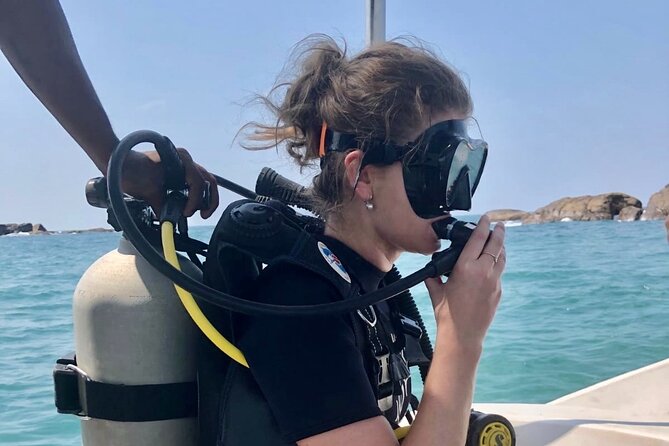
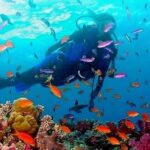
The program description says the underwater part happens in the ocean, diving from the beach out to a coral reef area. In other words, you’re not only doing a pool session and calling it done. You’ll move into the real environment where you can use what you practiced.
The boat portion is part of the experience in both formats, but the depth differs:
- shorter option: up to 6 m
- longer option: up to 12 m
For beginners, the depth cap matters because it shapes how long you’ll spend dealing with gear pressure and how steady you need to be. Going deeper is not automatically better. The smarter move is to choose the option that matches your confidence and goals for that day.
Another practical note from the details: the session depends on good weather. That’s not just a legal sentence; it affects the entire plan. If conditions are rough, they may offer a different date or a full refund, so keep your schedule flexible when possible.
Price and Value: Does $84.37 Really Add Up?
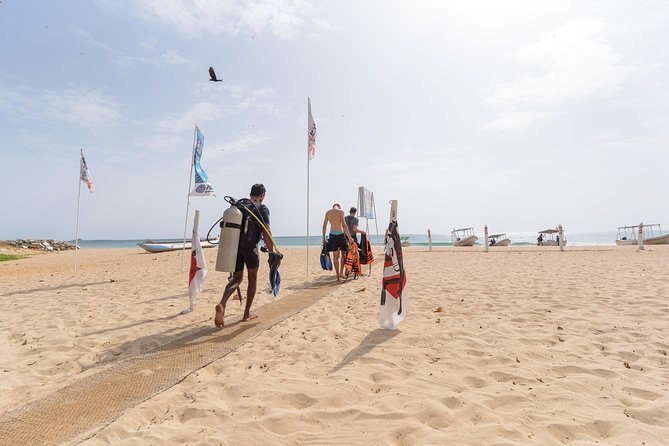
At $84.37 per person for an introductory PADI-led session around 3 hours, the value is in the package, not the headline cost.
Here’s why:
- Equipment rental included (so you’re not paying extra to get gear)
- Private transportation included (so you’re not figuring out how to get to the center and back)
- Snacks + coffee/tea + bottled water included (helpful when you’re learning and need steady energy)
- A small group cap of 15 suggests your time is more likely to be instruction-focused
Then consider what isn’t included:
- Lunch is on you
- Any extra boat swim is 50 Euro
So the deal is good if you keep your plan simple: one boat swim, no extra additions, and you arrive ready. If you start adding extra underwater time, your overall cost will rise, but it’s still transparent.
One more angle: the listing says this is booked about 11 days in advance on average. That’s not “panic booking,” but it’s a reminder that reef-focused beginner sessions do have limited slots—especially with small groups. If you’re traveling in peak months, book early enough to get the time you want.
Who This Is Best For (And Who Should Rethink It)
This program is aimed at people who are:
- not yet certified
- at least 10 years old
- in reasonable physical health
- able to follow instructions and stay calm while you practice new skills
If you’re an absolute beginner who wants a safe, structured introduction, this is a strong fit. The teaching style comes through in multiple feedback notes: patient instructors like Norbert and Alan, plus staff who keep things calm and organized.
If you’re someone who wants to jump straight into a certification course, this may feel like a tease—because it’s explicitly an introduction, not certification. That said, the center also offers longer PADI education pathways, and people in the feedback later completed courses like Open Water. So you can use this session as a confidence builder before committing.
If you’re unsure about comfort in open water, talk to the staff ahead of time. The key requirement is physical comfort and willingness to practice. The ocean doesn’t care about your plans, so your body and mind matter here.
Should You Book This Beginner Scuba Session in Nilaveli?
I’d book it if you want a structured first experience with PADI instruction, rental gear included, and a reef outing that doesn’t require you to be “ready” ahead of time. It’s also a great option if you’re traveling on a short timeline and don’t want a day-long course.
I’d think twice if:
- you’re worried about basic fitness demands
- you strongly prefer total control and low uncertainty (weather can affect the plan)
- you don’t like the idea that lunch isn’t included and extra boat time costs extra
For most first-timers, the deciding factor should be this: the program is built to teach you the basics first, then give you a real reef moment. That’s a better first step than winging it.
FAQ
How long is the beginner scuba session?
The introduction is listed at about 3 hours for the full format, and the shorter option is about 2 hours.
What depth will I reach?
Depending on the format you choose, the boat portion goes up to 6 m in the shorter option and up to 12 m in the full DSD-style option.
Is this a scuba certification course?
No. It’s described as an introduction to scuba for people who are not yet certified, with basic instruction and a fun underwater session.
What are the minimum age and fitness requirements?
The minimum age is 10 years. You should have reasonable physical health and a moderate physical fitness level.
What’s included in the price?
The included items are rental equipment, bottled water, coffee and/or tea, private transportation, and snacks. The activity uses a mobile ticket.
Is lunch included?
No, lunch is not included.
What happens if weather is bad or I cancel?
The activity requires good weather. If it’s canceled due to poor weather, you’ll be offered a different date or a full refund. You can cancel for a full refund if you cancel at least 24 hours before the experience start time.