Elephants gather like clockwork here. This Minneriya National Park jeep safari targets the elephant gathering in an open 4×4, with an expert driver handling entry and a reservoir stop built for photos.
I like the way the route is designed around wildlife time—especially the dry-season buildup when herds cluster near water. I also like the easy hotel pickup in the Habarana area, so you spend your energy actually watching animals instead of figuring logistics out.
The main gotcha is the park entrance fee: the $25 safari price does not include the $45 Minneriya National Park entrance cost, which you pay separately.
In This Review
- Key highlights at a glance
- Why the Minneriya elephant gathering is the whole point
- Pickup in Habarana: the part you’ll feel grateful for
- The open 4×4 jeep ride: fun, practical, and a bit bumpy
- At the park entrance: briefing, route focus, and gate logistics
- Grasslands, forests, and wetlands: what that mix means for your sightings
- The reservoir photo stop: where the herd energy gathers
- What wildlife and birds you can realistically expect
- Price and value: what the $25 actually buys you
- What to bring so the safari feels easy
- Who this Minneriya jeep safari suits best
- Should you book this Minneriya National Park safari?
- FAQ
- How long is the Minneriya National Park safari?
- Where does hotel pickup and drop-off happen?
- Is the park entrance fee included in the $25 price?
- What’s included in the tour?
- What languages are spoken by the tour guide?
- What wildlife and birds can I expect to see?
- What should I bring for the safari?
- Is touching animals allowed?
Key highlights at a glance
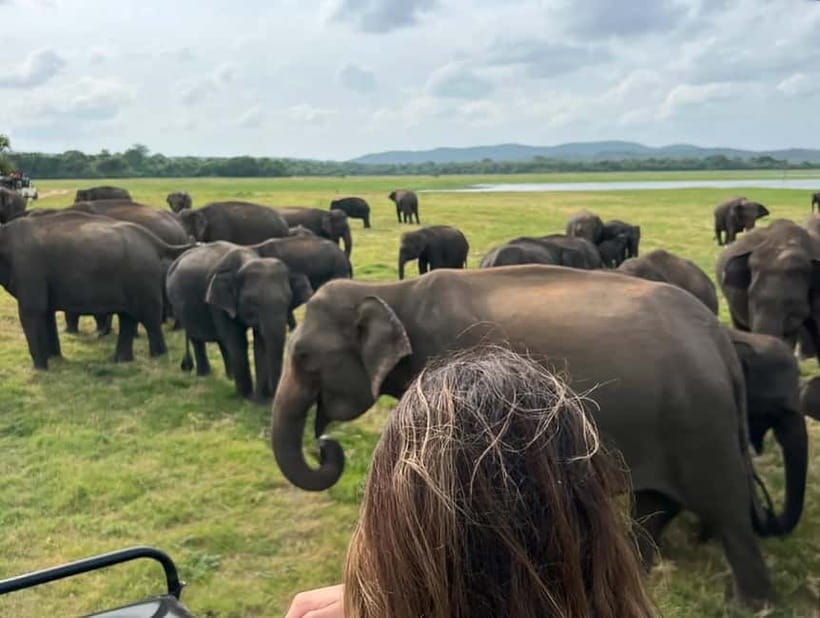
- Elephant gatherings around Minneriya Reservoir, especially in July–October dry season
- Open 4×4 jeep safari with a driver who manages the flow and entry formalities
- Wildlife and birdwatching for sambar deer, monkeys, wild boars, and more
- Reservoir photo stop where animals often come to drink
- Small-group feel that keeps the safari from feeling chaotic
- Hassle-free Habarana area pickup/drop-off so you don’t waste time traveling
Why the Minneriya elephant gathering is the whole point
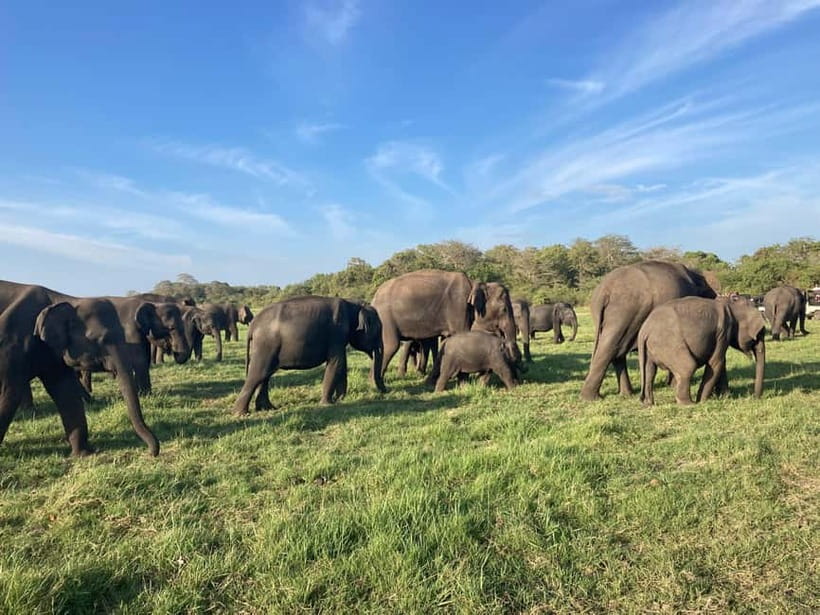
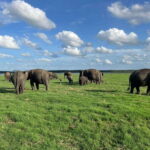
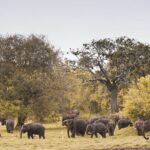
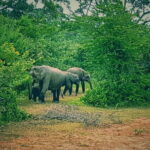
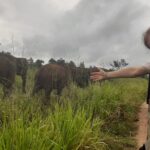
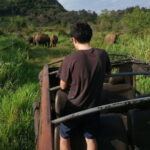
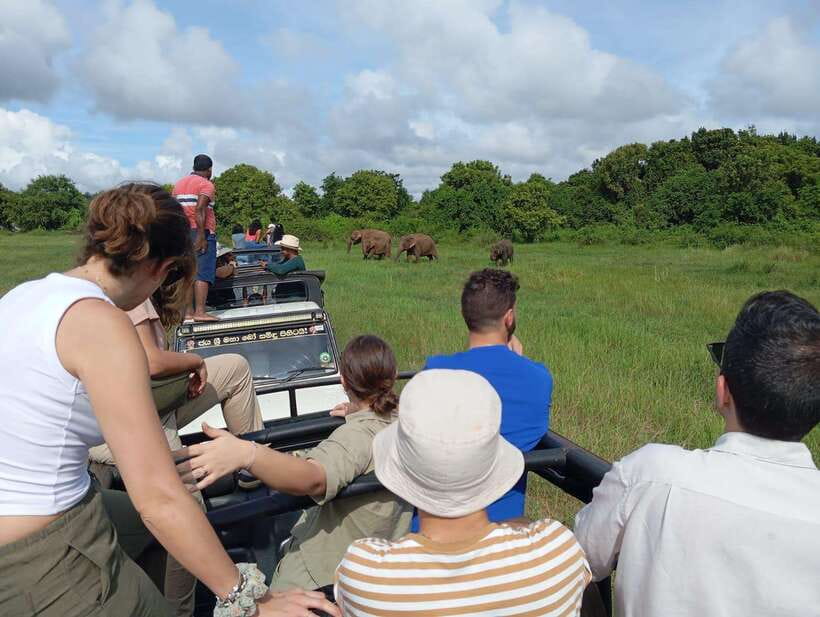
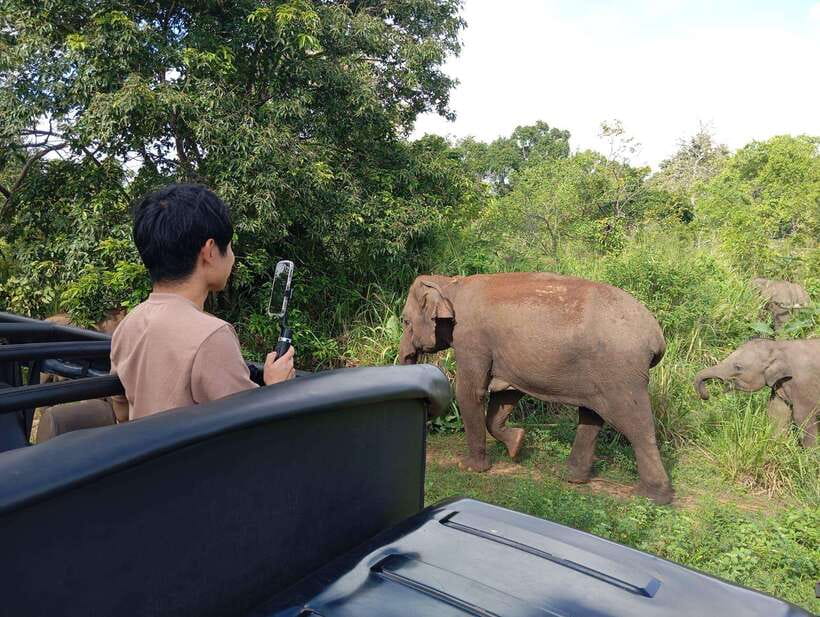
If you’re coming to Sri Lanka for wildlife, Minneriya is one of those places where the payoff can feel immediate. The park is famous for elephant herds gathering around the Minneriya Reservoir, and the timing matters. During the dry season (July–October), water is more scarce, and the elephants concentrate where they can find it—so your odds of seeing multiple elephants in one area go up.
What I find especially satisfying is that this safari isn’t sold as a random drive. The experience is structured around where animals tend to show up and how the reserve shifts as the day goes on. You’re not just “in the park”—you’re on a guided route with a driver-guide paying attention to signs.
And yes, elephants are the headline here. But this is also a bird-and-bushes kind of safari. If you like scanning edges of grasslands, watching movement near wetlands, or spotting smaller mammals and birds, Minneriya gives you plenty to look for beyond the big show.
You can also read our reviews of more tours and experiences in Anuradhapura.


Pickup in Habarana: the part you’ll feel grateful for
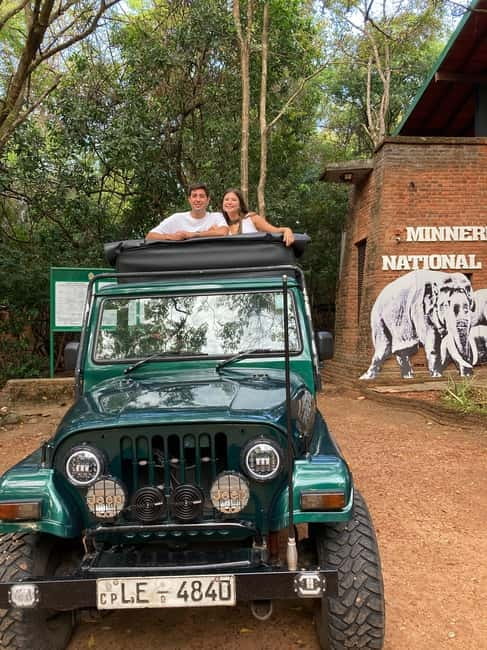
Getting from where you’re staying to a national park safari should be boring—in a good way. This one starts with free hotel pickup and drop-off in the Habarana area, which cuts out the most annoying friction: organizing transport, meeting someone in town, or arriving at the gate stressed and dusty.
The tour is also positioned to work if you’re using Habarana or the broader Sigiriya area as your base. Pickup and drop-off are available in the Habarana and Sigiriya area, and the safari ends back at your meeting point. That matters because Minneriya is not the kind of “pop over for an hour” stop. Your day needs to run smoothly, especially when you’re paying attention to animals that won’t wait for your schedule.
Another small but real win: the driver handles entry formalities when you reach the park entrance. That saves time and helps keep the safari moving. When you’re standing around waiting, your viewing window shrinks. Here, the goal is to keep you in the right place and keep your time in the park useful.
The open 4×4 jeep ride: fun, practical, and a bit bumpy
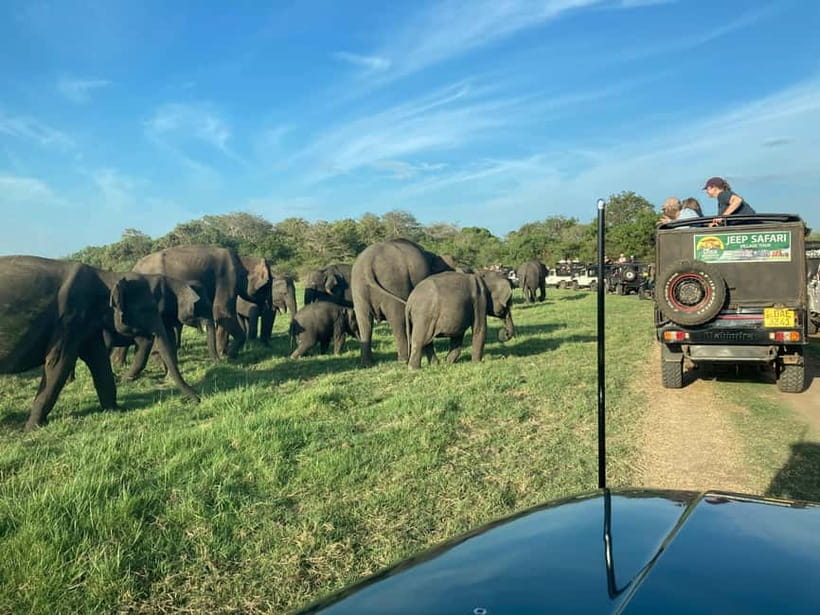
You’ll travel to and through the park in a comfortable, open 4×4 jeep. Open jeeps are ideal for safari viewing because you’re not dealing with glass glare or limited sightlines. You can also get better angles for photos—especially when elephants move across open ground near the reservoir.
Still, an open jeep comes with reality checks. Expect outdoor conditions: sun, dust, and the occasional jolt from uneven terrain. This is why “comfortable clothes” and sun protection are part of the checklist, not an afterthought. If you run hot easily, bring a hat and sunscreen so you can stay focused on animals instead of shielding yourself every two minutes.
There’s also the timing rhythm to consider. The drive segments are split into short blocks, with about 20 minutes in each jeep travel portion before you settle into the next part of the safari flow. That gives you a bit of reset time, but it also means you’ll want your camera ready before the jeep stops.
One more practical point: this safari isn’t listed as suitable for people with back problems or for pregnant women. If that’s you, it’s worth thinking twice about the bumpy parts of an open 4×4 day.
At the park entrance: briefing, route focus, and gate logistics
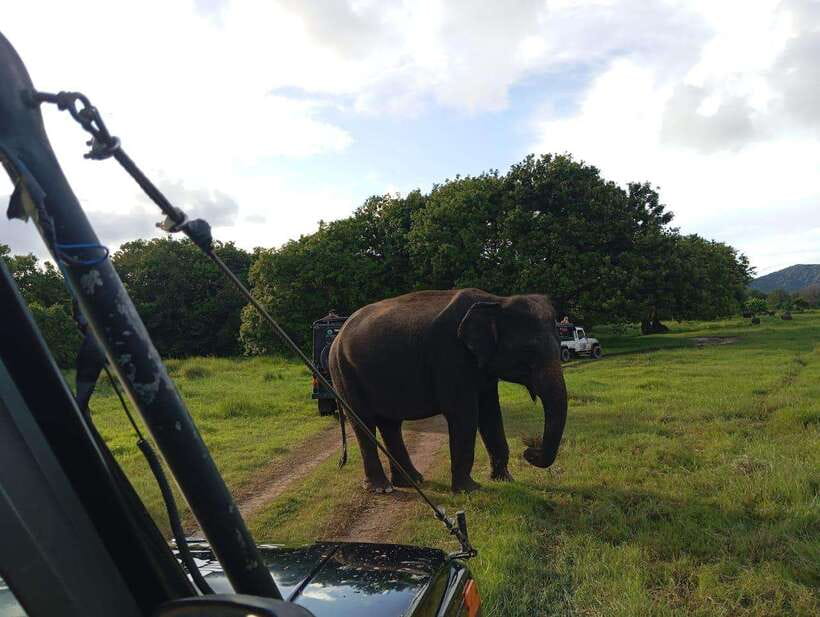
When you reach the park entrance, your driver doesn’t just drop you off. You’ll get a short briefing on the safari route and wildlife to expect. That briefing is more important than it sounds. If you know what you’re searching for—elephant behavior, where animals may concentrate around water, and what kinds of birds to scan for—you’ll spot more in the same amount of time.
You’ll also see how the operator approaches “smart patience.” A good safari day is not about rushing from one sighting to the next. It’s about spending enough time where animals actually are, without crowding them. In this experience, the guide’s role is to help you see elephants while keeping the pace respectful, which helps you enjoy the moment rather than feel like you’re chasing every few minutes.
From there, the safari moves into the diverse parts of the reserve. You should expect grasslands, forests, and wetlands during your route, which matters because these habitats attract different animals and different bird species.
Grasslands, forests, and wetlands: what that mix means for your sightings
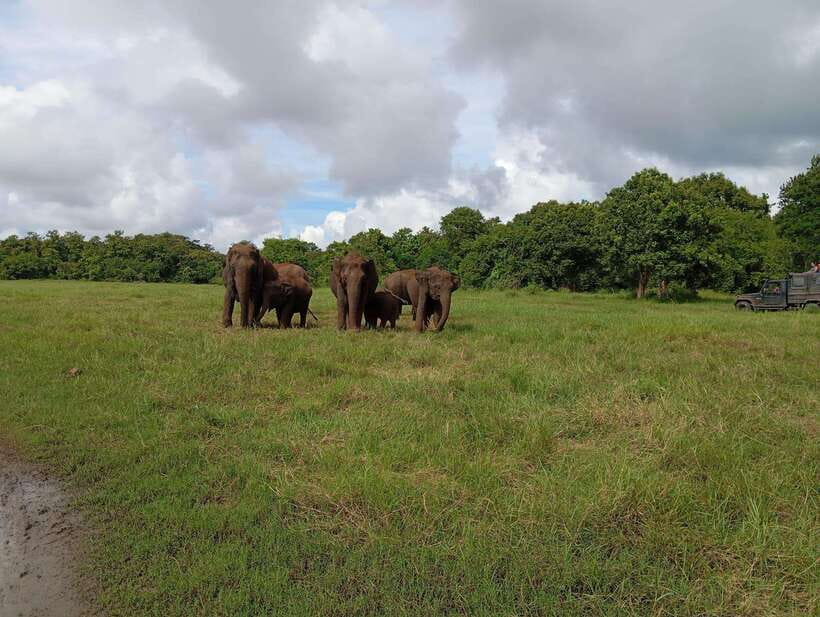
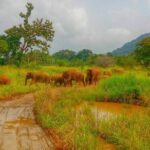
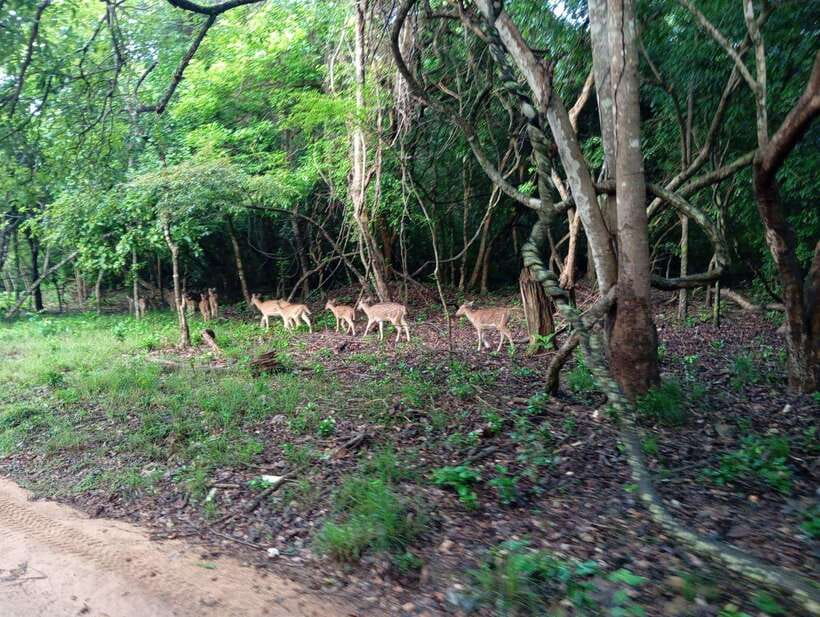
A Minneriya safari is most exciting when the day’s terrain changes under you. Grasslands can offer broad views where elephants and deer move into open areas. Forest edges can hide monkeys and other mammals that don’t like being out in the open. Wetlands pull in both animals and birds that want water or thick cover.
That habitat variety is a big reason this kind of safari tends to feel more rewarding than a single-area drive. Even if elephants steal the show, you’re still likely to pick up additional wildlife and birdlife as the jeep shifts between terrain types.
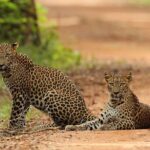
Keep your eyes open for animals such as sambar deer, wild boars, and monkeys. An occasional leopard is listed as a possibility too. Now, a quick reality check: “possible” doesn’t mean “guaranteed.” What it does mean is that your guide is watching for signs, and your route is set up to put you in places where sightings can happen.
Birdwatching is not an add-on here. It’s part of the structure. If you enjoy scanning the canopy and water edges, you might spot birds such as pelicans, eagles, storks, and peacocks. The guide can also help identify what you’re seeing, which is a huge help if you don’t know bird calls or names yet.
The reservoir photo stop: where the herd energy gathers
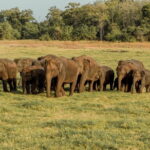
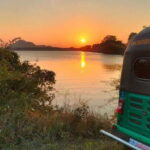
The Minneriya Reservoir stop is one of the most practical parts of the safari. It’s not just “stretch your legs.” Reservoir areas are naturally attractive to animals because they’re watering holes, and that’s exactly why elephants gather here.
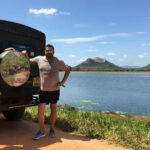
You’ll get a brief pause by the reservoir for photos and a moment to relax. This is your chance to shoot the kind of pictures you can’t get while the jeep is in motion: animals against water, herds spaced out at the shoreline, and the dramatic calm that sometimes happens when animals settle in.
Also, don’t underestimate the value of a short stop for your own attention span. If you’ve been scanning from the jeep through heat and dust, a quick break helps you see more clearly when you’re back on the move. It can also help you notice bird activity that you might miss when you’re only focused on elephants.
If you’re a photographer, this is where you’ll want your camera accessible but steady. Wind near open water can be a factor, and light can change quickly as clouds pass or the sun angles shift.
What wildlife and birds you can realistically expect
You’re in a national park, so the day runs on animal behavior, not a human schedule. The best you can do is pick a safari that gives you a well-sorted route, experienced navigation, and a focus on where animals tend to appear.
From what’s built into this safari, here’s what you should keep on your mental checklist:
- Elephants: herds gathering around the reservoir, especially in July–October dry season
- Sambar deer, wild boars, and monkeys as common targets
- Occasional leopard: possible, not promised
- Bird species: pelicans, eagles, storks, peacocks (and likely more once you start spotting)
The guide’s job includes helping you spot and identify birds. That’s a big deal. A lot of safari fun fades when you can’t tell what you’re looking at. With bird identification support, you’ll come away knowing what those winged shapes actually were.
One more thing I like about this setup: it’s not just “elephants or bust.” Even if the elephant moment takes time to land, the safari includes wildlife and birdwatching opportunities across different habitats. That keeps the experience feeling full rather than empty if you get fewer elephants than hoped.
Price and value: what the $25 actually buys you
Let’s talk money like grown-ups. The safari price is listed at $25 per person, duration about 4 hours, with hotel pickup/drop-off in the Habarana area included. That’s a reasonable base cost for a guided jeep safari with an expert driver-guide, route briefing, and a reservoir-focused wildlife drive.
But then there’s the part you must budget for: the Minneriya National Park entrance fee is not included and is listed at $45. So the practical “all-in” cost you should plan for is closer to $70 per person, before food and drinks.
Is it still good value? For most wildlife-focused people, yes—because you’re paying for a structured safari route and the local navigation that puts you where animals are likely to be. You’re also paying for the time efficiency of pickup/drop-off plus gate handling by the driver. If you were to try to DIY this without guide support, the logistics would eat into your wildlife time.
Where it can feel less cost-friendly is if you’re expecting the $25 to cover everything, or if you want to bring food and snacks without planning ahead. Entrance fee + safari rate + drinks can add up fast in Sri Lanka. The smart move: treat $25 as the guided jeep portion, then add the park fee separately in your head.
What to bring so the safari feels easy
This is a sun-and-outdoor day, so pack for comfort, not just for photos. The essentials listed for you are:
- Hat
- Camera
- Sunscreen
- Comfortable clothes
Also, carry water. Hydration matters on a safari, even when you’re not walking much. You’re outdoors in warm conditions, and you’ll likely be there for a few concentrated hours.
A practical note: this safari is not allowed for touching animals. Respecting wildlife is part of keeping them wild and keeping your day safe. Your job is to watch. Their job is to live their life.
If you know you’ll be in and out of photo mode, keep your gear protected. The jeep ride can stir dust, and you don’t want to waste the best viewing moments fumbling with bags.
Who this Minneriya jeep safari suits best
This is best for people who want a wildlife-focused day without overcomplicated logistics. You’ll probably love it most if you:
- Want to see elephant gatherings around a reservoir (especially if you travel during July–October)
- Like guided viewing instead of guessing where to drive
- Enjoy birdwatching and want help identifying what you see
- Appreciate pickup/drop-off from your base in Habarana
It’s less ideal if you’re dealing with mobility concerns tied to uneven terrain, because it’s not listed as suitable for people with back problems. It’s also not suitable for pregnant women, so plan a different kind of outing if that applies.
One more nuance: if you’re flexible and you’re aiming hardest for elephants, it’s worth knowing the safari may be routed based on where the elephants are showing best. In some departures, the operator may adjust the plan toward the Hurulu area when elephant odds look higher. That kind of adaptive routing is only helpful if you’re open-minded about small changes while still expecting the elephant gathering focus.
Should you book this Minneriya National Park safari?
I’d book it if your goal is a guided, efficient Minneriya National Park safari from Habarana with a realistic shot at elephants and a good mix of other wildlife and birds. The combination of open 4×4 viewing, expert navigation, and a reservoir photo stop makes it feel like more than just a drive.
I’d hesitate only if entrance fees would be a problem for your budget, or if bumpy outdoor seating is an issue for your body. Also, since sightings depend on animal behavior, come with the right mindset: you’re going for a wildlife encounter, not a staged show.
If you want one clear decision rule: if you can comfortably budget for the $25 safari + $45 park entrance fee, you’re set up for a very memorable Sri Lanka wildlife day.
FAQ
How long is the Minneriya National Park safari?
The safari duration is listed as 4 hours.
Where does hotel pickup and drop-off happen?
Pickup and drop-off are available in the Habarana area, and pickup and drop-off are also available for the Habarana and Sigiriya area.
Is the park entrance fee included in the $25 price?
No. Minneriya National Park entrance fees are not included and must be paid separately (45$ is listed).
What’s included in the tour?
Included items are hotel pickup and drop-off in the Habarana area, the jeep safari in Minneriya National Park, an expert driver-guide, a safari route and wildlife briefing, and opportunities for elephant viewing and birdwatching.
What languages are spoken by the tour guide?
The live tour guide is listed as English and Singhalese.
What wildlife and birds can I expect to see?
You can look out for elephants gathering at the reservoir, plus animals like sambar deer, wild boars, monkeys, and an occasional leopard. Birdwatching opportunities include pelicans, eagles, storks, and peacocks.
What should I bring for the safari?
Bring a hat, camera, sunscreen, and comfortable clothes. Also carry water to stay hydrated.
Is touching animals allowed?
No. Touching animals is not allowed.