A day in Galle moves fast. You get a focused loop around UNESCO Galle—fort walls, big ocean viewpoints, sea turtles, traditional stilt fishing, tea country, and a beach break—run with a government-qualified guide and private transport. It’s the kind of itinerary that helps you get your bearings fast while still leaving room to enjoy the coast.
I really like the way the tour balances set-pieces with hands-on moments: stopping for conservation at Koggala and watching the stilt fishermen up close. I also like that the guide quality is front and center—people like Prasad Suranjeewa and Seranath are called out for clear explanations, friendly vibes, and tailoring the day to you.
One thing to keep in mind: the stops are efficient. With 6 to 10 hours total and several brief 30-minute segments, Rummassala, turtles, and stilt fishing won’t feel like a long, slow hangout. If you prefer unhurried pacing, you may want to save extra time for your favorite stop.
In This Review
- Key highlights worth planning around
- Galle in one loop: how this day tour is built
- Price and value: what $90 per group really buys
- 8:30 pickup and the smooth ride you’ll appreciate
- Galle Dutch Fort: the best place to start your bearings
- Rumassala: quick time for big ocean views
- Sea Turtle Conservation Project (Koggala): do good while you look
- Stilt fishermen: watching tradition that still works
- Handunugoda Tea Estate: tea history you can actually connect to
- Jungle Beach break: the payoff for a long day
- Guide quality is the real secret sauce
- Who this tour fits best (and who might want a different plan)
- Should you book the Galle day tour?
- FAQ
- FAQ
- What is the duration of the Galle day tour?
- What time does the tour start?
- Is pickup included?
- Is this a private tour?
- How much does the tour cost and how many people can it include?
- What is included in the tour price?
- Are admission tickets included for all stops?
- Is dinner included?
- Can I cancel for free?
Key highlights worth planning around
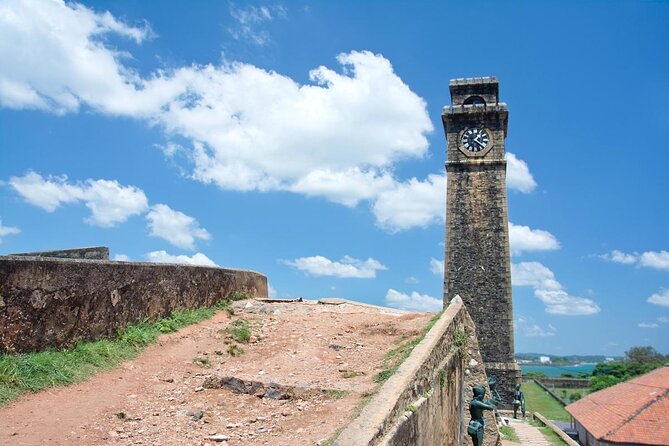
- Galle Dutch Fort with a guided walk through centuries of Portuguese, Dutch, and British influence
- Rumassala viewpoint for panoramic bay views in a short, efficient stop
- Sea Turtle Conservation Project (Koggala) conservation-focused time (admission not included)
- Traditional stilt fishermen seen as a working method, not just a photo stop
- Handunugoda Tea Estate visit that connects Sri Lanka tea to the 1865 James Taylor story
- Jungle Beach time for swimming and sunbathing, plus a beach bar/seafood spot
Galle in one loop: how this day tour is built
This is a classic “best of the region” day that starts with Galle’s most recognizable heritage—then swings out to coastal viewpoints and living nature—before heading inland for tea, and ending with beach downtime. The result is a route that gives you both context and variety, without feeling like you’re bouncing randomly between unrelated places.
The tour is private, so it’s just your group in the vehicle. That matters in Galle, where traffic and short distances can still add up when you’re trying to see everything. You’re also not stuck in a long bus tour format; you move stop-to-stop with your guide steering the day.
Expect a total duration of about 6 to 10 hours. It begins at 8:30 am and returns back to the meeting point. That return-to-base setup is handy if you’re continuing on to dinner plans, a second activity, or a hotel rest.
You can also read our reviews of more tours and experiences in Galle.

Price and value: what $90 per group really buys
The price is listed as $90 per group (up to 3 people). For one person, that can feel like a premium. For two or three people, it becomes much more reasonable because you’re essentially paying for a private, air-conditioned vehicle plus a guided day.
You also get several practical items in the package: bottled water, WiFi on board, and private transportation. Those aren’t just nice-to-have perks in Sri Lanka heat—they also make the day smoother, especially if you’re using maps or messaging while you’re waiting between stops.
The biggest value trade-off is time. You’re not paying for an all-day “anything we want” hangout; you’re paying for a structured route that hits multiple highlights. So if your goal is maximum variety in one day, this setup is strong. If your goal is slow travel with long stays at each site, you might feel slightly rushed—more on that when we hit the shorter stops.
8:30 pickup and the smooth ride you’ll appreciate
You’re picked up and transported privately in an air-conditioned vehicle. WiFi is included on board, and bottled water is provided. There’s a mobile ticket, which is convenient if you don’t want to fuss with printed documents.
This matters because Galle days can get hot fast. Even if you’re not outdoors the whole time, you’ll still spend moments waiting, walking, and moving between places. A cool car plus water makes the day easier on you, especially if you’re traveling with a tight schedule.
The tour also runs like a guided “route day,” not a drop-you-off-and-good-luck day. Your guide stays with you through the main experiences, keeping the timing tight so you spend less time negotiating logistics and more time seeing the sights.
Galle Dutch Fort: the best place to start your bearings
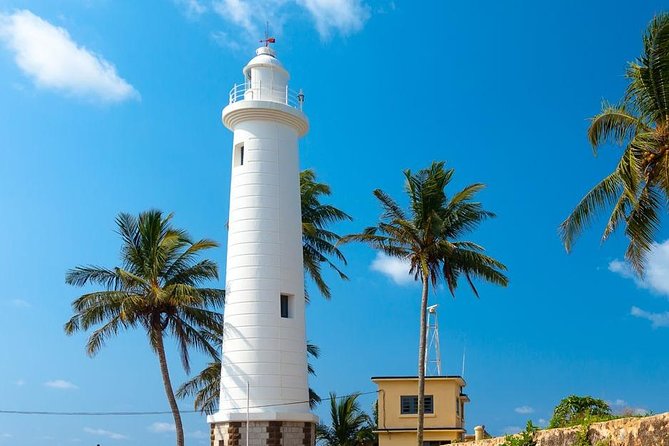
The day opens at Galle Dutch Fort, positioned along the bay on Sri Lanka’s southwest coast. This fort is not just scenic—its timeline helps you understand how Sri Lanka’s coastline became a crossroads for European powers.
Construction began with the Portuguese in 1588, followed by major fortification by the Dutch in 1668, and later expansion by the British in 1796. That sequence is exactly what a guided visit helps with. Without context, you might just see walls and gates. With context, you start noticing how each era shaped the defense style and the layout.
You get about 2 hours here, and admission is free. Two hours is long enough to walk sections of the fort thoughtfully, spot viewpoints, and absorb the story—without turning the day into a marathon.
The main drawback is also the practical one: fort walks involve uneven surfaces and sun exposure. If you’re the type who hates heat on your feet, plan your pacing. A hat and sunscreen will not feel like overkill.
Rumassala: quick time for big ocean views
Next comes Rumassala, a coastal area known historically as Buona Vista. You get roughly 30 minutes, with free admission and a viewpoint focused on the bay and surrounding coastline.
This is a stop built for perspective. In a single short window, you see why this part of Sri Lanka draws people who like ocean scenery and photographic light. You’ll also hear about local legends tied to the area, which adds meaning to what could otherwise be a simple photo break.
Because time is short, you’ll want to be ready on arrival—water, sun protection, and your camera set up. If you want a long, lingering view, this stop may feel like it passes quickly. But as a “reset your eyes” moment between fort and nature stops, it works well.





Sea Turtle Conservation Project (Koggala): do good while you look
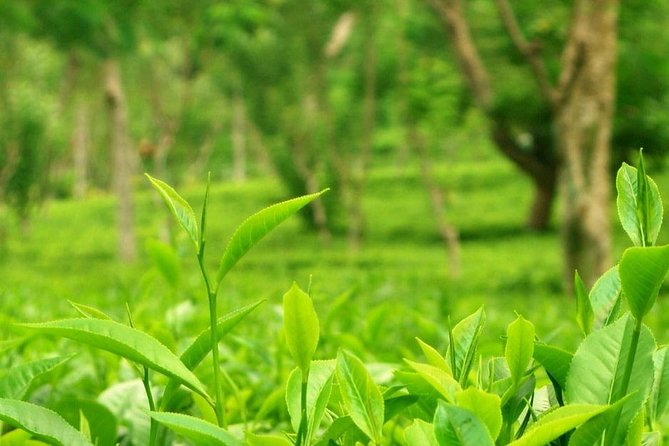
A big heart stop comes at the Sea Turtle Conservation Project in Koggala. It’s described as a non-profit organization that works to support the survival of sea turtles for the next generation. The project has released more than 100,000 turtles to the sea, and they also talk about giving injured turtles a second chance.
You’ll have around 30 minutes here. Admission for this stop is not included, so you should expect some extra on-the-spot cost if you choose to enter or participate (the tour just doesn’t bundle the ticket).
This part of the day is valuable for a simple reason: you’re not only consuming the destination—you’re seeing a real conservation effort. Even if you’re not a “turtle person,” it tends to change the mood of the day. It’s also one of the easiest stops to remember later because it feels purposeful.
Practical note: since you’re spending time looking around a conservation site, wear comfortable shoes and keep your expectations realistic for what can be seen in a short visit.
Stilt fishermen: watching tradition that still works
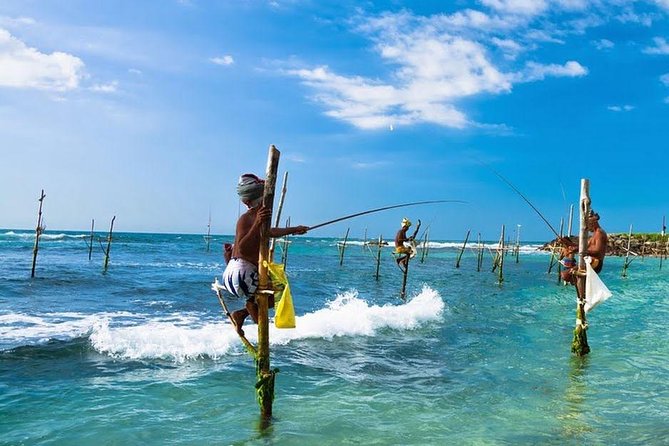
After turtles, you’ll see stilt fishermen—Sri Lanka’s traditional method where fishermen sit on a cross bar (often called a petta) tied to a vertical pole fixed into the sand a few meters offshore. This is not a museum-style demo; it’s a working fishing approach that shows how people read the sea.
You get about 30 minutes at this stop, and admission is not included. That means you should plan for the possibility of an additional fee depending on what’s required at the site.
This stop is great for photos, but it’s also worth treating like a live craft. Watch how they work and how the setup sits in the water. If you’re hoping to get close, don’t push beyond safe viewing areas—keep it respectful. The goal is to observe, learn, and enjoy the moment.
A possible drawback is water-related conditions. Some areas can be damp or uneven. If you’re bringing sandals, consider switching to something with more grip.
Handunugoda Tea Estate: tea history you can actually connect to
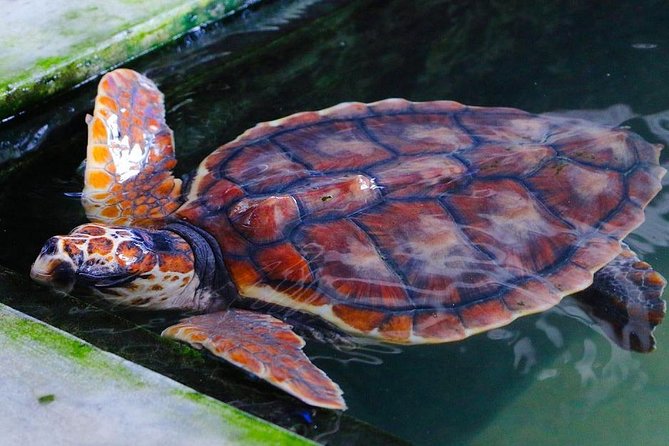
Then the tour shifts gears to Handunugoda Tea Estate. You get around 2 hours here, and admission is free for the tea estate visit.
The guide context matters a lot at a tea stop, because tea isn’t just a plant—it’s a whole chapter of colonial-era agriculture. Sri Lanka’s tea cultivation is noted as being introduced in 1865 under British colonial era by James Taylor. From there, tea spread across Sri Lanka and is often discussed in terms of growing regions by elevation: low country, mid country, and up country.
This makes the tea estate visit more than a walk through bushes. You’ll likely connect the landscape to a timeline and to how tea production works in the broader country.
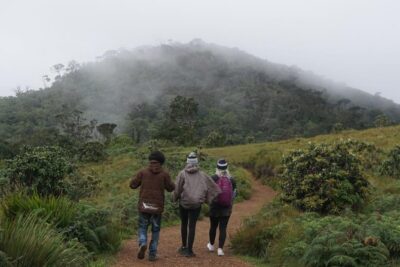
Two hours is a good length. It gives time to look, ask questions, and get your bearings without turning tea into a rushed shopping stop. Still, tea estates can involve walking on paths with sun and steps. Wear comfy shoes and don’t assume the ground will be flat everywhere.
Jungle Beach break: the payoff for a long day
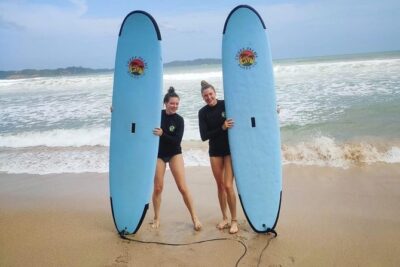
Finally, you get Jungle Beach, a great sand beach that’s popular for swimming and sunbathing. There’s also a beach bar/seafood spot if you want a bite or a cold drink.
You only get about 30 minutes here, and admission is free. So this isn’t a full beach day. Think of it as a reward and reset. If you want a proper swim, you’ll want to be ready quickly—swap into swim gear if you have it, and keep towel and water handy.
This stop is the one that often decides whether the day feels balanced. Strong guide + good fort context can still leave you “tour-fatigued.” A beach break cuts that feeling fast, especially if you can enjoy the ocean air for a short stretch.
Guide quality is the real secret sauce
The tour is run by Magam Tours, with W.S.A Prasad Suranjeewa named as a key guide. You’ll also see other guides referenced (including Seranath), and the consistent thread is the same: clear explanations, friendly energy, and tailoring the day to your pace and interests.
When guides are good, the day stops being a checklist. At Galle Fort, history becomes something you can point to. At Rumassala, legends and coastline meaning click. At the conservation project, you understand why the work matters beyond the moment.
If you’re traveling solo, this style also helps. A private day with a guide who talks to you like a person instead of a radio script can make a big difference in how comfortable you feel.
Who this tour fits best (and who might want a different plan)
This day tour is best for you if you want:
- a guided route that hits multiple top sights around Galle
- a structured day without having to plan every transfer yourself
- a mix of heritage, nature, and a beach break
- value from a private group setup (up to 3 people)
It may not be ideal if:
- you want long, slow stays at a single place
- you dislike walking in sun (fort + viewpoint + tea paths add up)
- you want dinner included (dinner isn’t included, so plan an evening meal after)
Should you book the Galle day tour?
If your goal is a smart, high-impact day around Galle, I think this is a strong booking. The route covers the area’s key emotional beats—fort walls, sea views, living conservation work, traditional fishing, tea country, and finally ocean time. And for $90 per group, the math works best when you share the ride with up to two people.
Book it if you like guided context and you’re okay with efficient stops. Skip it if you want a relaxed, unstructured day—this tour is built to move.
FAQ
FAQ
What is the duration of the Galle day tour?
The tour duration is listed as 6 to 10 hours (approx.).
What time does the tour start?
The start time is 8:30 am.
Is pickup included?
Yes, pickup is offered.
Is this a private tour?
Yes, it’s private. Only your group will participate.
How much does the tour cost and how many people can it include?
The price is $90.00 per group (up to 3).
What is included in the tour price?
Included items are bottled water, an air-conditioned vehicle, private transportation, and WiFi on board.
Are admission tickets included for all stops?
Admission is free for Galle Dutch Fort, Rumassala, Handunugoda Tea Estate, and Jungle Beach. Admission is not included for the Sea Turtle Conservation Project (Koggala) and the Stilt Fishermen stop.
Is dinner included?
No, dinner is not included.
Can I cancel for free?
Yes. You can cancel up to 24 hours in advance for a full refund.