One of the fastest ways to get your bearings in Sri Lanka is to do it by car. This 14-day private loop strings together west-coast culture, south-coast icons, the hill-country trains and tea trails, then finishes with east-coast beach time—with a driver-guide you can actually ask questions to.
I like two big things here. First, the comfort and convenience: an air-conditioned luxury car with airport pickup/drop-off and hotels with breakfast included means you’re not fighting transfers or logistics every day. Second, the human factor: in reviews, drivers and organizers by name—like Tarith arranging smoothly over WhatsApp and drivers such as Nilanka, Mahesh, Nasa, Dilshan, and Sachitha—show up as the reason the days feel calm, safe, and flexible.
One consideration: this is a packed island route, so expect long days in transit and a few walking/hiking moments. Also, while breakfasts are included, meals and entrance fees aren’t, so you’ll want a realistic budget for tickets and a couple ticketed activities.
In This Review
- Key Things I’d Call Out Before You Book
- Why 14 Days by Car Makes Sri Lanka Feel Doable
- Negombo Arrival Day: Dutch Fort Ruins, Churches, and Fish Markets
- Madu River Mangroves and Kosgoda Turtles: Two Nature Stops with Different Moods
- Galle Fort to Dondra Head: A South-Coast Day That Feels Like Several Days
- Mirissa Whale Watching: Plan for Timing and Sea Comfort
- Yala National Park Safari: The Wildlife Day That’s Half Thrill, Half Patience
- Arugam Bay: Surf-Centered Coast with a View Even If You Don’t Surf
- Ella Is a Three-Stop Sweet Spot: Temples, Bridges, and Falls
- The Train Ride You Don’t Want to Rush: Ella to Kandy
- Horton Plains Early Start, Tea Factory, Sacred Tooth Relic, and Kandy Dance
- Sigiriya and Polonnaruwa: Two UNESCO Hits Without a Full Day of Exhaustion
- Passikudah Beach and a Final Negombo Return: Your Two “Reset” Days
- Price and Value: What $935 Covers—and What You’ll Still Pay For
- Drivers in Sri Lanka: The Part That Makes or Breaks the Trip
- What to Pack for This Route (So You Enjoy It, Not Just Survive It)
- Should You Book This 14-Day Sri Lanka Car Tour?
- FAQ
- Where does the tour start and how long is it?
- Is airport pickup and drop-off included?
- Does the price include hotels and breakfast?
- Are meals and entrance fees included?
- Is this tour private or shared with others?
- Do I travel in a car that’s comfortable in Sri Lanka’s heat?
- Can the itinerary be changed?
- Are there specific activities that cost extra?
- What’s the cancellation window for a full refund?
Key Things I’d Call Out Before You Book
- Private “only your group” setup: no crowds in the car, and you can plan around your pace.
- Airport pickup and drop-off: you start (and end) without guessing how to get across Colombo.
- Breakfasts included in the rhythm: 13 breakfasts help you start early on sight-heavy days.
- Real variety in 14 days: Dutch forts, turtles, a wildlife safari, surf coast, train views, UNESCO ruins, then two beach days.
- Driver-guide matters a lot: reviews repeatedly credit safety, punctuality, and guidance from named drivers (Nilanka, Mahesh, Nasa, Dilshan, Sachitha).
Why 14 Days by Car Makes Sri Lanka Feel Doable
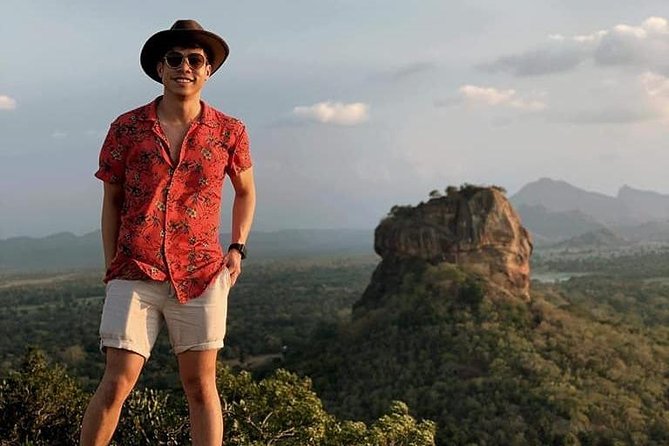
Sri Lanka can look small on a map, but it doesn’t feel small when you’re trying to reach beaches, parks, and hill country in one trip. A full two weeks gives you time to see more than the “top 10” highlights and still breathe a little on the coast.
By choosing an air-conditioned private car, you also get something many first-time visitors want: you can stop for views, adjust timing, and ask questions without waiting for anyone else’s schedule. If you’re traveling as a couple, a family, or a small group, this kind of setup often feels like renting time—your time.
You can also read our reviews of more tours and experiences in Colombo.
Negombo Arrival Day: Dutch Fort Ruins, Churches, and Fish Markets
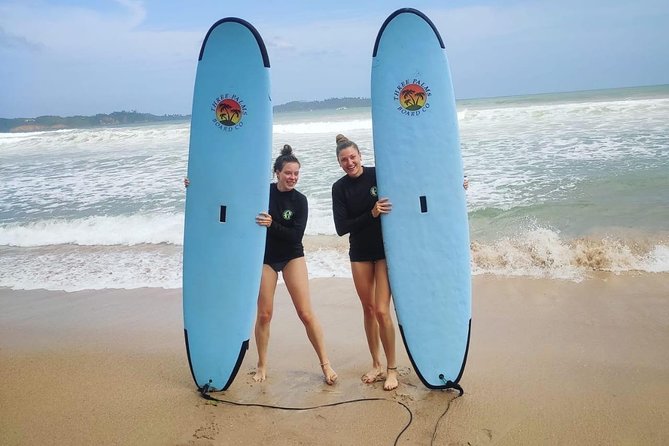
Day 1 clusters a lot of “real Sri Lanka” in Negombo, starting near the seafront. You’ll see the old Dutch Fort ruins by the lagoon mouth, then swing through Roman Catholic churches like St. Sebastian’s Church (Gothic Revival style) and St. Mary’s Church (pink exterior).
After the architecture, you move to the senses. The Negombo Fish Market is right on the beach shoreline, where dried fish rows against the sky create a strong, unforgettable visual. Then comes the morning Negombo Lagoon cruise idea—cooler temps, fishing boats returning, and birds active around the banks. The lagoon portion is listed as not included, so budget for it if you want that boat time.
Madu River Mangroves and Kosgoda Turtles: Two Nature Stops with Different Moods
On Day 2, the pace turns into slow nature. A Madu River safari in mangroves is a boat ride through quieter, greener marshland—more gentle observation than “touristy sightseeing.” Plan this day as a breather after the market-and-church energy of Day 1.
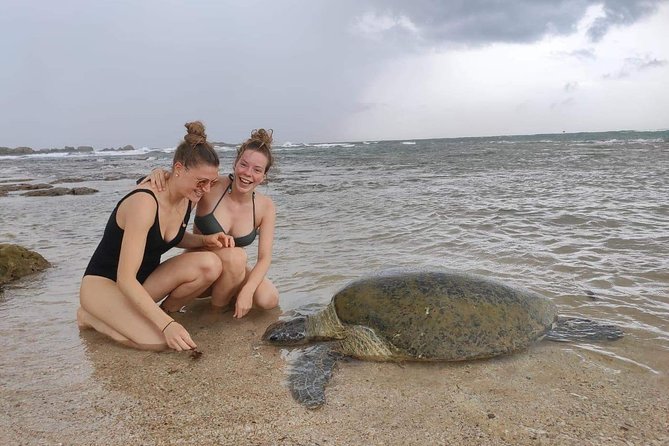
Then you shift to conservation work at the Kosgoda Sea Turtle Conservation Project (Turtle Care Centre). This is one of the hatcheries along Sri Lanka’s southern coast, established in 1981. The useful detail here is that Kosgoda is popular because it’s a nesting stop for all five turtle species that visit Sri Lanka—so you’re not just seeing the idea of turtles; you’re visiting a place with actual species coverage.
Galle Fort to Dondra Head: A South-Coast Day That Feels Like Several Days
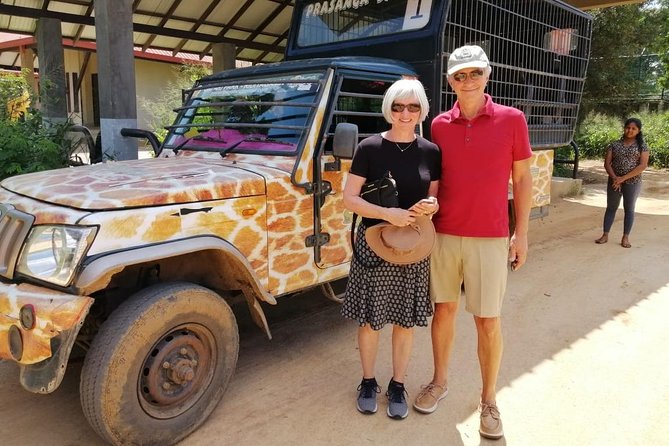
Day 3 is the kind of day you’ll remember because it covers a lot of different “south coast faces” in one go. You start with Galle Dutch Fort, a UNESCO World Heritage site shaped by Portuguese beginnings in 1588 and later Dutch fortification from the 1600s onward. Inside the fort, the living community makes it feel less like a museum and more like a working neighborhood with layers.
Next: Rumassala Jungle to Jungle Beach. It’s a hike through Rumassala greenery to reach a calm, swim-friendly stretch. After that, you climb to the Japanese Peace Pagoda (Rumassala) for wide ocean views from the circular deck.
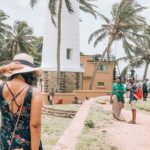
Then it’s back to quick photo stops. Coconut Tree Hill in Mirissa is famous for tall palms right at the cliff edge, and you’ll likely stop there for the classic wide-angle picture. Finally, you end with Dondra Head Lighthouse, at Sri Lanka’s southernmost point—Sri Lanka’s tallest lighthouse and one of the tallest in Southeast Asia. If you enjoy “where am I on the island?” moments, this is a good closer.
Mirissa Whale Watching: Plan for Timing and Sea Comfort
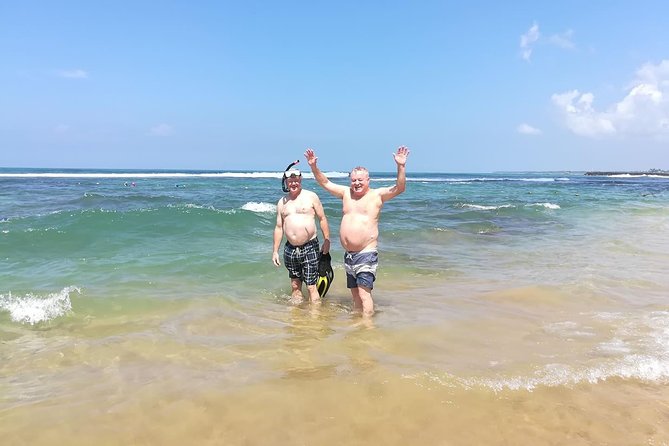
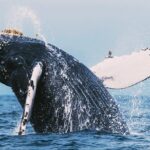
Day 4 is whale watching in Mirissa, listed as a 4-hour activity (with admission not included). Even if you’re not a whale expert, this is one of Sri Lanka’s easiest “wow” moments to understand quickly—you’re on the water looking for marine life.
Two practical notes. First, bring sunscreen and a layer for wind (boat weather changes fast). Second, if you get even mild motion sickness, consider taking precautions before you go—because this is the kind of day where discomfort can steal the magic.

Yala National Park Safari: The Wildlife Day That’s Half Thrill, Half Patience
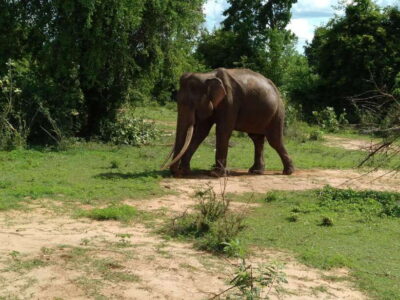
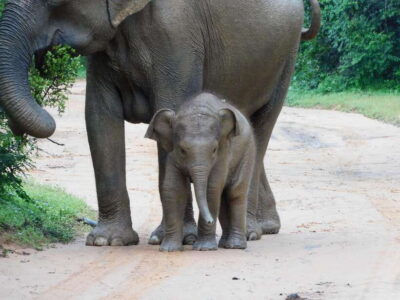
Day 5 heads into Yala National Park, Sri Lanka’s second-largest wildlife park. The park is semi-arid, with dry woodlands and grass patches, and it’s divided into five blocks. That matters because jeep safari drives aren’t random wanderings—they’re guided searches for animals across different habitat zones.
You’ll be doing a jeep safari here, listed as an unforgettable adventure with a chance of seeing big animals. The itinerary wording even hints at a slightly intense possibility: an odd chance of being charged by a juvenile bull elephant. That doesn’t mean it’s common—just that Yala wildlife can be unpredictable, and your driver-guide should be listened to.
Also remember: entrance fees aren’t included overall in the package terms, so double-check what you’ll pay on-site versus what’s handled.
Arugam Bay: Surf-Centered Coast with a View Even If You Don’t Surf
Day 6 lands you at Arugam Bay Beach. This is Sri Lanka’s east-coast surf world, with Main Point known for a right-hand break (often described in the 400–600m range). The swell window is tied to South-South-East swell, and in-season conditions can include cross winds depending on the setup.
If you are a surfer, this is the reason you came. If you’re not, you’ll still get something valuable: the sense of place. Watching surfers line up and reading wave shape from the shoreline is surprisingly educational, and Arugam Bay also works well as a day to slow down and let the earlier sightseeing days settle in your brain.
Ella Is a Three-Stop Sweet Spot: Temples, Bridges, and Falls

Days 7 and 8 are where Sri Lanka turns into hill-country scenery and short adventures.
On Day 7, you start at Buduruwagala Temple, a Buddhist site with seven statues that date back to the 9th–10th century and belong to the Mahayana tradition. It’s not “big and loud,” but it’s one of those places where you feel time depth.
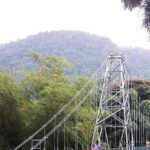
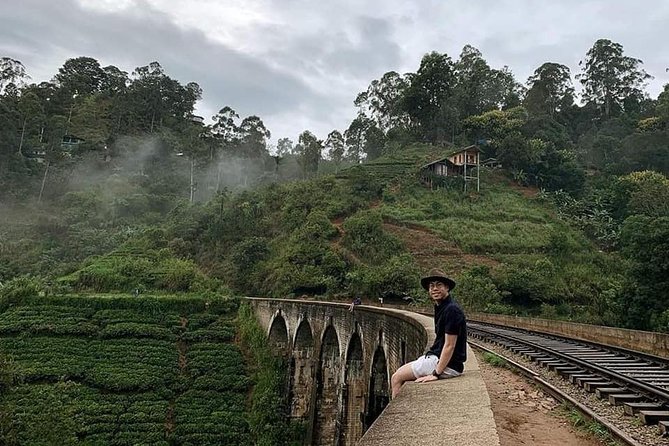
Then it’s to Ella for Nine Arches Bridge, part of the Demodara loop. This bridge spans 91 meters at about 24 meters high, and it sits in a dense jungle/agricultural setting. The best part of the day is that you’re surrounded by tea and hills while you stare at something built for trains—very satisfying.
Finally, you hit Ravana Ella Falls near Ella. It’s described as one of Sri Lanka’s widest waterfalls, about 82 feet high, and it’s also close to swimming and rock-climbing type spots for views.
Day 8 adds a classic hike and legend. Little Adam’s Peak is a 1141m viewpoint with an easier hike that passes tea plantations, waterfalls, and paddy fields on the way up. Then you’ll revisit Ravana Ella area for Ravana Ella falls again (quick stop style, great for photos), and you can add the Ravana’s Cave story stop—admission not included here.
The Train Ride You Don’t Want to Rush: Ella to Kandy
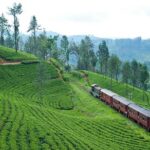
Day 9 includes the famous rail journey from Ella toward Kandy. The timing is often described as about seven hours, running through tea plantations and mountain views—one of the reasons the hill-country part of Sri Lanka feels special.
After the train day, you’ll switch to viewpoint sightseeing around Nuwara Eliya and nearby areas: Gregory Lake (a reservoir built during British governor Sir William Gregory’s period) and Sandathenna, where you get panoramic views and the famous edge feeling described as the mini Worlds End.
This is also a good day to reset your legs. Even if you love walking, you’ll feel the difference between train time and hike time.
Horton Plains Early Start, Tea Factory, Sacred Tooth Relic, and Kandy Dance
Days 10 and 11 are a heavy-hitter combo: nature views in the morning, then culture at night.
On Day 10, you start at Horton Plains National Park. This is a “start early” situation—the itinerary notes a chill in the morning and changing cloud light conditions. Dress for morning cool, and expect a coverable day later.
You’ll then stop at Ramboda Waterfall, a high waterfall at Ramboda Pass (109m). From there, it’s to Glenloch Tea Factory to see how tea fits into Sri Lanka’s hill-country economy. Even if you’re not buying anything, it’s useful to watch the process and understand why this region looks the way it does.
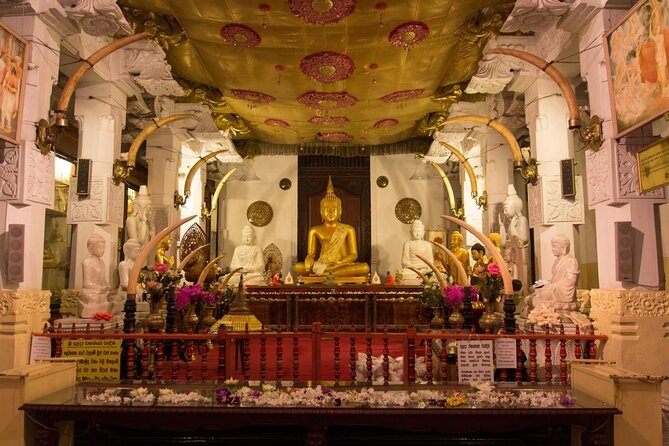
Then you land in Kandy for the big spiritual/cultural site: the Temple of the Sacred Tooth Relic in the royal palace complex of the former Kingdom of Kandy. The itinerary emphasizes why the relic mattered historically—who held it held governance.
To round out the day, there’s a cultural dance show at Kandy Lake Club. Kandyan dancing is explained as a tradition with roots in older ritual performances, and the show includes energetic dance movements plus acrobatics—ending with dramatic elements like fire walk.
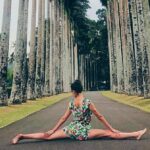
Day 11 softens the schedule with gardens and smaller heritage stops. You’ll visit the Royal Botanical Gardens in Peradeniya with its Royal Palms Avenue and large collection of plant species. Then you get a quick Kandy View Point.
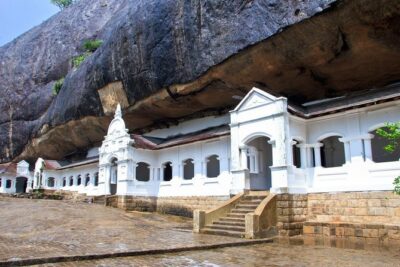
After that, you’ll see Nalanda Gedige, an ancient stone temple near Matale, and then move to Dambulla Cave Temple, a UNESCO-listed rock cave temple. This is a good place to slow down and actually look upward—because the caves change the way you experience art and architecture.
Sigiriya and Polonnaruwa: Two UNESCO Hits Without a Full Day of Exhaustion
Day 12 wraps up several of Sri Lanka’s UNESCO “must-see” sites.
Start at Pidurangala Rock with Pidurangala Vihara, an ancient Buddhist temple on a massive rock a few kilometers north of Sigiriya. It’s a strong complement to Sigiriya because it keeps your day from being one single monument.
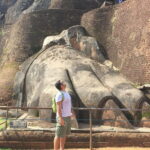
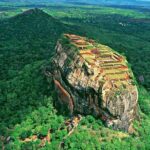
Then comes Sigiriya: The Ancient Rock Fortress, a UNESCO World Heritage site from the 5th century. The big idea here is scale—climbing and viewing a fortress integrated into a rock formation. If you’re managing energy carefully, this is the day to plan water breaks and pace yourself.
Finish with Polonnaruwa, another UNESCO World Heritage site. The itinerary connects the site to King Parakramabahu the Great, emphasizing it as a historic power center in Sri Lanka’s chronicles.
Passikudah Beach and a Final Negombo Return: Your Two “Reset” Days
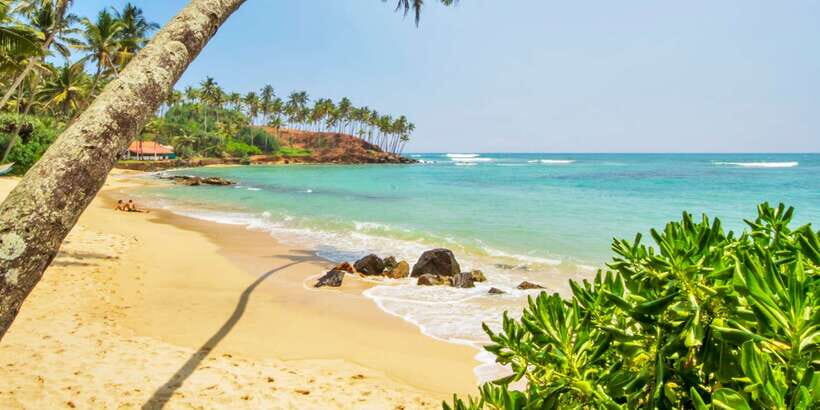
Day 13 shifts back to the coast with Passikudah Beach. The description highlights charm and the side-by-side view of local fishermen in traditional boats. This kind of day is great right after UNESCO and temples—your brain gets to rest without losing the sense of place.
Day 14 returns you to Negombo. You’ll see the Dutch Fort remains near the waterfront, where the ruins now house a prison, plus the Negombo Lagoon lined with fishermen’s huts feeding into the Dutch-era Hamilton Canal. It’s a calm close to a fast two weeks, and it keeps the trip from feeling like an airport marathon at the end.
Price and Value: What $935 Covers—and What You’ll Still Pay For
At $935 per person for about 14 days, this tour’s value comes from the big-ticket parts: private air-conditioned transport, hotels, and breakfasts, plus airport pickup and drop-off. Driver accommodation and meals are also included, which usually translates into smoother service—your driver isn’t constantly juggling personal logistics.
What’s not included is just as important. The package terms say meals and entrance fees aren’t included, so you should expect extra spending at ticketed sites and paid activities. Some specific activities in the plan are clearly marked as admission not included, like the Madu River Safari and Kosgoda turtle project, plus whale watching and parts of the Ella/temple/cave lineup.
So the smart way to think about it: this is a well-priced way to buy time and comfort while you handle the site tickets and meals yourself.
Drivers in Sri Lanka: The Part That Makes or Breaks the Trip
The standout theme in reviews is that the driver-guide experience is consistently strong. Named drivers and organizers—Nilanka, Mahesh, Nasa, Pradeep, Dilshan, and Sachitha—are credited with being punctual, safe on the road, and flexible when plans shift.
That flexibility matters on a route this packed. Some days are viewpoint-heavy, some days are hike-heavy, and a few are long transit days. When your driver understands timing and safety, the trip feels like a plan instead of a scramble.
One small bonus noted in a review: a mention of free Wi-Fi in the car and a SIM card during the trip. That’s not guaranteed across every departure, but it’s a useful reminder that convenience can show up beyond the headline inclusions.
What to Pack for This Route (So You Enjoy It, Not Just Survive It)
This itinerary includes beach time, boat time, wildlife drives, and a couple hikes. Bring good walking shoes, a light rain layer (Sri Lanka weather can change), and a hat/sunscreen. If you’re doing Little Adam’s Peak and Rumassala jungle access, plan for some uneven ground and warm afternoons.
For boat days like whale watching, pack a layer for wind. For early mornings like Horton Plains, pack something warm enough for a cool start.
Should You Book This 14-Day Sri Lanka Car Tour?
If you want to see a lot of Sri Lanka without turning your vacation into a transit project, this one makes sense. The route covers UNESCO sites, wildlife in Yala, tea-country views and trains, plus east-coast and west-coast beach breathing room—all with a private car and driver-guide.
Book it if:
- You like comfort and want fewer logistics headaches.
- You want a mix of culture, nature, and scenery in one trip.
- You don’t mind paying site tickets and meals on top.
Skip it if:
- You hate long car days or you want a slower, one-region-only vacation.
- You want everything fully included with zero extra spending.
If you’re the type who likes to ask questions, compare sights, and move efficiently between regions, this is a strong way to do Sri Lanka.
FAQ
Where does the tour start and how long is it?
It starts at Bandaranayake Intl Airport in Colombo, Sri Lanka, and the duration is approximately 14 days.
Is airport pickup and drop-off included?
Yes. Airport pickup and drop-off are included.
Does the price include hotels and breakfast?
Yes. The tour includes hotels with breakfast, with breakfast listed for 13 days.
Are meals and entrance fees included?
Meals are not included, and entrance fees are not included.
Is this tour private or shared with others?
It’s a private tour/activity. Only your group participates.
Do I travel in a car that’s comfortable in Sri Lanka’s heat?
Yes. It includes an air-conditioned vehicle and private transportation.
Can the itinerary be changed?
The tour includes flexibility to customize your itinerary.
Are there specific activities that cost extra?
Some activities are marked as not included, including the Madu River Safari, the Kosgoda Sea Turtle Conservation Project, and whale watching in Mirissa (as well as other items marked not included).
What’s the cancellation window for a full refund?
You can cancel up to 6 days in advance for a full refund.